
Horizontal Stretch Wrapper ROI: A Game-Changer for Canadian Manufacturers?
Canadian manufacturers often face a tough challenge. They need to increase output. They also need to cut costs. Many still rely on old packing methods. These methods are slow. They are also risky. This approach hurts their bottom line. It slows down delivery times. It puts workers at risk.
Horizontal stretch wrappers offer a clear solution. They significantly boost efficiency. They also improve safety. This leads to a strong return on investment (ROI). They automate the packing of long or coiled products. This saves money on labor. It reduces product damage. It speeds up the entire production line. This helps Canadian businesses become more competitive and profitable.
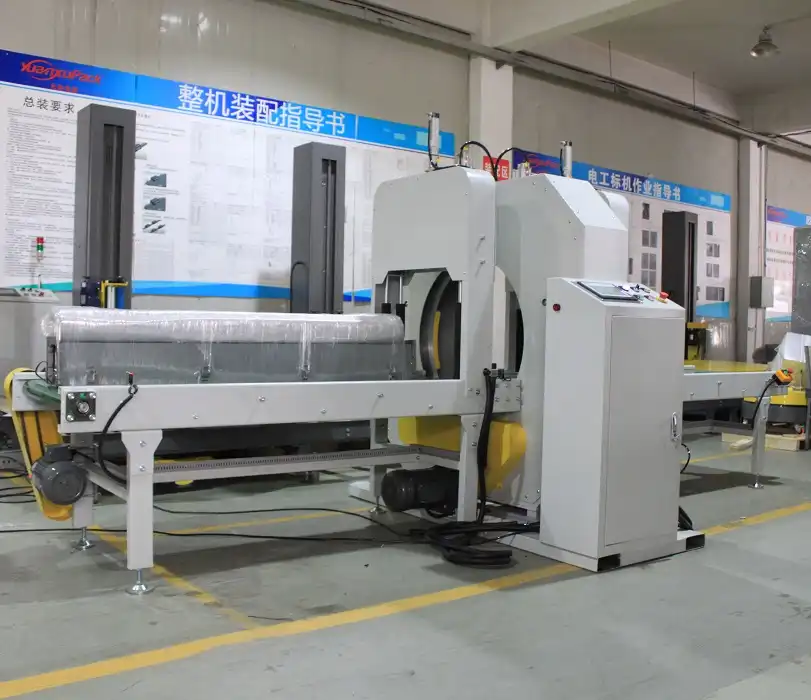
This article will show you how. We will look at real benefits. We will explore how these machines transform operations. You will see why they are a smart investment. Read on to learn more.
Stop Wasting Time: How Do Horizontal Stretch Wrappers Boost Production Speed?
Are your current packing methods slowing you down? Do you see piles of finished goods waiting? Is manual wrapping causing bottlenecks at the end of your line? These problems hold back your entire operation. They limit how much you can produce. They delay your shipments.
Horizontal stretch wrappers eliminate these bottlenecks. They automate the packing process. This means faster wrapping cycles. They handle many product sizes. They work quickly and consistently. This frees up your team. It allows them to focus on other tasks. Your production flow becomes smoother. Goods move out the door much faster.
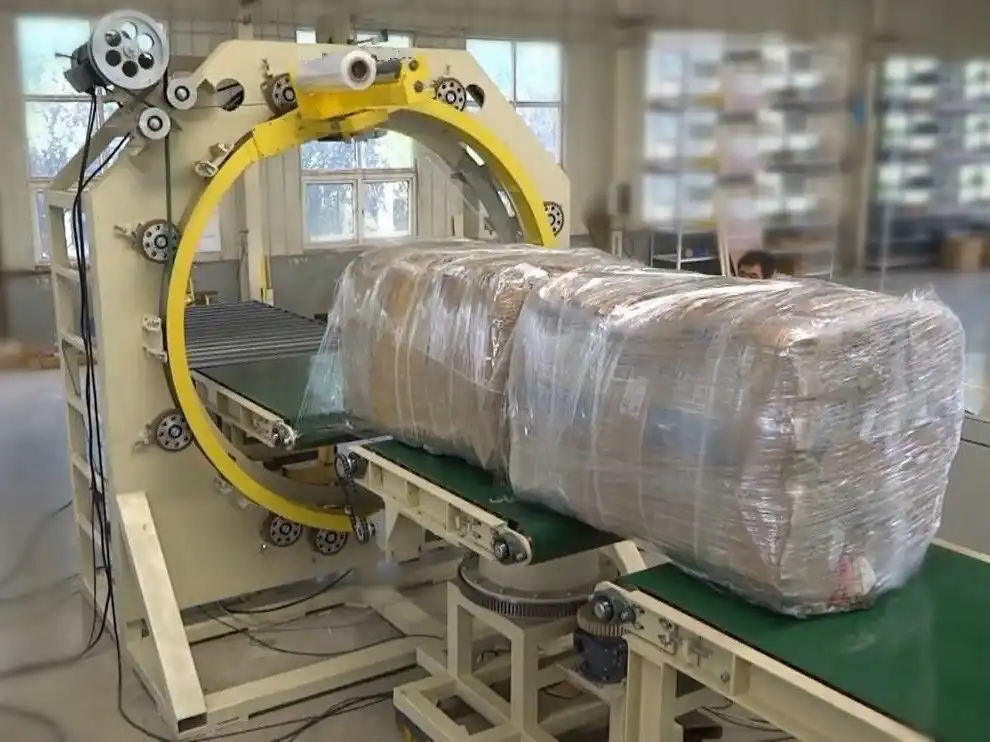
When I started my own packing machine factory, I knew efficiency was key. I saw many businesses struggling with slow packing. This was especially true for long items or heavy coils. Manual methods are just not sustainable for growth. A horizontal stretch wrapper changes everything. It turns a slow, manual step into a rapid, automated one. This means your products are wrapped and ready for shipment in minutes, not hours.
The Impact on Throughput
Think about a busy metal fabrication plant in Canada. They produce many steel coils or bundles of pipes. Manually wrapping each one takes a long time. It also needs multiple people. With a horizontal wrapper, one machine can do the work of several people. It also does it much faster. This directly increases your daily output.
- Faster Cycle Times: The machine wraps products continuously. There is no downtime for manual adjustments. It applies stretch film quickly and evenly. This cuts down the total packing time per item.
- Reduced Labor Dependence: You need fewer workers for packing. These workers can then do other important jobs. This optimizes your workforce. It also saves on labor costs.
- Consistent Performance: Machines do not get tired. They do not make mistakes from fatigue. They provide consistent wrap quality. This ensures every product is ready for shipment. It meets the required standards.
For example, I once advised a client who produced steel wire coils. They had two people constantly wrapping coils by hand. This created a bottleneck. Their daily output was limited. We installed a semi-automatic horizontal wrapper. Within weeks, their packing speed doubled. They could now meet higher order volumes. This was a direct result of automation. It showed how much of a difference the right machine makes. The team members who used to wrap coils could now assist with loading. They could also help with quality checks. This created a much more efficient overall process. It freed up valuable human resources. It allowed the company to take on more business. They could grow their revenue.
This kind of automation is not just about speed. It is also about reliability. Your packing output becomes predictable. This helps with planning. It also helps with delivery schedules. You can promise more to your customers. You can deliver on those promises too. This builds trust. It also builds repeat business. The machine becomes a core part of your production strategy. It supports your growth ambitions.
Safer Workplaces: Can Automated Wrapping Really Reduce Injuries?
Are your workers constantly lifting heavy items? Do they twist and bend to wrap bulky products? Are you worried about their safety on the factory floor? Manual packing of large or awkward items is a high-risk activity. It often leads to strains, sprains, and other injuries. This results in high insurance costs. It also causes lost workdays. It hurts employee morale.
Automated horizontal stretch wrappers drastically reduce these risks. They take over the dangerous work. Workers no longer need to manually lift or rotate heavy goods. This removes the risk of back injuries. It also prevents strains from repetitive movements. A safer workplace means fewer accidents. It means lower insurance premiums. It also means a happier, more stable workforce.
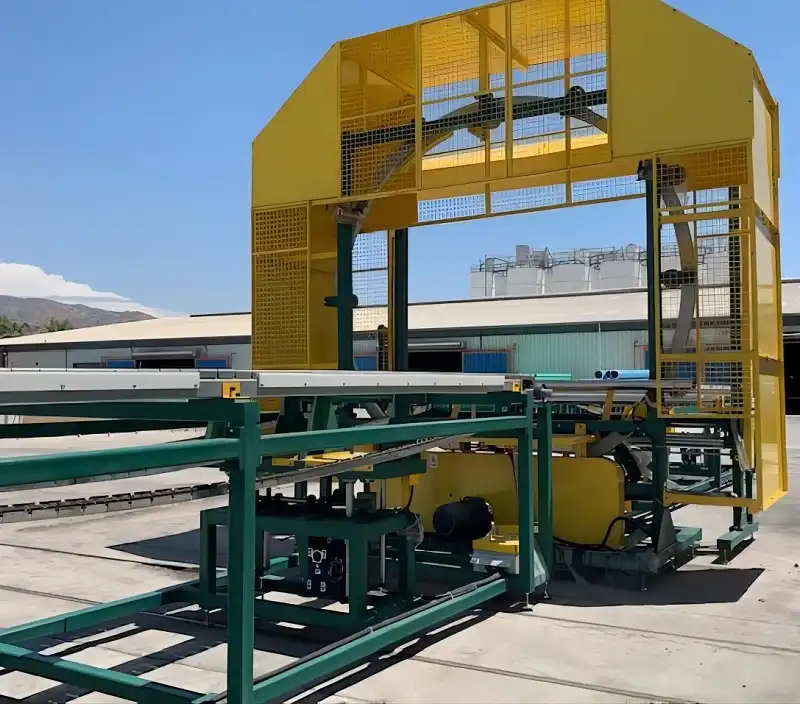
My journey in the packing machine industry started on the factory floor. I saw firsthand the physical toll of manual labor. I remember seeing workers struggle with heavy coils. They would twist their bodies in awkward ways to apply film. This was a constant source of concern. When I started FHOPEPACK, one of my main goals was to help companies protect their people. Automated packing machines are a big part of that. They remove the human element from the most dangerous parts of the job.
Direct Safety Improvements
Consider the typical hazards in a manufacturing plant. Heavy lifting is a major one. Repetitive motions are another. Slippery floors or awkward positions can also lead to falls. A horizontal stretch wrapper addresses these issues directly.
- Elimination of Manual Lifting: Products are loaded onto a conveyor or directly into the machine. This means no manual lifting of heavy items. Workers avoid back injuries and muscle strains.
- Reduced Repetitive Strain: The machine performs the wrapping. Workers do not need to bend, stretch, or walk around the product repeatedly. This prevents common repetitive strain injuries.
- Controlled Environment: The machine operates within its own footprint. It keeps workers clear of moving parts. This minimizes the risk of accidents from machinery.
I once worked with a client in the steel industry. Their factory had a high rate of shoulder and back injuries. These came from manually wrapping large steel pipes. They bought a horizontal stretch wrapper. Within six months, their reported packing-related injuries dropped by 70%. This was a huge win. It not only saved them money on workers’ compensation claims. It also created a much better working environment. Their employees felt safer and valued. This improved morale across the entire plant.
A safer workplace is not just about avoiding costs. It is about your people. It is about creating an environment where they feel protected. When your employees feel safe, they are more engaged. They are more productive. This positive cycle benefits everyone. It contributes to a stronger, more resilient business. Investing in safety is always a wise decision. It pays off in many ways.
Protect Your Products: How Do Wrappers Prevent Costly Damage?
Are your finished products getting damaged before they even leave the factory? Do you frequently deal with customer complaints about scuffed edges or dented surfaces? Product damage during internal transfers or packing is a silent drain on your profits. It leads to rework. It causes material waste. It also damages your reputation with customers.
Horizontal stretch wrappers provide superior product protection. They apply a tight, consistent wrap. This shields products like steel coils or aluminum extrusions from dust, moisture, and impact damage. The wrap holds items securely. It prevents shifting during handling and transport. This significantly reduces costly product losses. It also ensures products arrive at customers in perfect condition.

In my years of working with manufacturers, I have seen too many instances of perfectly good products being damaged at the last stage. A dented coil edge or a scratched pipe can mean a rejected shipment. This costs money. It also damages customer trust. I learned early on that proper packing is not just a final step. It is a critical part of quality control. It protects your hard work.
How Wrappers Ensure Product Integrity
Manual wrapping often has inconsistencies. Some areas might be too loose. Other areas might be unprotected. This leaves products vulnerable. Automated horizontal wrappers eliminate these issues.
- Uniform Tension and Coverage: The machine applies film with consistent tension. This creates a tight, secure wrap around the entire product. There are no loose spots or gaps. This provides maximum protection.
- Protection from Elements: The stretch film acts as a barrier. It protects products from dust, dirt, and moisture. This is vital for metal products. It prevents rust and corrosion.
- Secure Bundling: For multiple items, the wrapper bundles them tightly together. This prevents shifting and friction during movement. This reduces the risk of scratches or dents.
I recall a specific situation with a client who manufactured aluminum profiles. They were experiencing frequent damage to the ends of their profiles. This happened during internal transport to the warehouse. Manual wrapping just did not provide enough protection for the fragile edges. After they installed a horizontal stretch wrapper, they were able to wrap the entire bundle. The wrapper created a secure, protective layer. This virtually eliminated the edge damage. Their customer complaints related to transit damage dropped to almost zero. This not only saved them money from product returns and replacements. It also greatly improved their customer satisfaction scores. It showed how much a small investment in packing could impact their entire business reputation.
This level of protection boosts customer satisfaction. When customers receive products in perfect condition, they are more likely to order again. It reflects well on your brand. It shows you care about quality. This investment is not just about the machine. It is about protecting your brand’s promise. It ensures your products maintain their value from your factory door to the client’s site.
Beyond The Machine: What is the True ROI of Automated Packing?
Many business owners look at the price tag of new equipment. They only see the upfront cost. They do not always see the bigger picture. They might hesitate to invest in automated packing. This is a common mistake. They miss out on the long-term gains. What is the real return on investment? Is it just about saving a few dollars here and there?
The true ROI of a horizontal stretch wrapper goes far beyond simple cost savings. It is about compounding benefits. You save on labor. You reduce material waste. You eliminate product damage. You also improve worker safety. All these factors combine. They create a significant financial advantage. You get increased throughput. You also gain a better reputation. This leads to more sales. It also ensures long-term profitability for Canadian manufacturers.
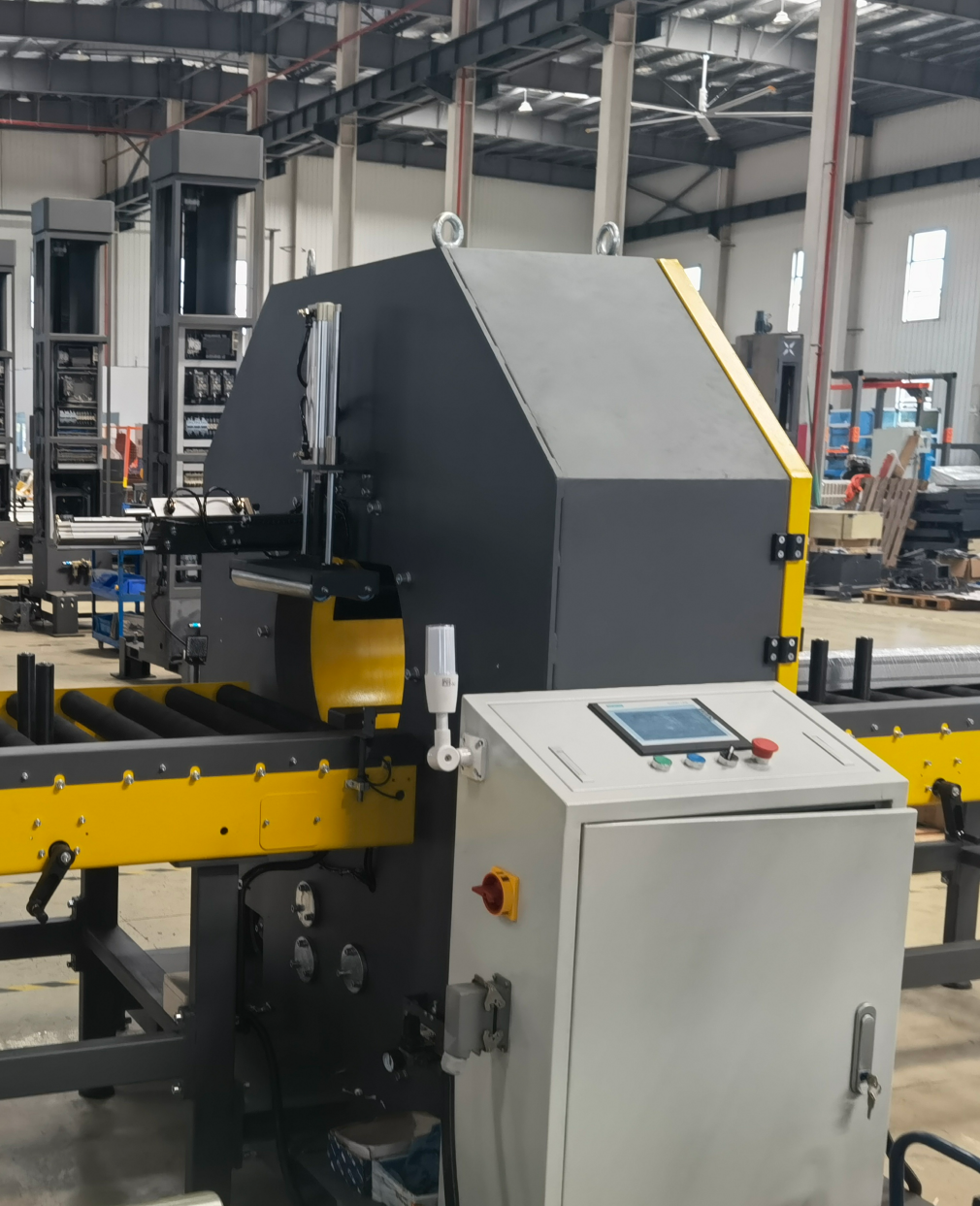
When I was building my factory, every investment had to make sense. I learned to look at the total impact. It was not just about the cost of the machine itself. It was about how it changed my entire operation. I helped many clients see this bigger picture. Many initially thought automation was too expensive. They later realized it was essential for their growth.
Calculating Your Return
Let’s break down the different ways an automated horizontal wrapper pays for itself.
- Labor Cost Savings:
- Manual packing needs multiple workers. An automated system often needs only one or two to operate and monitor.
- Calculate the hours saved per day. Multiply by the hourly wage. This shows direct labor savings.
- Reduced Material Costs:
- Automated wrappers use film more efficiently. They apply it consistently. This reduces waste.
- They often use less film than manual methods. This is because they optimize tension and overlap.
- Calculate the savings in film consumption over time.
- Minimized Product Damage:
- Damaged products mean rework or scrap. This costs money and time.
- Calculate the value of products saved from damage. This includes the cost of raw materials and labor.
- Also consider the cost of processing customer complaints and potential lost sales.
- Lower Insurance Premiums and Injury Costs:
- Fewer workplace injuries lead to lower workers’ compensation claims.
- Calculate the savings from reduced medical costs and lost workdays.
- Increased Production Capacity:
- Faster packing speeds allow you to produce more goods. This leads to higher sales revenue.
- Quantify the additional revenue from increased output.








