

Horizontal Orbital Wrappers Reviewed: Pros and Cons for Panel Packaging Applications?
Are you tired of slow, labor-intensive panel packaging that eats into your profits and puts your workers at risk? I have spoken with countless factory managers, just like you, who struggle with bottlenecks at the end of their production lines. Manual handling of heavy panels causes injuries, product damage, and frustrating delays. It feels like a constant battle to keep up, doesn’t it? Well, I am here to tell you that there is a better way. Today, we will look at horizontal orbital wrappers. These machines promise to change the game for panel packaging.
Horizontal orbital wrappers offer key benefits for panel packaging. They boost efficiency by automating the wrapping process, drastically reduce manual labor, and enhance safety by minimizing heavy lifting. They also provide superior product protection against damage during transit. However, they can have initial costs and specific needs for different panel sizes or types.
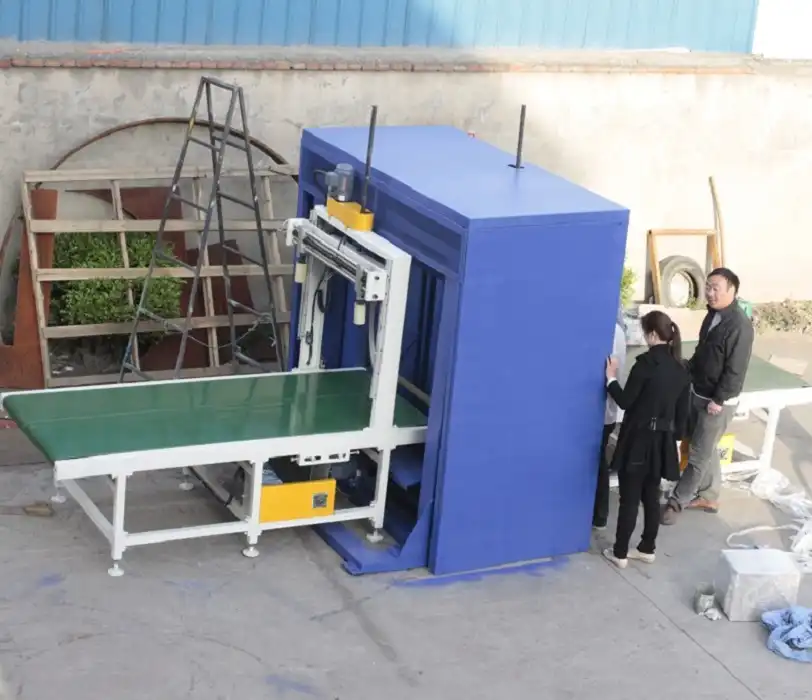

You probably hear a lot of promises about new equipment. I understand your hesitation. I have been in the packing machine industry for a long time. I have seen what works and what does not. This review will cut through the noise. We will give you a clear, honest look at these machines. You can then decide if they are the right fit for your factory.
Do Horizontal Orbital Wrappers Truly Boost Panel Packaging Efficiency?
Are your production lines constantly held up by slow, manual panel packaging? Do you feel like you are always trying to push more product out but the end of the line just cannot keep up? This bottleneck can cost you precious time and money. It also delays your deliveries.
Horizontal orbital wrappers significantly increase panel packaging efficiency. They automate the wrapping process, moving panels quickly through a continuous motion. This reduces the need for manual labor and speeds up the entire operation. This means more panels get packed faster.


I remember my early days building packing machines. Manual wrapping was a nightmare. Workers were slow. They also got tired. A machine does not get tired. Horizontal orbital wrappers wrap panels from all sides. They do it in one smooth pass. This cuts down the packaging time drastically. For example, a worker might take several minutes to hand-wrap a large panel. An orbital wrapper can do it in less than a minute. This difference adds up fast. It means your factory can process more orders. It also means you can meet tighter deadlines.
Consider a factory I helped. They were manually wrapping large metal sheets. They had issues with their production speed. They installed a horizontal orbital wrapper. Their daily output of packaged panels went up by 40%. This was huge for them. They could then take on more work. They also shipped products faster.
The machine works by having a rotating arm with stretch film. This arm moves around the panel. The panel itself stays still or moves slowly through the center. This design is very efficient. It creates a tightly wrapped package. This also secures the product for transport.
There are some things to think about, though. The machine needs to be fed consistently. If your upstream process is slow, the wrapper will just sit idle. This reduces its efficiency gains. Also, setting up the machine for different panel sizes takes some time. This means if you have very varied panel dimensions, you might lose some efficiency during changeovers. But for high-volume, similar-sized panels, the efficiency gains are undeniable. It transforms a slow bottleneck into a fast, smooth operation. This directly impacts your factory’s overall productivity.
| Aspect | Manual Wrapping | Horizontal Orbital Wrapper |
|---|---|---|
| Speed | Slow, dependent on worker fatigue, inconsistent. | Fast, consistent, high throughput. |
| Labor Needs | High, requires multiple workers for large panels. | Low, typically one operator to monitor. |
| Bottleneck Relief | Often creates a bottleneck at the end of the line. | Eliminates bottlenecks, speeds up overall production flow. |
| Consistency | Varies greatly with worker skill and effort. | Uniform wrap tension and coverage every time. |
| Changeover Time | Minimal, but re-training workers can be slow. | Can take time for significant size changes, but once set, it’s fast. |
This table shows a clear picture. The wrapper helps a lot with speed and consistent output. It frees up your workers for other tasks. This makes your factory run better overall.
Can Orbital Wrappers Make Panel Packaging Safer for Your Workers?
Are you worried about worker safety when handling heavy panels? Manual lifting and repetitive motions can lead to serious injuries. These injuries mean high insurance costs. They also mean lost productivity. Nobody wants their team members to get hurt at work.
Horizontal orbital wrappers significantly enhance worker safety. They remove the need for manual lifting and turning of heavy panels. This reduces the risk of muscle strains, back injuries, and crushing hazards. Workers can then focus on supervising the machine, not on dangerous physical tasks.
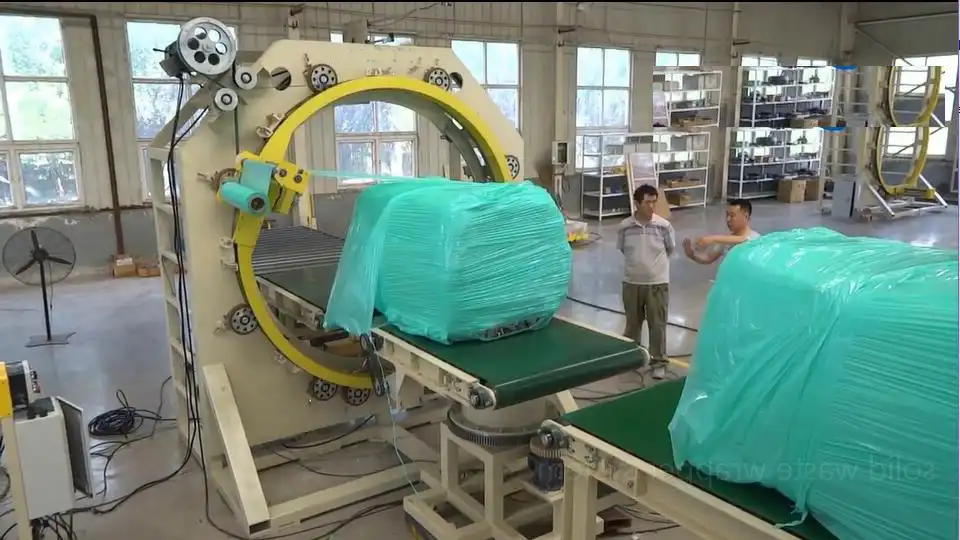

Safety was always a big concern for me. When I ran my own factory, I saw how easily accidents could happen. Especially with large, heavy products like metal panels. Workers bending, lifting, and pushing panels onto a pallet or into a wrapper by hand is dangerous. This leads to strains, sprains, and even more severe injuries. OSHA reports often highlight these risks in manufacturing.
A horizontal orbital wrapper changes this completely. The panels are loaded onto a conveyor or a stable platform. The machine does all the wrapping. This means your workers are not lifting or positioning heavy loads. They are also not working in close contact with moving parts that are handling heavy objects. They stand at a safe distance. They only need to monitor the process. They might also load the film roll.
Think about the impact on your insurance premiums. Fewer workplace injuries mean fewer claims. This directly translates to lower costs for your factory. It also means less employee turnover. A safer workplace makes employees feel valued. This improves morale. It reduces the costs associated with hiring and training new staff.
However, safety still needs attention. Machines have moving parts. Proper safety guards are a must. Training for operators is also critical. They need to know how to use the machine safely. They must understand emergency stops. They also need to know how to clear jams. The machine also needs regular maintenance. This prevents unexpected breakdowns that could create hazards. But overall, by automating the heavy lifting and repetitive motions, these wrappers are a huge step forward for factory safety. They protect your most valuable asset: your people.
| Safety Aspect | Manual Panel Handling | Horizontal Orbital Wrapper Operation |
|---|---|---|
| Lifting & Moving | High risk of back injuries, strains from heavy loads. | Eliminated; machine handles all heavy lifting and movement. |
| Repetitive Strain | Frequent bending, twisting, reaching causes RSI. | Greatly reduced; operator monitors, no repetitive heavy tasks. |
| Crushing Hazards | Risk of panels falling or shifting during manual wraps. | Minimized; panels are stable on conveyor, machine wraps automatically. |
| Worker Fatigue | Leads to errors and accidents, especially late in shift. | Reduced; machine does the physical work, operator stays alert. |
| Training Needs | Focus on proper lifting techniques, body mechanics. | Focus on machine operation, safety protocols, lockout/tagout. |
The move from manual to automated wrapping is a big win for safety. It protects workers. It also protects your factory from high costs.
How Well Do Horizontal Orbital Wrappers Protect Your Panels from Damage?
Are you constantly dealing with damaged products during internal transfers or shipping? Scratched edges, dented surfaces, or warped panels lead to customer complaints. They also mean costly reworks and lost profits. Protecting your product is key to happy customers and a healthy bottom line.
Horizontal orbital wrappers offer superior product protection for panels. They apply a tight, consistent stretch film wrap around the entire product. This creates a secure package that resists abrasions, moisture, and shifting during transit. It also helps prevent edge damage and surface scratches.


Product damage was a pain point for many of my clients. Especially those dealing with sensitive surfaces or sharp edges, like steel sheets or finished wooden panels. Manual wrapping often left gaps. It could also apply uneven tension. This meant the product was not fully protected. Sometimes, the film would tear during handling. This exposed the product to damage.
Horizontal orbital wrappers solve this. They create a continuous “cocoon” of stretch film around the panel. The machine applies consistent tension. This ensures the film sticks tightly to the product. It leaves no loose ends or exposed areas. This uniform wrap acts as a barrier. It protects against dust, moisture, and minor impacts. It also stops panels from rubbing against each other or against the inside of a truck during transport. This prevents surface scratches and edge damage.
I recall a client who manufactured polished aluminum panels. They had a high rate of scratch complaints. After implementing an orbital wrapper, their damage rates dropped by over 90%. This was a huge saving for them. It also improved their reputation with customers. The tightly wrapped bundles were much more stable. They could withstand the rigors of shipping much better.
However, the quality of the film matters a lot. Using cheap, thin film will not give you the same protection. You need to invest in good quality stretch film. Also, the machine must be properly calibrated. If the tension is too low, the wrap will be loose. If it is too high, it might damage sensitive edges or corners. But with the right film and proper settings, these machines offer excellent protection. They ensure your product arrives at the customer in perfect condition. This reduces returns and improves customer satisfaction.
| Aspect of Protection | Manual Wrapping | Horizontal Orbital Wrapper |
|---|---|---|
| Coverage Uniformity | Inconsistent, prone to gaps and loose areas. | Full, consistent, and tight wrap every time. |
| Abrasion Resistance | Limited, easily scuffed if film is loose or absent. | High; tightly stretched film protects against rubbing. |
| Moisture Barrier | Poor if wrap is uneven or torn. | Excellent; creates a strong barrier against moisture and dust. |
| Load Stability | Panels can shift, leading to damage in transit. | Bundles panels tightly, preventing movement and impact damage. |
| Edge Protection | Often inadequate, leading to exposed or damaged edges. | Wraps edges securely, reducing chipping or denting. |
This machine is a strong defense for your products. It keeps them safe from harm during their journey. This leads to happier customers and more profit.
Are Horizontal Orbital Wrappers a Cost-Effective Investment for Panel Packaging?
Are you constantly looking for ways to cut costs and improve your factory’s bottom line? Every investment needs to make financial sense. You want to see a clear return on your money. But sometimes, it is hard to tell if new equipment will truly save you money in the long run.
Horizontal orbital wrappers are a highly cost-effective investment over time. They significantly reduce labor costs by automating packaging. They also cut material waste through precise film application and minimize product damage. These savings, combined with increased throughput, provide a strong return on investment (ROI).


When I started my factory, every penny counted. I learned that upfront cost is just one part of the equation. True cost-effectiveness comes from looking at the bigger picture: labor, materials, waste, and output. Many factory managers focus too much on the purchase price. They miss the huge savings that come later.
Horizontal orbital wrappers have an initial capital cost. This is true. But they offer significant savings in several key areas. First, labor. If you are manually wrapping panels, you likely have one or more workers dedicated to this task. An orbital wrapper can reduce this to one operator who might even oversee multiple machines or other tasks. This labor saving alone can pay back the machine cost within a few years. I saw this in a coil packing factory I worked with. They saved enough on labor to justify the machine in 18 months.
Second, material waste. Manual wrapping often uses more film than needed. Workers might overwrap. They might also make mistakes that require re-wrapping. Orbital wrappers apply film very precisely. They optimize film stretch and coverage. This means you use less film per panel. This reduces your material costs over time. Even a small percentage saving on film can add up to a lot of money when you are packaging thousands of panels.
Third, product damage reduction. As we discussed, damaged products cost you money. They lead to rework. They also lead to customer returns. By protecting your panels better, the wrapper reduces these losses. This saves you money directly. It also saves you money in customer goodwill.
Finally, increased throughput means you can produce and ship more. This allows you to take on more orders. It also increases your revenue. The combination of reduced costs and increased revenue makes these wrappers a very smart financial choice for high-volume panel packaging operations.
| Cost Factor | Manual Packaging | Horizontal Orbital Wrapper |
|---|---|---|
| Labor Costs | High, requires dedicated personnel per shift. | Significantly reduced, one operator can manage multiple tasks. |
| Film Consumption | Higher due to inconsistencies, potential overwrapping. | Optimized, precise application reduces film waste. |
| Product Damage | Frequent, leading to rework, returns, and lost sales. | Drastically reduced, saving on material and reputation. |
| Throughput | Limited by human speed and fatigue. | High, enables faster processing and increased capacity. |
| ROI Period | N/A (ongoing operational costs). | Typically 1-3 years, depending on volume and labor rates. |
Investing in an orbital wrapper is not just buying a machine. It is investing in a more profitable future for your factory.
What Are the Hidden Challenges When Using Orbital Wrappers for Different Panels?
No machine is perfect. While horizontal orbital wrappers offer many benefits, they also have their limitations. It is important to know these downsides before you invest. What if the machine cannot handle all your panel types? What if maintenance is a headache?
Horizontal orbital wrappers face challenges with highly varied panel dimensions, requiring frequent adjustments. They may struggle with extremely heavy or unusually shaped panels without custom modifications. Maintenance is also key, as breakdowns can halt production. Proper integration into existing lines can also be complex.
I have seen many factories invest in equipment. Sometimes, they rush the decision. They only look at the pros. Then, they run into unexpected problems. With orbital wrappers, it is important to understand what they are not good at. This helps you make a better choice.
One big challenge is panel variability. These machines work best with panels that have similar dimensions. If you package panels of vastly different widths or heights, you will need to adjust the machine often. This means downtime. It also means lost efficiency. Some machines have automatic size detection. But even then, very extreme changes might require manual adjustments. For factories with a highly diverse product range, this can be a real headache.
Another point is weight and rigidity. Most standard horizontal orbital wrappers are built for certain weight ranges. If your panels are extremely heavy, you might need a custom-built machine. This means a higher cost. If panels are very flimsy, they might need extra support as they go through the wrapper. The machine might also have issues wrapping very irregular shapes. Standard rectangular panels are no problem. But an L-shaped panel or one with many cutouts might not get a perfect wrap.
Then there is maintenance. Like any industrial machine, orbital wrappers need regular care. Bearings, motors, and the film carriage all need checking. If you do not maintain it, it will break down. A breakdown means your production stops. This is a very costly problem. You need skilled technicians for maintenance. You also need a good stock of spare parts. This is an ongoing cost to consider.
Finally, integration into your existing line can be tricky. You need space for the machine. You also need to make sure it flows well with your upstream and downstream processes. Conveyors must match. Loading and unloading must be smooth. If your current setup is very old, this might require significant modifications. It is not just about buying a machine. It is about how it fits into your whole system.
| Challenge Area | Description | Mitigation Strategy |
|---|---|---|
| Panel Variability | Frequent size changes reduce efficiency due to adjustments. | Invest in models with auto-sizing or dedicated lines for varied sizes. |
| Extreme Weight/Shape | Standard machines may not handle very heavy or irregular panels. | Seek custom-engineered solutions or specialized models. |
| Maintenance Needs | Requires regular service to prevent costly breakdowns. | Implement a strict preventative maintenance schedule, train staff. |
| Integration Complexity | Fitting into existing lines can require layout changes. | Plan layout carefully, consult with supplier for integration advice. |
| Initial Investment | Higher upfront cost compared to manual methods. | Conduct thorough ROI analysis, consider long-term savings. |
Understanding these challenges is not about discouraging you. It is about helping you make an informed decision. You want a machine that works for your specific needs.
My Insights on Choosing the Right Orbital Wrapper for Your Factory!
You have seen the pros and cons. Now, how do you put this knowledge into action? Choosing the right machine is a big decision. It affects your production, your workers, and your profits. I have spent decades in this industry. I have built factories and helped many clients. Let me share what I have learned.
Choosing the right orbital wrapper requires a deep understanding of your specific production needs. Focus on your panel dimensions, daily output, and budget. Prioritize reliable suppliers who offer strong after-sales support. Do not just buy a machine; find a partner who understands your challenges and can guide your investment.
When I first started FHOPEPACK, my goal was to share knowledge. I saw too many factory owners buy the wrong equipment. They bought based on price alone. Or they bought from a vendor who only wanted to make a quick sale. That is why I believe in partnership.
Here is my core advice: Know your numbers inside and out. Before you even look at machine brochures, calculate your current manual labor costs for packaging. How much film are you using? What is your current product damage rate? How many panels do you need to package per day, per shift? These numbers will tell you the exact problem you need to solve. They will also help you justify the investment.
Next, do not compromise on reliability and support. Michael Chen’s past experience with unreliable suppliers is very common. A cheap machine that breaks down often is not cheap at all. It will cost you more in lost production and repair bills. Look for a supplier with a proven track record. Ask for references. Inquire about their spare parts availability. What about their technical support response time? A good supplier is like an extension of your team. They are there when you need them. I always make sure FHOPEPACK provides this kind of ongoing support.
Also, think about future growth. Your factory might grow. Your product line might change. Can the machine you choose adapt? Is it scalable? Maybe you start with a semi-automatic model. Can it be upgraded later? Or perhaps it needs to fit into a fully automated line you plan to build someday. These long-term considerations are important. They prevent you from buying a machine that quickly becomes obsolete for your needs.
Finally, visit other factories if possible. See these machines in action. Talk to other factory managers who use them. They will give you honest feedback. This real-world insight is invaluable. It helps you see how the machine performs in a busy industrial environment. It also helps you understand its practical pros and cons. My journey from an employee to a factory owner taught me the value of practical knowledge. Do not just trust a sales pitch. Trust what you see and what experienced users tell you.
| Factor | My Advice | Why It Matters |
|---|---|---|
| Your Specific Needs | Quantify your panel sizes, weight, daily volume, production speed. | Ensures the machine meets your exact operational requirements. |
| Supplier Reliability | Choose vendors with strong reputation, support, and spare parts. | Minimizes downtime, ensures long-term machine performance. |
| After-Sales Support | Inquire about installation, training, and rapid technical help. | Crucial for smooth integration and ongoing operation without headaches. |
| Long-Term Vision | Consider future growth, potential for automation, and product changes. | Prevents obsolescence, ensures scalability for your factory. |
| Total Cost of Ownership | Look beyond purchase price: factor in labor savings, film use, maintenance. | Reveals the true financial impact and ROI over the machine’s lifespan. |
This systematic approach will help you avoid common mistakes. It will guide you towards an investment that truly benefits your factory. It makes sure you get a partner, not just a seller.
Conclusion
Horizontal orbital wrappers boost efficiency, enhance safety, and protect panels better. They are a smart investment, but consider specific needs and choose reliable partners. Make an informed decision for your factory’s future.












