
Unlocking Efficiency: What Are the Performance and Maintenance Essentials of Horizontal Orbital Wrappers?
For factory managers like you, daily operations bring big pressures. Are your current packing methods slowing down production? Are your workers facing safety risks from heavy, manual lifting? Many businesses struggle with these exact problems. Product damage during internal transfers and packing also adds to lost profits. This is a common story I hear. These issues eat into your bottom line and cause customer complaints.
Horizontal orbital wrappers solve common industrial packing problems by automating the wrapping of long, bulky, or irregular products. They wrap items in a tight, protective layer of stretch film, securing them for storage and transport. This machine improves product safety and drastically reduces labor needs.

I have spent many years in the packing machine industry. I know the challenges you face firsthand. Choosing the right equipment is not just about buying a machine. It is about finding a solution that truly solves your problems. It is about finding a partner who understands your production bottlenecks, your safety concerns, and your efficiency goals. Let us look deeper into how these machines can change your factory operations.
How Do Horizontal Orbital Wrappers Transform Factory Performance?
Are your current packing lines bottlenecks? Do you rely too much on manual labor for packing steel coils or wire? This slows everything down. It also creates a safety nightmare. Heavy objects are dangerous to move. Workers can get hurt. This means higher insurance costs and more employee turnover. You need a way to pack products quickly and safely. You need a way to protect your products from damage during transit.
Horizontal orbital wrappers transform factory performance by automating end-of-line packaging. They increase wrapping speed, reduce reliance on manual labor, and improve worker safety. They also provide superior product protection, which cuts down on damage and customer complaints.
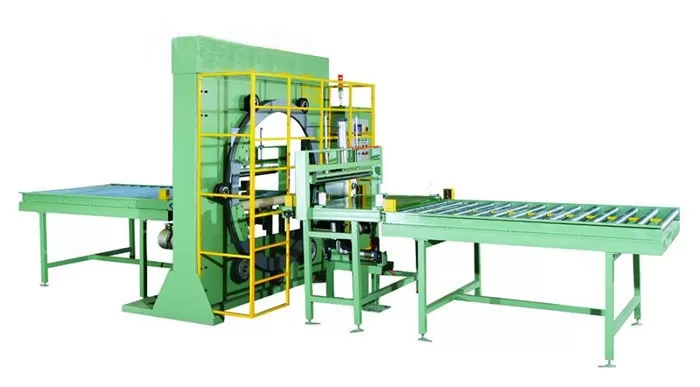
Horizontal orbital wrappers are more than just a piece of equipment. They are a strategic investment. They can solve many of the big problems I often see in metal processing plants. I know this because I have seen it happen in many factories.
Increasing Production Speed and Efficiency
Manual packing is slow. It takes a lot of people. It is also inconsistent. An orbital wrapper wraps items much faster. It does this automatically. This frees up your workers to do other tasks. It removes the bottleneck at the end of your production line. This means more products get out the door each day.
- Faster Wrapping Cycles: These machines wrap products in seconds. A person would take minutes to do the same job. This speed adds up over a shift.
- Reduced Labor Costs: One machine can do the work of several people. This means you need fewer workers for packing. It saves you money on wages and benefits over time.
- Consistent Packaging Quality: Machines wrap the same way every time. This means every package looks good and is secure. Manual wrapping can vary from person to person.
Improving Worker Safety
Safety is always a top concern. Moving heavy coils or wire bundles by hand is dangerous. Workers can suffer sprains, strains, or even more serious injuries. An orbital wrapper takes the heavy lifting out of the equation.
- Eliminates Manual Handling: Workers no longer need to lift or turn heavy items for wrapping. The machine handles the product. This greatly reduces the risk of accidents and injuries.
- Fewer Repetitive Strain Injuries: Manual wrapping involves repetitive motions. This can lead to injuries over time. The machine does these motions instead of your workers.
- Safer Work Environment: Less manual work with heavy items makes the whole factory floor safer. Your insurance costs can go down. Your workers will be happier and stay longer.
Protecting Products and Reducing Damage
Product damage costs money. If a steel coil gets scratched during packing, it might be a scrap. This cuts into your profits. It also leads to unhappy customers. Orbital wrappers protect products very well.
- Tight, Secure Wraps: The film goes around the product tightly. This protects edges and surfaces from scrapes and dents. It keeps dust and moisture out.
- Prevents Shifting During Transport: A tightly wrapped product does not move around inside its package. This prevents damage during shipping or internal movement.
- Reduces Customer Complaints: Fewer damaged products mean happier customers. Happy customers order again. This helps your business grow.
What Are the Essential Maintenance Practices for Orbital Wrappers?
Do you worry about machine breakdowns? Does downtime cost you a lot of money? Many factory managers have been burned by equipment that quits working at the worst time. A machine is only good if it runs when you need it. You need reliable equipment that can handle tough factory conditions. Poor maintenance can lead to big problems and unexpected repair bills.
Essential maintenance practices for orbital wrappers include regular cleaning, lubrication of moving parts, and systematic inspection of wear components. Following a preventive maintenance schedule keeps the machine running smoothly. This reduces unexpected breakdowns and extends the wrapper’s lifespan.

I have seen many machines perform well for years. I have also seen some break down too soon. The difference often comes down to maintenance. Good maintenance is not a cost. It is an investment. It ensures your machine delivers on its promise of efficiency and reliability.
Understanding Your Maintenance Needs
Every machine needs care. Orbital wrappers work in tough environments. They handle heavy products and run for many hours. This means they need regular attention. A good maintenance plan will keep your wrapper in top shape.
- Preventive Maintenance: This means doing work before something breaks. It includes daily, weekly, and monthly checks. This is the most important type of maintenance. It stops small problems from becoming big ones.
- Predictive Maintenance: This uses data to guess when parts might fail. Sensors can track vibrations or temperatures. This lets you replace parts just before they break. It means less unexpected downtime.
- Corrective Maintenance: This is fixing things after they break. It is usually more expensive. It also stops production. The goal is to do as little of this as possible.
Key Maintenance Tasks
There are specific things you must do to keep your orbital wrapper running well. These tasks are not complex. But they are very important.
- Regular Cleaning: Dust and debris can build up. This can hurt moving parts. Clean the machine daily. Pay attention to the wrapping ring, film carriage, and rollers.
- Lubrication: Moving parts need grease or oil. This reduces friction and wear. Follow the manufacturer’s guide for lubrication points. Do this weekly or monthly.
- Inspecting Wear Parts: Parts like belts, rollers, and cutting blades wear out over time. Check them often. Replace them when they show signs of wear. Do not wait for them to break.
- Checking Electrical Connections: Loose wires can cause problems. Check all electrical connections regularly. Make sure they are tight and clean.
- Film System Inspection: The film carriage, tensioning system, and cutting unit are vital. Make sure they work correctly. Adjust film tension as needed.
Importance of Training and Documentation
Your team needs to know how to maintain the machine. Good training helps prevent mistakes. Clear records of maintenance also help.
- Operator Training: Operators should know how to do daily checks and basic cleaning. They are the first line of defense.
- Maintenance Staff Training: Your maintenance team needs more in-depth training. They should understand the machine’s mechanics and electrical systems.
- Maintenance Log: Keep a detailed log of all maintenance activities. Record dates, tasks done, parts replaced, and any issues found. This helps you track the machine’s history. It also helps plan future maintenance.
How Can You Pick the Best Horizontal Orbital Wrapper for Your Needs?
Have you dealt with equipment suppliers who only care about making a sale? Do they offer poor after-sales service? This can make you very cautious about new partners. You want a supplier who understands your real challenges. You need solutions, not just machines. You seek an expert partner, someone like me who has built a factory and understands operations from the ground up.
Picking the best horizontal orbital wrapper requires looking beyond the initial price. It means evaluating your factory’s specific needs, production volume, product types, and available space. It also means choosing a supplier with a strong track record, excellent after-sales support, and a deep understanding of your industry problems.

I have walked in your shoes. I started as an employee in a packing machine factory. Then I built my own successful factory. I know what it means to make smart investments. I know what it means to rely on good partners. My experience taught me that the right machine, from the right supplier, can truly help a business grow.
Assessing Your Factory’s Specific Needs
Every factory is different. What works for one might not work for another. You need to look closely at your own operations.
- Product Dimensions and Weight: What are you wrapping? Coils? Wire bundles? Pipes? The machine must handle the size and weight of your products. This includes diameter, length, and overall weight.
- Production Volume: How many items do you need to wrap per hour or per day? This will tell you if you need a semi-automatic or a fully automatic system. A higher volume means you need a faster, more robust machine.
- Space Availability: How much space do you have on your factory floor? Orbital wrappers come in different sizes. Make sure the machine fits your layout. Consider the space needed for loading and unloading products.
- Existing Infrastructure: Do you have the right power supply? Can your current conveyors integrate with the new wrapper? Think about how the new machine will fit into your current production line.
Evaluating Supplier Reputation and Support
A machine is only as good as the company that stands behind it. I have seen too many companies buy cheap machines only to face huge problems later.
- Industry Experience: Does the supplier understand your industry? Do they know about metal processing, steel, or logistics? A supplier with specific industry knowledge can offer better solutions. Look for companies like FHOPEPACK that specialize in specific areas.
- After-Sales Service: What kind of support do they offer after the sale? Do they have spare parts available? Do they offer technical support and training? This is very important. You need someone reliable to call if something goes wrong.
- Installation and Training: Will the supplier help with installation? Do they provide training for your operators and maintenance staff? Proper setup and training are key to making the machine work well from day one.
- Customer References: Ask for references. Talk to other factory managers who have bought from this supplier. Their experience can tell you a lot about the company’s reliability and service.
Calculating Return on Investment (ROI)
Any investment must make sense financially. An orbital wrapper should save you money over time.
- Cost Savings: How much money will you save on labor? How much will you save from reduced product damage? These are direct savings.
- Increased Output: How much more product can you ship? This leads to more sales and profits.
- Safety Improvements: Safer workers mean lower insurance costs. They also mean less lost time due to injuries. This is a real financial benefit.
- Long-Term Reliability: A good machine, properly maintained, will last for many years. This means you get a good return on your investment over a long period. Do not just look at the upfront cost. Look at the total cost of ownership.
My Personal Insights and Why They Matter!
Are you looking for more than just a piece of equipment? Do you want a real partner who understands your challenges? Many suppliers only focus on selling. They miss the bigger picture. They do not truly grasp your production bottlenecks, safety risks, or the desire for lower costs. I have been there. I know what it means to build a factory from the ground up.
My journey in the packing machine industry has taught me that true partnership means understanding a client’s specific pain points and offering solutions that drive real business growth. At FHOPEPACK, we do not just sell machines. We share knowledge and expertise. Our goal is to help you achieve financial independence and grow your business, just as I did.

I started my career as an employee in a packing machine factory. I learned the business from the ground up. I saw how good machines could transform production. I also saw how poor choices could hurt a business. This experience pushed me to start my own factory. I faced all the challenges you face now: managing costs, increasing output, ensuring safety, and finding reliable suppliers.
The Value of Deep Industry Understanding
My background is not just theoretical. It is practical. I have been on the factory floor. I have overseen production lines. I have dealt with broken machines and unhappy clients. This hands-on experience gives me a different perspective.
- Empathy for Your Challenges: When you tell me about efficiency bottlenecks or safety risks, I genuinely understand. I have lived those problems. I know the pressure you are under.
- Practical Solutions: My solutions are not just textbook ideas. They come from years of solving real problems for real factories. I focus on what truly works.
- Beyond the Machine: For me, it is not just about the horizontal orbital wrapper itself. It is about how that wrapper fits into your entire operation. It is about how it helps your business grow.
Building Trust Through Shared Knowledge
I achieved financial independence because of the packing machine industry. I also helped many of my clients grow their businesses. Now, I want to give back. That is why FHOPEPACK is a knowledge-sharing platform.
- Open and Honest Advice: I will always give you direct, honest advice. I will tell you if a machine is right for you, or if something else might be better.
- Long-Term Partnerships: I am not looking for a one-time sale. I want to build a long-term relationship. I want to be the expert you turn to for all your packing machine needs.
- Your Success is My Success: When your factory becomes more efficient, safer, and more profitable, that is a win for me too. It means my knowledge and experience have made a real difference.
My Commitment to Your Growth
I believe in sharing my expertise. I want to help you avoid the mistakes I have seen others make. I want to help you make smart choices.
- Tailored Solutions: We do not offer one-size-fits-all solutions. We listen to your needs. We then suggest the best machine and strategy for your specific factory.
- Reliable Support: My team and I are here to support you. From choosing the machine to installation and maintenance, we stand by our products and our advice.
- Driving Your ROI: Every solution we offer focuses on clear returns. We want to help you reduce costs and boost your factory’s overall profitability.
Conclusion
Horizontal orbital wrappers offer big gains in factory performance, safety, and cost reduction. Proper maintenance ensures their long-term reliability. Choose a partner who truly understands your needs.







