
Horizontal Orbital Wrapper Comparison for Panel Products: Which Model Fits Your Budget and Needs?
Many factory managers like you face a big problem. You work hard to make your production line run smoothly. Then, you reach the very end, the packing stage. Here, things slow down. People lift heavy panels by hand. This is not only slow, but it is also very dangerous. Products can get damaged easily, too. This means lost money and unhappy customers. It often feels like a bottleneck you just cannot break.
A horizontal orbital wrapper can change this for your factory. These machines wrap panel products, like doors, boards, or metal sheets, in a fast and safe way. They use stretch film to protect items during shipping and storage. The right model offers a clear path to better safety, higher speed, and fewer damaged goods. It helps your business save money and grow.

You might be thinking, “How can one machine really fix all these problems?” I have seen it happen many times. I have been in this packing machine industry for a long time. I started as a factory employee. Then, I built my own successful packing machine business. I have helped many clients grow their operations. I understand the challenges you face. Let us look deeper at how these wrappers work and which one might be right for your factory.
What are the key types of Horizontal Orbital Wrappers for Panel Products?
Do you feel stuck with slow, old packing methods? Are your workers tired from wrapping large, heavy panels by hand? This old way slows down your whole factory. It makes your team less safe. It hurts your output and your profits. This problem is very real for many businesses.
Horizontal orbital wrappers are special machines. They wrap long products like panels or doors. A large ring spins film around the item as it moves through the machine. This creates a tight, protective wrap. There are several main types of these wrappers. Each type offers different features.
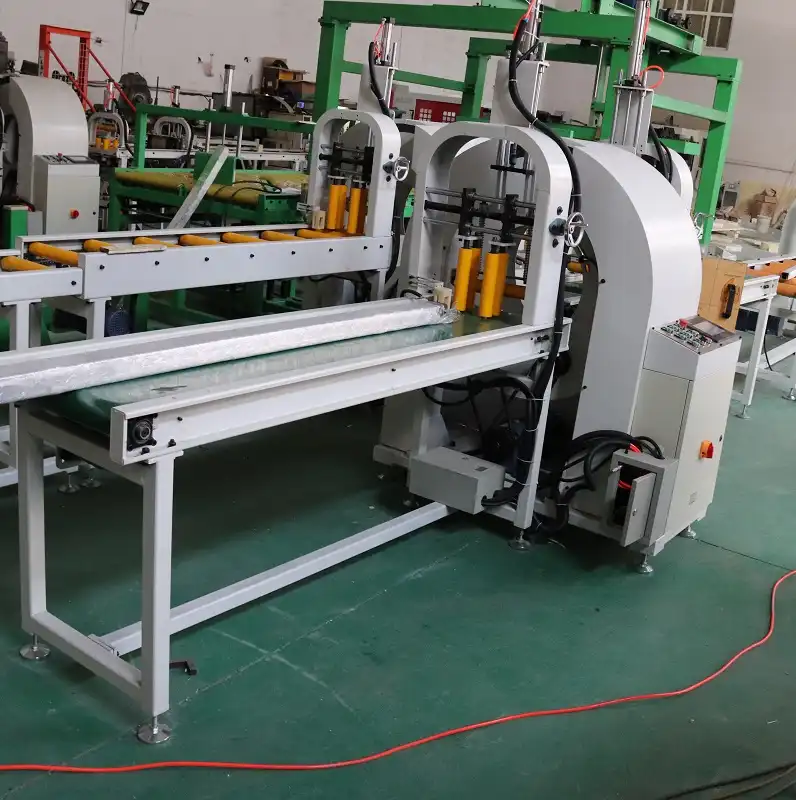
When I first started in the packing machine business, manual wrapping was everywhere. I saw how tiring and risky it was. I also saw how much product got damaged. This is why I became passionate about automated solutions. I knew there had to be a better way. I learned that different types of wrappers fit different needs. Understanding these differences is the first step to choosing well.
Understanding the Main Horizontal Orbital Wrapper Models
Choosing the right wrapper means knowing what each type offers. We usually see a few main categories: manual, semi-automatic, and fully automatic. Each one changes how much human effort is needed. They also change the speed and cost.
Manual Horizontal Orbital Wrappers
These are the simplest. A worker loads the panel onto a conveyor or table. They then start the wrapping process. The worker might need to cut the film and secure it. This type is good for very low volume packing. It is also good for companies that have a tight budget. However, it still needs a lot of labor. It does not solve the safety issue of lifting heavy items. It does not greatly increase speed. For a busy factory like Michael Chen’s, this might not be enough. It keeps many of the old problems.
Semi-Automatic Horizontal Orbital Wrappers
These machines do most of the wrapping work. A worker loads the panel. The machine then wraps it automatically. It cuts the film at the end. The worker still loads and unloads the product. This type offers a good balance. It is faster than manual wrapping. It makes the wrapping process safer. It needs less labor. It is often a popular choice for medium-sized factories. It helps improve efficiency without a huge upfront cost. I have helped many clients upgrade to semi-automatic systems. They often see an immediate improvement in their packing speed. They also see fewer worker injuries.
Fully Automatic Horizontal Orbital Wrappers
These are the most advanced systems. Panels move into the machine automatically. The machine wraps them. It then moves them out. No human touch is needed during the wrapping cycle. These systems are often part of a larger production line. They include automatic conveyors. They might also have auto stacking or labeling. Fully automatic wrappers offer the highest speed. They give the best safety. They need the least amount of labor. They are ideal for high-volume operations. They are perfect for big factories that want to cut costs a lot. They do require a bigger investment at first. But the long-term savings are often very high. When I designed packing lines for my own factory, I always aimed for as much automation as possible. This is because I saw the huge gains in output and the drop in labor costs.
Comparison Table: Horizontal Orbital Wrapper Types
| Feature | Manual Wrapper | Semi-Automatic Wrapper | Fully Automatic Wrapper |
|---|---|---|---|
| Automation Level | Low (High operator involvement) | Medium (Operator loads/unloads) | High (No operator involvement) |
| Wrapping Speed | Slow | Medium | Fast |
| Labor Requirement | High | Medium | Low |
| Safety Improvement | Minimal (Still heavy lifting) | Moderate (Less manual handling) | High (Minimal human interaction) |
| Product Protection | Depends on operator skill | Consistent | Consistent |
| Initial Investment | Low | Medium | High |
| Ideal For | Very low volume, tight budget | Medium volume, balanced needs | High volume, maximum efficiency |
| Common Application | Small workshops, occasional packing | Diverse panel manufacturing plants | Large-scale production lines |
Choosing the right type depends on your factory’s specific needs. Think about your current production volume. Think about your budget. Think about your future growth plans.
How do Horizontal Orbital Wrappers enhance safety and protect your panel products?
Are your workers getting hurt lifting heavy panels? Is your factory losing money because products get damaged before they even leave? These are big problems that many managers face every day. Manual packing methods are a major cause of these issues. They are slow, risky, and they often lead to mistakes.
Horizontal orbital wrappers are a great solution for these problems. These machines make the packing process much safer. They also do a much better job of protecting your products. They reduce the need for workers to handle heavy items. This lowers the risk of injury. They also wrap items tightly. This keeps panels safe from damage during movement and shipping.

I have seen countless factories struggle with worker injuries. I have also seen too much product thrown away due to damage. When I started my own packing machine factory, safety and product integrity were top priorities. I knew that if we could build machines that made packing safer and more secure, we would truly help our clients. This thinking helped me create solutions that directly solved these pains for businesses.
The Clear Safety Benefits of Automated Wrapping
Safety in the workplace is not just about rules. It is about how you do your work every day. Manual packing of large panels is full of risks. Workers lift, twist, and carry heavy loads. This can lead to back injuries, strained muscles, and even broken bones. An automated wrapper takes this heavy work away from your people.
Reducing Manual Lifting and Handling
The biggest safety gain comes from removing manual labor. Horizontal orbital wrappers use conveyors. They use loading and unloading systems. These systems move the panels into and out of the machine. Workers no longer need to lift heavy panels onto a table. They do not need to walk around a panel wrapping it by hand. This cuts down the risk of injuries caused by strain or dropping heavy items. For a factory manager like Michael Chen, this means fewer worker compensation claims. It also means lower insurance costs. Most importantly, it means a healthier, happier workforce.
Creating a Safer Work Environment
Beyond lifting, the work area itself becomes safer. With automated systems, there are clear work zones. Workers do not need to be in close contact with moving parts. Modern wrappers have safety features. These include emergency stop buttons, safety light curtains, and protective barriers. These features prevent accidents. They keep operators safe from the machine’s moving parts. By investing in these machines, you show your workers that you care about their well-being. This can boost morale. It can also reduce employee turnover. My own factory always prioritized safety in machine design. I believe a safe worker is a productive worker.
How Wrappers Protect Your Valuable Panel Products
Product damage is a silent killer of profits. Scratches, dents, or broken edges on panels mean rework, returns, and unhappy customers. A good horizontal orbital wrapper helps stop this.
Consistent and Secure Wrapping
Manual wrapping often leads to inconsistent results. One worker might wrap too loosely. Another might miss a spot. This leaves parts of the product unprotected. Automated wrappers apply stretch film with consistent tension. They cover the entire product evenly. This creates a tight, secure package. This consistent wrap protects panels from dust, moisture, and minor impacts during transport. It helps keep the product in perfect condition until it reaches your customer.
Edge and Surface Protection
Panel products, especially those made of metal or wood, are sensitive to edge damage. A small bump can ruin an entire panel. Horizontal orbital wrappers can apply film layers that reinforce edges. They can also use specialized film for extra protection. Some machines can even apply padding or corner protectors before wrapping. This multi-layer protection reduces the chance of scratches. It prevents dents. It helps avoid chipping during stacking and movement. This means fewer customer complaints. It means less money lost on damaged goods. This goes straight to your bottom line. I have seen clients save thousands of dollars a month just by cutting down product damage with a good wrapping system.
How to choose the right Horizontal Orbital Wrapper based on your budget and ROI goals?
Are you worried about spending too much money on new equipment? Do you need to show clear value for any new investment? This is a common concern for factory managers. You want solutions that work. You also need them to make financial sense. Investing in a new machine is a big decision. You need to know it will pay you back.
Choosing a horizontal orbital wrapper is not just about the machine’s features. It is also about its cost. It is about how much money it will save or make for you. This is called Return on Investment (ROI). The right wrapper balances initial cost with long-term benefits. You want a machine that fits your budget now. You also want one that brings real value over time.
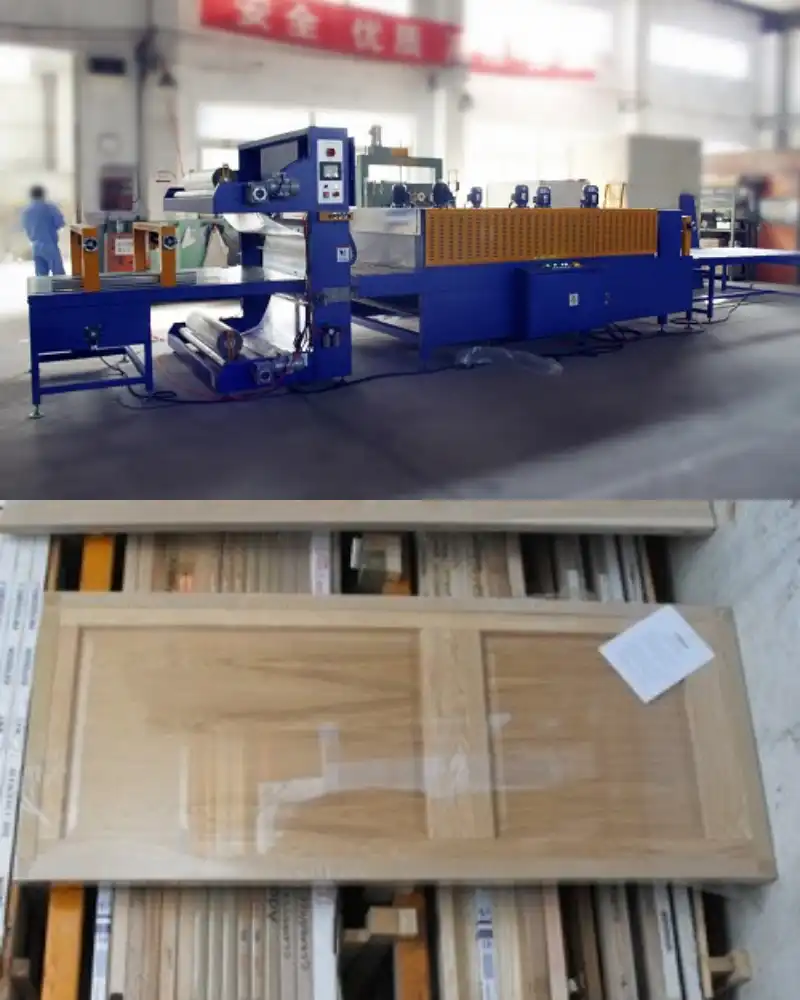
When I built my own packing machine factory, I learned a lot about smart investments. I did not just buy the cheapest machine. I looked for the one that would give me the best return. I considered how it would cut my labor costs. I also looked at how it would reduce product damage. I saw how it would speed up my output. These were the real savings that made the investment worth it. I help my clients think this way too.
Breaking Down the Costs and Savings
Understanding the financial side of a horizontal orbital wrapper means looking at all the numbers. This includes the price of the machine. It also includes how much money it will save you.
Initial Investment Costs
The upfront cost of a horizontal orbital wrapper can vary a lot. Manual systems are the cheapest. Semi-automatic models are in the middle. Fully automatic lines are the most expensive. The price also changes with features. A larger wrapping ring costs more. Special film pre-stretch systems add to the price. Stronger build materials for heavy-duty use will also cost more. It is important to get a clear quote for the specific model you need. Do not forget costs for installation and training, too. These are part of the initial investment.
Operational Savings (The ROI Drivers)
The real value of a wrapper comes from what it saves you every day.
- Labor Cost Reduction: This is often the biggest saving. An automated wrapper can do the work of several people. You can reassign these workers to other tasks. Or, you can reduce your labor force. This cuts down on wages, benefits, and training costs. For example, if a semi-automatic machine saves you one full-time worker, that is a huge saving over a year.
- Reduced Product Damage: Fewer damaged panels mean fewer rejects. It means fewer returns. It means happier customers. This directly increases your profit margins. If you save even a small percentage of your product from damage, it adds up fast. I have seen businesses improve their yield by 2-5% just by improving packing.
- Increased Throughput: A faster packing line means you can produce and ship more products. This leads to higher sales and more revenue. If your packing is a bottleneck, fixing it can unlock your entire factory’s potential.
- Lower Insurance Costs: Fewer worker injuries can lead to lower worker compensation claims. This can reduce your factory’s insurance premiums over time. It is a long-term benefit that adds to your savings.
- Material Savings (Film Efficiency): Many modern wrappers have “pre-stretch” systems. These systems stretch the film before it goes onto the product. This means you use less film for each wrap. This saves you money on consumables. It also reduces waste.
Calculating Your Return on Investment (ROI)
To figure out if a wrapper is worth it, you need to calculate its ROI.Simple ROI Formula: (Total Savings per Year - Annual Cost of Wrapper) / Initial Investment Cost * 100%
Let us say a wrapper costs $50,000. It saves you $30,000 per year in labor, $10,000 in damaged goods, and $5,000 in film. Total savings are $45,000. If the annual cost to run the machine (power, maintenance) is $5,000, your net savings are $40,000.($40,000 / $50,000) * 100% = 80% ROI in the first year.
This means the machine pays for itself in just over a year. After that, it is pure profit.
When Michael Chen considers his options, he needs to look at these numbers closely. I always advise clients to map out their current costs. Then, estimate the savings. This gives a clear picture of how quickly the investment will pay off. For example, if he is losing thousands monthly to product damage or high labor for packing, the ROI could be very quick.
Finding the Right Partner: What to Look for in a Horizontal Orbital Wrapper Supplier?
Have you ever bought a machine, only to find the supplier disappears after the sale? This leads to frustration. It leads to lost production time. It makes you feel cheated. Many factory managers have faced this problem. They end up with a machine but no real support.
Finding a good supplier for your horizontal orbital wrapper is just as important as choosing the machine itself. You need a partner who understands your business. You need someone who offers good support after you buy. This means reliable technical help. It means easy access to spare parts. It also means they truly listen to your needs.

My own journey in this industry taught me a lot about partnerships. I started as an employee. Then, I became a factory owner. I learned that trust is everything. I also learned that good support means happy clients. This is why FHOPEPACK focuses on being a knowledge-sharing platform. We want to help you make smart choices. We want to be a partner, not just a seller.
Key Qualities of a Reliable Wrapper Supplier
When Michael Chen looks for a supplier, he needs to look beyond the price tag. He needs to find a company that shows these qualities.
Deep Industry Knowledge and Expertise
A good supplier knows more than just their machines. They understand your industry. They know the challenges you face every day. They know about metal processing. They understand heavy manufacturing. They can talk about your specific problems, like handling large panels or fragile edges. They should be able to offer solutions, not just products. I have spent years solving packing problems for clients in different sectors. This experience allows me to really understand what a client needs, not just what they ask for. This kind of deep knowledge helps them guide you to the right solution. They can help you avoid costly mistakes.
Strong After-Sales Support
This is where many suppliers fail. You need a supplier who offers:
- Technical Support: Can you call them when your machine has a problem? Do they have skilled technicians who can help over the phone or come to your factory?
- Spare Parts Availability: Machines need parts over time. Can you get these parts quickly? Delays in parts mean your machine is down. This means lost production. A good supplier keeps common parts in stock.
- Training: Do they offer training for your operators and maintenance staff? Proper training helps your team use the machine safely and efficiently. It also helps them troubleshoot small issues. A supplier with good after-sales support builds a long-term relationship. They do not just sell you a machine and walk away.
Customization and Problem-Solving Capabilities
Your factory might have unique needs. Maybe your panels are extra long. Maybe they are very heavy. A good supplier can customize a machine to fit your specific situation. They do not just offer standard models. They listen to your specific bottlenecks. They then suggest tailored solutions. This shows they are truly a partner. They are focused on solving your problems. They are not just pushing a product. For Michael Chen, who needs a partner who understands his production bottlenecks and safety concerns, this is crucial.
Positive Reputation and Testimonials
Look for what other customers say. Do they speak highly of the supplier? Do they talk about good experiences? Check their website for case studies. Ask for references. A supplier with a proven track record is more likely to give you a good experience. This builds trust. I always tell people to check our website and see the projects we have completed. This gives new clients confidence.
Choosing the right wrapper is an investment. Choosing the right partner makes sure that investment pays off. It helps you avoid the supplier trust crisis that Michael Chen experienced before.
Conclusion
Horizontal orbital wrappers are a smart investment for panel product factories. They boost safety, cut costs, and increase efficiency. Choose the right type and a trustworthy supplier for big gains.








