
High-Precision Hydraulic Upender for Tooling Molds in Japan?
The demands on modern factories are always increasing. If you are like Michael, a factory manager in heavy industry, you know the daily struggle. You need to boost output, cut costs, and keep workers safe. I have seen countless operations face these very same pressures. Many factories still rely on old, manual ways to handle heavy items like tooling molds. This leads to slow work, safety risks, and expensive damage. The question is, how do you fix this while keeping up with the high standards expected in places like Japan?
High-precision hydraulic upenders are specialized machines. They safely and accurately rotate heavy loads, like large tooling molds, from one orientation to another. In Japan’s advanced manufacturing sector, these machines are vital for improving safety, reducing product damage, and boosting production efficiency, directly addressing the challenges of manual handling and ensuring operational excellence.
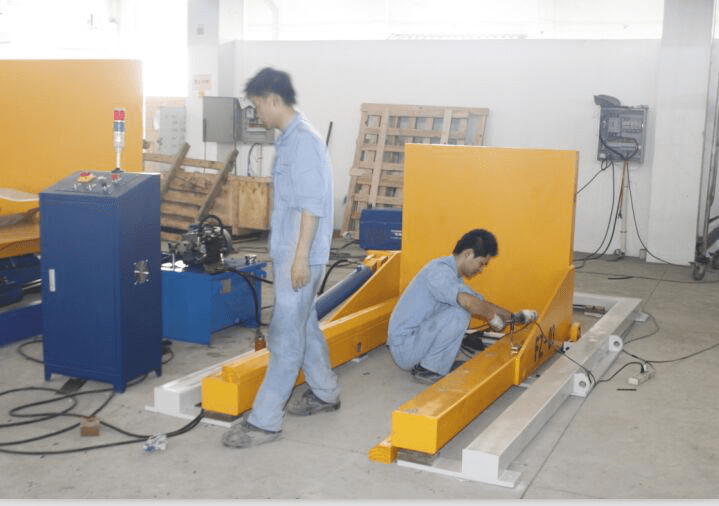
I understand the challenges you face. I have walked those factory floors myself. The need for precise, safe, and efficient handling of heavy tooling molds is clear. Let’s look deeper into how hydraulic upenders can change your operations and give you the edge you need.
1. Why Are High-Precision Hydraulic Upenders Essential for Tooling Molds in Japan?
Are you still moving heavy tooling molds by hand or with old methods? If so, you are likely experiencing severe bottlenecks and serious safety risks. I have seen how manual handling of large, costly molds leads to injuries and production halts. In Japan, where precision and safety are paramount, such practices are simply not sustainable.
High-precision hydraulic upenders are essential for tooling molds because they eliminate the need for dangerous manual manipulation of heavy components. This directly addresses critical safety concerns, prevents costly damage to expensive molds during orientation changes, and significantly speeds up workflow, which is crucial for the high-efficiency demands of Japanese manufacturing.
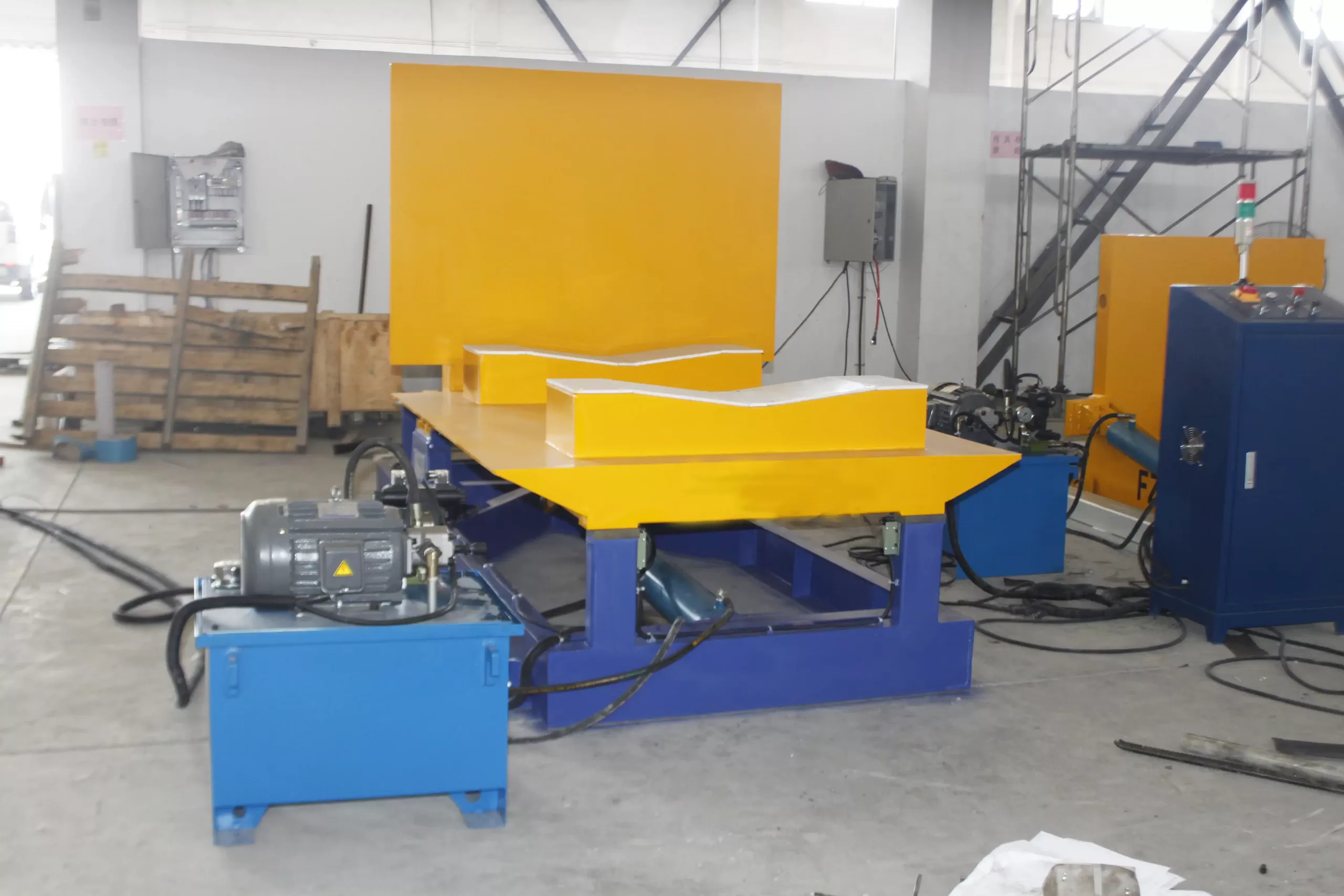
From my own journey, working in packing machine factories and building FHOPEPACK, I saw firsthand the dangers. I saw workers get hurt. I saw valuable products get damaged. This motivated me to find better solutions. For factories handling tooling molds, especially in demanding environments like Japan, the need for safe and precise equipment is not just an advantage; it is a necessity. Tooling molds are often very heavy and have complex shapes. Moving them safely from a horizontal to a vertical position, or vice versa, requires exact control. Any slight error can lead to:
The Real Costs of Manual Mold Handling
- Worker Injuries: Lifting and turning heavy molds by hand causes back injuries, crushing accidents, and other serious harm. This leads to higher insurance costs and lost workdays.
- Mold Damage: Even minor impacts or drops can damage critical surfaces of a mold. This results in expensive repairs, delays, and scrapped products. In industries that rely on high-precision output, like those in Japan, mold integrity is non-negotiable.
- Slow Production: Manual processes are slow. Each mold change can take a long time, leading to production bottlenecks and missed deadlines. This limits your factory’s overall output.
- Inconsistent Quality: Manual handling lacks the repeatable precision of a machine. This can affect the quality of your finished products if the mold is not perfectly aligned for the next process.
Investing in a high-precision hydraulic upender directly solves these problems. It ensures that your valuable tooling molds are handled with the care they require. This improves worker safety, protects your assets, and keeps your production line running smoothly. It is a smart move for any factory manager looking to improve their operations. (Heavy mold handling, Japanese manufacturing safety, precision tooling protection)
2. How Do Hydraulic Upenders Achieve High-Precision Handling for Your Molds?
You might wonder how a machine can be so precise with something as heavy and delicate as a tooling mold. The secret lies in its engineering and design. Many factory managers are skeptical until they see the technology in action.
Hydraulic upenders achieve high-precision handling through robust hydraulic systems, precise electronic controls, and heavy-duty construction. These machines use smooth, controlled movements to rotate molds. They eliminate sudden jolts or impacts common in manual methods, ensuring exact positioning and preventing damage to critical mold components during orientation changes.
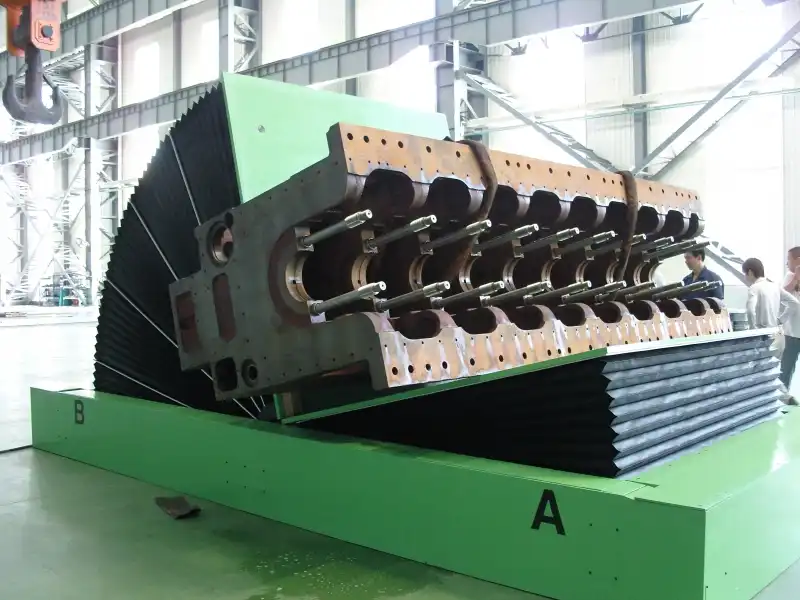
At FHOPEPACK, we understand that precision is not just a buzzword. It is a critical factor for success. High-precision hydraulic upenders are built with several key features that allow them to handle molds with extreme care. These features work together to provide unmatched control and safety.
Key Technologies for Unmatched Mold Precision
- Powerful Hydraulic Cylinders: These are the muscles of the upender. They provide smooth, consistent force for rotation. This prevents jerky movements that could damage a mold. The hydraulic system allows for fine speed adjustments, letting operators control the rotation down to a millimeter.
- Advanced Control Systems: Modern upenders use PLC (Programmable Logic Controller) systems. These digital brains allow for pre-programmed rotation angles and speeds. Operators can select a specific mold type, and the machine will perform the exact rotation needed every time. This removes human error from the equation.
- Sturdy Frame and Base: A strong, stable frame is vital. It must hold the mold securely during the entire rotation cycle. High-grade steel construction and careful balancing ensure there is no wobbling or instability, even with very heavy loads.
- Secure Clamping Mechanisms: Molds need to be held firmly in place before and during rotation. Upenders use adjustable clamps or specialized cradles that fit various mold sizes. This prevents any shifting or sliding that could lead to damage.
- Safety Interlocks and Sensors: These systems ensure the upender operates only when safe. Sensors detect if the mold is properly loaded and if the area is clear. Emergency stop buttons are standard. This layers safety into every step of the process.
This combination of mechanical strength, hydraulic control, and intelligent electronics means that a high-precision hydraulic upender can handle your most valuable tooling molds with complete confidence. It moves them exactly how they need to be moved. This level of precision is something manual labor simply cannot achieve. (Hydraulic upender technology, mold handling precision, automated mold rotation)
3. What Specific Advantages Do Japanese Factories Gain with Advanced Mold Upenders?
When I talk to factory managers like Michael, they always want to know the bottom line. What real, tangible benefits will this investment bring? For Japanese factories, known for their high standards and efficiency, the advantages are even more significant.
Japanese factories gain substantial benefits from advanced mold upenders, including dramatically improved worker safety by eliminating manual heavy lifting, significant reductions in expensive mold damage, faster production cycle times through automation, and a strong return on investment (ROI) from reduced labor and repair costs. These advantages directly support Japan’s focus on quality, efficiency, and worker well-being.

My experience has shown me that true value comes from solving multiple problems at once. An advanced hydraulic upender does just that. It touches on every key area of factory operations.
Major Gains for Your Factory’s Performance:
- Safety First! 👷♀️:
- Zero Manual Lifting: Workers no longer handle heavy, awkward molds by hand. This drastically reduces injuries from strains, drops, or crushing.
- Controlled Environment: The machine does the dangerous work. Workers operate it from a safe distance, minimizing risks.
- Compliance: Meets stringent safety regulations, which is very important in Japan.
- Boosted Efficiency & Throughput 🚀:
- Faster Operations: Automated rotation is much quicker and more consistent than manual methods. This speeds up overall production flow.
- Reduced Downtime: Less time spent struggling with mold orientation means more time for actual production.
- Consistent Cycle Times: Predictable mold handling allows for better planning and scheduling across your production line.
- Cost Savings & ROI 💰:
- Lower Labor Costs: Fewer workers are needed for the dangerous task of mold turning.
- Less Product Loss: Prevents damage to costly molds, eliminating expensive repairs or replacements.
- Reduced Insurance Premiums: Fewer accidents lead to lower workers’ compensation claims and insurance rates.
- Clear ROI: The savings from safety, efficiency, and reduced damage quickly pay back the initial investment. I often help clients calculate this directly.
- Enhanced Product Quality 💎:
- Precision Handling: Ensures molds are always positioned perfectly, which can improve the quality of the parts they produce.
- Eliminate Imperfections: Prevents nicks or scratches that could affect the mold’s performance and the final product’s finish.








