

High-Efficiency Automatic Coil Packing Machines in Brazil: A Game Changer for Your Factory?
In the fast-paced world of heavy manufacturing, especially within Brazil’s thriving industrial landscape, bottlenecks can cripple production and eat into profits. I’ve seen it firsthand, from my early days on the factory floor to building FHOPEPACK into a leader in packing solutions. Many factory managers, just like Jose, wrestle with outdated packing processes that drain resources, compromise safety, and slow down the entire operation. This isn’t just about moving products; it’s about optimizing every step of your value chain to stay competitive. (Brazilian industrial packing, manufacturing efficiency)
High-efficiency automatic coil packing machines are revolutionizing operations in Brazil by significantly boosting output, enhancing worker safety, and cutting down on product damage. These advanced systems replace manual, labor-intensive tasks with precise, high-speed automation, making them a vital investment for any Brazilian factory aiming to achieve peak performance and maintain a competitive edge in global markets. They address critical challenges like slow processing times and high labor costs, ensuring a stronger return on investment.
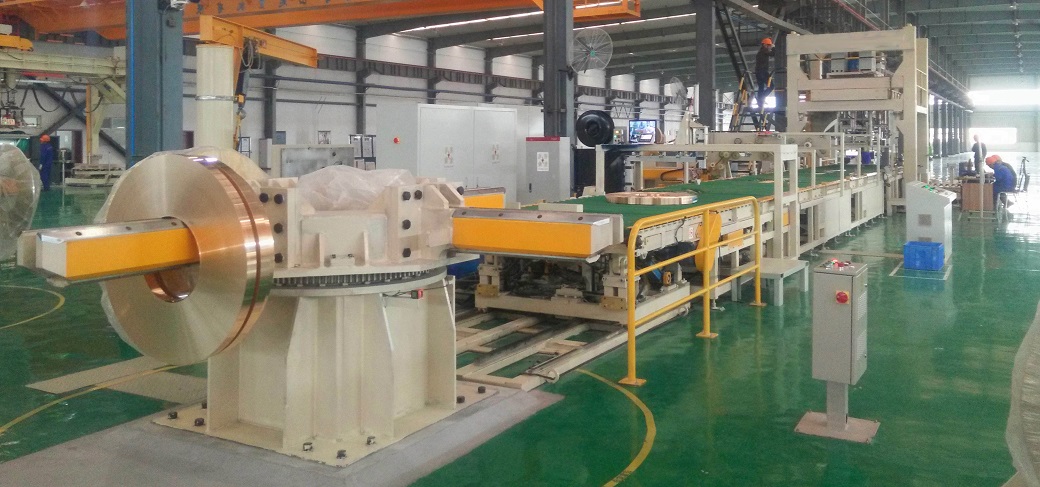

It is clear that the path to a truly optimized factory floor involves embracing smart automation. But what does this really mean for your specific operation in Brazil? And how can you ensure that an investment in new packing technology translates into tangible benefits for your business? Let’s dive deeper into the solutions that are transforming the Brazilian manufacturing sector. (Brazil factory automation, coil packing technology)
1. How Can Automatic Coil Packing Machines Revolutionize Brazilian Steel Factories?
Are your current packing processes holding back your entire production line? I understand the pressure. Manual packing, especially with heavy steel coils or wire, is not only slow but also incredibly risky for your team. This creates an efficiency bottleneck that can undermine all the hard work put into upstream processes. (steel coil packing automation, Brazilian manufacturing challenges)
Automatic coil packing machines revolutionize Brazilian steel factories by eliminating manual labor from the most strenuous and time-consuming packing stages. This significantly increases throughput, as machines operate at consistent speeds and can handle high volumes without fatigue. They streamline the entire end-of-line process, from wrapping and banding to stacking, directly addressing efficiency bottlenecks and allowing factories to meet tighter deadlines and higher production targets with ease. My own journey showed me that automation is the key to unlocking true operational potential.
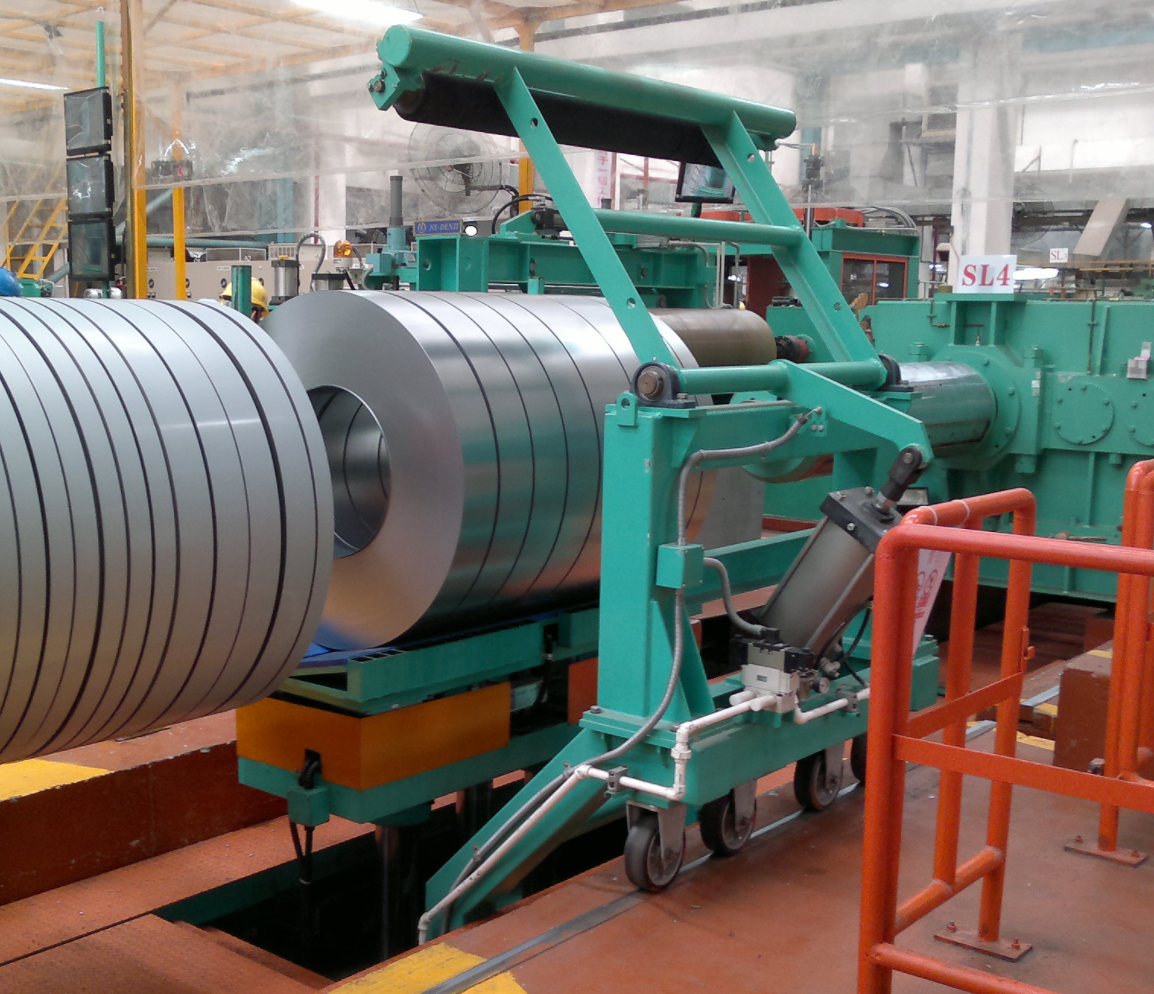

When I first started in the packing machine industry, I saw many operations struggling with these exact issues. The demand for steel and other heavy products in Brazil is constantly growing. Relying on outdated methods just isn’t sustainable. Modern automation brings a level of consistency and speed that human labor cannot match, especially in demanding environments like a metal processing plant. This is about more than just speed; it’s about transforming the entire operational model.
⚙️ The Core Pillars of Transformation
Automatic packing machines introduce fundamental shifts across several key areas:
- Enhanced Speed and Throughput:
- Before Automation: Manual processes often involve multiple workers, each performing a step, leading to varying speeds and potential delays. A single coil might take several minutes to pack.
- After Automation: Machines can pack coils in a fraction of the time, often under a minute per coil, depending on the specifications. They operate continuously without breaks, significantly boosting daily output. This speed is critical for factories facing high demand in Brazil.
- Impact: Reduces lead times, increases overall factory capacity, and enables businesses to take on more orders.
- Unparalleled Consistency and Quality:
- Before Automation: Human error is inevitable. Wraps might be loose, banding inconsistent, or labels misplaced. This can lead to product damage during transport.
- After Automation: Machines apply consistent tension, precise wrapping patterns, and accurate labeling every time. This uniformity protects products better and enhances brand image.
- Impact: Fewer customer complaints, reduced product rework, and higher customer satisfaction. This is crucial for maintaining a strong reputation in the competitive Brazilian market.
- Reduced Labor Dependency:
- Before Automation: Heavy reliance on a large workforce for strenuous and repetitive tasks, leading to high labor costs and potential staffing shortages.
- After Automation: A few operators can manage multiple machines, shifting human resources to more skilled roles like maintenance or quality control. This mitigates risks associated with labor availability and turnover.
- Impact: Lower operational costs, better resource allocation, and a more stable workforce.












