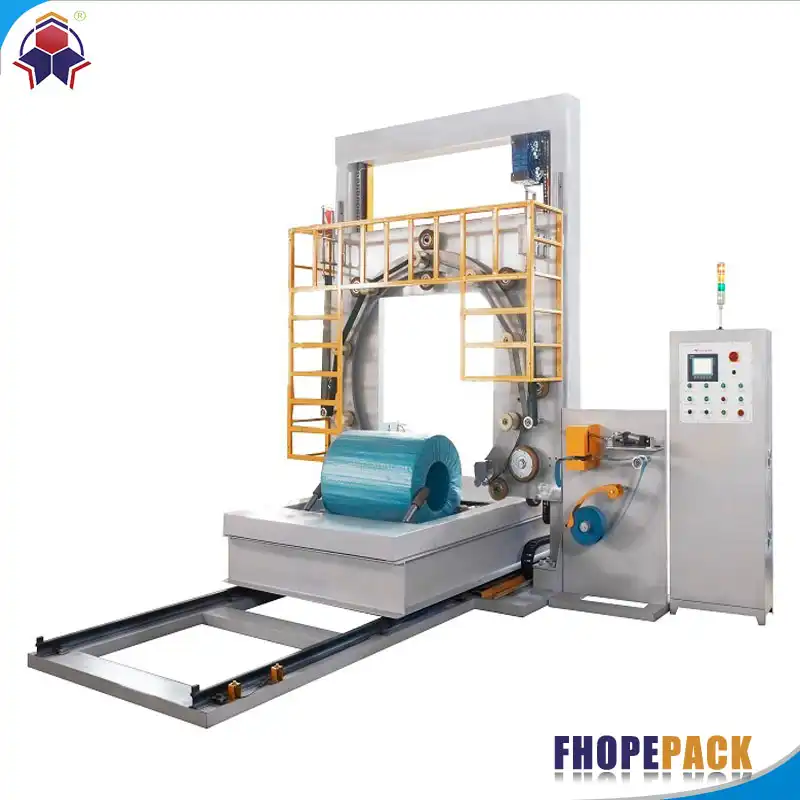
Growing Demand for Lightweight Composite Coil Films
The global demand for lightweight composite coil films is rapidly increasing, driven by the aerospace and automotive industries’ relentless pursuit of fuel efficiency and performance enhancement. These advanced materials, especially epoxy resin films, offer exceptional strength-to-weight ratios and critical functionalities like lightning strike protection, making them indispensable in modern engineering. The landscape of material science is undergoing a significant transformation, with lightweight composite coil films emerging as a pivotal technology across diverse industries. Fueled by the aerospace and automotive sectors’ ever-pressing need for enhanced fuel efficiency and superior performance, the demand for these advanced materials is experiencing unprecedented growth. Composite coil films, engineered by combining materials to achieve superior properties, are not just replacing traditional heavy materials; they are redefining industry standards and enabling previously unattainable design possibilities.
Market Expansion Driven by High-Performance Material Needs
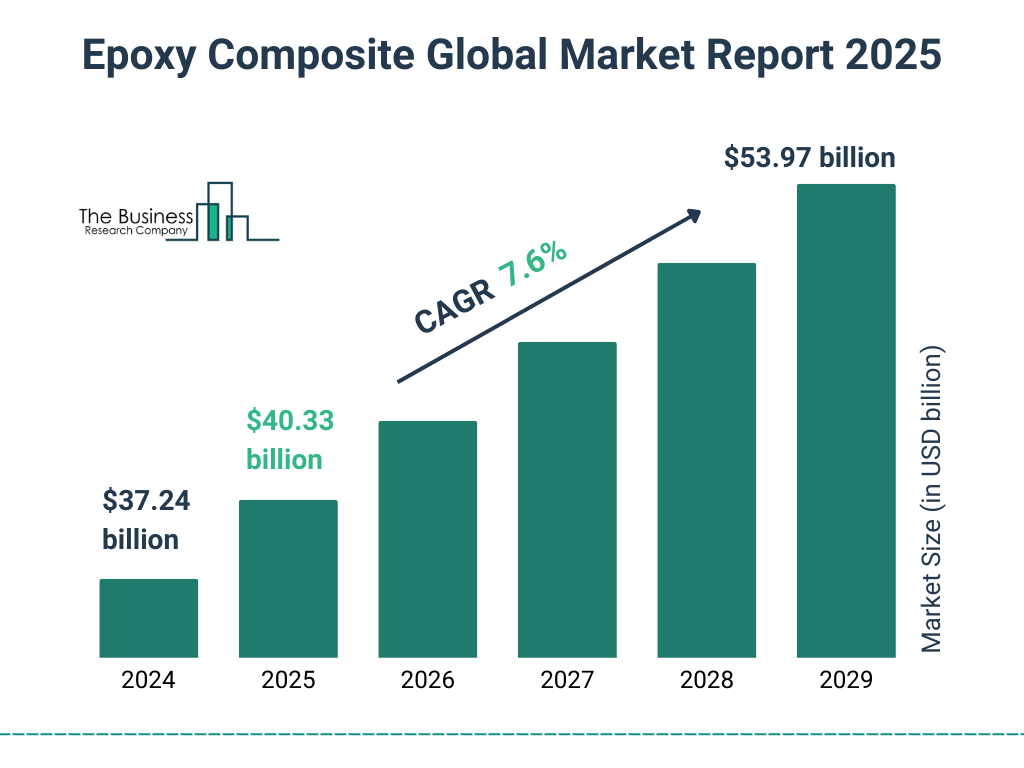
| The numbers speak volumes about this burgeoning market. According to recent market analysis, the global composite film market is projected to surge from USD 245 million in 2020 to USD 328 million by 2025, exhibiting a robust Compound Annual Growth Rate (CAGR) of 6.0%. This impressive growth trajectory is a direct consequence of the escalating demand for high-performance materials worldwide. | Market Data | 2020 Value (USD Million) | 2025 Projected Value (USD Million) | CAGR (2020-2025) |
|---|---|---|---|---|
| Composite Film Market | 245 | 328 | 6.0% |
This expansion is not just about volume; it’s about value. The inherent properties of composite films—lightweight nature coupled with exceptional strength and durability—make them invaluable in sectors where performance is paramount.
Epoxy Resin Films: Leading the Charge
Within the composite film market, epoxy resin films stand out as a dominant force. Consistently holding a significant market share in terms of both value and volume, epoxy resin films are the materials of choice for demanding applications. Their widespread adoption can be attributed to a compelling combination of physical and mechanical attributes:
- Superior Strength: Epoxy films provide exceptional structural integrity.
- Durability: They withstand harsh conditions and maintain performance over time.
- Flexibility: Adaptable to complex designs and applications.
- Stability: Resistant to chemical and environmental degradation.

- Lightweight: Crucially, they significantly reduce weight compared to traditional materials.
These properties make epoxy resin films particularly attractive to the aerospace & defense and automotive industries, sectors at the forefront of materials innovation.
Autoclave Curing: The Preferred Method for High-Value Composites
The manufacturing process of composite films is just as critical as the materials themselves. Autoclave curing has emerged as a dominant technique, particularly in applications demanding the highest quality. This method is expected to maintain a major market share due to its ability to produce high-value composite films with superior characteristics. The aerospace industry, with its stringent performance and safety requirements, heavily relies on autoclave curing. This process ensures the creation of components with exceptional strength-to-weight ratios, essential for aircraft performance and fuel efficiency. The growth in the aerospace sector directly fuels the demand for autoclave-cured composite films.
Functionality Beyond Structure: Lightning Strike Protection
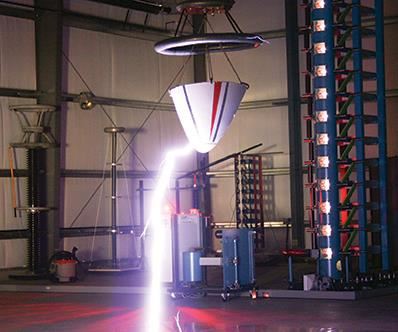
Composite films are not just about structural enhancement; they also offer critical functionalities. Among these, lightning strike protection is paramount, especially in aerospace applications. This function is projected to hold a major share of the composite film market, reinforcing its critical role in ensuring safety and reliability in demanding environments. The composite film market is segmented by function, including:
- Lightning Strike Protection: Safeguarding structures from electrical damage.
- Surface Protection: Enhancing durability and resistance to wear and tear.
- Other Functions: Including thermocycle resistance and moisture ingress resistance, further extending the lifespan and performance of composite components.
The dominance of lightning strike protection functionality in the market underscores the aerospace & defense industry’s significant influence on composite film development and application.
Aerospace & Defense: The Primary End-Use Industry

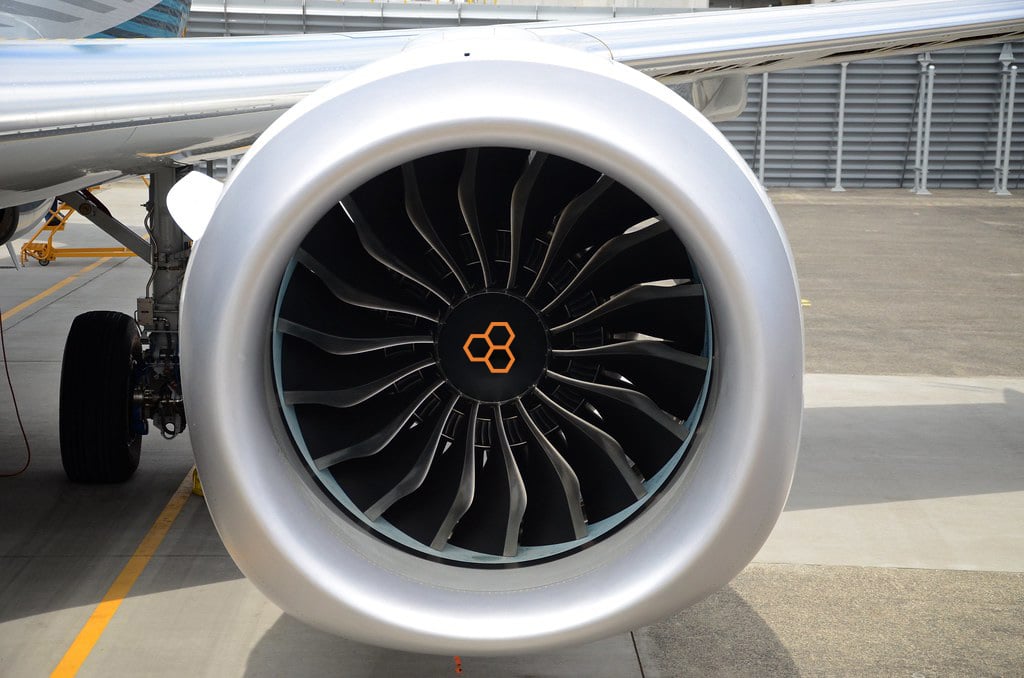
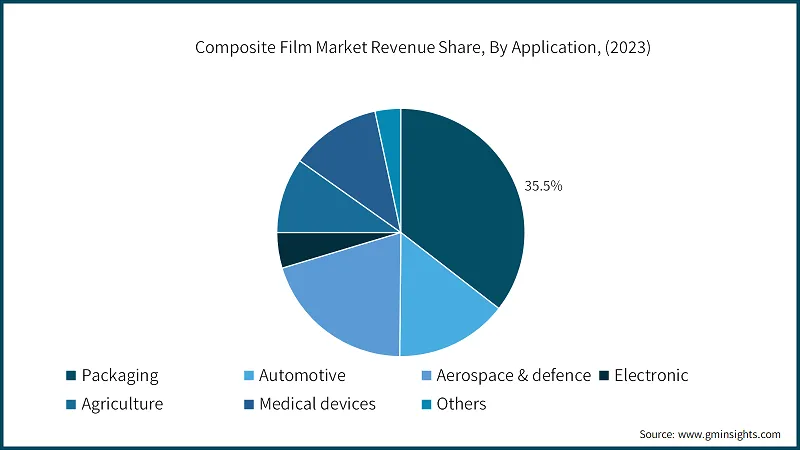
Looking at end-use industries, aerospace & defense unequivocally leads the way. This sector is the largest consumer of composite films, driven by the relentless pursuit of weight reduction and performance improvement in aircraft design. The superior strength-to-weight ratio of composite materials compared to traditional materials like steel and aluminum is a game-changer for aerospace engineering. Reducing structural weight is critical for fuel efficiency, range, and overall aircraft performance. Composite films in aircraft not only contribute to lightweighting but also provide high tensile strength and essential protection against lightning strikes. Modern commercial aircraft, such as the Boeing 787 and Airbus 350, exemplify this trend. These aircraft heavily rely on carbon fiber composites for their airframe structures, with composites constituting approximately 50% of the aircraft’s materials. This extensive use of composites directly translates to an increased demand for high-performance composite films.
Regional Market Dynamics: North America Leads, Asia-Pacific Rapid Growth
Geographically, North America currently holds the largest share of the composite film market. This dominance is attributed to several factors:
- Strong Economies: The US and Canada boast robust economies driving industrial growth.
- Presence of Key Players: Major composite material manufacturers are based in North America.
-
Expanding Industries: Aerospace & defense and automotive sectors are significant drivers in the region. Within North America, the United States is projected to experience the fastest growth. Its large economy and rapidly expanding automotive and aerospace industries make it the largest market for composite films in the region. However, Asia Pacific is emerging as a high-growth region, poised to significantly impact the global market in the coming years. While the provided material does not give specific APAC market share data for composite films, the broader global composites market illustrates APAC’s overall dominance: Global Composites Market (2022) Regional Share Asia Pacific 46.0% North America (Data not specified in provided materials) Europe (Data not specified in provided materials) Latin America (Data not specified in provided materials) Middle East & Africa (Data not specified in provided materials) Asia Pacific’s leadership in the overall composites market, combined with rapid industrialization in countries like China and India, suggests a burgeoning future for composite film demand in the region.
Key Players and Market Strategies

The composite film market is populated by established industry giants and innovative players, all vying for market share and technological leadership. Key companies actively shaping the market include:
- 3M (US)
- Henkel AG & Co. KGaA (Germany)
- Hexcel Corporation (US)
- Gurit (Switzerland)
- Solvay (Belgium)
- Toray Industries, Inc. (Japan)
- Socomore (France)
- Park Aerospace Corp. (US)
- Axiom Materials Inc. (US) These companies are employing a range of strategies to strengthen their market positions, including:
- Strategic Partnerships: Collaborations to expand product offerings and market reach (e.g., Hexcel and Arkema partnership).
- Acquisitions: Consolidating market presence and gaining technological advantages (e.g., Toray’s acquisition of TenCate Advanced Composites).

- Contracts and Supply Agreements: Securing long-term business and demonstrating market leadership (e.g., Solvay’s contracts with Safran and Airbus, Hexcel’s contract with Airbus Group).
- Facility Expansions: Increasing production capacity to meet growing demand (e.g., Solvay’s manufacturing center in the UK).
- New Product Development: Innovating to meet evolving industry needs (e.g., DuPont’s ongoing development of Kapton® and Oasis® films for EVs and 5G).
These strategic activities underscore the competitive nature of the composite film market and the drive for constant innovation and market expansion.
Challenges and the Path Forward
While the outlook for lightweight composite coil films is overwhelmingly positive, certain challenges remain. High production costs associated with composite materials, particularly carbon fiber reinforced polymers (CFRP), can be a limiting factor in wider adoption across all industries. Environmental regulations are also becoming increasingly stringent, pushing manufacturers to adopt more sustainable and eco-friendly production processes. The lack of robust recycling processes for composites presents a long-term challenge for sustainability initiatives. However, ongoing research and development efforts are focused on addressing these challenges. Innovations in thermoplastic composites, which offer better recyclability and potentially lower production costs, are gaining momentum. The industry is also exploring bio-based resins and sustainable fiber reinforcements to minimize environmental impact. Furthermore, advancements in non-destructive testing (NDT) methods and AI-driven quality control are enhancing manufacturing efficiency and reducing material waste.
Conclusion: Lightweight Composites – The Future of Material Engineering
The growing demand for lightweight composite coil films is more than just a market trend; it’s a reflection of a fundamental shift in material engineering. Industries are increasingly recognizing the unparalleled benefits of these materials – the ability to achieve significant weight reduction without compromising strength, durability, and essential functionalities. As aerospace, automotive, and other sectors continue to push the boundaries of performance and sustainability, lightweight composite coil films, particularly epoxy resin variants, are poised to play an increasingly critical role in shaping the future of engineering and design. The ongoing innovations, market expansions, and strategic collaborations within this sector signal a dynamic and transformative era for composite materials and their widespread applications.