

From Manual to Automated: Transform Board Packaging with a Horizontal Stretch Wrapper
Are you tired of slow, manual packaging processes that hold back your production line? Do heavy lifting and constant product damage keep you up at night, eating into your profits? Many factory managers, just like Michael in Mexico, face these exact struggles. They know the current way is inefficient and risky, but finding a real solution feels like a maze.
A horizontal stretch wrapper automates the packing of long, flat, or oddly shaped products, significantly boosting efficiency, enhancing safety, and reducing costly product damage in industries that handle items like boards, panels, and profiles.


If these challenges sound familiar, you are not alone. I have seen countless factories struggle with outdated methods. The good news is, modern technology offers a clear path forward. Let us dive deeper into how automating your board packaging can solve these pain points and set your business on a path to growth.
Is Manual Board Packaging Slowing Down Your Factory?
Is your production line flowing smoothly until it hits the final packaging stage? Many businesses find their hard work in manufacturing gets bogged down right at the end. Manual wrapping of boards, panels, or long items is often slow. It becomes a major bottleneck that prevents products from getting out the door fast enough.
Manual board packaging relies on human effort, which is inherently slower and more inconsistent than machine-driven processes, creating significant bottlenecks that limit overall output and delay customer deliveries.
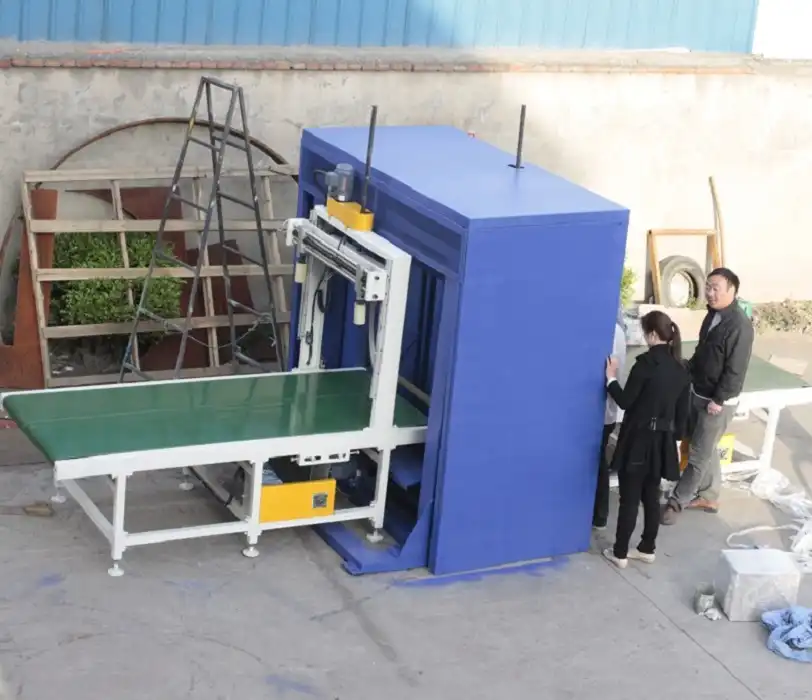

I have seen this issue many times. From my days working in a packing machine factory to building my own, I learned that manual processes are inefficient. They just cannot keep up with high production demands. When workers manually wrap boards, the speed depends on many factors. These include their physical strength, how skilled they are, and if they are tired. This leads to inconsistent output and frequent delays.
Think about a factory like Michael’s. They produce large volumes of metal boards or profiles. Each piece needs careful wrapping. If this is done by hand, workers must walk around each item, pull the film, and stretch it. This takes a lot of time for each board. For example, a single board might take several minutes to wrap properly by hand. If you have hundreds or thousands of boards each day, these minutes add up quickly. This creates a huge backlog at the end of the line.
Here is a simple look at the efficiency gap:
| Feature | Manual Board Packaging | Automated Horizontal Stretch Wrapper |
|---|---|---|
| Speed | Slow, varies by worker skill and fatigue | Fast, consistent, high output |
| Consistency | Low, wraps can be loose or uneven | High, uniform tension and overlap |
| Labor Needs | High, multiple workers needed | Low, often one operator or fully automatic |
| Throughput | Limited by human pace | Much higher, machine runs continuously |
| Production Flow | Bottleneck, stop-and-go | Smooth, continuous flow |
The real cost of this inefficiency goes beyond just slow wrapping. It means longer lead times for customers. It means higher inventory costs because products sit waiting to be packed. It also means you cannot accept bigger orders because your packaging line cannot handle the volume. An automated horizontal stretch wrapper changes this completely. It wraps boards quickly and consistently. It can handle high volumes without slowing down. This machine works non-stop, so your products move out faster. This helps you meet delivery deadlines and keep customers happy. It also frees up your team to focus on other important tasks.
Can You Truly Protect Your Workers During Heavy Packing?
Are your employees risking injury every day just to pack products? In factories that handle heavy or bulky items like boards, safety is a constant concern. Manual handling of these items is not just inefficient; it is downright dangerous. This can lead to serious injuries, high insurance costs, and a revolving door of staff.
Manual handling of heavy or awkward board products exposes workers to severe risks of strains, sprains, and crushing injuries, increasing a company’s worker compensation claims and employee turnover rates.


Worker safety has always been a top priority for me. When I started FHOPEPACK, I aimed to build machines that protect people. I saw firsthand the dangers of manual labor in packing. Imagine workers lifting heavy boards, twisting their bodies, or trying to secure film around awkward shapes. This is a recipe for disaster. The most common injuries are back strains, sprains, and even crushed limbs. These incidents do not just harm your employees. They also hit your bottom line hard.
Consider the ripple effects of a workplace injury:
- Direct Costs: Medical bills, worker compensation payments, and legal fees. These can be huge. A single serious injury can cost tens of thousands of dollars.
- Indirect Costs: Lost productivity from the injured worker. Production delays while others fill in. The time spent on accident investigations. Training new employees if someone leaves due to injury concerns. These hidden costs often exceed the direct costs.
- Morale and Reputation: A high injury rate lowers team morale. It makes it hard to attract new talent. It also damages your company’s reputation. No one wants to work in an unsafe place.
An automated horizontal stretch wrapper removes most of these risks. The machine takes over the heavy lifting and the repetitive motions. Boards are loaded onto a conveyor or table. The machine then wraps them automatically. Workers do not need to lift or turn heavy items. They just need to monitor the machine. This greatly reduces their exposure to physical hazards.
Here is how automation improves safety:
| Aspect | Manual Packing Risk | Automated Wrapper Benefit |
|---|---|---|
| Lifting & Carrying | Risk of back injuries, strains, drops | Machine handles heavy lifting, no manual strain |
| Repetitive Motion | Carpal tunnel, shoulder issues from wrapping | Machine performs repetitive actions |
| Pinching/Crushing | Hands caught between boards or film rolls | Guards protect workers from moving parts |
| Fatigue | Increased risk of errors due to tiredness | Machine works consistently, reduces human error |
| Work Environment | Messy, potentially hazardous film/tools | Organized, contained, safer workspace |
By investing in automation, you are not just buying a machine. You are investing in your people’s well-being. You are creating a safer workplace. This leads to happier employees, lower insurance premiums, and a more stable workforce. It is a win-win situation for everyone.
How Can You Stop Product Damage and Boost Your Bottom Line?
Are your products arriving damaged? It is a frustrating problem that many factories face. During internal transport or final packaging, even a slight bump can ruin a valuable board or panel. This leads to customer complaints, returned goods, and lost profits. You work hard to produce quality items. Seeing them damaged before they even leave your facility is a huge waste.
Product damage during manual handling and inconsistent packaging processes leads to significant financial losses through customer returns, reworks, and wasted materials, directly impacting a company’s profitability.
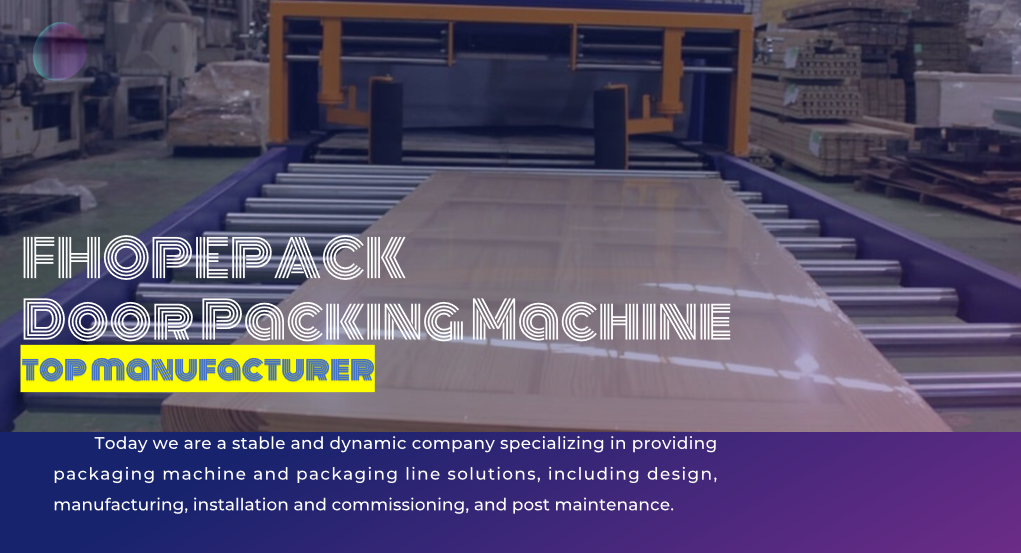

I have heard countless stories from my clients about product damage. In the metal processing industry, for example, a dented edge on a steel coil or a scratch on a finished panel can make the product unsellable. These damages are not just minor issues. They directly affect your financial health. Every damaged item means wasted materials, wasted labor, and often, the cost of shipping a replacement.
The main causes of damage during manual packing are:
- Improper Handling: Workers might drop a board, or slide it roughly across a surface. This causes dents, scratches, or bending. When dealing with heavy items like boards, even a small mishandling can lead to significant damage.
- Inconsistent Wrapping: Manual wrapping often results in loose or uneven film application. This means the product is not securely protected. It can shift during transit, leading to internal damage or scuffs. For example, if the film is not tight enough around the edges of a board, those edges are vulnerable to impact.
- Exposure to Elements: Products sitting around waiting for manual packing might be exposed to dust, moisture, or other environmental factors. A machine wraps quickly, reducing this exposure time.
Let us look at how these damages add up:
- Lost Sales: Damaged products cannot be sold at full price, if at all.
- Rework Costs: If a product can be repaired, you still pay for the labor and time to fix it.
- Return Shipping: You might pay to ship the damaged item back and then send a new one.
- Customer Dissatisfaction: Damaged goods lead to unhappy customers. This can hurt your reputation and lead to lost future business.
A horizontal stretch wrapper solves these problems by providing consistent and secure packaging. The machine applies film with precise tension and overlap. This creates a tight, protective layer around the entire board. It keeps dust and moisture out. It holds the product securely, preventing shifting and damage during transport.
Benefits of automated wrapping for product integrity:
| Aspect | Manual Packing Issue | Automated Wrapper Solution |
|---|---|---|
| Film Tension | Varies, often too loose or too tight | Consistent, adjustable tension |
| Wrap Coverage | Inconsistent, gaps possible | Uniform, complete coverage |
| Product Stability | Poorly secured, can shift during transit | Tightly wrapped, stable load |
| Environmental Seal | Vulnerable to dust, moisture | Protective barrier against contaminants |
| Damage Reduction | High risk of impact/abrasion damage | Significantly lower due to secure wrap |
By consistently protecting your products, you reduce waste and improve quality. This leads to fewer customer complaints and more satisfied clients. Ultimately, this directly boosts your profitability. Your investment in a horizontal stretch wrapper quickly pays for itself through reduced losses and improved customer trust.
How to Find a Packaging Partner You Can Trust?
Finding the right equipment is one challenge. Finding a reliable supplier is another. Have you ever bought a machine only to find the seller disappears after the sale? Many factory managers have been burned by vendors who only care about hitting their sales targets. They leave you with a machine that breaks down and no support.
Building trust with a packaging equipment supplier requires clear communication, a proven track record of reliable machines and consistent after-sales support, moving beyond mere transactions to a true partnership.


This is a critical point. Michael, from his profile, has faced this problem. He needs a partner who understands his factory’s production bottlenecks and safety concerns. He needs someone who offers real insights and reliable solutions, not just a box with a machine inside. My journey from a packing machine engineer to founding FHOPEPACK taught me the value of true partnership. It is not just about selling a machine. It is about solving problems and helping businesses grow.
When you look for a packaging equipment supplier, you need to go beyond the price tag. Ask yourself these questions:
- Do they understand my industry? A generic sales pitch will not help you. You need a supplier who knows the challenges of your specific products, like boards, and your operational environment. I built my career in the packing machine industry. I understand the nuances of handling heavy, long, or irregularly shaped items.
- Do they offer more than just machines? Look for expertise. Does the supplier have engineers who can assess your current setup? Can they suggest the best solution for your unique needs? At FHOPEPACK, we focus on sharing knowledge. We want to help you understand the “why” behind our solutions.
- What is their after-sales support like? This is where many suppliers fail. You need a partner who offers good installation, training, spare parts, and troubleshooting help. A machine is only as good as the support behind it. I have seen factories paralyzed because a machine broke down and the supplier was unreachable. That is why FHOPEPACK is committed to long-term support.
- Do they talk about ROI (Return on Investment)? A good supplier will help you see the financial benefits of their solution. They will show you how the machine saves you money on labor, reduces damage, and increases output. This is crucial for making a strong business case.
My own journey in the packing machine industry, from an employee to a factory owner, showed me the gaps in the market. Many companies focused purely on sales volume. They did not truly partner with their clients. That is why I founded FHOPEPACK. We want to be different. We want to share what we know. We want to help you make informed decisions. We want to help you pick the right horizontal stretch wrapper for your board packaging needs. We want to be a partner who helps you grow. This commitment comes from my own experience of achieving success and wanting to give back to the industry.
| Supplier Type | Characteristics | Your Risk | How FHOPEPACK is Different |
|---|---|---|---|
| Sales-Focused Vendor | Pushes specific models, limited understanding | Wrong equipment, poor fit, high frustration | We offer tailored solutions based on deep industry knowledge |
| Poor After-Sales | Disappears post-sale, no parts or tech support | Costly downtime, operational paralysis | Dedicated support, parts, and troubleshooting for long-term reliability |
| Generic Provider | One-size-fits-all approach, no specific advice | Inefficient processes, unmet needs | Expert guidance and ROI-driven advice for your unique challenges |
| Trusted Partner | Understands your pain points, offers solutions | Smooth operations, growth, peace of mind | We prioritize understanding your needs and building lasting relationships |
Choosing the right partner means choosing peace of mind. It means choosing a company that will stand by you and help you succeed.
What’s My Personal View on Automated Packaging’s Future?
After decades in the packing machine industry, from working on the factory floor to running my own successful company, I have seen a lot of changes. Manual methods are quickly becoming a thing of the past. The future of packaging is clear: it is automated, it is safer, and it is smarter.
My personal view is that automated packaging, especially with machines like horizontal stretch wrappers, is not just an upgrade but a necessity for factories aiming for higher efficiency, improved worker safety, and consistent product quality in a competitive global market.
My journey in this industry has been incredibly rewarding. I started as an employee, learning every detail of packing machines. Later, I established my own factory, which grew into a successful business. This path gave me financial independence and allowed me to help many clients grow their own operations. Because of these opportunities, I feel a strong desire to give back. That is why FHOPEPACK exists as a knowledge-sharing platform. I want to pass on what I have learned about the real-world benefits of automation.
I often speak with factory owners and managers like Michael Chen. They tell me about the constant pressures: increase output, cut costs, ensure safety. I know these pressures well. Automated packaging machines, like the horizontal stretch wrapper for boards, are powerful tools to address these very challenges. They are not just pieces of equipment. They are strategic investments.
Think about the bigger picture. The global market is always pushing for faster, cheaper, and better. Companies that stick to manual methods will find it harder to compete. They will face higher labor costs, more safety incidents, and consistent product damage. These issues will eat away at their profits.
Here is why I believe automation is the future:
- Sustainability: Automated machines can optimize film usage, reducing waste. They also make production more energy-efficient by reducing overall cycle times and human effort.
- Data and Intelligence: Modern machines collect data on performance, uptime, and film consumption. This data helps factories make smarter decisions and continuously improve their operations.
- Worker Empowerment: Automation does not replace workers; it frees them from dangerous, repetitive tasks. It allows them to move into more skilled roles, like machine operation, maintenance, or quality control. This improves job satisfaction and retention.
- Scalability: As your business grows, automated systems can scale up more easily than manual operations. Adding another shift to a manual line means finding and training many more people. Scaling an automated line often means running it longer or adding another machine that needs fewer operators.
My core belief is that every factory, regardless of its size, can benefit from intelligent automation. It is about making smart choices that lead to long-term success. It is about protecting your people, your products, and your profits. The insights I share on FHOPEPACK are born from years of hands-on experience and a deep understanding of what it takes to run a successful packing operation. I want to help you navigate the complexities and make the right choices for your business’s future.
Conclusion
Embracing automated board packaging with a horizontal stretch wrapper directly boosts efficiency, enhances safety, and safeguards your products and profits. It is a vital step for any modern factory.












