
From China to North America | FHOPE Machinery Showcases Efficient Steel Strapping Line Automation Solutions?
The global steel industry is changing fast. Steel mills, especially those sending products from China to North America, face big challenges. They need to keep up with high demand, strict quality rules, and rising costs. Old, manual packing methods just do not work anymore. These methods lead to slow shipments, damaged goods, and unhappy customers. This puts real pressure on production directors, like Ivan Petrov, who oversee vital finishing lines in large steel plants. (steel industry challenges, North America steel demand, packaging efficiency)
FHOPEPACK is addressing these needs directly. Our automated steel strapping lines offer a smart solution. They boost efficiency, improve safety, and ensure consistent packaging quality. This helps steel manufacturers meet high export standards. It also makes their operations more profitable. Our machines are designed for the tough 24/7 demands of modern steel production. (automated steel strapping lines, steel coil packaging solutions, manufacturing efficiency)
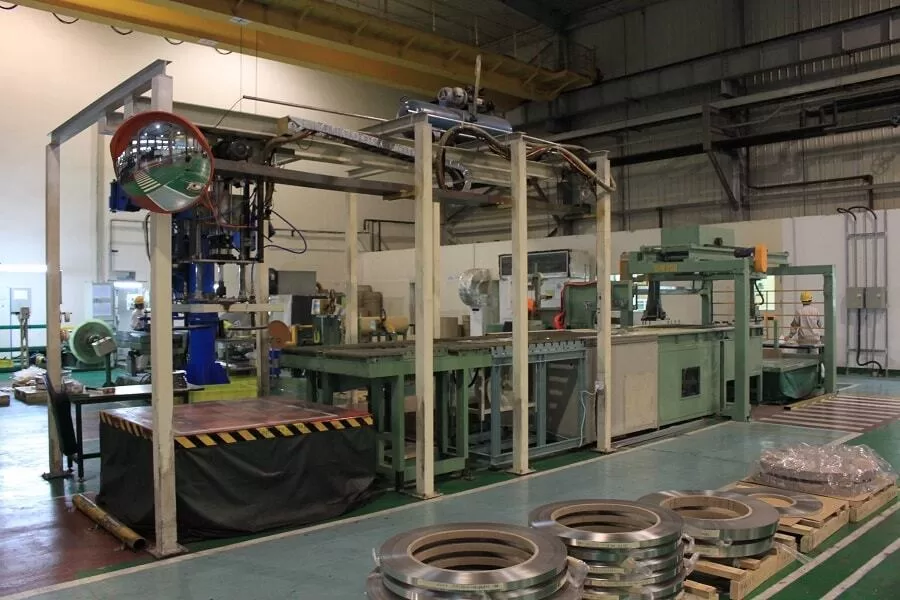
We understand these challenges deeply. As the founder of FHOPEPACK, I built my career from the factory floor up. I saw firsthand what works and what does not in packing. Now, my goal is to share this knowledge and provide solutions that truly help businesses grow. Let us explore how automated strapping lines can transform your steel mill operations. (packing machine expertise, customized packaging solutions, industry insights)
Why is Steel Strapping Line Automation Critical for North American Production?
Are you struggling to keep up with the fast pace of steel production? Do you face rising labor costs and demands for flawless product delivery across continents? Many steel mill managers, particularly those eyeing the North American market, often tell me about these exact problems. Manual strapping simply cannot handle the sheer volume and varied requirements of modern global trade. (global steel trade, production challenges, manual strapping limitations)
Automated steel strapping lines are no longer a luxury. They are a necessity for any steel manufacturer looking to compete effectively. These systems ensure consistent, high-tension strapping. This protects valuable steel coils during long transit times from China to North American clients. They improve overall output and reduce the risk of damage, which is key for international shipping. (automated strapping benefits, steel coil protection, international shipping standards)

When I started FHOPEPACK, I aimed to solve these precise issues. My experience showed me that reliability and speed go hand in hand. Automation removes human error and allows for continuous operation. This is especially vital when hundreds of tons of cold-rolled, galvanized, or color-coated coils need processing daily. Investing in automation safeguards your product and your reputation in demanding markets. (reliable packaging automation, consistent production flow, steel coil transit safety)
1. How Do Automated Lines Handle High Production Volumes?
Automated steel strapping lines are built for speed and endurance. They can operate continuously, often 24 hours a day, in demanding industrial settings. This capability directly addresses the challenge of moving hundreds of tons of steel coils daily. Manual methods simply cannot match this output. They are prone to fatigue and slower cycle times. An automated system integrates seamlessly into your existing production line. It keeps the flow constant from the slitting machine to the shipping dock. This prevents bottlenecks and ensures timely dispatch. The machine handles each coil with consistent precision. This maintains high throughput rates without sacrificing quality. This capability is essential for large-scale operations targeting international markets, like those from China to North America. It means faster delivery and happier customers. We design our systems at FHOPEPACK to be robust. They stand up to the rigorous demands of heavy industry. We make sure they deliver reliable performance day after day. This allows you to scale your production confidently. (high volume packaging, continuous operation, production bottleneck avoidance)
2. What Role Does Automation Play in Export Compliance and Quality?
Exporting steel to North America means meeting strict standards. This includes CE/ISO certifications and specific packaging requirements. Automated strapping lines ensure every coil meets these rules. They apply consistent tension and precise strap placement. This prevents shifting and damage during transit. Manual strapping often leads to inconsistent quality. This results in loose straps, damaged edges, or insufficient moisture protection. Such issues cause customer complaints, returns, and even contract penalties. Automated systems like ours can also integrate automatic labeling and barcoding. This simplifies tracking and inventory management. It guarantees that each package has the right information. This helps ensure compliance with international trade regulations. For instance, Ivan Petrov needs reliable anti-corrosion and anti-scratch packaging. Our automated lines achieve this through precise film wrapping and secure strapping. This provides a robust, compliant package every time. (export compliance packaging, CE ISO certified packaging, automated labeling systems)
3. How Does Automation Impact Product Security During Transit?
The journey from China to North America is long and can be tough on steel coils. They must withstand vibration, shocks, and environmental changes. Proper strapping is vital for preventing damage. Automated lines use robust PET or steel strapping materials. They apply these materials with optimal tension. This creates a secure, uniform package. This prevents coils from unwinding or shifting within their transport containers. It protects them from impact and abrasion. Our systems also integrate advanced wrapping options. These include stretch film or VCI film. These add layers of protection against moisture, rust, and dust. This ensures the steel arrives in perfect condition. This reduces claims and builds trust with international clients. We often see how manual packaging, with uneven tension or poor sealing, fails to protect coils adequately. Our automated solutions offer a superior level of security. This is especially true for delicate surfaces like galvanized or color-coated steel. (secure steel coil transport, anti-corrosion packaging, damage prevention solutions)
What Challenges Do Steel Mills Face in Coil Packaging Today?
Are your current coil packaging operations holding back your overall production? Do you struggle with a mix of product types, labor shortages, and inconsistent quality? These are common pain points for many steel manufacturers. Ivan Petrov, managing the cold-rolled and slitting workshops, knows these challenges well. He deals with varied coil diameters, weights, and customer-specific demands daily. (steel mill packaging issues, product diversity packaging, labor shortage solutions)
Modern steel mills grapple with significant packaging hurdles. They manage diverse coil types, from cold-rolled to galvanized and color-coated. Each type needs unique protection. A growing shortage of skilled labor makes manual operations unsustainable. This leads to inconsistent packaging quality. It also increases safety risks. Furthermore, export markets demand higher standards, making reliable automation essential. (steel coil packaging challenges, labor scarcity, inconsistent packaging quality)
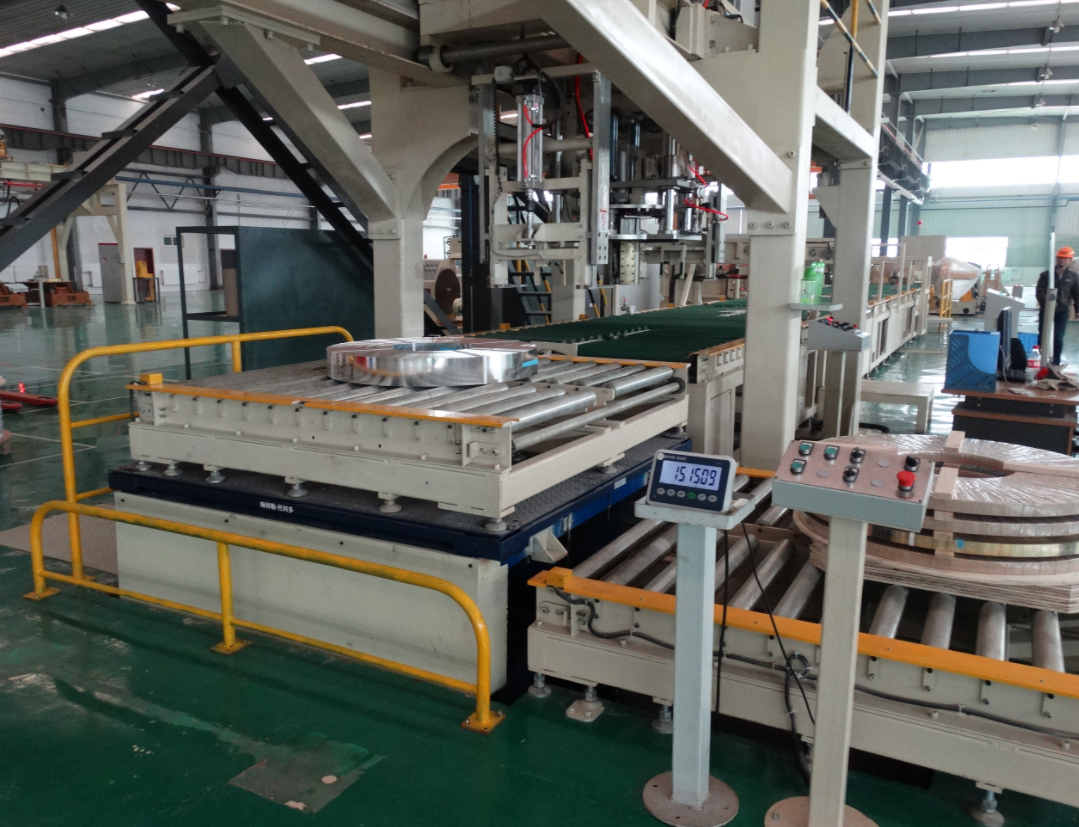
I have seen firsthand how these issues impact profitability. When I was starting out in the industry, manual errors were a daily occurrence. My journey to founding FHOPEPACK was driven by a desire to create solutions that eliminate these problems. We focus on systems that can adapt and perform under pressure. (packaging industry solutions, production efficiency, overcoming packaging errors)
1. How Do Diverse Product Types Complicate Packaging?
Steel mills produce a wide range of products. This includes cold-rolled coils, galvanized coils, and color-coated coils. Each type has distinct packaging needs. Cold-rolled coils often require robust strapping and rust prevention. Galvanized coils need extra protection against scratches and moisture. Color-coated coils are highly susceptible to surface damage. Manually switching between different packaging methods for these varied products is time-consuming. It is prone to error. It slows down the entire production line. An automated system, however, can be programmed to handle these variations seamlessly. It adjusts parameters for coil diameter, weight (1-3 tons), and specific wrapping materials (PET/steel straps, stretch film, VCI film). This adaptability is critical for maintaining high efficiency in a diversified production environment. It ensures each coil receives the precise protection it needs. This is regardless of its type or destination. (diverse steel coil packaging, customizable packaging solutions, production line flexibility)
2. What is the Impact of Labor Shortages on Packaging Operations?
The steel industry, like many heavy industries, faces a growing labor shortage. High-intensity manual tasks, such as strapping and wrapping heavy steel coils, are difficult. They are physically demanding. They lead to high turnover rates among younger workers. Relying on manual labor for packaging creates several problems. It makes continuous, 24/7 operations difficult to sustain. It increases labor costs due to overtime and recruitment. It also raises the risk of workplace injuries. Automation directly addresses these issues. It reduces the need for constant human intervention. Machines can perform repetitive, heavy-duty tasks tirelessly and safely. This frees up human workers for more skilled roles, such as supervision and maintenance. It creates a safer working environment. It also stabilizes the workforce. This ensures consistent production flow even with fewer operators. This is a key advantage for companies like FHOPEPACK, SHJLPACK, and CNBHPAC. We focus on automating these strenuous tasks. (industrial labor shortage, automated packaging labor savings, workplace safety improvements)
3. How Does Inconsistent Packaging Quality Affect Business?
Inconsistent packaging quality can severely damage a steel mill’s reputation and bottom line. Manual strapping and wrapping often result in uneven tension or improper sealing. This leaves coils vulnerable to damage during handling and transport. Loose straps can allow coils to shift. This causes dents or scratches. Poor moisture barriers can lead to rust. These issues result in customer complaints, product rejections, and financial penalties. Export clients, especially in North America, demand perfect condition upon arrival. They also require specific certifications like CE/ISO. An automated system applies uniform tension and consistent wrapping patterns. This ensures every package meets the highest quality standards. This proactive approach prevents damage and maintains customer satisfaction. It reduces waste from damaged materials. It minimizes the need for rework. This ultimately lowers overall operational costs. This consistency is a hallmark of the advanced solutions FHOPEPACK provides. (packaging quality control, customer satisfaction packaging, reducing product damage)
How Does FHOPEPACK’s Technology Ensure Reliable Steel Coil Protection?
Are you looking for a packaging solution that guarantees your steel coils arrive in perfect condition, every time? Do you need a system that can withstand continuous operation and protect against rust, scratches, and moisture? Many clients, just like Ivan Petrov, tell me these are their top concerns. They need more than just a machine; they need peace of mind. (reliable coil packaging, anti-rust solutions, scratch prevention packaging)
At FHOPEPACK, our technology is built on a foundation of reliability and precision. Our automated coil packing lines integrate advanced features. These features ensure robust protection for steel coils during storage and transit. We use precise strapping, consistent wrapping, and high-quality materials. This combination protects against environmental factors and physical damage. It helps your products meet global export standards. (FHOPEPACK technology, steel coil protection, advanced packaging solutions)

I founded FHOPEPACK because I believe in mastering the packing machine. My journey from a factory employee to establishing my own successful factory taught me the absolute importance of consistent quality. We pride ourselves on creating solutions that are not just functional but truly excel in protecting your valuable products. (packaging machine mastery, consistent quality solutions, protecting valuable products)
1. What Are the Key Features of FHOPEPACK’s Automated Strapping?
FHOPEPACK’s automated strapping systems feature precision engineering. They deliver consistent tension for PET or steel straps. This uniform tension is critical. It ensures coils are tightly secured. It prevents any movement or shifting during transport. Our machines use advanced sensors and programmable logic controllers (PLCs). These control the strapping process. They ensure optimal strap placement and tension for varying coil dimensions (e.g., 1-3 tons, different inner/outer diameters). This precision greatly reduces the risk of straps loosening or breaking. It prevents product damage. It enhances the overall security of the package. We also design our systems for easy maintenance. This ensures continuous, reliable operation. This is vital in a 24/7 production environment. Our automated strapping solutions lead to superior package integrity compared to manual methods or less advanced systems from other suppliers like SHJLPACK or CNBHPAC. (automated strapping precision, consistent strap tension, coil security solutions)
2. How Do FHOPEPACK Systems Protect Against Environmental Damage?
Protection against moisture, rust, and scratches is a primary concern for steel coil packaging. FHOPEPACK’s technology integrates various protective measures. Our systems can combine robust strapping with advanced wrapping techniques. This includes stretch wrapping with multiple layers of film. It also includes VCI (Volatile Corrosion Inhibitor) film application. This creates a highly effective barrier against humidity and corrosion. For surface-sensitive coils, such as galvanized or color-coated steel, our machines apply wraps smoothly. They prevent creases or tension marks. This maintains the aesthetic and structural integrity of the product. The automated process ensures a consistent overlap and seal. This is far more effective than manual wrapping. It leaves no gaps for moisture ingress. This level of environmental protection is crucial for long-distance shipping. It ensures coils arrive at North American destinations in pristine condition. (anti-rust packaging, moisture barrier solutions, VCI film application)
3. What Customization Options Does FHOPEPACK Offer for Varied Coil Types?
Every steel mill has unique needs due to its product diversity. FHOPEPACK understands this. We offer extensive customization options for our coil packing lines. Our systems can adapt to different coil sizes. This includes various inner and outer diameters. They can also handle a wide range of weights, typically from 1 to 3 tons. We can configure machines to apply different packaging materials. This includes PET straps, steel straps, stretch film, or customized protective wraps. Our control systems allow for quick and easy programming changes. This accommodates varying packaging requirements for cold-rolled, galvanized, or color-coated coils. For example, a system can switch from a heavy-duty steel strap for one coil type to a gentler PET strap with extra film for another. This flexibility ensures optimal protection for each specific product. It maintains high operational efficiency. It reduces manual intervention and changeover times. This focus on tailored solutions sets FHOPEPACK apart. (customizable coil packaging, diverse coil size handling, flexible packaging material options)
Can Automation Truly Reduce Labor Costs and Enhance Worker Safety?
Are you facing a shrinking pool of skilled labor and increasing concerns about workplace injuries? Do you wonder if investing in automation can genuinely solve these challenges? Many steel mill managers, including Ivan Petrov, are under pressure to cut costs while also protecting their workforce. They need solutions that deliver on both fronts. (labor cost reduction, worker safety solutions, industrial automation benefits)
Yes, automation is a proven strategy for reducing labor costs and significantly improving worker safety in steel coil packaging. By replacing manual, high-risk tasks with precision machinery, businesses can cut down on wages, training, and injury-related expenses. Automated systems also remove workers from hazardous areas, preventing accidents and creating a safer environment. (automated packaging safety, labor cost savings, hazardous task automation)

My journey in the packing machine industry began on the factory floor. I witnessed the physical strain and risks associated with manual coil handling. This experience fuels FHOPEPACK’s commitment to developing automated solutions that not only increase output but also prioritize the well-being of the people who operate them. (factory floor experience, packaging safety commitment, ergonomic packaging solutions)
1. How Does Automation Directly Reduce Operational Labor Costs?
Automation significantly lowers operational labor costs by minimizing the need for direct human involvement in repetitive and physically demanding tasks. In a steel mill’s packaging line, tasks like manual strapping, lifting, and turning heavy coils are often performed by multiple workers. These tasks require constant supervision and are prone to human error, leading to material waste or rework. An automated coil packing line, including automatic flipping, wrapping, strapping, labeling, and stacking, can perform these functions with minimal human oversight. This means fewer employees are needed per shift, reducing wages, benefits, and recruitment expenses. The stability of machine operation also means less downtime due to breaks or fatigue. For example, Ivan Petrov’s challenge of high young worker turnover due to high-intensity work is directly addressed by automating these processes, making the workforce more stable and efficient. (operational cost reduction, automated workforce, reduced labor dependency)
2. In What Ways Does Automation Improve Worker Safety?
Worker safety is paramount, especially when handling heavy steel coils (1-3 tons). Manual lifting, positioning, and strapping expose workers to risks of musculoskeletal injuries, crushes, and other accidents. Automated coil packing lines remove workers from these hazardous zones. Machines handle the heavy lifting, turning, and precise application of straps and wraps. This eliminates the risk of human error in handling heavy loads. It also reduces exposure to moving machinery parts. Features like safety interlocks, emergency stops, and guarded access points are standard in FHOPEPACK’s automated systems. These features create a much safer work environment. This significantly lowers the incidence of workplace injuries. It decreases associated costs like medical care, insurance claims, and lost productivity. This shift helps retain experienced workers who might otherwise leave due to the physical demands of manual labor. (workplace safety automation, heavy lifting hazard elimination, industrial accident prevention)
3. Can Automated Systems Adapt to Labor Shortages and Skill Gaps?
Absolutely. Automated systems are designed to perform complex tasks reliably, reducing reliance on a large, highly skilled labor force for repetitive operations. While some training is needed for supervision and maintenance, the core packaging process becomes largely independent of fluctuating labor availability. This helps steel mills cope with ongoing labor shortages. It also addresses the challenge of finding young workers willing to do physically strenuous tasks. With automation, the existing workforce can be redeployed to more supervisory, analytical, or technical roles. This optimizes their skills and job satisfaction. For Ivan Petrov, dealing with labor shortages in his steel plant, an automated line ensures continuous output. It does so even with a smaller team. It provides consistent quality, regardless of individual operator skill levels. This makes production more resilient to changes in the labor market. (automated labor adaptability, skill gap solutions, workforce optimization)
What Makes a Coil Packaging Line a Long-Term Strategic Investment?
Are you considering a major capital expenditure for your steel mill and wondering if a new coil packaging line truly offers long-term value? Is it more than just a purchase, but a strategic move that will pay dividends for years to come? Many business leaders, including Ivan Petrov, focus on the big picture. They want solutions that provide a strong return on investment and build lasting partnerships. (strategic packaging investment, long-term ROI, capital expenditure justification)
A high-quality, automated coil packaging line from FHOPEPACK is a long-term strategic investment. It goes beyond immediate cost savings and efficiency gains. It provides sustained benefits through enhanced product quality, increased production capacity, and reduced operational risks. It also forms the foundation for a lasting partnership with a reliable supplier dedicated to your continued success. (automated packaging benefits, sustained production capacity, reliable supplier partnership)
I understand that such investments require careful thought. My own journey, building FHOPEPACK and helping clients grow their businesses, has always been about creating sustainable value. We don’t just sell machines; we offer comprehensive solutions and support. (sustainable value creation, comprehensive packaging solutions, client growth support)
1. How Does a Coil Packaging Line Contribute to Long-Term Cost Reduction?
Investing in an automated coil packaging line leads to significant long-term cost reductions. Firstly, it drastically cuts labor costs by automating manual tasks. This minimizes wages, benefits, and injury-related expenses. Secondly, automation optimizes material usage. It applies strapping and wrapping materials with precise tension and overlap. This reduces waste compared to inconsistent manual applications. Thirdly, the consistent quality of automated packaging reduces product damage during transit. This lowers costs associated with customer complaints, returns, and rework. Fourthly, the increased efficiency and throughput allow for higher production volumes. This lowers the unit cost of packaging. Finally, the improved operational continuity minimizes downtime. This keeps the production line running smoothly. These combined savings, over years of operation, make the initial investment highly justifiable. Our solutions, like those from FHOPEPACK, are designed for maximum material efficiency and minimal human intervention, making them more cost-effective than alternatives from SHJLPACK or CNBHPAC. (long-term cost savings, optimized material usage, reduced operational expenses)
2. What Role Does After-Sales Support Play in a Strategic Partnership?
For a coil packaging line to be a truly long-term investment, the supplier’s commitment to after-sales support is critical. This includes comprehensive training for your operators and maintenance staff. It ensures they can effectively run and troubleshoot the equipment. It also involves readily available spare parts to minimize downtime during repairs. A dedicated technical support team is essential for addressing any operational issues promptly. At FHOPEPACK, we believe in being a long-term partner. We offer thorough training programs and robust spare parts supply chains. We provide responsive technical support. This partnership approach ensures your investment continues to perform optimally for decades. This support maximizes the lifespan of the equipment. It protects your operational continuity. It safeguards your return on investment. This commitment to ongoing support is a core pillar of our mission at FHOPEPACK. (after-sales support importance, technical support services, spare parts availability)
3. How Does Turnkey Engineering Benefit the Investment Process?
Turnkey engineering means the supplier handles every aspect of the project. This goes from initial design and manufacturing to installation, commissioning, and final handover. This comprehensive approach simplifies the investment process for the client. It reduces the burden on their internal teams. For a large-scale project like a fully automated coil packing line, this is invaluable. A turnkey solution ensures seamless integration with existing production lines. It minimizes project risks and delays. The supplier, like FHOPEPACK, takes full responsibility for the entire system’s performance. This ensures all components work together perfectly. It guarantees the final solution meets all specified requirements. This includes aspects like machine reliability, output capacity, and safety standards. This approach gives clients, such as Ivan Petrov, confidence that they are getting a complete, fully functional, and optimized solution without the complexities of managing multiple vendors. (turnkey project management, seamless system integration, reduced project risk)
Conclusion
Adopting automated steel strapping line solutions is no longer optional for competitive steel mills. It is a strategic necessity. FHOPEPACK offers advanced, reliable systems that boost efficiency, enhance safety, and ensure consistent quality for global markets. This investment helps mills overcome labor shortages and meet stringent export demands, securing a strong future. Consider a coil packing line from FHOPEPACK for your long-term success. (automated steel strapping, future-proof packaging, FHOPEPACK solutions)








