
Egypt: What’s the true ROI of an orbital wrapping machine?
Do you run a factory in Egypt, perhaps handling metal coils or long products? Are you tired of slow, costly packing lines and constant worries about product damage or worker safety? Many factory managers, just like you, face these daily struggles. The current manual methods might seem “cheap” upfront, but they hide a mountain of hidden costs and risks that eat into your profits and slow down your entire operation.
The true Return on Investment (ROI) of an orbital wrapping machine in a demanding environment like Egypt goes far beyond just the machine’s price tag. It involves significant savings in labor costs, a drastic reduction in product damage, improved worker safety, and a massive boost in overall operational efficiency, leading to faster delivery times and happier customers.

If you are looking for solutions that genuinely address your factory’s bottlenecks and drive real growth, then understanding these benefits is critical. Stick with me as I break down how a strategic investment in an orbital wrapping machine can transform your business, not just in Egypt, but anywhere efficient and safe packing is a priority.
Are manual packing methods holding your Egyptian factory back?
Is your packing line the slowest part of your entire production process? Do you watch finished products pile up, waiting for workers to manually wrap them, knowing each delay costs you money and goodwill? This is a common scene, especially in factories relying on traditional methods. It creates a major bottleneck, impacting everything from delivery schedules to overall output.
Manual packing methods often create significant efficiency bottlenecks by being slow, inconsistent, and requiring extensive labor, thereby increasing operational costs and delaying product shipments, which directly hinders a factory’s ability to scale and compete effectively in markets like Egypt.
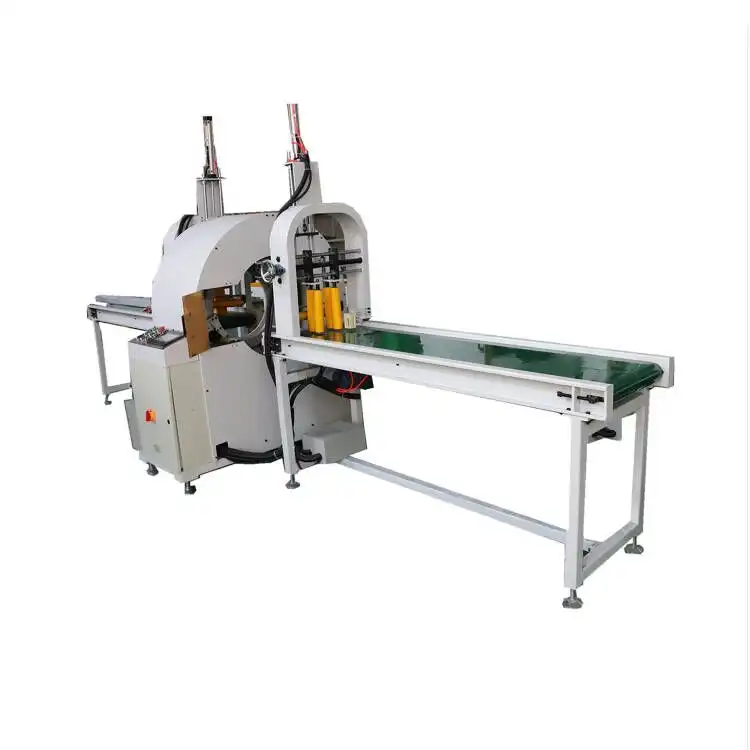
Let me tell you, I have seen this problem firsthand in countless factories, just like the ones I helped set up. When I started my own packing machine factory, I knew efficiency was key. You cannot grow if your packing process cannot keep up with production. Manual wrapping might seem like a simple solution on paper, but it is deeply flawed for high-volume or heavy product lines. Think about a medium-to-large metal processing plant in Egypt, for example. They produce heavy steel coils or bundles of wire. Manually wrapping each one is a slow dance. Workers must move around the product, trying to get consistent tension and coverage. This takes time, skill, and a lot of effort. This inefficiency directly impacts your bottom line. You pay wages for slow work. You miss delivery deadlines, which makes customers unhappy. In a competitive market, these delays hurt your reputation and your ability to win new business. When an orbital wrapping machine comes in, it changes the game. It wraps products quickly and consistently, often at speeds many times faster than any human can achieve. This means products move off the line faster. The packing department stops being a choke point. Your factory can then ramp up overall production. This boost in speed means you can take on more orders. You can fulfill existing orders faster. This leads to higher sales and better cash flow. It also frees up your skilled workers for more complex tasks. This makes your whole team more productive. For any factory manager in Egypt, facing pressure to boost output and cut costs, addressing this efficiency bottleneck is a critical first step towards real growth. It is not just about wrapping faster. It is about unlocking your factory’s full potential.
Manual Packing: The Hidden Costs and Roadblocks 🚧
Manual packing might appear cost-effective at first glance. However, it often brings a host of invisible expenses and operational challenges that can severely impact a factory’s profitability and competitive edge.
-
🐢 Slow Production Speed:
- Problem: Manual processes are inherently slower than automated ones. Each coil or bundle takes a fixed amount of human time to wrap.
- Impact: This creates a bottleneck at the end of the production line. Finished goods wait, delaying shipment. It limits overall factory output, meaning you produce less than your machines are capable of.
- Example: A factory producing 50 heavy coils per shift might only be able to manually wrap 30, losing 40% of potential output daily.
-
💸 High Labor Expenses:
- Problem: Manual packing requires multiple workers for an entire shift, incurring wages, benefits, and overtime costs.
- Impact: This is a recurring operational expense. As production scales, labor costs escalate directly. Training new staff is also an ongoing cost.
- Table: Manual vs. Automated Labor Cost Comparison (Monthly Estimate)
| Expense Item | Manual Packing (3 Workers) | Automated Packing (1 Worker) | Savings |
|---|---|---|---|
| Wages | $3,000 | $1,000 | $2,000 |
| Benefits/Insurance | $900 | $300 | $600 |
| Overtime | $600 | $100 | $500 |
| Total Monthly | $4,500 | $1,400 | $3,100 |
-
📉 Inconsistent Wrapping Quality:
- Problem: Human effort varies. Fatigue, distractions, or differing skill levels lead to inconsistent wrap tension and coverage.
- Impact: Poorly wrapped products are more prone to damage during transport or storage. This leads to customer complaints, returns, and increased scrap. It also damages your brand reputation.
-
⏰ Unpredictable Delivery Times:
- Problem: Manual packing speed can fluctuate. Worker availability, absenteeism, or unexpected issues can halt the packing line.
- Impact: This makes it difficult to guarantee delivery schedules. Delays can result in penalties, loss of future orders, and erosion of customer trust. Meeting tight deadlines becomes a constant challenge.
Can an orbital wrapper cut labor costs and boost worker safety?
Are your workers constantly lifting, bending, and straining to secure heavy products, putting them at risk of injury every single day? Do you face rising insurance premiums and staff turnover because of these hazardous tasks? Factory managers often grapple with the tough balance between productivity and the well-being of their team. Finding ways to reduce manual labor, especially with heavy or awkward items, is not just good for your employees; it is good for your business.
Yes, an orbital wrapping machine can significantly cut labor costs by reducing the number of workers needed for packing. More importantly, it drastically boosts worker safety by eliminating the need for manual handling of heavy or cumbersome products, thereby lowering injury risks, insurance costs, and employee turnover, creating a safer and more efficient workplace.

When I reflect on my own journey in the packing machine industry, worker safety was always a top concern. I saw many cases where people got hurt because of manual tasks. Handling heavy coils or long steel bars by hand to wrap them is not just inefficient; it is extremely dangerous. Workers might strain their backs, drop heavy items, or get pinched. These accidents lead to high medical costs, lost workdays, and higher insurance premiums for the company. Michael Chen, a factory manager in Mexico, echoes these concerns. He deals with the same issues: high injury risk and rising insurance costs. An orbital wrapping machine directly addresses these problems. It automates the wrapping process. This means workers no longer need to physically lift or maneuver heavy items to wrap them. The machine does the heavy lifting and the precise wrapping. This automation reduces the number of people needed on the packing line. Instead of three or four workers, you might only need one to oversee the machine. This immediately cuts down your labor costs. Beyond the direct cost savings, the biggest benefit is the improvement in worker safety. Fewer manual tasks mean fewer opportunities for accidents. A safer workplace leads to happier, more productive employees. It also lowers your company’s liability and insurance expenses. This creates a positive work environment, which helps with employee retention. It shows your team you care about their well-being. For any factory manager, prioritizing safety and cutting unnecessary labor costs through automation is a smart, humane business decision. It makes your factory more resilient and ethical.
Safety First: Protecting Your Team and Your Bottom Line 🛡️
Investing in an orbital wrapping machine is not just about efficiency; it is a fundamental step towards creating a safer work environment and significantly reducing associated costs. The benefits extend across various aspects of factory operations.
-
🚫 Eliminating Hazardous Manual Handling:
- Problem: Workers manually lift, rotate, or secure heavy, awkward, or hot products for wrapping. This involves significant physical strain and risk.
- Impact: This directly leads to musculoskeletal injuries, cuts, pinches, and crushes. These incidents result in worker compensation claims, medical expenses, and lost workdays.
- Solution: The orbital wrapper automates the wrapping. Products are conveyed into the machine, wrapped, and conveyed out, without manual intervention for wrapping.
-
📉 Reducing Insurance Premiums:
- Problem: A high rate of workplace injuries directly translates to increased worker’s compensation insurance premiums. Insurers view factories with poor safety records as high-risk.
- Impact: These higher premiums become a significant, ongoing operational cost. They eat into profits and make the business less competitive.
- Solution: Fewer injuries mean a better safety record. Over time, this can lead to lower insurance rates, offering substantial long-term savings.
-
🧑🏭 Boosting Employee Morale and Retention:
- Problem: A dangerous work environment leads to stress, dissatisfaction, and high employee turnover. Workers leave for safer jobs.
- Impact: High turnover incurs costs for recruitment, training, and a loss of experienced staff. It also impacts overall team productivity and continuity.
- Solution: Showing a commitment to worker safety improves morale. Employees feel valued and protected. This fosters loyalty, reduces turnover, and creates a more positive, stable workforce.
-
⚖️ Ensuring Compliance with Regulations:
- Problem: Factories must comply with local and international safety regulations. Failure to do so can result in hefty fines and legal action.
- Impact: Non-compliance carries severe financial and reputational risks. It can even lead to operational shutdowns in extreme cases.
- Solution: Automated systems help meet safety standards more easily by removing human exposure to high-risk tasks, ensuring your factory operates within legal guidelines.
How does proper wrapping prevent damage and keep customers happy?
Have you ever had a customer call to complain about damaged goods? Perhaps the edges of a steel coil were bent, or a wire bundle was scuffed during transit. These issues are frustrating. They lead to returns, rework, and a loss of trust. For a factory manager, maintaining product quality until it reaches the customer is just as important as producing the product itself. The way you pack your goods plays a huge role in this.
Proper wrapping, especially with an orbital wrapping machine, prevents product damage by providing consistent, secure, and all-around protection against external elements, impacts, and shifting during transit or storage. This consistency leads to fewer customer complaints, reduced waste, and ultimately, happier clients who trust your product quality.
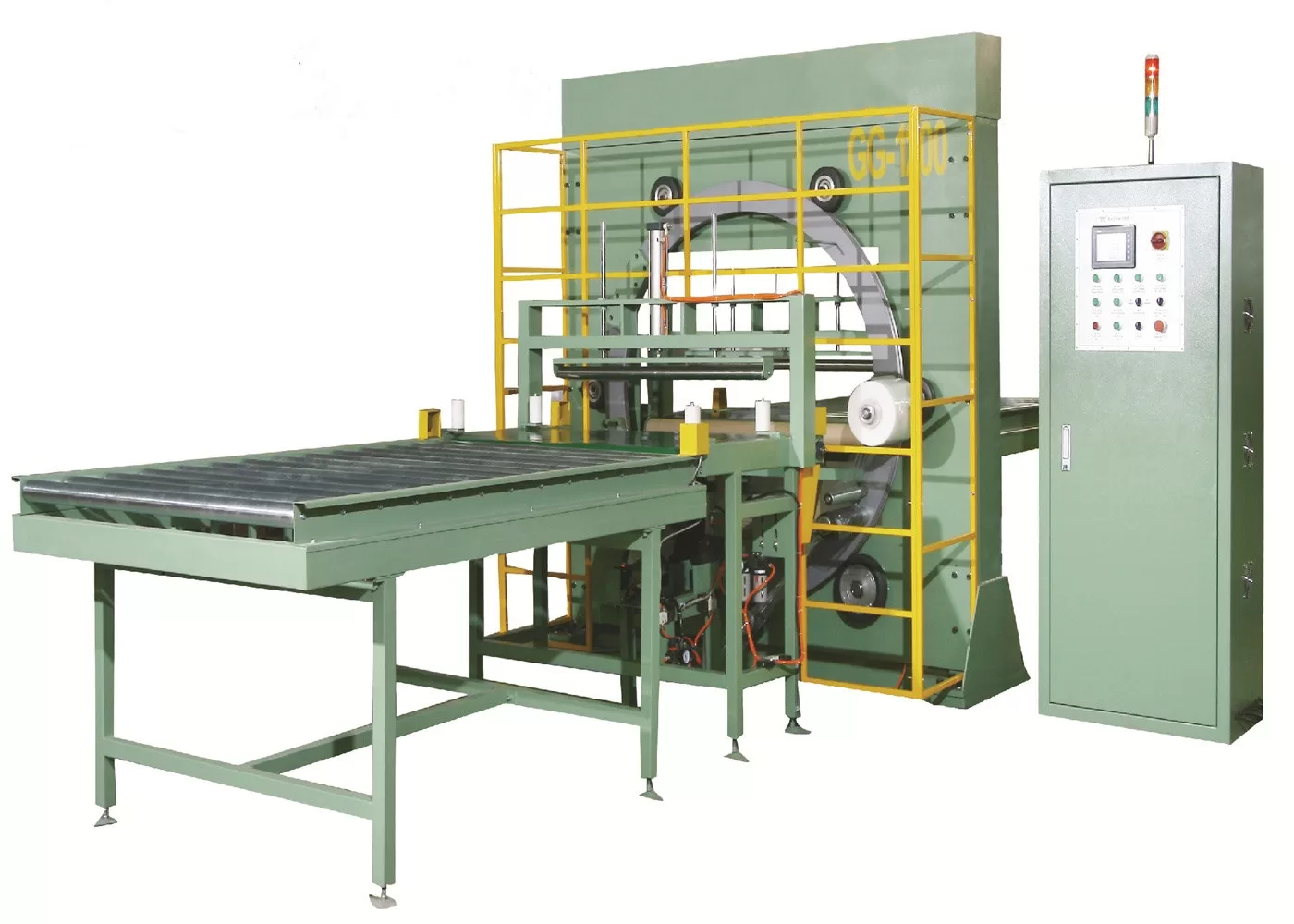
I have always stressed the importance of product protection. From my days working in a factory to running my own, I knew that the packing was the final shield for the product. It is the last chance to ensure everything arrives in perfect condition. Imagine shipping heavy metal coils. If the wrapping is loose or uneven, the edges can get dinged. Water can seep in. Dust and dirt can contaminate surfaces. All these lead to product loss. Michael, the factory manager in Mexico, faces this directly. He sees product damage in internal transfers and during packing. This results in customer complaints and lost profits. An orbital wrapping machine solves this problem with precision. It wraps products tightly and uniformly. The film creates a robust barrier around the item. It protects against dust, moisture, and minor impacts. For long products like pipes, or coils, the orbital motion ensures full coverage. This consistent, protective layer keeps the product safe from the factory floor all the way to the customer’s site. When customers receive undamaged goods, they are happy. Happy customers are repeat customers. They are also more likely to recommend your business. This builds a strong reputation for quality and reliability. In the long run, this means fewer returns, less waste, and a stronger brand. Investing in reliable wrapping technology is not just about adding a machine; it is about protecting your product and securing your customer relationships. It is about delivering on your promise of quality, every single time.
The Shield of Protection: How Smart Wrapping Saves Your Goods 🛡️✨
Effective product wrapping is a crucial component of quality control. It acts as the final line of defense against damage, ensuring that the effort put into manufacturing is not undone during handling and transport.
-
🔒 Consistent and Secure Coverage:
- Problem: Manual wrapping is often inconsistent. Some areas might be too loose, others too tight, leaving parts exposed or vulnerable.
- Impact: Inconsistent coverage means inconsistent protection. Products can shift inside the wrap, leading to surface abrasions or dents. Gaps allow contaminants in.
- Solution: An orbital wrapper applies film with uniform tension and overlap across the entire surface. This creates a secure, tight package that moves as one unit, preventing internal shifting and external exposure.
-
💧 Protection Against Environmental Factors:
- Problem: Products like steel coils are sensitive to moisture and dust. Manual wrapping may not provide a completely sealed barrier.
- Impact: Rust, corrosion, and surface contamination can degrade product quality. This makes the product unsellable or reduces its lifespan, leading to significant financial losses.
- Solution: The stretch film applied by an orbital wrapper, especially with proper overlap, creates a protective seal. This shields the product from humidity, rain, dust, and other environmental hazards during storage and transportation.
-
💥 Impact and Abrasion Resistance:
- Problem: Products can bump into each other or against vehicle walls during loading, unloading, or transit. Loose wraps offer little cushioning.
- Impact: Even minor impacts can cause dents, scratches, or deformities, particularly on sensitive edges or surfaces. These damages lead to customer rejections.
- Solution: The multi-layered stretch film from an orbital wrapper provides a protective cushion. It absorbs minor impacts and prevents abrasions, keeping the product’s finish and integrity intact.
-
✅ Fewer Customer Complaints and Returns:
- Problem: Damaged goods lead to customer dissatisfaction, complaints, and requests for returns or replacements.
- Impact: Each complaint is a strain on customer service resources. Returns are costly due to reverse logistics, inspection, and potential disposal. It also erodes customer trust and loyalty.
- Solution: By delivering products in pristine condition, you build customer confidence. This reduces complaints, minimizes returns, and strengthens long-term business relationships. Happy customers are more likely to place repeat orders and recommend your services.
Beyond the price tag: What makes for a truly smart investment?
When you consider buying a new machine for your factory, is your first thought always about the upfront cost? Many managers focus solely on the price. But what about the bigger picture? What happens after the machine is installed? A true investment should offer more than just a piece of equipment; it should offer a long-term solution and a partnership that helps your business grow.
A truly smart investment in equipment like an orbital wrapping machine goes far beyond the initial price. It includes evaluating the supplier’s industry expertise, their commitment to understanding your specific challenges, the quality of their after-sales support, and the clear, measurable Return on Investment (ROI) in terms of efficiency, safety, and product protection, ensuring long-term business growth.

This is an area I feel strongly about. I started FHOPEPACK because I believe in sharing knowledge and building real partnerships. In my own career, I saw how some suppliers only cared about making a sale. Once the machine was off their dock, they forgot about the customer. That is not how I operate. Michael Chen, the factory manager in Mexico, shares this concern. He has dealt with suppliers who only focused on sales and offered poor after-sales service. This is why he is careful about finding new partners. He wants a supplier who understands his production bottlenecks and safety concerns. This is crucial for a smart investment. When you invest in an orbital wrapping machine, you are not just buying steel and wires. You are buying a solution. You need a partner who understands your industry. They should know the challenges of coil packing or steel wire packing. They should have experience setting up factories and optimizing production lines. This is where my own background comes in. My journey from an employee to a factory owner gives me a unique perspective. I have been in your shoes. I know the pressures you face. A good partner will help you select the right machine for your specific needs. They will ensure proper installation. They will offer training for your staff. Most importantly, they will provide reliable after-sales support. This means spare parts are available. Technicians can help when issues arise. This ongoing support ensures your machine runs smoothly for years. It protects your investment and keeps your factory productive. Without this kind of partnership, even the best machine can become a liability. A smart investment means peace of mind, knowing you have a reliable solution and a trustworthy expert backing you up.
The Partnership Advantage: Maximizing Your Automation Investment 🤝💰
Choosing a packing machine is a strategic decision that extends beyond the initial purchase. The long-term success of your investment hinges on the relationship with your supplier and the holistic value they provide.
-
🧠 Expert Guidance and Industry Understanding:
- Problem: Many suppliers offer generic solutions without truly understanding the specific challenges of your industry (e.g., metal processing, heavy manufacturing).
- Impact: This can lead to purchasing an unsuitable machine that does not fully address your bottlenecks or might even create new ones. It wastes money and time.
- Solution: Partner with a supplier, like FHOPEPACK, whose team has direct industry experience. We understand the nuances of coil and wire packing. We offer tailored advice based on real-world factory operations. This ensures you get the right machine for your unique production environment.
-
🛠️ Robust After-Sales Support and Service:
- Problem: Some suppliers vanish after the sale, leaving you without support for installation, maintenance, or spare parts.
- Impact: Machine breakdowns become critical problems. Downtime increases, leading to production losses. Sourcing parts or expertise becomes difficult and expensive.
- Solution: A reliable partner provides comprehensive after-sales support. This includes:
- Installation Assistance: Proper setup to ensure optimal performance.
- Operator Training: Empowering your team to use the machine effectively and safely.
- Technical Support: Quick troubleshooting and problem resolution.
- Spare Parts Availability: Ensuring minimal downtime when components need replacement.
-
📊 Clear and Measurable ROI:
- Problem: Investments without a clear return analysis can feel like a gamble. It is hard to justify costs without tangible benefits.
- Impact: Without a clear ROI, budget allocations are difficult, and management might question the value of automation.
- Solution: A good partner helps you project and measure the ROI. This includes:
- Cost Savings: Documenting reductions in labor, materials, and product damage.
- Efficiency Gains: Measuring increased throughput and faster delivery times.
- Safety Improvements: Quantifying fewer incidents and lower insurance costs.
- Enhanced Reputation: Tracking improved customer satisfaction and repeat business.
-
📈 Scalability and Future Growth Potential:
- Problem: A machine that solves today’s problems might become obsolete as your business grows or market demands change.
- Impact: This leads to another costly replacement investment sooner than expected.
- Solution: Work with a supplier who offers modular or scalable solutions. They should consider your future growth plans. This ensures your investment today can adapt to your needs tomorrow, protecting your long-term business vision. This forward-thinking approach is key to any truly smart capital expenditure.








