
Door Packing Machine for Italy: Solving the Challenge of Compact Packaging in Limited Factory Spaces?
Do you run a factory in Italy, or anywhere with tight production areas? Do you struggle with packing large items like doors? Manual processes often slow things down. They also take up too much space. This means lower output and higher costs. It can even lead to safety risks and damaged goods.
This problem is real. Many factory managers face it. They need to find a way to pack efficiently without a lot of extra room. Modern door packing machines are the answer. Especially those designed for small spaces. These machines automate the process. They save space. They boost efficiency and make the workplace safer. This helps factories handle their packing needs better.
I have spent many years in the packing machine industry. I started on the factory floor. Then I built my own successful factory. I understand the daily challenges. I know what it takes to make operations smooth and profitable. So, if you are looking for real solutions, keep reading. We will look at how the right door packing machine can change your factory.
Is Limited Space Holding Back Your Factory’s Output?
Does your factory feel cramped? Is space a major issue? This can limit how much you produce. Manual packing of doors takes up a lot of room. Workers need space to move. They need space for materials and finished products. This slows down the entire production line. It stops you from making more.
Limited space does hold back factory output. It creates bottlenecks. Workers cannot move freely. Materials get stacked up. This leads to slow production cycles. It also makes it hard to scale up. Factories need smart solutions. They need to use their available space efficiently. This is key to increasing output.
Many factories, especially in regions like Italy, operate in existing buildings. These often have size limits. Expanding is expensive. Sometimes it is not possible. I saw this challenge many times during my journey. When I ran my own packing machine factory, every square meter counted. We needed machines that did more with less. Traditional packing lines are long. They need much open space. They often involve many steps. This includes manual handling, wrapping, and stacking. Each step uses valuable floor space. It also adds time to the process. This means your doors wait longer to be shipped. This impacts your delivery times. It also reduces customer satisfaction.
The core issue is that space directly affects flow. When flow is restricted, output drops. Imagine a long line of doors waiting to be packed. Each door takes up floor space. Each worker also needs space. This quickly fills up the factory. This problem becomes worse with larger items like doors. They are bulky. They are hard to move. They need careful handling. My experience showed me that clever machine design is crucial. Machines must fit into tight spots. They must also perform complex tasks.
Factories need a compact layout. This allows for better material flow. It also reduces wasted movement. A well-designed door packing machine considers this. It integrates multiple steps into one unit. This reduces the total footprint. For example, some machines can wrap and seal in a single station. This avoids moving the door between different machines. This saves space. It also saves time. It makes the packing process much more efficient. This directly increases how many doors you can pack per hour. It boosts your factory’s overall output.
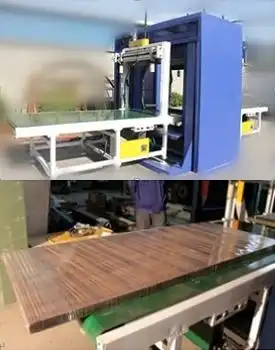
The key is smart engineering. We look at the entire packing process. We identify where space is wasted. Then we design machines that eliminate that waste. This means using vertical space more effectively. It also means compact machine designs. These designs allow for placement in areas where traditional machines would not fit. This opens up new possibilities for factories. They can reorganize their floor plan. They can create more efficient work cells. This helps them produce more without needing a bigger building. It makes better use of what they already have.
The Footprint Problem
- Manual Stations: Many workers, large areas for staging and wrapping.
- Buffer Zones: Space needed for doors waiting for the next step.
- Movement Aisles: Wide paths for forklifts or carts.
The Compact Solution
- Integrated Design: Combines wrapping, sealing, and sometimes labeling into one machine.
- Vertical Automation: Uses height for some operations, reducing floor space.
- Reduced Handling: Fewer times the product needs to be moved around.
Investing in these compact solutions changes the game. It makes your factory more competitive. It lets you produce more with your current facility. This is a smart move for any factory manager. It addresses the real challenge of limited space head-on.
Can Automated Door Packing Machines Truly Boost Your Efficiency and Safety?
Are your current door packing methods slow and risky? Manual handling of heavy doors is inefficient. It is also very dangerous. Workers can get hurt. This leads to high insurance costs. It also causes employee turnover. You need a better way to pack your products. You need to protect your team.
Yes, automated door packing machines can greatly boost both efficiency and safety. They reduce the need for manual labor. They speed up the packing process. This means fewer human errors. It also means fewer accidents. Machines handle the heavy lifting. They perform repetitive tasks. This frees up your workers. They can do other, less dangerous jobs. This makes your factory run better and safer.
My journey in the packing machine industry taught me a lot about risk and reward. When I started my factory, safety was always a top priority. Manual processes for heavy items like steel coils or even doors are full of dangers. Workers strain their backs. They get pinch injuries. They can even drop heavy items on themselves or others. I have seen it happen. It is not only bad for the workers. It is also bad for the business. Work-related injuries increase insurance premiums. They lead to lost workdays. They also create a negative work environment. This harms employee morale. It makes it hard to retain good people.
Automated door packing machines solve these problems. They take the human element out of hazardous tasks. For instance, a machine can lift, rotate, and wrap a door much more safely than a team of people. The machine follows precise programming. It performs the same motion every time. This reduces the risk of error. This also reduces the risk of accidents. Think about the repetitive strain injuries that manual wrapping can cause. An automated machine eliminates this entirely. Workers are not twisting. They are not bending. They are not reaching awkwardly. This leads to a healthier workforce.
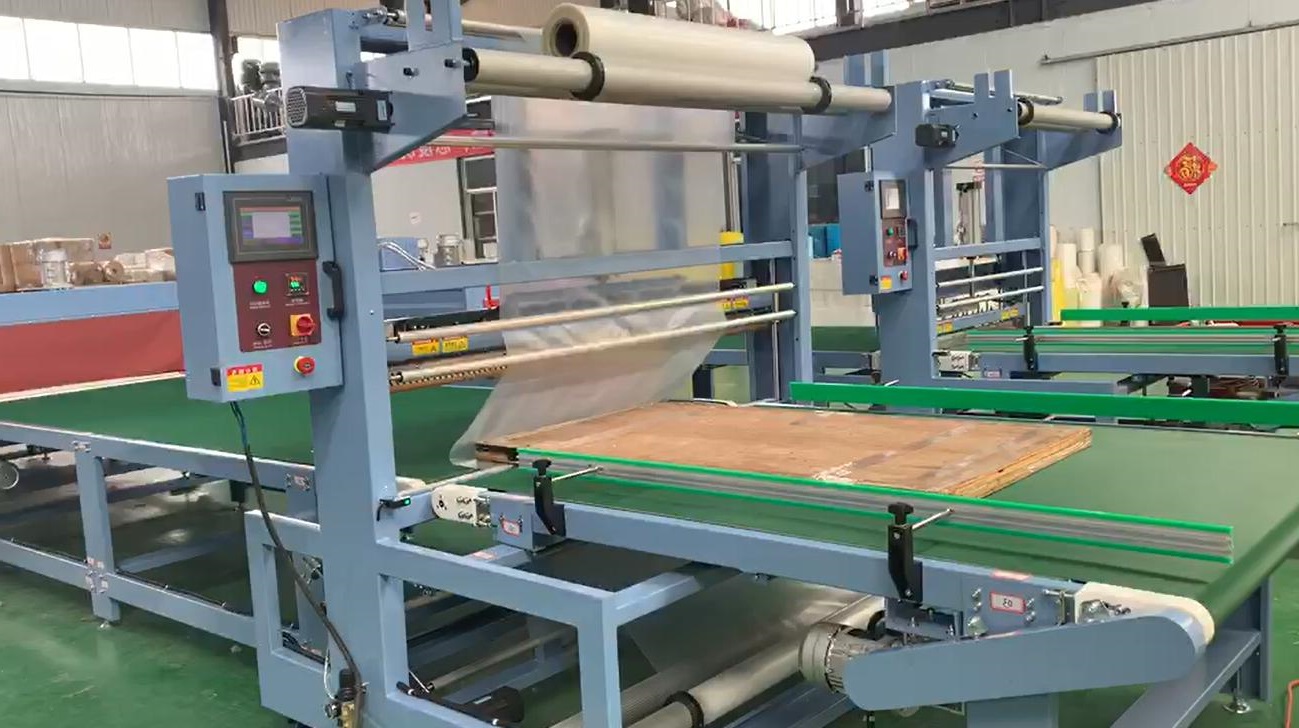
From an efficiency standpoint, automation is a clear winner. Humans have limits. They get tired. They need breaks. Their speed can vary. Machines do not. They can work continuously. They maintain a consistent speed. This means higher throughput. If you need to pack 100 doors in a shift, a machine can do it reliably. Manual teams might struggle. They might not reach that number. This consistency is vital for meeting production targets. It helps keep your supply chain moving smoothly.
Furthermore, automated machines use materials more effectively. They apply film or strapping precisely. This reduces waste. Manual wrapping can be messy. It can use too much material. This adds to your costs. A machine optimizes material usage. This saves money in the long run. It also creates a more professional-looking package. This is good for your brand.
Safety Improvements with Automation
- Reduced Manual Handling: Machines lift and move heavy doors. Workers avoid strain.
- Consistent Operation: Predictable movements reduce sudden risks.
- Guard Systems: Machines have safety sensors and guards. These protect operators.
Efficiency Gains with Automation
- Faster Cycle Times: Machines pack much quicker than humans.
- Continuous Operation: No breaks, no fatigue. Machines work nonstop.
- Material Optimization: Less waste of packing materials.
By investing in automation, you are not just buying a machine. You are investing in your workers’ safety. You are also investing in your factory’s future. It is a smart move. It pays off in many ways. It brings peace of mind and better profits.
How Does Smart Packaging Protect Your Products and Your Profits?
Are your products getting damaged during handling and shipping? Do you see dents or scratches on steel coil edges, or now, on door surfaces? This leads to customer complaints. It also cuts into your profits. Every damaged item is a loss. You need a way to protect your products better.
Smart packaging protects your products by using automated, precise methods. It reduces human contact. It applies the right amount of protective material. This stops damage during transport and storage. This means fewer returns. It means fewer complaints. It also means higher customer satisfaction. This directly boosts your profits by cutting losses.
I have seen the pain of product damage first-hand. In my early days, when we packed steel wire and coils, even a small scratch on an edge could lead to a client rejecting a whole shipment. The same is true for doors. A dented corner or a scuff on the surface can ruin a perfect product. This is not just a cosmetic issue. It costs money. There is the cost of the damaged goods. There is the cost of rework. There is the cost of reshipping. Then there is the biggest cost: lost customer trust. A single bad experience can make a client look for another supplier. I learned that protecting the product is protecting the business.
Manual packaging methods often contribute to damage. Workers might not wrap consistently. They might drop an edge. They might overtighten a strap, causing marks. Human error is a factor. Also, the materials used might not be applied correctly. This leaves parts of the product vulnerable. For doors, edges and corners are especially fragile. They are prone to impact damage.
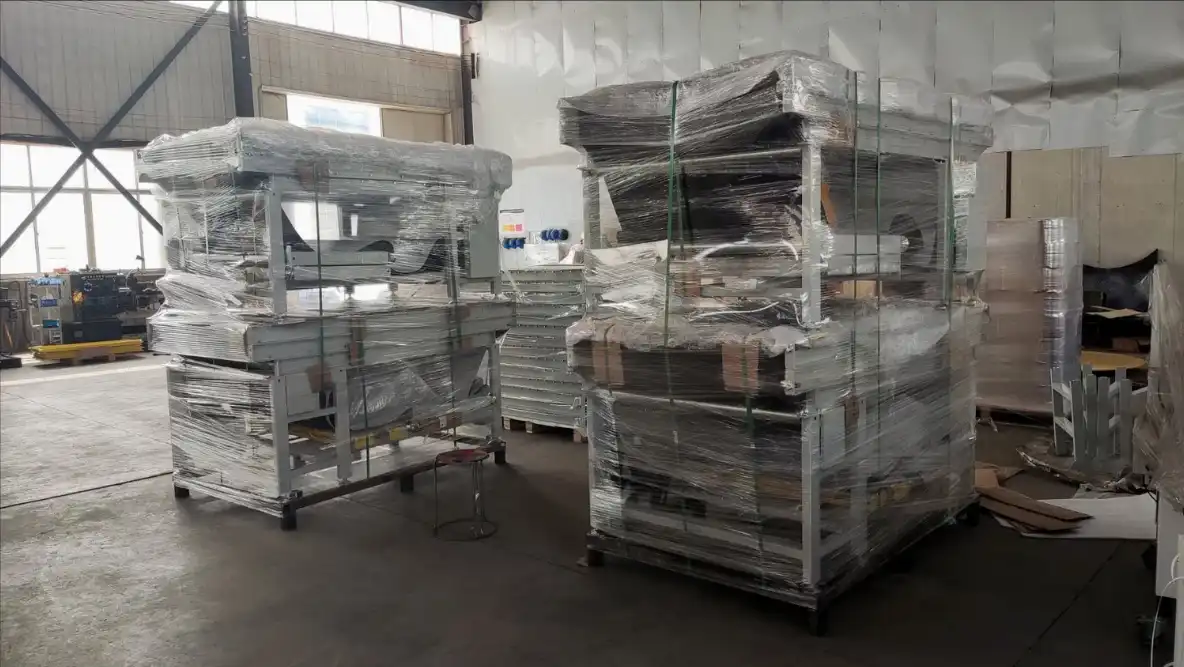
Smart packaging, powered by automated machines, solves these problems. These machines apply protective wrapping with precision. They use specific tensions. They cover all vulnerable areas. For example, a horizontal wrapping machine can completely enclose a door. It creates a tight, protective layer. This layer shields the door from bumps. It shields it from scratches. It shields it from dust and moisture. This ensures the product arrives at the customer in perfect condition.
This precision packaging also reduces material waste. Manual processes can use too much film or strapping. Or they might use too little, leading to poor protection. Automated systems are programmed to use the optimal amount. This saves money on materials. It also contributes to a more sustainable operation. This is good for the environment. It is also good for your bottom line.
When products arrive safely, customers are happy. Happy customers order again. They recommend you to others. This builds a strong reputation. It drives repeat business. It allows you to charge a fair price for your quality products. This directly translates into higher profits. The initial investment in a smart packaging machine pays for itself quickly. It pays for itself through reduced losses. It also pays through increased customer loyalty.
Causes of Product Damage
- Human Error: Inconsistent wrapping, accidental drops.
- Inadequate Protection: Too little material, gaps in coverage.
- Rough Handling: During internal transport or loading.
Benefits of Smart Packaging
- Uniform Protection: Consistent, complete wrapping.
- Reduced Handling: Fewer touchpoints, less chance of damage.
- Optimized Materials: Just the right amount of film or strapping.
Protecting your products is a non-negotiable part of business. Smart packaging machines give you that protection. They safeguard your products and your reputation. They directly impact your factory’s profitability.
Why Is Choosing the Right Partner as Crucial as the Machine Itself?
Have you ever bought equipment from a supplier who only cared about the sale? Did they disappear after the delivery? Did they leave you without good after-sales support? This creates a trust crisis. You become very careful about new partners. You need someone who truly understands your needs.
Choosing the right partner is as crucial as the machine itself. A good partner offers more than just equipment. They provide expertise. They offer reliable support. They understand your factory’s specific challenges. They are there for the long haul. This builds trust. It ensures your investment truly pays off. They help you solve problems, not just sell products.
My journey from factory employee to factory owner showed me the critical role of strong partnerships. In the packing machine industry, a machine is only as good as the support behind it. I remember buying equipment early on. Some suppliers were great at selling. But when problems came up, they were nowhere to be found. This led to frustrating downtime. It led to expensive repairs. It even led to missed deadlines. I learned that a reliable partner is worth more than a slightly cheaper machine.
When you invest in a door packing machine, you are making a significant financial commitment. This is not a small purchase. You need confidence that the machine will perform. You also need to know that help is available if it breaks down. A true partner understands your pain points. They know about your production bottlenecks. They know your safety concerns. They know your efficiency goals. They listen to your challenges. Then they offer solutions. This is much more than just pushing a product.
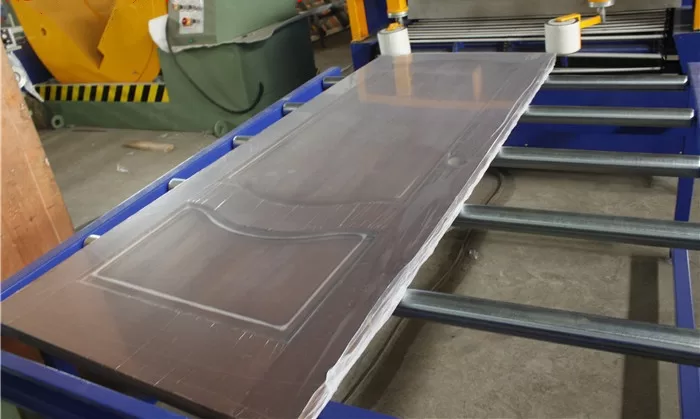
A good partner provides pre-sales consultation. They help you choose the right machine for your specific factory setup. This means looking at your available space. It means considering your production volume. It means understanding your product dimensions. They might even suggest custom solutions. This tailored approach ensures the machine fits your needs exactly. It avoids costly mistakes.
After the sale, support is key. This includes installation help. It includes training for your staff. It includes technical support for troubleshooting. It includes spare parts availability. If a machine breaks down, you need it fixed fast. Every hour of downtime costs you money. A strong partner ensures quick response times. They minimize your losses. They also help you maintain the machine. This extends its lifespan. This protects your investment.
When I started FHOPEPACK, my goal was clear. I wanted to be the partner I wished I had earlier in my career. I wanted to share knowledge. I wanted to help clients truly succeed. This means being transparent. It means being reliable. It means focusing on long-term relationships. This is how trust is built. It ensures your packaging solution truly boosts your business.
Qualities of a Good Partner
- Industry Expertise: Deep understanding of your specific needs and challenges.
- Strong After-Sales Support: Reliable technical help, spare parts, training.
- Problem-Solving Approach: Focus on solutions, not just sales.
- Long-Term Commitment: Invested in your ongoing success.
Risks of a Bad Partner
- Lack of Support: Machine downtime, costly delays.
- Unsuitable Equipment: Poor fit for your factory, leading to inefficiency.
- Hidden Costs: Unexpected expenses for repairs or parts.
Choosing wisely means looking beyond the price tag. Look for a partner who values your success as much as their own. This partnership will be crucial for your factory’s growth.
My Insights on Mastering Compact Packaging in Italy?
So, how do we really master compact packaging, especially in places like Italy with specific factory layouts? It is not just about buying a machine. It is about a smart approach. This approach needs careful planning. It needs a deep understanding of your space. It also needs the right technology.
Mastering compact packaging in Italy involves strategic thinking. First, you must assess your current layout thoroughly. Second, you must identify areas where space is wasted. Third, you must integrate multi-functional packing machines. These machines should be designed for a small footprint. They should also maximize vertical space. This holistic approach turns space constraints into opportunities for efficiency.
From my years in the packing machine industry, I have learned a simple truth. Space is currency in a factory. This is especially true in countries like Italy. Here, many factories are older. They are in urban areas. They do not have endless room for expansion. When I built my factory, I had to be smart about every piece of equipment. I had to think about flow. I had to think about bottlenecks. This thinking applies directly to compact packaging. You cannot just put a large machine anywhere. It needs to fit into your existing flow. It needs to make that flow better.
My insights focus on three key areas. These areas help factories master compact packaging.
1. The Space Audit: Know Your Limits and Opportunities
Before you buy any machine, you must understand your factory floor. Walk through your current packing area. Measure everything. Look at how materials move. Where are the bottlenecks? Where do products sit idle? This detailed audit helps you identify wasted space. It also shows you where a compact machine could make the biggest difference.
For example, do you have high ceilings that are not used? Can you integrate an overhead crane system? This can reduce floor space needed for forklifts. Are there unused corners? Can a compact machine fit there? This might free up main aisles. This process is like mapping a puzzle. Each piece must fit perfectly.
| Audit Area | Goal | Action |
|---|---|---|
| Footprint | Measure current machine & manual areas | Draw layout; identify wasted squares |
| Flow Paths | Track material and product movement | Highlight inefficient routes or bottlenecks |
| Vertical Space | Identify unused height | Check for opportunities to stack or use overhead systems |
| Storage Areas | Assess raw materials & finished goods | Optimize shelving; consider automated storage |
This audit is not just about what you lack. It is about what you have. It reveals the hidden potential in your current factory. It helps you make data-driven decisions.
2. The Multi-Function Machine: One Machine, Many Tasks
Many traditional packing lines have separate machines for each step. One for wrapping. One for strapping. One for labeling. This takes up a lot of space. It also means products move more. More movement equals more risk of damage. It also equals less efficiency.
The solution is multi-function machines. These machines integrate several steps into one compact unit. For a door packing machine, this might mean a machine that automatically wraps, then applies corner protection, and perhaps even labels the package. All in one place. This greatly reduces the required footprint. It also makes the process faster. It minimizes manual handling.
Consider a machine that can handle different door sizes. It should adjust automatically. This makes it versatile. It removes the need for multiple specialized machines. This is crucial for factories that produce a variety of door types. It means you get more value from a single investment.
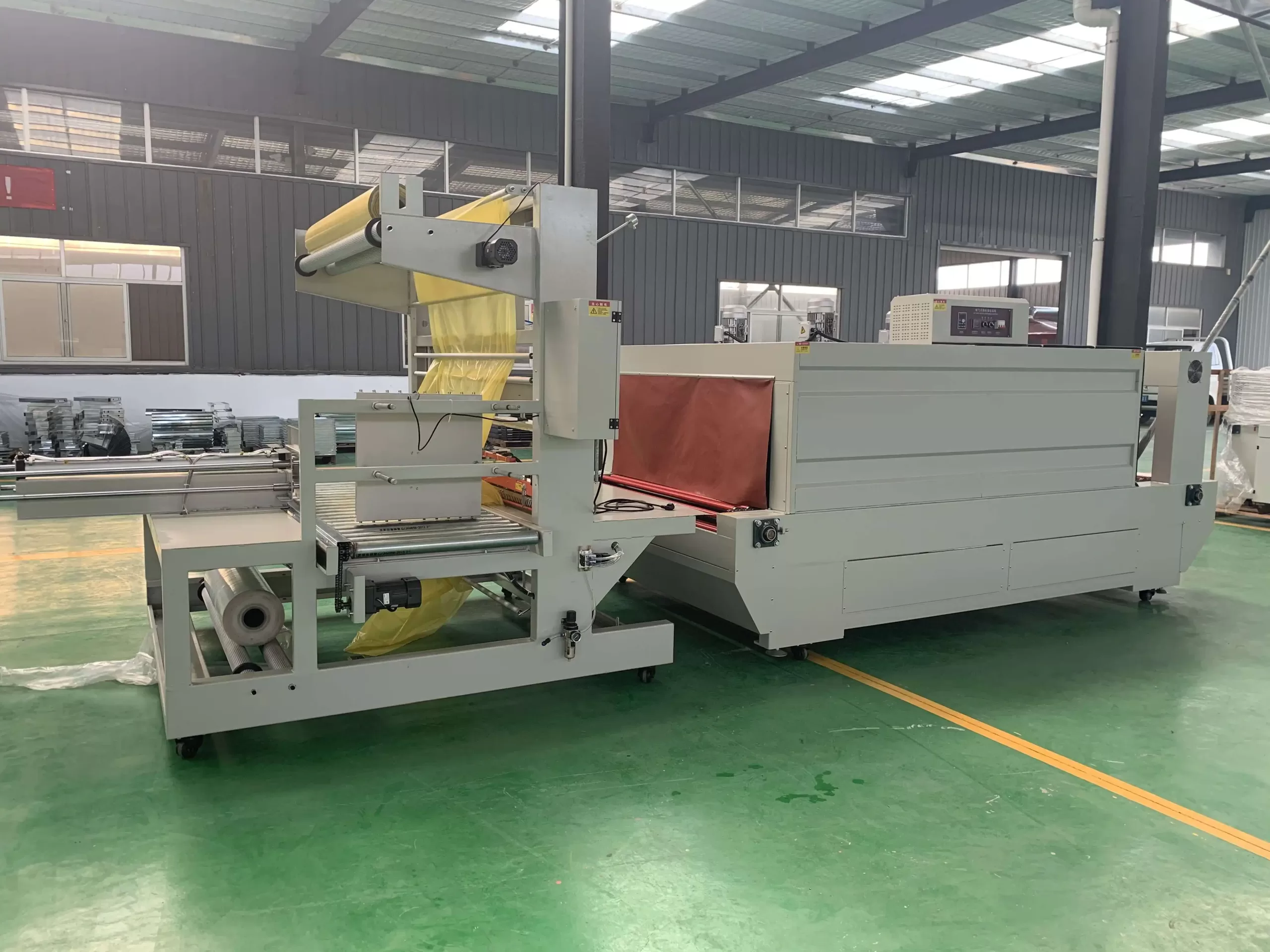
3. Smart Integration: Connecting Your Packing Line to the Whole Factory
A compact packing machine does not work in isolation. It must fit into your entire production flow. This means considering how doors arrive at the packing station. It means thinking about how they leave it.
Can you use conveyors to feed doors into the machine? This removes the need for forklifts. Can the packed doors be automatically moved to a shipping area? This reduces manual transport. Smart integration is about linking the packing process seamlessly with upstream and downstream operations. This ensures a smooth, uninterrupted flow. It maximizes the benefits of your compact machine. This also reduces labor costs. It reduces the chance of accidents. It keeps your factory running like a well-oiled machine. This is how you truly master compact packaging. It is about making your entire factory smarter.
This comprehensive approach makes all the difference. It ensures your investment in a door packing machine in Italy, or anywhere, is not just a purchase. It is a strategic move that enhances your overall factory efficiency and profitability.
Conclusion
Mastering compact packaging is crucial for modern factories, especially in space-limited environments like Italy. Automated door packing machines boost efficiency, improve safety, and protect profits. Choosing a reliable partner is as important as the machine itself.








