

In today’s fast-paced manufacturing environment, ensuring safety while maintaining efficiency is crucial. Coil upender models can vary greatly in this aspect, making an informed choice vital for operational success.
When comparing coil upender models, prioritize features like interlocks, emergency stops, and load constraints. Look for designs promoting stable coil maneuvering. Effective safety features reduce risks and safeguard operations, providing peace of mind.


Navigating the diverse landscape of coil upender models necessitates a keen understanding of safety mechanisms. Knowing what to look for helps in selecting equipment that not only meets operational needs but also complies with safety standards.
1. What are the essential safety features in coil upender models?
Safety is our top priority when selecting machinery for coil handling. Various models offer different safety features that can significantly impact their suitability for your needs.
Some key safety features to consider are interlock systems, emergency stop buttons, and secure load handling mechanisms. These features collectively work to minimize accidents, protect employees, and ensure the safe transport of coils during the upending process.

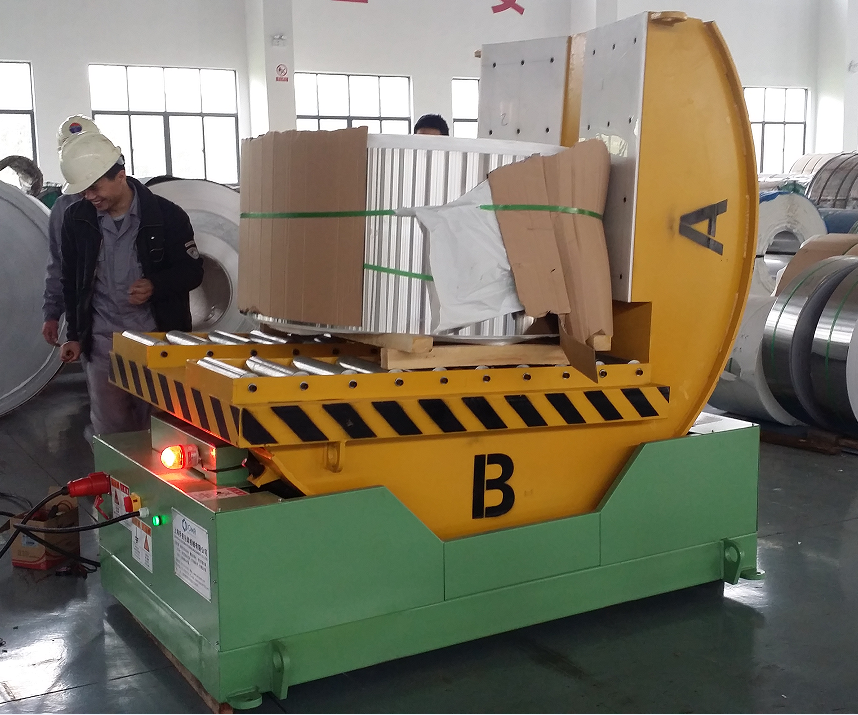
Deep Dive into Coil Upender Safety Features
For a comprehensive understanding, it is crucial to break down these features into actionable insights. Let’s explore each element critically.
Interlock Systems
Interlock systems prevent operation unless certain conditions are met, ensuring the machine only works under safe parameters. This can prevent misuse and accidental startups. Safety interlocks add a vital layer of protection, making them essential in environments where multiple personnel are involved.
Emergency Stop Mechanisms
Quick response to emergencies is pivotal. Emergency stop buttons should be easily accessible and strategically placed. A well-designed system will halt all operations immediately, reducing the risk of injury or damage.
Load Handling Mechanisms
Proper load securing features ensure that coils do not shift or fall during the upending process. Models with robust securing systems keep operators safe while maintaining coil integrity. Safety isn’t just about feature presence; it’s about how effectively these features integrate into daily operations.
Comparisons between models should focus on these safety systems’ efficiency, reliability, and usability. Not all manufacturers prioritize these equally, so it’s vital to scrutinize product specifications and real-world performance feedback. In my experience, consulting with teams across production and safety departments provides critical insights and validation of safety features before finalizing purchases.
2. How do different coil upender models compare in terms of safety standards?
Packing machine safety is crucial. Safety standards differ across coil upender models, impacting operations. Choosing the right model can minimize risks and boost productivity.
Different coil upender models adhere to distinct safety standards, ensuring varying levels of protection and efficiency depending on design and technology. Understanding these standards is essential for making informed decisions.

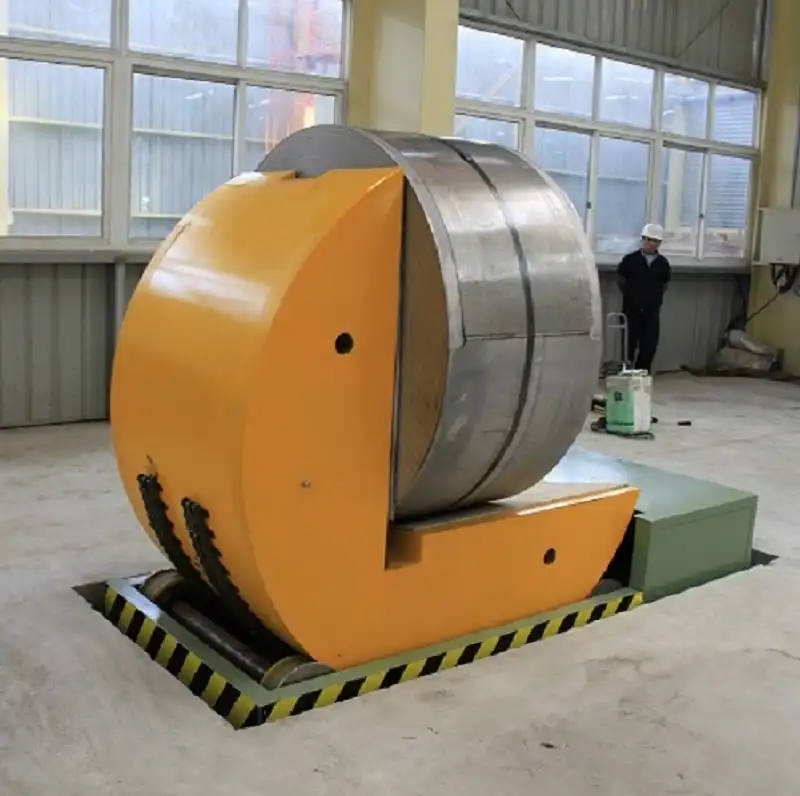
Comparing Coil Upender Models
To better understand how coil upender models vary in safety standards, we need to look into key factors like compliance certifications, built-in safety features, and historical performance data. Different models come with diverse safety frameworks, each suiting specific industry requirements. For example, CE and ISO certifications assure compliance with international safety norms. Automated safety features further enhance operational security and minimize the potential for human error. Historical data often indicates the reliability and safety record of a particular model.
| Coil Upender Model | Safety Certifications | Key Safety Features | Performance Record |
|---|---|---|---|
| Model A | CE, ISO | Automatic lock mechanisms | High |
| Model B | UL | Manual safety stops | Moderate |
| Model C | CE, UL | Remote monitoring system | High |
Understanding the distinction among these models enables businesses to make informed decisions, ensuring that the selected coil upender meets the necessary safety requirements for their specific applications. This not only ensures regulatory compliance but also provides peace of mind regarding employee safety during operations.
3. What safety innovations are leading trends in coil upender models?
Safety innovation in coil upenders is reshaping industry standards. As automation grows, innovations enhance safety. I’ve seen remarkable progress in this field.
Leading safety innovations in coil upender models include smart sensors for real-time monitoring, improved ergonomic designs, and advanced braking systems, offering higher safety and efficiency.

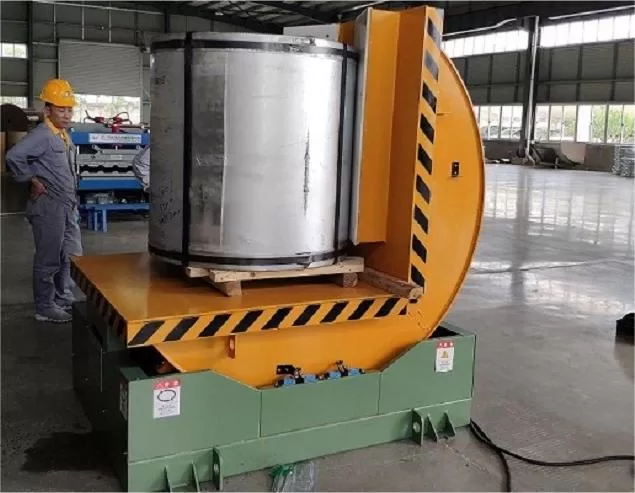
Exploring Leading Safety Innovations
Technological advancements play a crucial role in revolutionizing coil upender safety. Smart sensors are increasingly used to detect abnormalities during operation, providing real-time feedback to operators. This allows prompt intervention, improving operational safety. Ergonomic designs are also gaining popularity. These designs prioritize operator comfort, reducing fatigue and the risk of accidents. Advanced braking systems offer improved control, ensuring smooth operation and minimizing risks during loading and unloading.
| Safety Innovation | Description | Impact on Operations |
|---|---|---|
| Smart Sensors | Provide real-time monitoring | Enhances safety |
| Ergonomic Designs | Reduce operator fatigue | Improves efficiency |
| Advanced Braking | Offers better control | Minimizes risks |
These innovations not only align with current safety standards but also push the boundaries of what’s possible in coil upender technology. As the industry evolves, adapting these advancements becomes crucial for ensuring both operational safety and productivity.
Conclusion
In conclusion, safety features are important in selecting coil upender models. They ensure safer, more efficient operations, and reduce risks. Technological advancements, like smart sensors and ergonomic designs, contribute significantly to this. Investing in safety ensures compliance and provides a safer working environment for everyone involved. Summarize the importance of safety features in selecting coil upender models, highlighting how advancements in this area contribute to safer and more efficient operations.












