
Compare the Best Steel Wire Packing Lines | Features, Speed & Automation Levels
Are you tired of seeing your production line slow down because of inefficient, manual steel wire packing? Do high labor costs and constant safety concerns keep you awake at night, knowing that every heavy lift puts your team at risk and impacts your bottom line? I’ve been there, overseeing operations where bottlenecks at the packing stage felt like anchors dragging down the entire factory. It’s a frustrating reality for many, and it directly affects your ability to meet deadlines and secure your profit margins.
The best steel wire packing lines offer a powerful combination of advanced features, superior speed, and flexible automation levels, directly addressing the core challenges faced by modern metal processing plants. These integrated systems are designed to boost throughput, enhance safety, and provide a clear return on investment by transforming your end-of-line operations into a streamlined, efficient process.
My journey in the packing machine industry, from an engineer to building a successful factory, has shown me firsthand the transformative power of the right equipment. I know the pressures you face, Michael, from enhancing output to controlling costs and ensuring safety. This isn’t just about buying a machine; it’s about making a strategic investment that truly understands and solves your production dilemmas. Let’s dive deeper into what makes a steel wire packing line truly excel and how it can benefit your operation.
1. What are the core features of an efficient steel wire packing line?
Often, basic packing machines seem appealing due to their lower upfront cost, but they quickly reveal their limitations, becoming bottlenecks that hinder overall production flow. This can lead to frequent breakdowns, inconsistent package quality, and increased product damage, ultimately costing more in the long run than the initial savings. Understanding the truly essential features is critical to avoid these common pitfalls and ensure your investment supports long-term operational excellence.
An efficient steel wire packing line integrates robust mechanics, precise tension control, versatile material handling, and intelligent control systems. These features are vital for ensuring secure, damage-free, and rapid packaging of various wire and coil sizes, protecting your products and streamlining your factory operations from the moment wire leaves production to when it’s ready for shipment.
Investing in a steel wire packing line with comprehensive features is not an extravagance; it’s a necessity for any metal processing factory aiming for high performance and reliability. From my experience helping clients, I’ve seen how these capabilities directly translate into reduced product loss and higher customer satisfaction. Consider these critical features that define a top-tier system:
💪 Robust Construction and Durability
- Built for Heavy Industry: The core structure must be heavy-duty, designed to withstand the continuous stress of packing large, heavy steel coils and wire bundles. This means using high-quality steel and components that can endure harsh factory environments.
- Long-Term Reliability: A durable machine minimizes downtime for repairs, which is crucial when every minute of production counts. I always emphasize looking for machines engineered for longevity, reflecting the demanding nature of coil handling and packaging.
- Vibration Reduction: Effective design also includes features to reduce vibration during operation, protecting machine components and ensuring consistent packing quality over time.
⚙️ Precision Tension Control System
- Consistent Wrapping Quality: This feature ensures that the wrapping material (film, paper, or woven strip) is applied with uniform tension around the steel coil or wire bundle. This prevents loose packaging that can unravel or tight packaging that could damage delicate wire edges.
- Product Protection: For industries like steel and heavy manufacturing, maintaining product integrity is paramount. Precise tension control ensures your valuable coils are securely wrapped, guarding against scratches, abrasion, and environmental damage during transit and storage.
- Adjustable for Different Materials: The system should allow easy adjustment of tension settings to accommodate various wrapping materials and different coil sizes or weights, providing flexibility for diverse product lines.
🔄 Versatile Coil Handling and Transfer
- Automated Infeed and Outfeed: The ability to seamlessly integrate with existing production lines, handling coils as they come off the line and transferring them efficiently once packed, is a game-changer. This reduces manual intervention, which in turn reduces labor and safety risks.
- Tilting and Stacking Capabilities: Many advanced lines include automatic coil tilting and stacking mechanisms. This means fewer forklifts and manual operations, which are often slow and accident-prone. These systems are crucial for optimizing floor space and preparing coils for immediate shipping.
- Customizable Conveyor Systems: Depending on your factory layout and specific needs, the line should offer various conveyor options (roller, chain, belt) to ensure smooth, damage-free movement of coils through the packing process.
🧠 Intelligent Control Systems and User Interface
- Intuitive HMI (Human-Machine Interface): A user-friendly touchscreen interface allows operators to easily monitor the packing process, adjust settings, and diagnose issues without extensive training. This simplicity is key for maximizing uptime.
- Programmable Logic Controllers (PLCs): Modern packing lines are driven by robust PLCs that manage complex sequences, ensure precise movements, and allow for customized packing programs based on product type, size, and desired wrap patterns.
- Fault Diagnostics and Remote Support: The system should offer real-time diagnostics to quickly identify and troubleshoot problems, minimizing downtime. Some advanced systems even allow for remote monitoring and support, enabling faster issue resolution.

2. How do different automation levels impact steel wire packing speed and productivity?
When relying on manual processes for steel wire packing, factories often face significant bottlenecks, directly impacting their ability to meet production targets. This traditional approach is not only slow and prone to errors but also incurs high labor costs and limits overall output. Without embracing automation, facilities can quickly fall behind competitors, struggling to keep up with market demands and deliver products efficiently.
Different automation levels in steel wire packing lines directly correlate with speed and productivity; semi-automatic systems offer a balance for smaller operations, while fully automatic and integrated lines significantly boost throughput by minimizing manual intervention, leading to faster cycles and higher output for metal processing plants that require continuous high-volume production. (automated steel wire packaging productivity)
Understanding the spectrum of automation available allows you to choose the right level for your factory’s specific needs, budget, and future growth plans. From my own journey, I’ve seen how choosing the right level of automation can transform a struggling production line into a highly efficient operation. It’s about finding the sweet spot where technology empowers your team and your business.
➡️ Semi-Automatic Packing Lines
- Operator Involvement: In a semi-automatic setup, an operator typically loads the steel coil or wire bundle onto the machine and initiates the wrapping cycle. The machine then performs the wrapping function, after which the operator unloads the finished package.
- Balancing Cost and Efficiency: These systems offer a good balance between manual labor and automated processes. They are generally more affordable than fully automatic lines, making them suitable for factories with moderate production volumes or those just beginning their automation journey.
- Improved Consistency: While requiring human interaction, semi-automatic machines still provide a much more consistent and secure wrap than entirely manual methods, reducing product damage and improving presentation.
- Productivity Boost: Even with operator involvement, these lines significantly speed up the wrapping process compared to hand-wrapping, freeing up labor for other tasks.
⚙️ Automatic Packing Lines
- Reduced Manual Intervention: Automatic packing lines automate more steps, often including automated loading of coils onto the wrapping station and automated discharge once wrapping is complete. An operator’s role shifts more towards supervision and material replenishment.
- Significant Speed Increase: These systems offer a substantial increase in packing speed and throughput compared to semi-automatic options. They are designed for continuous operation, making them ideal for factories with higher production volumes.
- Enhanced Reliability: With fewer manual steps, there is less room for human error, leading to more consistent package quality and reduced risk of production interruptions.
- Examples: This might include automatic strapping, weighing, or basic labeling integrated into the wrapping sequence.
🤖 Fully Integrated and Smart Packing Lines
- Minimal Human Interaction: These are the pinnacle of automation, where the entire packing process—from coil indexing and loading to wrapping, strapping, labeling, weighing, and even stacking or palletizing—is fully automated and seamlessly integrated.
- Maximum Throughput and Efficiency: Fully integrated lines deliver the highest possible packing speeds and productivity. They operate continuously with minimal supervision, drastically reducing labor costs and maximizing output.
- Data Integration and IoT: Smart packing lines often feature IoT (Internet of Things) capabilities, allowing for real-time data collection on production rates, machine performance, and diagnostics. This data can be integrated with factory management systems (MES/ERP) for optimized decision-making.
- Adaptive Capabilities: Advanced sensors and software can detect different coil sizes or types and automatically adjust packing parameters, ensuring optimal performance across a diverse product range without manual changes.
| Automation Level | Key Characteristics | Typical Speed Increase (vs. Manual) | Labor Requirement | Investment Level |
|---|---|---|---|---|
| Manual | Entirely human operation, high physical demand | Baseline | Very High | Very Low |
| Semi-Automatic | Operator loads/unloads, machine wraps | 2x – 4x | Medium | Medium |
| Automatic | Automated loading, wrapping, conveying; supervised | 5x – 8x | Low | High |
| Fully Integrated | Full automation from infeed to outfeed, data sharing | 10x+ | Very Low (supervisory) | Very High |

(full automation packing lines)
3. What are the key safety benefits of advanced steel wire packing solutions?
In factories dealing with heavy materials like steel coils and wire, manual handling is not just inefficient; it’s a major safety hazard. Workers are constantly at risk of strain injuries, crushes, or other serious accidents when manually manipulating heavy, unwieldy products. This leads to high injury rates, increased insurance premiums, and costly employee turnover, creating a cycle of risk and expense for the factory.
Advanced steel wire packing solutions dramatically enhance workplace safety by reducing reliance on manual heavy lifting, incorporating robust safety interlocks, remote operation capabilities, and automated handling systems. These features collectively minimize accident risks and protect factory personnel from common industrial hazards, creating a safer working environment and ultimately lowering operational liabilities for the factory manager. (industrial safety in packaging)
Prioritizing safety through automation is not just a moral imperative; it’s a smart business decision. As someone who has built and operated factories, I deeply understand the importance of protecting your most valuable asset: your people. The following safety benefits highlight why modern packing lines are essential for a secure working environment.
🚫 Reduced Manual Handling of Heavy Loads
- Eliminating Physical Strain: Automated systems take over the arduous task of lifting, moving, and positioning heavy steel coils and wire bundles. This directly eliminates the primary cause of musculoskeletal injuries, back strains, and repetitive stress injuries among workers.
- Lower Accident Risk: Fewer manual touchpoints mean a significantly reduced chance of dropped loads, crushing injuries, or accidents involving heavy machinery like forklifts. This is a critical factor in enhancing overall factory safety records.
- Improved Ergonomics: The design of advanced packing lines considers ergonomic principles, ensuring that any necessary human interaction is done at safe heights and with minimal physical effort, further protecting operators.
🛡️ Comprehensive Safety Guards and Interlocks
- Physical Barriers: Automated packing machines are equipped with physical safety guards, fences, and light curtains that prevent operators from entering hazardous zones when the machine is in operation. This is a fundamental layer of protection.
- Interlock Systems: These intelligent systems ensure that machine components cannot operate if safety doors are open or if an operator is detected within a designated danger area. This prevents accidental startup and protects personnel from moving parts.
- Emergency Stop Buttons: Strategically placed emergency stop buttons provide operators with immediate control to halt the machine in case of an unforeseen hazard, offering an instant response mechanism to critical situations.
🛑 Automated Error Detection and Prevention
- Sensor Technology: Modern packing lines use an array of sensors to detect misaligned products, wrapping material run-outs, or operational anomalies. These systems can automatically pause or stop the machine to prevent damage to products or components, as well as potential safety incidents.
- Predictive Maintenance: Some advanced systems incorporate predictive maintenance capabilities, alerting maintenance teams to potential component failures before they occur. This proactive approach helps prevent breakdowns that could lead to unexpected hazards.
- Warning Systems: Visual and audible alarms notify operators of potential issues or when the machine is about to start, ensuring awareness and preventing surprises.
⚙️ Enhanced Control and Remote Operation
- User-Friendly Control Panels: Intuitive HMIs reduce complexity for operators, leading to fewer errors and safer interactions with the machine. Clear instructions and visual cues guide operators through safe operating procedures.
- Remote Monitoring and Diagnostics: The ability to monitor machine status and perform diagnostics remotely minimizes the need for personnel to be in close proximity to moving machinery during operation, especially during troubleshooting.
- Safety Training Integration: Reputable suppliers, like FHOPEPACK, often provide comprehensive safety training as part of the installation, ensuring your team is fully equipped to operate the new equipment safely and efficiently.
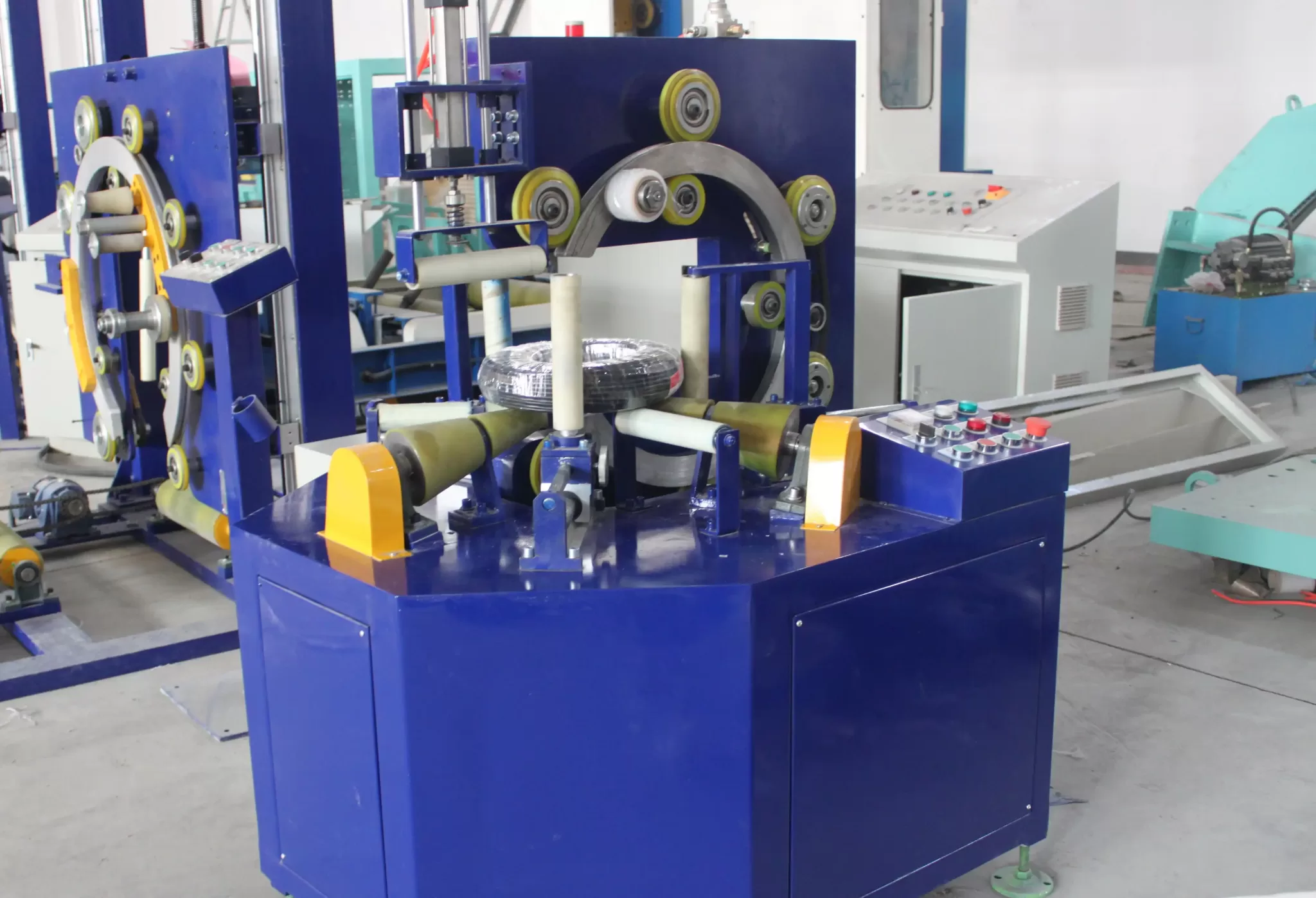
(worker injury prevention)
4. How can a strategic investment in packing lines deliver a clear ROI for your factory?
The thought of a substantial upfront investment in new machinery can be daunting, leading many factory managers to delay crucial upgrades. This hesitation often comes from uncertainty about how quickly or effectively the investment will pay off, overshadowed by fears of high initial costs and unclear returns. However, failing to invest strategically perpetuates inefficiency and allows competitors to gain a significant advantage.
A strategic investment in modern steel wire packing lines delivers clear ROI by significantly cutting labor costs, reducing product damage and waste, improving throughput to meet demanding delivery schedules, and boosting customer satisfaction through consistent, high-quality packaging. Ultimately, this leads to higher overall factory profitability and strengthens your competitive advantage in the heavy manufacturing sector. (packaging equipment ROI analysis)
From my own experience building a factory and advising numerous clients, I learned firsthand that strategic investments are not just expenses; they are catalysts for growth. I saw how clients transformed their operations by choosing the right packing solutions, just like I did. This focus on long-term value helped me achieve financial independence and empower others. Let’s break down how this investment translates into tangible returns for your factory.
💰 Significant Reduction in Labor Costs
- Fewer Personnel Required: Automated packing lines can replace several manual laborers who previously handled wrapping, strapping, and moving coils. This frees up your team for higher-value tasks, or allows you to reduce your workforce, directly impacting payroll expenses.
- Overtime Reduction: With faster and more efficient packing, the need for costly overtime hours, especially during peak production periods, is greatly reduced. This provides immediate savings and better work-life balance for your employees.
- Lower Training Costs: While initial training for automated systems is needed, the ongoing need for training new manual laborers for strenuous tasks is lessened, reducing recruitment and onboarding costs over time.
📉 Minimized Product Damage and Waste
- Consistent Packaging Quality: Manual packing often leads to inconsistencies in wrapping tension, resulting in loose wraps, exposed edges, or over-tightened materials that can damage the product. Automated systems ensure a uniform, secure wrap every time, drastically reducing product damage.
- Reduced Material Waste: Precision control in automated lines means optimal use of wrapping materials. Less material is wasted due to errors or improper application, leading to savings on consumables over the long run.
- Fewer Customer Complaints: High-quality, damage-free packaging translates directly into fewer customer complaints, fewer returns, and a stronger reputation, which are invaluable for maintaining client relationships and securing future business.
⬆️ Increased Throughput and Production Capacity
- Faster Packing Cycles: Automated systems operate at speeds far beyond what manual labor can achieve consistently. This translates to more coils packed per hour, improving your overall production throughput.
- Meeting Demand: With enhanced packing speed, your factory can more easily meet tight delivery deadlines and handle increased order volumes without sacrificing quality or incurring additional costs. This scalability is crucial for growth.
- Optimized Flow: By eliminating bottlenecks at the end of the line, the entire manufacturing process becomes smoother and more efficient, maximizing the output of your upstream operations.
✨ Enhanced Reputation and Customer Satisfaction
- Professional Presentation: Securely and uniformly packed steel coils and wire bundles convey professionalism and attention to detail. This reflects positively on your brand and product quality.
- Reliable Delivery: The ability to consistently deliver products on time and in perfect condition builds trust and strengthens relationships with your customers, often leading to repeat business and referrals.
- Competitive Advantage: Factories that invest in modern, efficient packing solutions often gain a significant competitive edge, allowing them to offer better lead times, higher quality, and more attractive pricing due to their optimized operational costs.
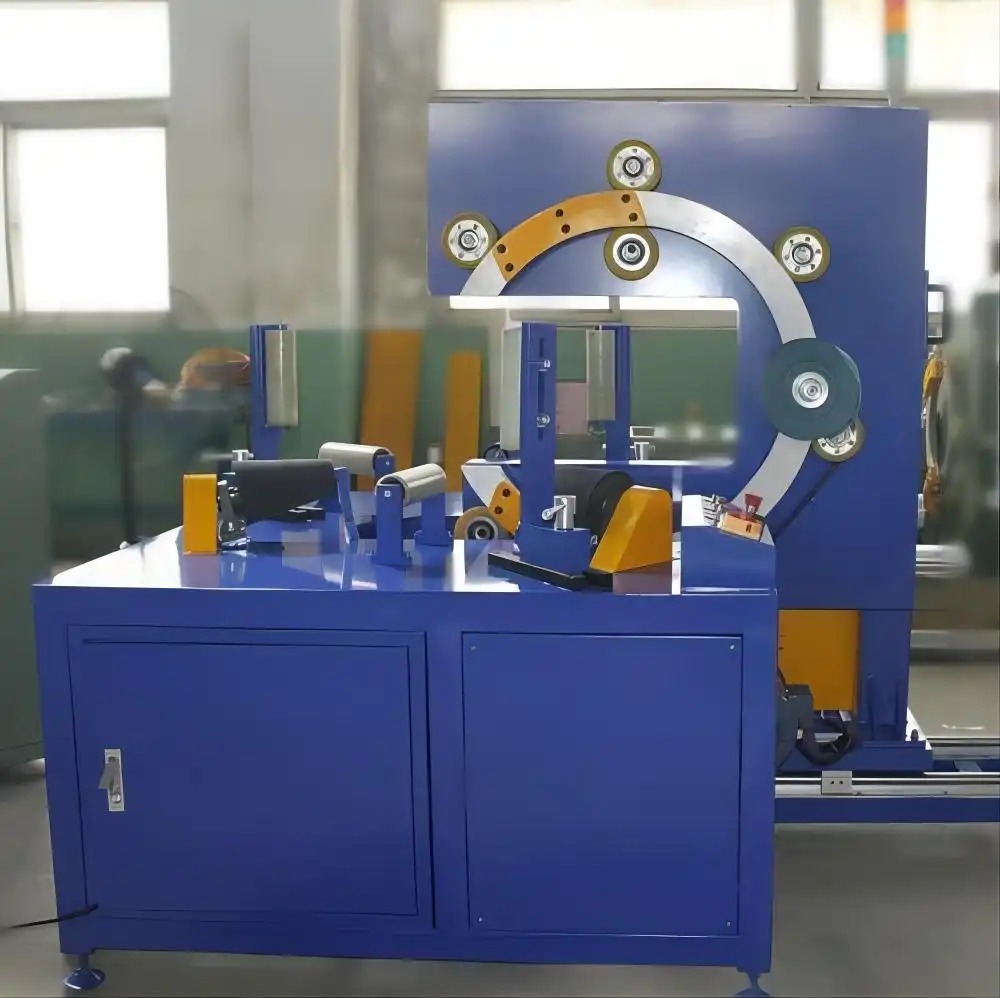
(maximize factory profitability)
Conclusion
Investing in the best steel wire packing lines delivers unparalleled efficiency, ensures workplace safety, and guarantees a clear return on investment. By embracing advanced automation, factories can streamline operations, reduce costs, and secure a competitive edge with a reliable steel coil packing line.








