
Is a Compact Steel Channel Orbital Stretch Wrapper the Game Changer Your Structural Profile Mill Needs?
Have you ever watched your team manually wrap steel channels, feeling the drag on your production line and the constant worry about worker safety? Many factory managers, especially in demanding environments like a structural profile mill, face this exact challenge. The slow pace, the physical strain on workers, and the potential for product damage are not just minor inconveniences; they are significant roadblocks to efficiency and profitability. This issue, a common pain point I’ve seen in countless facilities, can silently drain resources and impact your bottom line. (structural profile mill challenges)
A compact steel channel orbital stretch wrapper is an automated packing solution designed specifically for long, narrow products like steel channels, pipes, and profiles. It efficiently applies stretch film around the product as it passes through a rotating ring, providing secure, consistent, and protective packaging. This machine significantly boosts throughput, enhances worker safety by reducing manual handling, and minimizes product damage, making it an essential upgrade for modern structural profile mills seeking to optimize their end-of-line operations.

Understanding the core solution is just the first step. To truly appreciate its impact, we need to dive deeper into the specific problems it solves and the profound benefits it brings. Let’s explore how this technology can transform your operations, much like it has for many businesses I’ve worked with. (automated packing solutions)
Why Manual Packing Slows Down Your Structural Profile Mill?
Do you ever feel like your packing area is a constant bottleneck, slowing down everything else you do? It is frustrating when your production lines run smoothly, only for finished steel channels to pile up waiting for manual wrapping. This lag doesn’t just delay shipments; it can create a ripple effect, impacting storage space and overall plant rhythm. (manual packing bottlenecks)
Manual packing in a structural profile mill often relies on multiple workers, repetitive motions, and hand-applied materials, leading to inconsistent wrap quality, slow cycle times, and an inability to keep pace with high-volume production. This labor-intensive process restricts throughput, increases operational costs, and prevents the mill from achieving its full output potential.
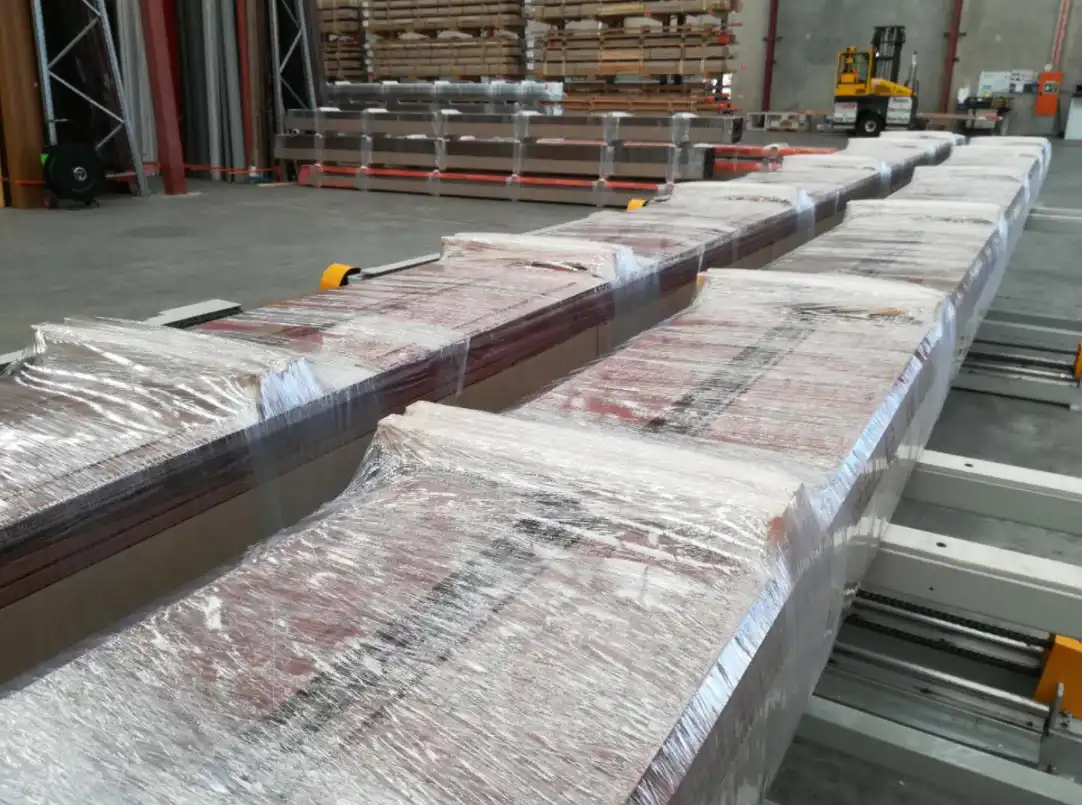
When I started my journey in the packing machine industry, I quickly saw how much manual effort went into the final stages of production. It was clear that this approach was not sustainable for growth. The reality is that manual packing, while seemingly cost-effective initially, carries significant hidden expenses.
The Hidden Costs of Hand Wrapping 📉
Manual wrapping might seem cheap because you don’t buy an expensive machine upfront. However, the long-term costs often outweigh any initial savings. Think about labor: you need several workers just to keep up with moderate production. Their wages, benefits, and potential overtime add up quickly. Plus, the quality of a hand wrap can vary greatly from person to person. One worker might wrap too loosely, another too tightly, leading to inconsistent protection. This inconsistency can result in product damage, which means rework, rejected shipments, and unhappy customers. I once worked with a client who was losing significant revenue each month due to product complaints directly linked to poor manual wrapping.
Moreover, the sheer speed difference is stark. An automated compact steel channel orbital stretch wrapper can complete dozens of wraps per hour, far exceeding what a team of people can achieve. This difference directly impacts your mill’s ability to meet delivery deadlines and take on larger orders. You are essentially capping your growth potential if you rely solely on manual methods. Automation, like using FHOPEPACK’s orbital wrappers, provides a consistent, high-speed solution that eliminates these bottlenecks. It is about investing in efficiency that pays off repeatedly. (steel channel throughput limitations)
| Feature | Manual Packing | Automated Orbital Wrapping |
|---|---|---|
| Speed | Slow, limited by human capacity | Fast, consistent, high throughput |
| Consistency | Variable, dependent on worker skill | High, uniform wrap quality |
| Labor Needs | High, multiple workers | Low, typically one operator for supervision |
| Product Damage | Higher risk, inconsistent protection | Lower risk, secure and uniform protection |
| Cost (Long-Term) | Higher (labor, rework, lost revenue) | Lower (reduced labor, material waste, damage) |
| Safety | High risk of injury | Significantly reduced risk |
(automated packaging benefits)
How Can You Make Steel Channel Packing Safer for Your Workers?
Are you constantly worried about your employees injuring themselves while handling heavy steel channels? The metal industry, especially a structural profile mill, is inherently dangerous. Manual handling of long, heavy, and sometimes sharp steel profiles during packing exposes workers to significant risks: strains, sprains, cuts, and even more severe accidents. This is a burden that weighs heavily on any responsible manager like Michael Chen. (worker safety steel mill)
Implementing a compact steel channel orbital stretch wrapper dramatically enhances worker safety by automating the most hazardous tasks associated with packaging heavy, long steel profiles. It eliminates the need for manual lifting, twisting, and repetitive motions, thereby significantly reducing the risk of musculoskeletal injuries, cuts, and other workplace accidents prevalent in traditional packing processes.
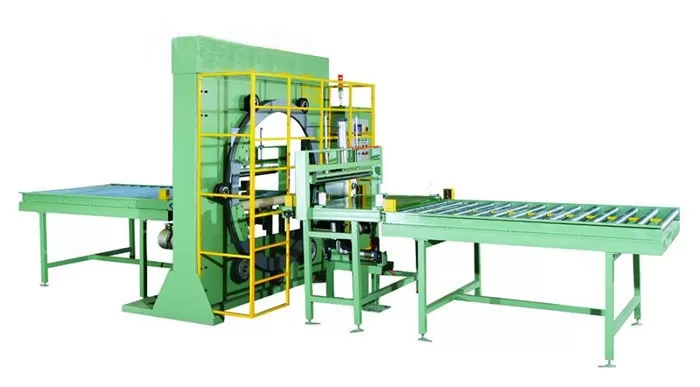
When I was an employee in a packing machine factory, I saw firsthand the toll that manual labor took on workers. I then built my own factory. I made sure to prioritize solutions that protect people. This is not just about compliance; it’s about valuing human life and ensuring your team can go home safely every day.
Eliminating High-Risk Tasks 👷♂️
The core problem with manual steel channel packing is the interaction between humans and heavy, unwieldy objects. Workers have to bend, lift, pull, and twist these long profiles, often in awkward positions. This leads to a high incidence of back injuries, shoulder strains, and repetitive stress injuries. Beyond the immediate pain for the worker, these injuries translate into lost workdays, increased workers’ compensation claims, and higher insurance premiums for your mill. It also impacts morale and can lead to staff turnover, forcing you to constantly train new employees.
An orbital stretch wrapper removes workers from the direct handling of the channels during the wrapping process. The machine does the heavy lifting, rotating, and wrapping. Operators only need to load the product onto a conveyor and initiate the wrapping cycle, often from a safe distance. This shift from physical labor to supervisory roles is transformative. It means fewer incidents, a healthier workforce, and a more stable team. Investing in equipment like FHOPEPACK’s orbital wrappers is a proactive step towards creating a truly safe work environment, a goal that aligns perfectly with Michael’s priority to fundamentally improve worker safety. (industrial injury prevention)
Are Your Valuable Steel Channels Getting Damaged During Packing?
Have you ever had a customer complain about damaged products, even before they left your loading dock? It is incredibly frustrating to put so much effort into manufacturing high-quality steel channels, only for them to get scratched, bent, or scuffed during the final packing and internal transfer. This kind of damage directly impacts your reputation and your bottom line. (product damage prevention)
During manual packing or inadequate wrapping, steel channels are highly susceptible to damage such as edge dents, surface abrasions, and deformation, especially when handled repeatedly or inadequately secured for transport. An orbital stretch wrapper eliminates these issues by providing a consistent, tight, and comprehensive film wrap that protects the product’s integrity from the packing line to its final destination.

I know the pride that goes into producing quality steel. To see that quality compromised in the last step is a tough pill to swallow. From my experience helping clients improve their operations, I’ve learned that effective packaging is not just an afterthought; it is a critical component of product quality assurance.
The Shield Against Product Loss 🛡️
Manual wrapping often results in uneven coverage, exposed edges, or loose film that does not provide adequate protection. When steel channels are stacked, moved by forklifts, or shipped, these vulnerable spots are prime targets for damage. Sharp edges can cut through thin or poorly applied film, leading to nicks and scratches on the channel itself. This isn’t just cosmetic; it can compromise the structural integrity or aesthetic appeal of the product, leading to customer rejections and costly returns.
A compact steel channel orbital stretch wrapper, such as those from FHOPEPACK, applies a continuous, overlapping layer of stretch film around the entire circumference of the channel. This creates a tight, protective barrier that shields against external elements, impacts, and abrasion. The consistent tension and coverage ensure that edges are protected, and the product is securely bundled, preventing shifting and rubbing during transit. This robust protection means fewer damaged goods, reduced rework, and ultimately, happier customers. It is about ensuring that the quality you put into manufacturing your steel channels is maintained all the way to the customer’s site. (consistent wrapping quality)
What’s the Real Cost of Inefficient Packing in a Structural Mill?
Do you truly understand the full financial impact of your current packing process? Many businesses look at equipment costs but overlook the ongoing drain from inefficient operations. The real cost of manual and slow packing in a structural profile mill goes far beyond labor wages. It touches every aspect of your business, from material consumption to lost sales opportunities. (packing machine ROI)
The real cost of inefficient packing includes high labor expenses, significant material waste due to inconsistent application, increased product damage leading to claims and returns, reduced overall production throughput, higher insurance premiums from workplace injuries, and the missed opportunity to scale operations. These hidden costs often far outweigh the initial investment in a compact steel channel orbital stretch wrapper, making automation a clear pathway to substantial long-term savings and improved profitability.
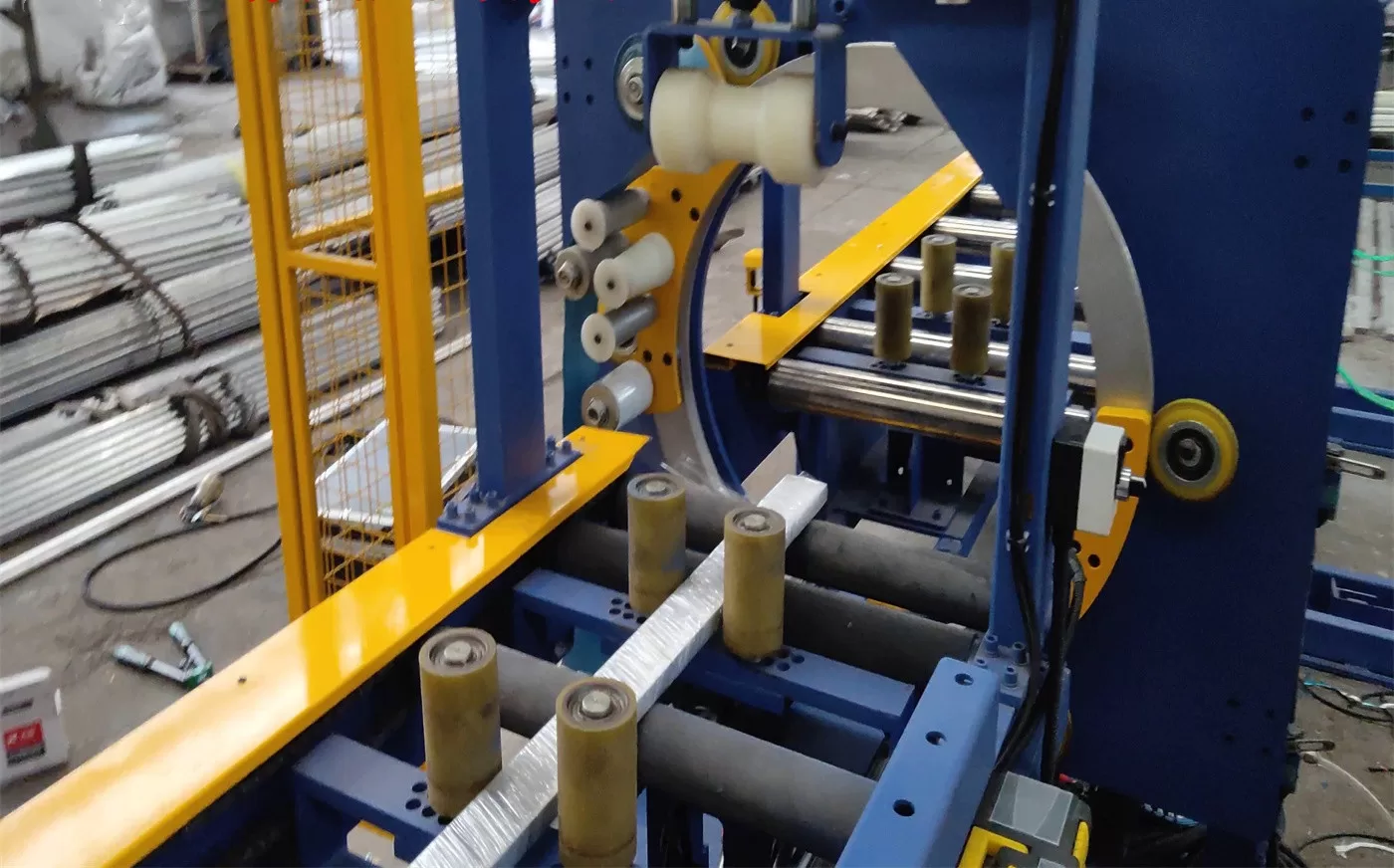
When I founded my packing machine factory, FHOPEPACK, one of my core principles was to ensure our solutions provided a clear, measurable return on investment for our clients. It’s not just about selling a machine; it’s about solving a business problem and helping them grow.
Unlocking Your Mill’s Profit Potential 💰
Let’s break down the economics. First, consider labor. By reducing the number of workers needed for packing, you immediately cut down on wages, benefits, and associated administrative costs. An automated orbital wrapper often requires only one operator to monitor the process, freeing up other employees for more productive tasks elsewhere in the mill. Second, material efficiency. Manual wrapping often uses more film than necessary due to over-wrapping or inconsistent application. Automated machines are calibrated to apply the optimal amount of film, reducing material waste and saving you money on consumables.
Third, product damage. As discussed, fewer damaged products mean fewer customer complaints, fewer returns, and less scrap. This directly translates to retained revenue and higher profit margins. Fourth, increased throughput. A faster packing line means you can process more orders, leading to increased sales volume without needing to expand your physical plant. Finally, safety. Reducing workplace injuries lowers insurance costs and avoids costly legal battles or fines. When you factor in all these savings, the return on investment for a compact steel channel orbital stretch wrapper becomes not just evident but compelling. Companies like FHOPEPACK and SHJLPACK focus on engineering machines that deliver this kind of value, helping you achieve true operational efficiency and boost your factory’s overall profitability. (operational efficiency packaging)
Why Choosing the Right Packing Machine Partner Matters for Your Mill?
Have you ever felt burned by a supplier who promised the world but delivered little after the sale? For a factory manager like Michael Chen, trust is everything. Investing in a major piece of equipment like a compact steel channel orbital stretch wrapper is a significant decision, and the partner you choose can make or break its success in your structural profile mill. (reliable equipment partner)
Selecting the right packing machine partner is crucial because it ensures not only the purchase of high-quality, reliable equipment but also comprehensive pre-sales consultation, custom solutions tailored to your specific mill’s needs, seamless integration support, and robust after-sales service. A true partner, like FHOPEPACK or SHJLPACK, provides expertise and guidance beyond just the machine, ensuring your investment truly solves your challenges and supports long-term growth.
My journey from an employee to a factory owner taught me the immense value of reliable equipment and, more importantly, reliable partnerships. I helped many of my clients grow their businesses not just by selling them machines, but by understanding their unique struggles and offering solutions that truly worked. This is the ethos of FHOPEPACK.
Beyond the Machine: A Partnership for Success ✅
Choosing a packing machine supplier is not just a transaction; it is the beginning of a long-term relationship. A good partner will start by listening to your specific challenges. They will want to understand your current production bottlenecks, your safety concerns, and your financial goals, much like Michael Chen’s situation. This initial consultation is vital for recommending the right machine and customizing it to fit your structural profile mill’s unique layout and product specifications. This might involve different conveyor systems, specific film requirements, or integration with existing upstream equipment.
Furthermore, post-purchase support is non-negotiable. What happens if you have a technical issue? What about spare parts? A reputable supplier provides thorough installation, training for your staff, and readily available technical assistance. This minimizes downtime and ensures your orbital stretch wrapper operates smoothly for years to come. Both FHOPEPACK and SHJLPACK pride themselves on offering this level of comprehensive support. We believe that our success is tied to your success, which is why we commit to being a knowledge-sharing platform and a true partner in your journey towards operational excellence. This deep industry background and commitment to client growth are what set true partners apart from mere vendors. (FHOPEPACK solutions)
Conclusion
Adopting a compact steel channel orbital stretch wrapper is a strategic move for any structural profile mill aiming for greater efficiency, safety, and profitability. By automating packing, you reduce labor costs, minimize product damage, and significantly improve worker safety. This investment in modern technology provides a clear orbital stretch wrapper ROI and positions your mill for sustainable growth.








