

Do Automatic Coil Packing Machines Solve Common Factory Problems?
Are you a factory manager, like Jose, constantly battling with slow production lines, high labor costs, and the nagging worry of worker safety? I know these pressures well. My journey in the packing machine industry, from a factory employee to founding FHOPEPACK, has shown me firsthand the critical impact of efficient and reliable equipment. Manual processes often create bottlenecks, lead to costly product damage, and put your team at risk. It’s a cycle that prevents growth and eats into profits. But what if there was a clear path to overcoming these challenges?
Automatic coil packing machines offer a robust solution to common factory problems by significantly boosting efficiency, enhancing workplace safety, and ensuring product integrity. These systems streamline operations, reduce the need for manual heavy lifting, and provide consistent, protective packaging for materials like steel coils and wire, directly addressing the key pain points faced by operations managers in heavy manufacturing industries.


It’s easy to feel stuck with old methods. You might think the investment in automation is too high, or that changing your current setup is too complex. But what if I told you that investing in the right automatic packing solution can bring a quick and clear return on investment, improving every aspect of your operation? Let’s dive deeper into how these machines can transform your factory floor.
1. How can automatic coil packing machines solve production bottlenecks?
Are you seeing slow packing times at the end of your production line? Is your current process for steel coil or wire packing holding back your entire factory’s output? Many managers, especially in places like Mexico where heavy industry thrives, face this exact problem. Manual packing methods are often slow and cannot keep up with high production volumes. This creates frustrating bottlenecks that delay shipments and impact customer satisfaction.
Automatic coil packing machines drastically increase packing speed and throughput by automating repetitive tasks, allowing for a much faster end-of-line process. They integrate seamlessly with existing production lines, ensuring a continuous flow of materials and eliminating the delays caused by manual labor, thus boosting overall factory efficiency.
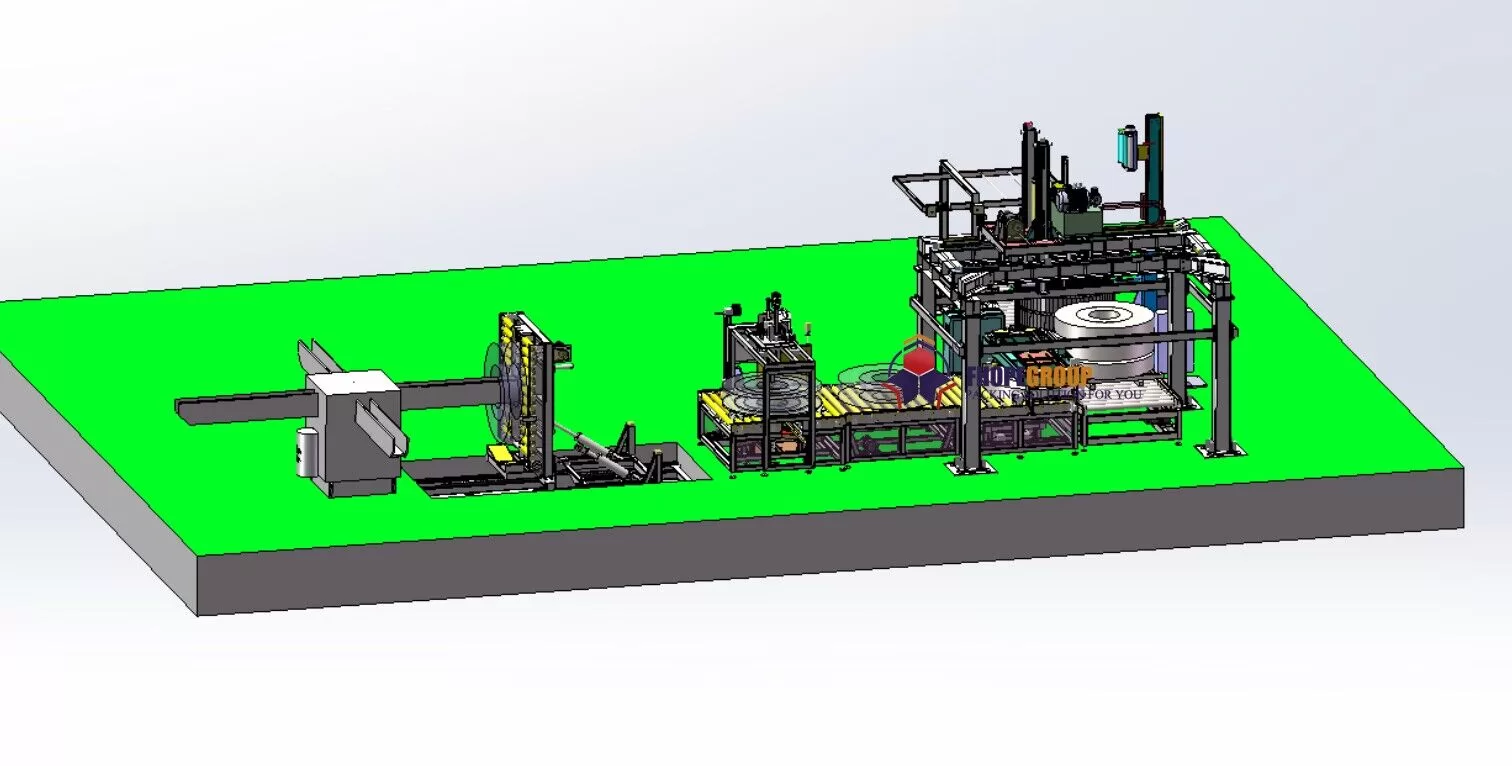

From my experience, I have seen factories struggle to meet demand because their packing department couldn’t keep pace. This is where automation truly shines. Automatic coil packing lines can handle high volumes of products, such as steel coils or wire bundles, much faster than any human crew. They perform tasks like wrapping, strapping, and conveying with precision and speed, all without needing breaks. This means your products move from the production floor to the shipping dock without unnecessary delays. It is about creating a smooth, uninterrupted workflow that pushes your factory’s capacity to its limits. This boosts overall production capacity and helps you meet tight deadlines, which is crucial for clients. (High-speed coil packaging, automated throughput, production flow optimization)
How Automation Accelerates Your Packing Process
- Faster Cycle Times: Automatic machines are designed for continuous operation. They can complete a full packing cycle in minutes, sometimes even seconds, depending on the coil size and desired protection. This is a significant improvement over manual methods that require multiple steps and operators. For example, a coil that took 10-15 minutes to manually wrap and strap might take an automatic machine only 2-3 minutes. This adds up to many hours saved each day.
- Reduced Labor Dependence: Manual coil packing needs several workers. Each worker has a specific role, from wrapping to strapping to labeling. With an automatic system, fewer workers are needed. They can supervise the machine or be assigned to other parts of the factory. This reduction in labor costs directly improves your factory’s profitability. It also addresses labor shortages that many industries face.
- Consistent Performance: Humans can get tired or distracted. Machines work with consistent speed and quality every time. This means your packing process is reliable. It eliminates variations in packing quality or speed that come from manual work. This consistency is key for planning production schedules and predicting delivery times. It also helps in maintaining a high standard for your packaged products.
- Integration with Production Lines: Modern automatic coil packing machines are designed to fit into your existing production line. They can receive coils directly from slitting lines or other processing stages. This means the packing process becomes a natural extension of your manufacturing. There are no stops or manual transfers needed. This integration creates a truly seamless flow from raw material to finished, packaged product. This is crucial for large metal processing plants or steel mills aiming for maximum efficiency.
-
Case Example: Steel Coil Wrapping Jose, imagine your current process for wrapping cold-rolled steel coils. If it involves workers pushing coils onto a turntable, manually applying stretch film, and then strapping, you are losing valuable time. An automatic horizontal or vertical orbital wrapper can do all of this automatically. The machine positions the coil, starts wrapping, applies necessary tension, and cuts the film. Some systems even integrate automatic strapping. This single step can cut packing time by more than half, freeing up your team and speeding up your entire operation.
Task Manual Process (Approx. Time per Coil) Automatic Process (Approx. Time per Coil) Position Coil 2-3 minutes 0.5-1 minute (automated conveyor) Wrap Film 5-8 minutes 1-2 minutes Strapping 3-5 minutes 0.5-1 minute (auto strapper) Total 10-16 minutes 2-4 minutes This comparison clearly shows how automation boosts efficiency. (Coil packing efficiency, automated packing solutions, factory throughput improvement)
2. How do automatic coil packaging systems enhance workplace safety?
Do you worry about the safety of your team every day? In heavy manufacturing, especially with materials like steel coils or wire, manual handling is a major risk. Workers manually moving heavy coils or positioning them for packing face serious dangers. There is a high risk of injuries, from strains and sprains to crushing accidents. These incidents lead to higher insurance costs, lost workdays, and high employee turnover. This creates a challenging environment for any factory manager.
Automatic coil packaging systems significantly enhance workplace safety by minimizing human interaction with heavy and potentially dangerous materials. They automate the lifting, positioning, wrapping, and strapping of coils, drastically reducing the risk of manual handling injuries, accidents, and associated costs, creating a safer environment for workers.
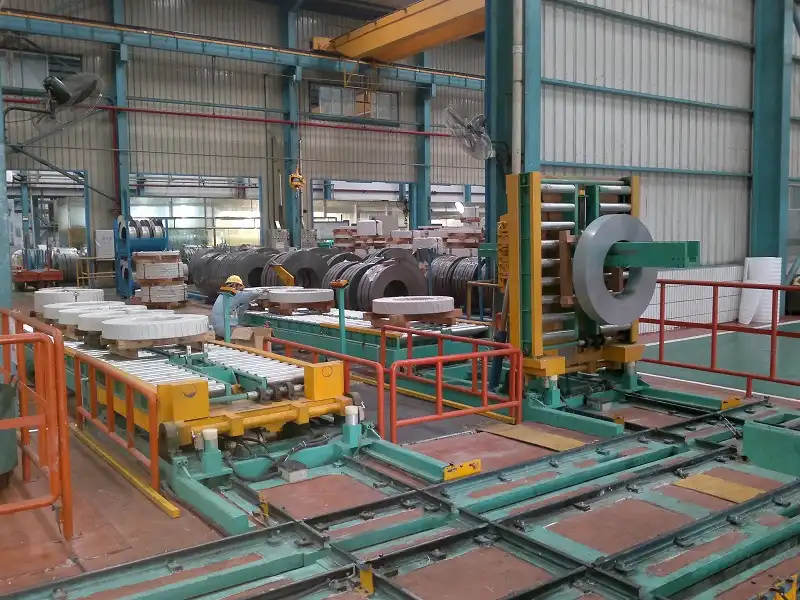

As someone who started on the factory floor, I understand the importance of worker safety. Seeing my clients in Mexico and other regions struggle with high injury rates was a big motivator for me. Automation is not just about speed; it is fundamentally about protecting your most valuable asset: your people. By replacing manual heavy lifting with machines, you eliminate many of the hazards workers face daily. This is a game-changer for workplace safety records and employee morale. (Workplace safety automation, industrial injury prevention, coil handling safety)
Key Safety Benefits of Automated Coil Packing
Automated systems remove workers from dangerous areas. This protects them from heavy objects and moving parts. Here are specific ways these systems improve safety:
- Elimination of Manual Lifting: One of the biggest safety risks in coil packing is the manual lifting and positioning of heavy coils. Automatic systems use conveyors, cranes, or specialized robots to handle coils. This means workers do not have to lift or push anything heavy. This removes the risk of back injuries, muscle strains, and other physical harms.
- Reduced Risk of Crushing Injuries: Coils are very heavy. If a coil shifts or falls during manual handling, it can cause severe crushing injuries. Automated lines are designed to hold coils securely. They move them in a controlled way. This minimizes the chance of coils falling or moving unexpectedly. Safety sensors also stop machines if a worker gets too close.
- Automated Strapping and Wrapping: Manual strapping involves workers being near moving machinery and under tensioned bands. Automatic strapping machines perform this task without human intervention. The same goes for wrapping. Workers do not need to walk around a moving coil to apply film. This reduces exposure to dangerous parts of the packing process.
- Consistent Ergonomics: Repeated movements in manual packing can lead to repetitive strain injuries. Automated systems remove the need for these repetitive tasks. Workers can focus on supervision, which is less physically demanding. This helps reduce long-term health issues for employees.
- Better Safety Records and Insurance Costs: A safer workplace means fewer accidents. This directly leads to lower workers’ compensation claims and reduced insurance premiums. Over time, these savings can be substantial. A good safety record also makes your company more attractive to skilled workers. It shows you care about your employees.
- Emergency Stop Systems & Guarding: Modern automatic packing machines come with advanced safety features. These include emergency stop buttons that can halt the entire system instantly. They also have physical guards and light curtains. These prevent workers from entering hazardous areas during operation. If a worker crosses a safety light curtain, the machine immediately stops. This is crucial for protecting personnel on the factory floor.
- Example: Overhead Coil Stacker Safety Consider a situation where workers manually stack coils. This is extremely dangerous. An automated overhead coil stacking system, like those FHOPEPACK often installs, eliminates this risk. The system uses a robotic arm or gantry to pick up and precisely place coils. Workers are kept at a safe distance. This one change can prevent severe accidents and improve the overall safety culture in a heavy manufacturing plant. (Industrial safety solutions, automated heavy lifting, factory accident prevention)
3. Can automated packing equipment prevent product damage effectively?
Have you experienced the frustration of sending out a product, only to have it returned or get a complaint because of damage during transit? For factories dealing with steel coils or wire, even small dents, scratches, or moisture damage on coil edges can mean significant losses. These damages hurt your reputation and impact your profit margins. Manual packing can sometimes be inconsistent, leading to uneven protection or missed spots. This leaves your valuable products vulnerable.
Automated packing equipment can effectively prevent product damage by ensuring consistent, precise, and high-quality packaging for every coil. These machines apply wrapping, strapping, and other protective materials with optimal tension and coverage, safeguarding products like steel coils and wire from physical damage, moisture, and contamination during storage and transport.
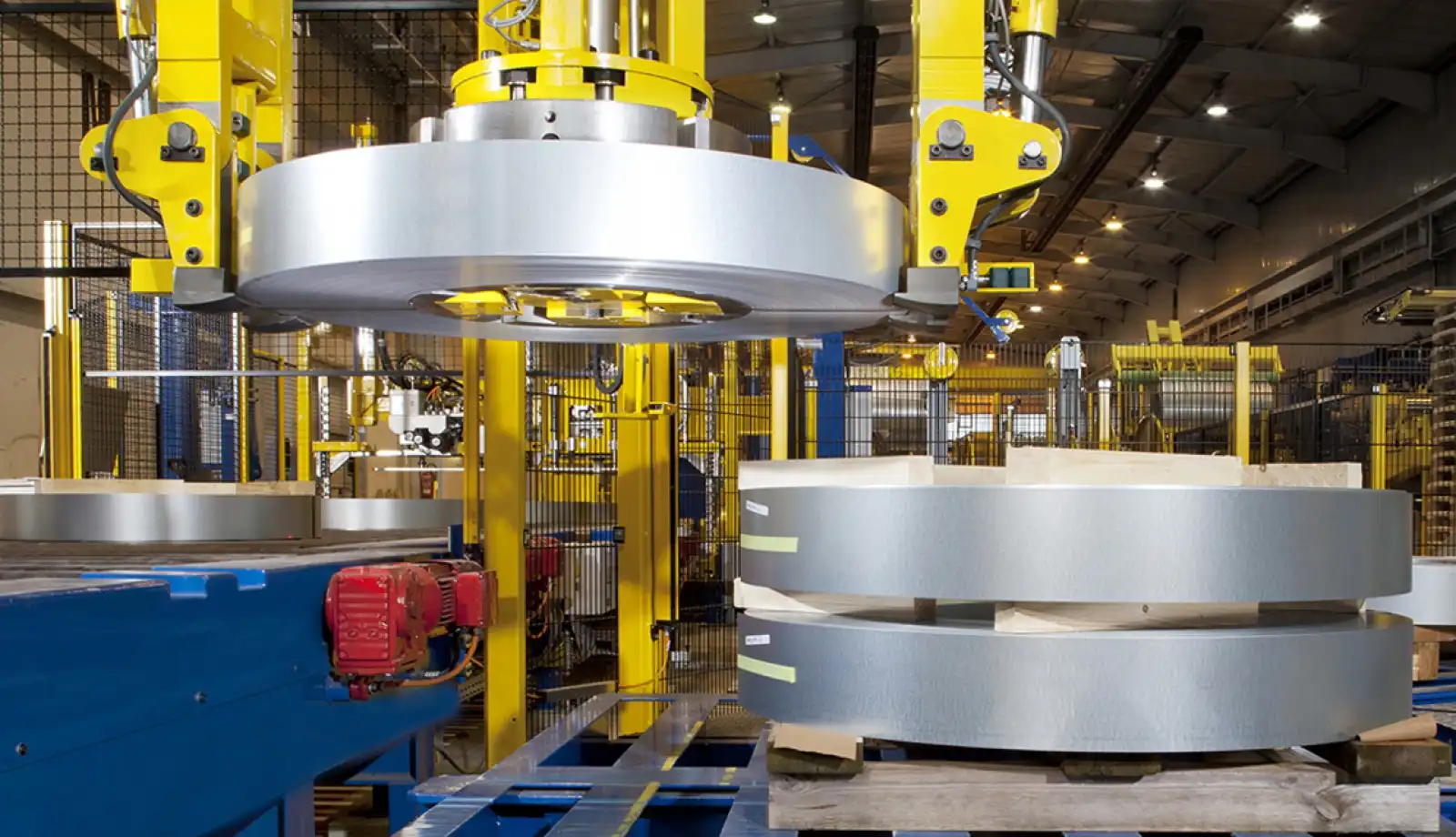

Through my work with FHOPEPACK, I’ve learned that protecting the product is just as important as producing it. Jose, you want to deliver quality goods to your clients in Mexico, and product damage undermines all your hard work. Automated systems remove human error from the packing process. They ensure every coil receives the same level of protection. This consistency means fewer damaged goods, happier customers, and a stronger bottom line for your factory. (Product integrity packaging, automated damage prevention, coil protection solutions)
How Automation Ensures Flawless Product Protection
Automated systems are very precise. They make sure your product is protected perfectly every time. This means fewer complaints and more satisfied customers.
- Consistent Wrapping and Strapping: Manual wrapping can vary from worker to worker. Some might wrap too loosely, others too tightly, or miss spots. Automated machines apply film or strapping with exact, pre-set tension and overlap. This creates a uniform, tight, and protective barrier around the coil. It prevents the film from tearing or loosening during transport. This ensures consistent quality.
- Optimal Material Usage: Automated systems are designed to use packing materials efficiently. They apply just the right amount of film or strapping. This reduces waste and ensures the best protection. For example, an orbital wrapper can apply multiple layers of stretch film precisely, sealing the entire surface of the coil from dust, moisture, and minor impacts. This is especially important for protecting sensitive surfaces of cold-rolled steel coils.
- Protection Against Environmental Factors: Coils can get damaged by rust, moisture, or dust. Automated systems can incorporate VCI (Volatile Corrosion Inhibitor) film or other moisture-barrier materials. They can also create a tight, sealed package. This protects the product from environmental damage during storage in a warehouse or during long-distance shipping. This is crucial for maintaining the quality of metal products.
- Reduced Handling Damage: Every time a coil is handled manually, there is a risk of dropping it or bumping it. Automated conveyors and handling systems move coils smoothly and gently. They reduce the number of times workers need to touch the product. This lowers the chance of scratches, dents, or edge damage that can happen during manual transfers.
- Customizable Packing Solutions: Different products need different types of protection. An automatic packing system can be programmed for various coil sizes, weights, and protection levels. You can choose different wrapping patterns, strapping locations, and material types. This ensures that each product gets the specific protection it needs. It helps to prevent product-specific damage issues.
-
Example: Protecting Steel Coil Edges Jose, if your factory processes steel coils, you know how fragile the edges can be. Any impact can cause damage, leading to customer rejections. A manual process often struggles to protect these edges uniformly. An automated coil packing line can integrate specialized edge protectors or use a more robust wrapping pattern around the circumference. The machine can precisely apply corner boards or radial wrappers before the main stretch film. This ensures those critical edges are shielded from bumps and scrapes, drastically reducing damage rates.
Damage Type Manual Risk Factor Automated Solution Outcome Edge Dents High Automated edge protectors, precise wrapping Significantly reduced edge damage Surface Scratches Medium Consistent film tension, gentle handling Minimized surface blemishes Moisture/Rust Medium VCI film integration, tight seals Enhanced corrosion protection Loosening Package High Consistent strap tension, secure film overlap Package integrity maintained during transit This structured approach to protection ensures your products arrive in perfect condition. (Coil edge protection, industrial packaging quality, steel coil damage prevention)
4. How to choose a reliable automatic coil packing machine partner?
Have you been burned by equipment suppliers who promise a lot but deliver little after the sale? Jose, I’ve heard this story many times. Some companies are great at sales but terrible at after-sales service. This leaves you with expensive equipment that breaks down, and no one to call for help. For a factory manager in Mexico seeking long-term growth, finding a truly reliable partner is critical. You need more than just a machine; you need an expert who understands your production challenges.
Choosing a reliable automatic coil packing machine partner means looking beyond the initial price tag. It involves finding a supplier with deep industry expertise, a proven track record of successful installations, comprehensive after-sales support, and a commitment to understanding and solving your specific operational challenges. This ensures you get a customized solution and a lasting partnership.


My journey with FHOPEPACK started from a deep passion for packing machines. I built my own factory from the ground up, facing all the same issues you do. This experience taught me that good equipment is only half the battle; the right partner makes all the difference. I’ve dedicated FHOPEPACK to sharing this knowledge and helping others succeed. When you choose a partner, you are not just buying a machine. You are investing in a relationship that will support your factory’s growth for years to come. (Packing machine supplier, industrial equipment partnership, after-sales service importance)
What to Look for in Your Automatic Packing Machine Partner
Picking the right partner is a big decision. Here are the key things I advise my clients to look for:
- Deep Industry Expertise: Your partner should understand your industry inside and out. They should know about the specific challenges of packing steel coils, wire, or other heavy industrial products. They should be able to talk about things like coil dimensions, material types, and your production environment. A partner with this kind of knowledge can offer tailored solutions, not just generic machines. They should be able to speak your language.
- Proven Track Record and References: Ask for examples of their past work. Can they show you successful installations in factories similar to yours? Jose, as a manager in Mexico, you would want to see installations in metal processing or heavy manufacturing plants. Talk to their existing clients. This will give you confidence in their capabilities and the reliability of their equipment. Look for companies with a long history of helping businesses grow.
- Comprehensive After-Sales Support: This is perhaps the most critical factor. What happens if the machine breaks down? A good partner offers fast and reliable technical support, spare parts availability, and maintenance services. They should have trained technicians who can visit your factory or provide remote assistance. A lack of good after-sales support can turn a great machine into a costly problem. This includes clear warranties and service contracts.
- Customization and Flexibility: Your factory has unique needs. A “one-size-fits-all” machine might not work. Look for a partner who can customize their equipment to fit your specific coil sizes, production speeds, and factory layout. They should be willing to adapt their solutions to solve your exact bottlenecks. This shows they truly understand your business.
- Focus on ROI and Long-Term Value: A good partner will help you calculate the return on investment (ROI) for their equipment. They should be able to show you how their solution will save you money in labor, reduced damage, and increased output. They should be focused on providing long-term value, not just making a quick sale. This is about building a relationship that benefits both sides.
- Transparent Communication: A reliable partner communicates clearly and honestly. They should be upfront about costs, timelines, and potential challenges. They should be responsive to your questions and concerns. Good communication builds trust, which is the foundation of any strong partnership.
- My Insight: The FHOPEPACK Difference At FHOPEPACK, we embody these principles. My personal journey, from working in a packing machine factory to building my own successful business, has given me unique insights. I’ve lived through the challenges you face, Jose. This is why our approach is different. We don’t just sell machines; we share knowledge and craft solutions. We pride ourselves on understanding your specific needs, whether it’s for coil packing, steel wire packing, or any heavy-duty industrial application. We focus on providing robust, efficient, and safe systems, backed by dedicated support, helping you achieve your automation goals and financial independence, just as I did. We want to be the partner you can truly rely on. (Custom packing solutions, reliable machinery supplier, expert packing guidance)
Conclusion
Automatic coil packing machines are essential for modern factories facing pressures from efficiency, safety, and product quality. By automating key processes, these systems resolve production bottlenecks, vastly improve worker safety by reducing manual handling, and ensure products remain undamaged during transit. Choosing the right partner, one with deep industry knowledge and strong after-sales support, is as crucial as the technology itself. Investing in a steel coil packing line like those offered by FHOPEPACK means investing in your factory’s future, ensuring sustained growth and operational excellence.












