

Common Problems and Maintenance Tips for Automatic Coil Packing Machines
Are you running a busy metal processing plant, just like many of my clients? You know the daily grind: the pressure to hit production targets, keep costs low, and ensure everyone goes home safe. It’s a constant juggle, and nothing brings operations to a halt faster than unexpected equipment failure. I’ve been there, from the factory floor to running my own successful packing machine business. I understand that a reliable packing line is not just an advantage; it’s a necessity for your bottom line and your team’s safety.
Automatic coil packing machines are vital for efficiency, but they face common issues like component wear, sensor malfunctions, and electrical faults. Regular, proactive maintenance is key to preventing these problems, ensuring smooth operation, and extending machine lifespan. By addressing these issues early, you can avoid costly downtime, enhance worker safety, and protect your valuable products from damage during the packaging process.
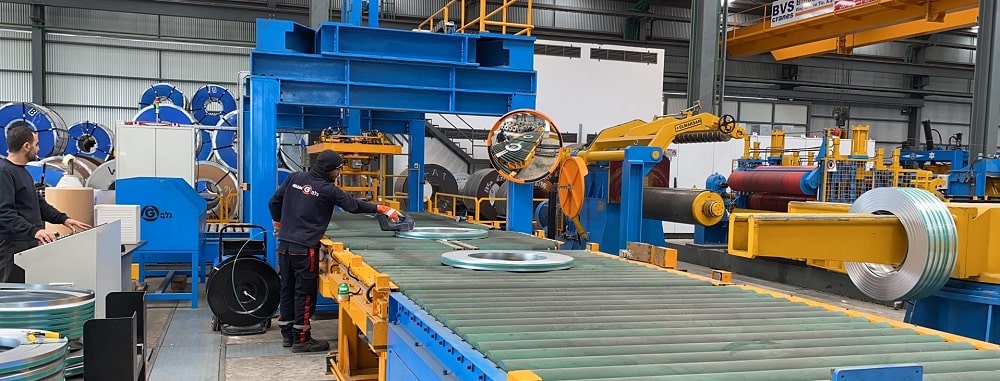

Navigating these challenges can feel overwhelming, especially when you need durable equipment that stands up to demanding environments. But what if there was a way to tackle these common problems head-on? What if you could turn those efficiency bottlenecks and safety risks into opportunities for growth and profitability? Let’s explore how to keep your automatic coil packing machines running perfectly and protect your investment.
1. What common problems plague automatic coil packing machines, slowing down production?
Imagine your packing line: coils are moving, production targets are within reach. Then, suddenly, a fault light blinks. The line stops. This scenario is all too common in busy factories. Many automatic coil packing machines, despite their advanced design, encounter specific issues that can derail your entire operation. These problems often stem from the machine’s complex interplay of mechanical, electrical, and pneumatic systems.
The most common problems affecting automatic coil packing machines include mechanical wear and tear on moving parts like rollers and belts, sensor malfunctions leading to incorrect positioning, electrical faults in wiring or control systems, and pneumatic issues such as air leaks or low pressure. These frequent issues directly impact machine efficiency, cause unexpected downtime, and can even compromise the safety of your operators if not addressed promptly and correctly.
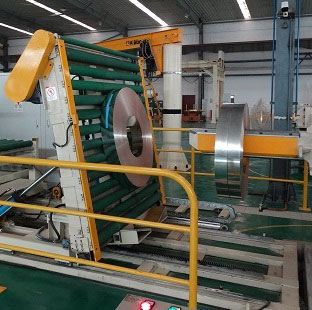

When I first started in the packing machine industry, I saw firsthand how even small issues could snowball into major production headaches. A client once told me how their manual coil packing process was not only slow but also risky, leading to frequent product damage. They needed an automated solution, but even with automation, new challenges emerged. Understanding these problems is the first step towards a stable and efficient packing line.
Understanding the Core Issues Affecting Your Coil Packing Machines
Automatic coil packing machines are complex. Their performance relies on many parts working together. When one part fails, the whole system can slow down or stop. These problems cost money through lost production, wasted materials, and increased repair bills.
🛠️ Mechanical Wear and Tear
Moving parts on a packing machine constantly rub against each other. Over time, this causes wear.
- Bearings: Bearings in rollers and motors can seize up if not lubricated or if they wear out. This causes friction and overheating.
- Belts and Chains: Conveyor belts and drive chains stretch, slip, or break. This leads to inconsistent movement or complete stoppage of coils.
- Cutters and Grippers: Parts that cut film or hold coils become dull or misaligned. This results in poor packing quality or jams.
- Solutions:
- Regular lubrication schedules.
- Inspecting belts and chains for tension and wear.
- Replacing worn parts before they fail completely.
- Choosing high-quality, durable components designed for heavy industrial use.












