

Avoiding common pitfalls in operating steel coil upenders can seem daunting, but it’s essential for efficiency and safety. As a long-time expert in packaging machine solutions, I can share critical insights on these issues. Let’s dive in and uncover the key mistakes to avoid.
Understanding the prevalent errors is key to avoiding them. Many issues arise due to improper loading, inadequate maintenance, and ignoring manufacturer’s instructions. Also, failing to train operators properly can pose significant risks. Identifying these faults early can prevent accidents, reduce downtime, and improve workflow efficiencies.

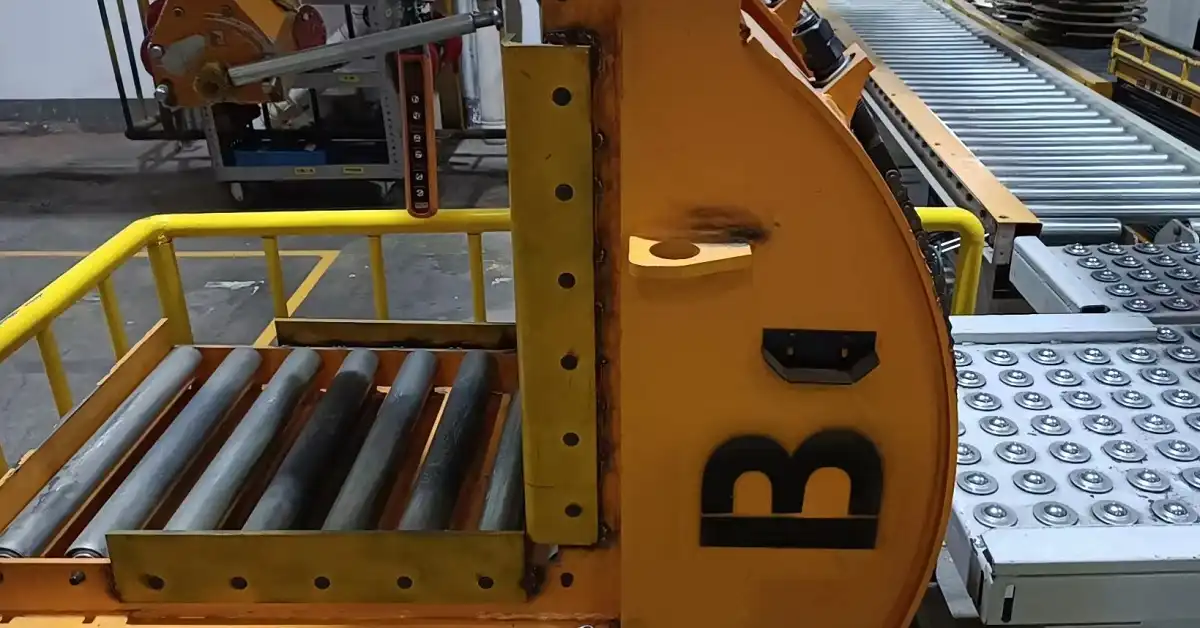
Choosing the right coil upender is only half the battle. Operating it correctly is what makes a difference. In my experience, avoiding these common pitfalls not only enhances safety but also extends the machine’s lifespan. Let’s explore the frequent operational errors and how to sidestep them effectively.
1. What Are the Most Frequent Operational Errors?
Steel coil upender errors might seem minor, but they can cause hefty operational setbacks. You need to get the details right, from loading to executing a proper workflow. With decades in the business, I know firsthand how minor mistakes can lead to costly delays. Here’s what you need to focus on.
The most frequent errors when using steel coil upenders are incorrect loading and poorly executed workflow processes. Misalignment of coils can cause machine jams. Regular maintenance can be overlooked, which negatively impacts machine efficiency. Operator error, due to insufficient training, is another key issue that can result in safety hazards and operational inefficiencies.

Ensuring Correct Loading Procedures
Loading is a critical phase where many things can go wrong. Let’s break it down into parts to ensure precision and safety. Errors here can originate from two mains sources: misalignment and inadequate securing of the coil. Judicious alignment is a must, as improper placement can strain the machine. To secure coils, operators should use safety checks, including visual inspections and sensor readings. This step is often neglected, leading to production halts. Training personnel in these skills can avert disasters.
| Operation Step | Common Pitfalls | Solutions |
|---|---|---|
| Alignment | Misaligned coil positions | Use markers and guides |
| Securing | Loose fittings and bindings | Double-check all fasteners |
| Inspections | Ignoring warning indicators | Regular sensor checks and training for operators |
Let’s remember that technology is only as reliable as the people behind it. Inadequate training or no structured onboarding can also exacerbate these issues. Regular training sessions and assessments will boost operator confidence and operational efficiency. Throughout my career, emphasizing operator training has shown tangible benefits in terms of smooth operations and fewer accidents.
2. How Can Maintenance Oversights Affect Performance?
Neglecting routine maintenance can be a costly mistake for any business dealing with heavy-duty machinery like coil wrapping machines and upenders. Failure to address maintenance needs can lead to malfunctions and breakdowns that disrupt production schedules, increasing downtime and repair costs. Ignoring these issues could be the downfall of your operations.
Maintenance oversights can severely impact machine performance by causing unexpected breakdowns. Such failures disrupt the production process, leading to costly downtimes and delayed deliveries. Regular maintenance checks are essential to identify wear and tear early, ensuring that machines function optimally and consistently meet production demands. Preventive maintenance maximizes equipment life and efficiency.

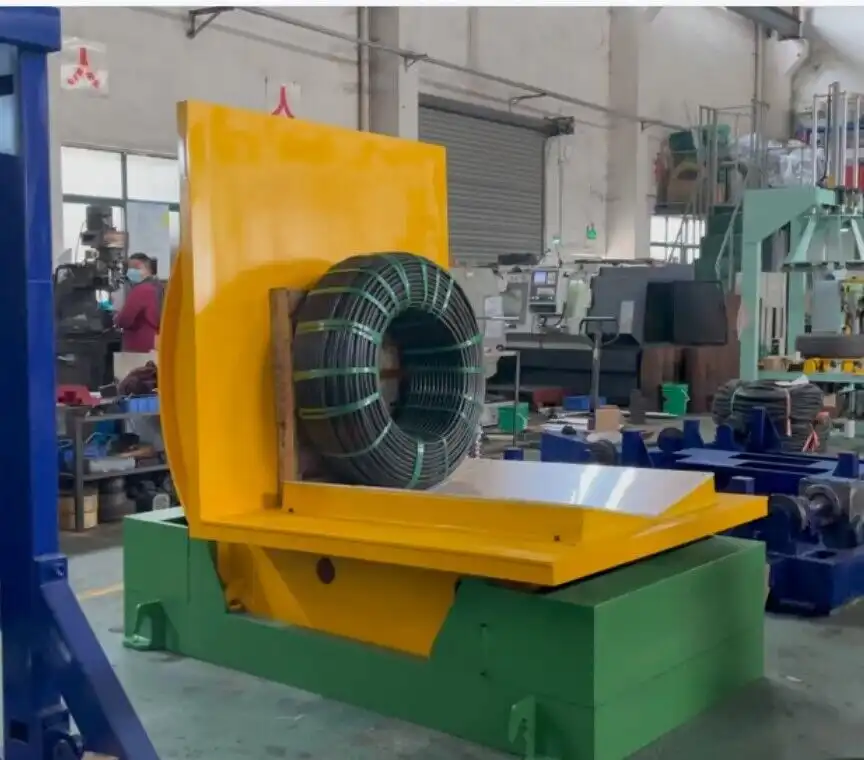
Identifying Common Maintenance Mistakes
Frequent maintenance oversights occur when schedules are ignored or when the machinery is overworked without adequate rest. Let me share a story. I once visited a manufacturing plant where they hadn’t serviced their coil upender in over a year. The machine unexpectedly broke down, halting production and leading to a loss of thousands of dollars. This was preventable. Below, I discuss common maintenance mistakes using real data.
| Common Mistake | Potential Issue | Solution |
|---|---|---|
| Ignoring Minor Issues | Leads to major breakdowns | Regular inspections |
| Skipping Maintenance | Shortened equipment lifespan | Establish a maintenance schedule |
| Using Incorrect Parts | Reduces efficiency | Always use manufacturer-approved parts |
Regular inspections help catch minor issues before they escalate. By establishing a consistent maintenance schedule, organizations can significantly extend the lifespan of their equipment. It’s also crucial to use parts approved by the machine’s manufacturer to ensure compatibility and optimal performance. These proactive steps are essential for maintaining high productivity and reducing overhead costs associated with unplanned repairs.
3. Why Is Operator Training Crucial for Safety?
In the bustling world of coil handling and packaging, safety cannot be compromised. Inadequate training of machine operators can lead to accidents and errors during production cycles. Investing in proper training ensures that your workforce operates machinery safely, maximizing both efficiency and protection in the workplace.
Operator training is critical for maintaining a safe work environment and minimizing accidents. Properly trained operators are more adept at handling equipment, reducing the risk of errors that could lead to injuries or equipment damage. Continuous training programs help operators stay updated on safety protocols and equipment features, boosting overall operational safety.

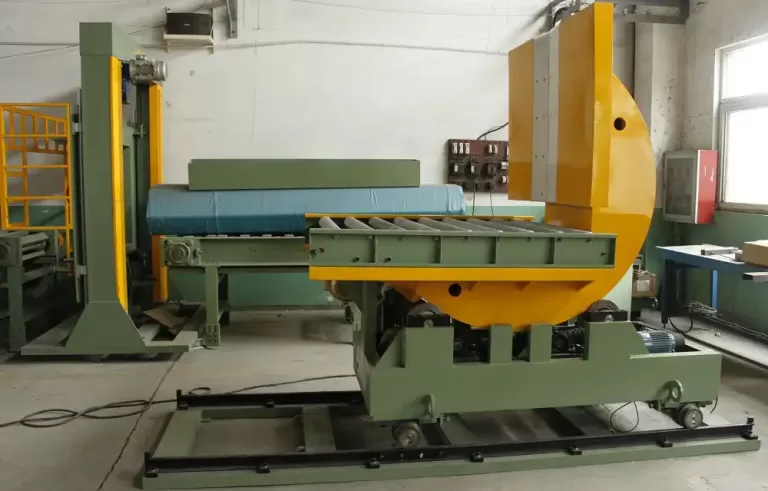
The Impact of Operator Competency on Safety
Enhancing operator competency requires ongoing investment in training programs. I’ve seen companies overlook this crucial aspect, believing experienced operators do not need further training. However, technology evolves, and newer equipment often has advanced features that operators need to understand thoroughly.
| Factor | Risk Without Training | Benefits with Training |
|---|---|---|
| Understanding of Equipment | Misuse and breakdowns | Efficient and safe operation |
| Safety Protocol Adherence | Increased accident rates | Fewer workplace incidents |
| Skill Enhancement | Limited productivity | Increased efficiency and job satisfaction |
Understanding the equipment is essential. Without this expertise, there’s a risk of misuse leading to frequent breakdowns. Safety protocols play a significant role in minimizing accidents. Encouraging adherence to these protocols reduces the likelihood of workplace incidents. Furthermore, a trained workforce is more productive, leading to higher efficiency and job satisfaction. Investing in regular training sessions is invaluable, ensuring your team is prepared to handle technology advancements safely and effectively.
Conclusion
Avoiding common mistakes with steel coil upenders enhances productivity and safety. Proper operation, maintenance, and training are key components. Ensuring regular maintenance checks and investing in continuous operator training are crucial steps toward achieving a more efficient and risk-free work environment, ultimately leading to smoother operations and reduced costs. Avoiding common mistakes with steel coil upenders enhances productivity and safety. Proper operation, maintenance, and training are key components.












