
Coil Wrapping Machine vs Strapping: Which Saves More in Uruguay?
You manage a metal processing plant in Uruguay. You face daily pressure to increase output, control costs, and keep your team safe. You know that any downtime means big losses. You also know that your current packing process might be holding you back. Are you tired of slow, manual packing? Do you worry about worker injuries? Are you losing profits due to damaged products? I understand these problems deeply. I built my own packing machine factory. I saw these issues first-hand.
A coil wrapping machine generally offers more long-term savings for Uruguayan heavy manufacturing by significantly reducing labor costs, improving worker safety, and preventing product damage, especially when compared to traditional strapping methods for coils and wire. This is because wrapping provides superior protection and can integrate better into an automated workflow.
Many factory managers like you are looking for real solutions. They want equipment that can handle tough factory conditions. They need a partner who understands their unique challenges. This article will help you see which packing method truly brings more value to your operations in Uruguay. We will look at costs, safety, and efficiency.
1. Why Are Traditional Packing Methods Costing Your Uruguay Factory More Than You Think?
Are your current coil packing methods draining your resources without you even realizing it? You might see the daily output, but what about the hidden costs? Many factories in Uruguay, especially in the metal sector, still rely on older ways of doing things. These methods seem cheap at first glance. However, they can quickly become very expensive.
Traditional packing methods, like heavy reliance on manual labor for strapping coils, often cost Uruguay factories more due to high labor expenses, frequent worker injuries, slow production speeds, and significant product damage during handling and transport. These factors directly hit your bottom line.
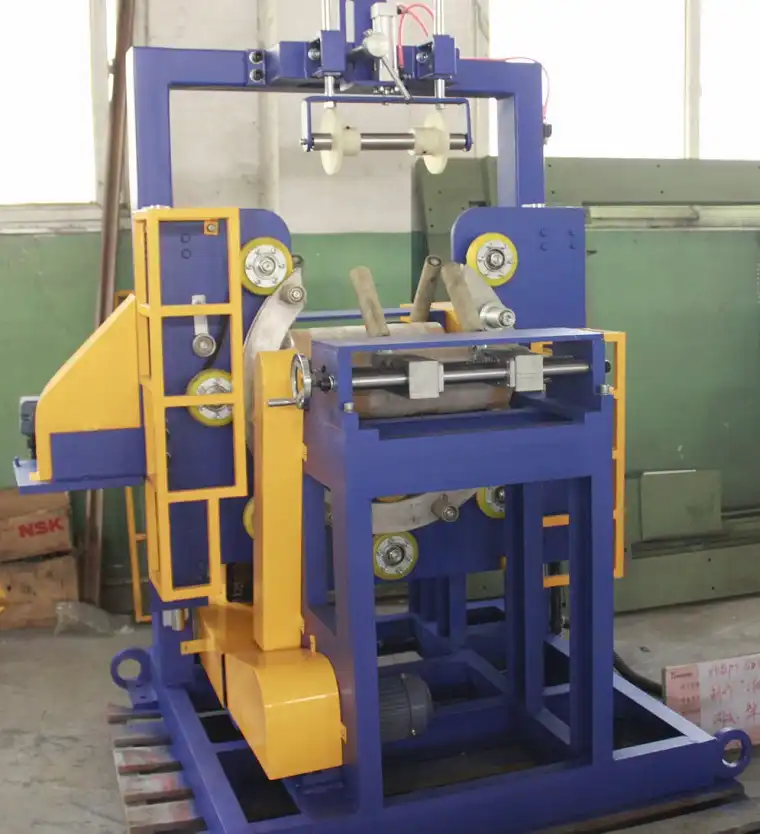
When I started my journey in the packing machine industry, I saw many factories struggling with these exact issues. They were proud of their strong workers. But they overlooked the true financial impact of those manual tasks. For a factory manager like Michael in a metal processing plant, these problems are very real. They affect daily operations and long-term profits. Let me break down why these costs add up.
The Hidden Costs of Manual Packing in Metal Processing
Manual packing in a metal processing plant involves several steps. Each step has its own set of problems.
- High Labor Costs: You need many workers to move, position, and strap heavy metal coils or wire bundles. These workers need wages, benefits, and training. As labor costs rise in Uruguay, these expenses become a bigger part of your budget. For example, if you have five workers dedicated to packing, their salaries and associated costs quickly add up. An automated system can do the work of several people. This means you save money on payroll in the long run.
- Safety Hazards and Worker Injuries: Moving heavy coils by hand or using basic equipment is dangerous. Workers can suffer sprains, strains, or worse. Michael mentioned high injury risks. These injuries lead to several costs. You pay for medical treatment. You pay for workers’ compensation. You also face lost productivity when injured workers are absent. High injury rates can also lead to higher insurance premiums. Furthermore, a factory with frequent accidents struggles with employee morale and high turnover. Finding and training new workers costs time and money.
- Slow Production and Bottlenecks: Manual packing is inherently slow. Workers can only move so fast. If your production line manufactures coils quickly, but packing is slow, you create a bottleneck. This bottleneck stops your entire factory from reaching its full potential. You cannot meet delivery deadlines efficiently. This causes customer dissatisfaction. It also hurts your reputation. Imagine a busy period. If your packing cannot keep up, you lose out on potential sales.
- Product Damage and Waste: Steel coils, wire, and other metal products are valuable. When handled manually, they can get scratched, dented, or deformed. The edges of steel coils are especially vulnerable. Michael highlighted this issue. Damaged products lead to customer complaints. You might have to offer discounts. You might even have to scrap entire batches. This reduces your profit margins. It also wastes raw materials and production time. Think about the cost of one damaged coil. Over a year, this can be a significant loss. Investing in equipment that protects your product better means fewer rejections and happier customers.
These factors show that while manual packing might seem “cheaper” initially, its true cost is far higher. It impacts not only your finances but also your operational efficiency and your team’s well-being. Recognizing these hidden costs is the first step towards finding a better solution for your factory in Uruguay.
2. How Can a Coil Wrapping Machine Revolutionize Safety and Efficiency in Your Operations?
Are you looking for a way to truly transform your factory’s production and worker safety? Many factory managers, especially those dealing with heavy metal coils, face the same struggle. They want to boost output and protect their team, but old methods make this hard. A coil wrapping machine is more than just a piece of equipment. It is a strategic investment.
A coil wrapping machine dramatically improves safety by reducing manual handling of heavy items and increases efficiency through automation, consistent packaging quality, and faster throughput, which directly addresses common pain points in Uruguayan heavy manufacturing sectors.

From my own experience establishing and running a packing machine factory, I learned that the best solutions solve multiple problems at once. When clients came to me with safety and efficiency issues, a well-designed coil wrapping system was often the answer. It is not just about wrapping. It is about rethinking your entire end-of-line process. Let us explore the profound impact these machines can have.
The Dual Impact: Safety First, Efficiency Second
Coil wrapping machines offer significant advantages in two critical areas: worker safety and operational efficiency. These benefits work together to create a more productive and safer workplace.
A. Enhanced Worker Safety
- Reduced Manual Handling: This is the most important safety benefit. Heavy metal coils are dangerous to move by hand. A coil wrapping machine automates the packing process. Workers no longer need to manually lift, turn, or secure these heavy products. This dramatically reduces the risk of muscle strains, crush injuries, and other accidents. Michael highlighted high injury risks. An automatic system directly solves this.
- Minimized Human-Machine Interaction: With automated systems, workers interact less with moving parts. They operate the machine from a safe distance. This lowers the chance of accidents from contact with machinery. It creates a safer working environment for everyone on the shop floor.
- Ergonomic Improvements: The design of wrapping machines often includes features that make it easier and safer to load and unload products. This reduces awkward postures and repetitive movements for any remaining manual tasks.
B. Significant Operational Efficiency
- Increased Speed and Throughput: A coil wrapping machine works much faster than manual packing. It can wrap coils consistently, hour after hour, without getting tired. This eliminates the packing bottleneck. Your production line can run at its optimal speed. This means you can process more coils in less time. You can meet tighter deadlines and increase your overall output.
- Consistent Packaging Quality: Machines provide uniform tension and coverage. This ensures every coil is wrapped to the same high standard. Consistent packing protects your products better during storage and transport. It also looks more professional. This reduces product damage, customer complaints, and returns.
- Material Optimization: Modern coil wrapping machines are designed to use film efficiently. They apply just the right amount of material needed for protection. This reduces waste compared to manual wrapping, where material usage can be inconsistent. Over time, these small savings on film add up to big cost reductions.
- Integration with Production Lines: Many coil wrapping machines can be integrated into existing production lines. This creates a seamless flow from manufacturing to packaging. It further reduces manual intervention and boosts overall efficiency. It makes your factory more automated and smarter.
By investing in a coil wrapping machine, you are not just buying equipment. You are buying a solution that protects your most valuable assets: your products and your people. For a factory in Uruguay looking to stay competitive, these benefits are essential for long-term success.
3. Is Strapping Still a Viable Standalone Solution for Your Heavy Metal Coils?
You might already use strapping for your metal coils and wire. It is a common and established method. Strapping can seem like a simple and cost-effective way to secure products. But for a modern factory, especially one dealing with heavy metal products like Michael’s, you need to ask a crucial question: Is strapping enough? Or does it fall short in today’s demanding industrial environment?
While strapping offers basic security for heavy metal coils, it often falls short as a standalone solution for modern factories due to its limited protection against environmental damage and abrasion, higher manual labor requirements, and potential for product damage under specific conditions, making it less efficient and safe than automated wrapping.

I have seen countless factories rely on strapping. For some applications, it works perfectly well. But for valuable steel coils or delicate wire, its limitations become clear. My journey through the packing machine industry taught me to look beyond the surface. We need to evaluate if a method truly solves the client’s problems or if it just creates new ones. Let us look at where strapping excels and where it struggles.
Strapping: Strengths and Weaknesses for Metal Coils
Strapping, typically with steel or PET bands, plays an important role in packaging. But its suitability depends on the specific needs of the product and the factory.
A. Where Strapping Still Shines
- Load Containment: Strapping is excellent at holding a bundle of coils or wire together. It prevents them from unraveling or shifting during transport. This is its primary strength.
- Cost-Effective for Basic Needs: For products that do not require much surface protection or weather resistance, strapping can be a more budget-friendly option upfront.
- Simple Application: Manual strapping tools are straightforward to use. Automated strapping machines are also available.
B. The Shortcomings for Heavy Metal Products
- Limited Product Protection: This is the biggest weakness. Strapping only secures the product. It does not protect the surfaces.
- Environmental Damage: Coils exposed to moisture can rust. Dust and dirt can contaminate surfaces. Strapping does not offer a barrier against these elements.
- Abrasion and Scratches: During handling and transit, metal coils can rub against each other or against other surfaces. Strapping does not prevent these scratches and abrasions. Michael mentioned product damage. This is a common cause.
- Edge Damage: The edges of steel coils are especially prone to damage from impacts or friction. Strapping offers no direct protection to these vulnerable areas.
- Indentation and Deformation: When strapping is applied too tightly, or if the product is soft, the straps can indent or deform the coil. This is a common issue with lighter gauge materials.
- Labor Intensive (for Manual Strapping): If you rely on manual strapping, it requires significant labor. This brings back the same issues of high labor costs, slow speeds, and safety risks we discussed earlier. Even automated strapping machines often need manual intervention for loading or positioning, or they still leave parts of the product exposed.
- Material Costs Over Time: While individual straps might seem cheap, large volumes can add up. Also, if you need to double-strap or use protective corner pieces, the material cost increases.
- Risk of Strap Breakage: In harsh conditions or with heavy, shifting loads, straps can break. This leads to product spillage or damage.








