
Coil Wrapping Machine in Singapore: Which Design Ensures Consistent Wrapping?
Have you ever faced a bottleneck at the end of your production line? Imagine your team rushing to pack finished steel coils or wire bundles, struggling with manual methods. It is slow. It is risky. And worse, it can damage your carefully produced goods. This exact problem often keeps factory managers like you awake at night, especially in places where efficiency and quality are non-negotiable, like Singapore.
The best coil wrapping machine design for consistent wrapping is one that integrates precision tension control, robust structural stability, and intelligent automation. These features ensure uniform overlap, prevent material damage, and adapt to diverse coil specifications, leading to reliable and high-quality packaging outcomes every time.
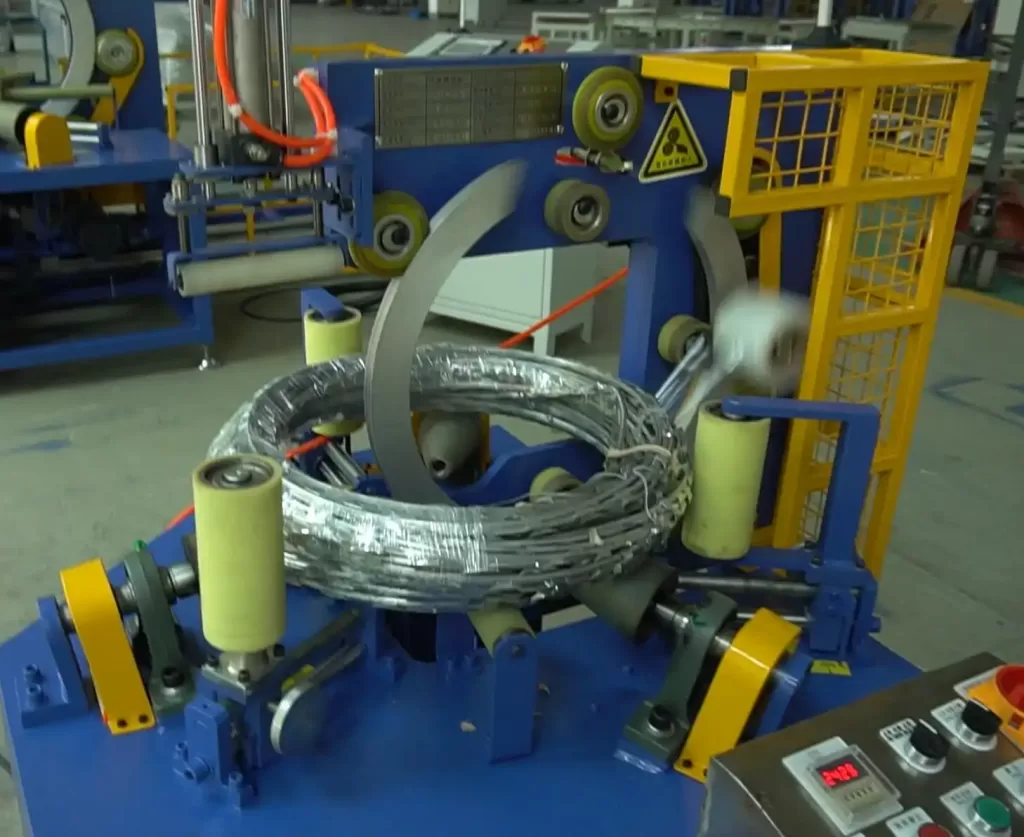
As a packing machine engineer who built my own factory from the ground up, I have seen these challenges firsthand. I understand the pressure to increase output while cutting costs and keeping your team safe. I am here to share what I learned. Let us dive into the specifics of coil wrapping machine designs. We will explore how to pick a machine that truly delivers consistent wrapping. This means fewer headaches, better product quality, and a stronger bottom line for your business.
1. What Makes Coil Wrapping So Challenging in Singapore?
Are you losing sleep over slow packing speeds and damaged products? In the fast-paced industrial landscape of Singapore, every second and every millimeter of product quality counts. Manual coil wrapping is a major source of frustration for many factory managers. It slows down production. It increases the risk of worker injuries. And it often leads to inconsistent packaging quality. This inconsistency can result in customer complaints and lost profits.
Coil wrapping is challenging in Singapore due because of high labor costs, limited factory space, and the demanding market for consistent, high-quality packaging. These factors make manual wrapping inefficient and risky. They highlight the need for automated solutions that deliver precision and reliability.
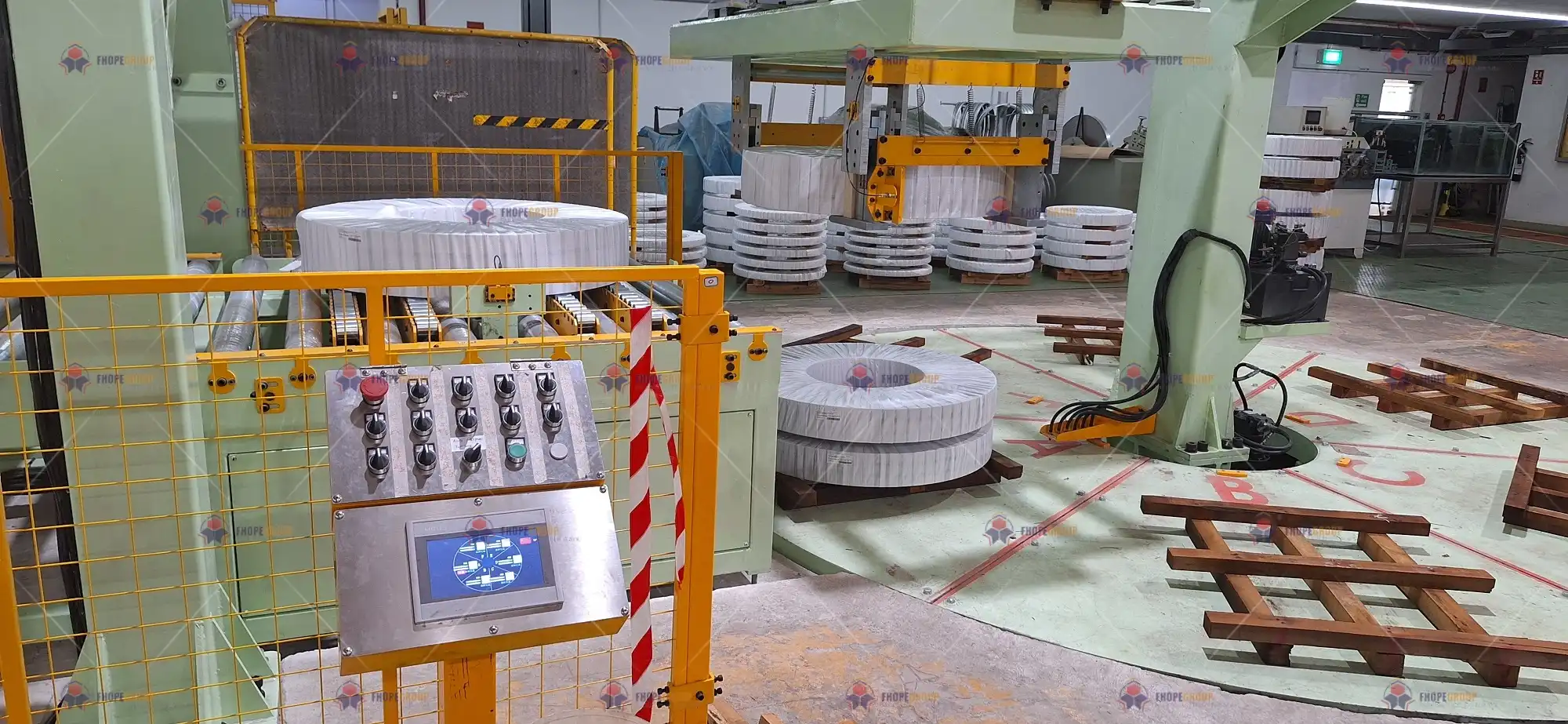
From my experience helping many clients in heavy industries, I know these challenges well. I have seen how a single damaged coil can erase days of hard work. In Singapore, where space is often at a premium, efficient use of floor area is critical. Manual operations take up too much room and require too many people. The demand for flawless, consistent packaging is also very high. Customers expect their products to arrive in perfect condition. This means your packaging must be robust and uniform. A poorly wrapped coil is not just an aesthetic issue. It is a sign of potential product damage. This can lead to costly returns and a damaged reputation. This is why choosing the right machine design is not just a preference. It is a business necessity for operational excellence and maintaining a competitive edge.
The specific challenges faced by operations in Singapore are not unique, but they are amplified by the local economic and logistical realities. For example, the cost of labor is high. This means that processes that rely heavily on manual work become very expensive. Safety is another big concern. Lifting and moving heavy coils by hand is dangerous. It increases the risk of accidents. This leads to higher insurance costs and can make it hard to keep good employees. Product damage during manual handling is also a common issue. Steel coil edges can get dinged. Wire bundles can unravel. These small damages lead to big problems down the line. Customers get unhappy. You lose money.
The table below shows common challenges and how a well-designed coil wrapping machine can help:
| Challenge Area | Typical Manual Operation Issues | How Automated Wrapping Design Helps |
|---|---|---|
| Efficiency | Slow speeds, inconsistent wrap times, production bottlenecks. | High-speed wrapping, consistent cycle times, eliminates bottlenecks. |
| Safety | Heavy lifting risks, repetitive strain injuries, high accident rates. | Minimizes manual contact with coils, reduces injury risk significantly. |
| Product Quality | Uneven tension, damaged edges, exposure to elements, customer complaints. | Consistent tension control, precise overlap, secure protection, fewer damages. |
| Labor Costs | High wages for manual packers, training, and turnover expenses. | Reduces reliance on manual labor, frees staff for higher-value tasks, lowers overall costs. |
| Space Utilization | Large areas needed for manual staging, handling, and packing. | Compact footprint, integrated systems, optimizes factory layout. |
| Supplier Trust | Past experiences with unreliable equipment, poor after-sales. | Robust design, reliable performance, expert support ensures peace of mind. |
Michael, just like many factory managers I have worked with, has seen these problems directly. He knows that his current manual processes are slow and dangerous. He wants to protect his workers. He also wants to protect his product. He needs a solution that is not just a machine but a real improvement to his entire operation. A well-designed coil wrapping machine offers this. It automates the process. It applies consistent tension. It uses durable wrapping materials. This means each coil leaves your factory perfectly protected. It reduces product damage. It also makes your customers happier. This focus on reliability and consistency is what separates a good design from a great one. It helps factories in Singapore meet their high standards for quality and efficiency.
2. How Does a Good Wrapping Machine Design Handle Varying Coil Sizes?
Do you struggle to maintain consistent wrapping quality across different coil sizes? In a busy factory, coils rarely come in one standard size. You might have thin, narrow coils one day and heavy, wide ones the next. This variability can make consistent wrapping a nightmare for many machines. If your wrapper cannot adapt, you face wasted material, poor protection, and production delays. This leads to headaches for your team and dissatisfaction for your clients.
A good coil wrapping machine design handles varying coil sizes through a combination of adjustable parameters and robust structural features. These include flexible ring diameters, automated centering systems, and variable tension controls. Such a design ensures uniform wrapping tension and overlap for coils of different dimensions.
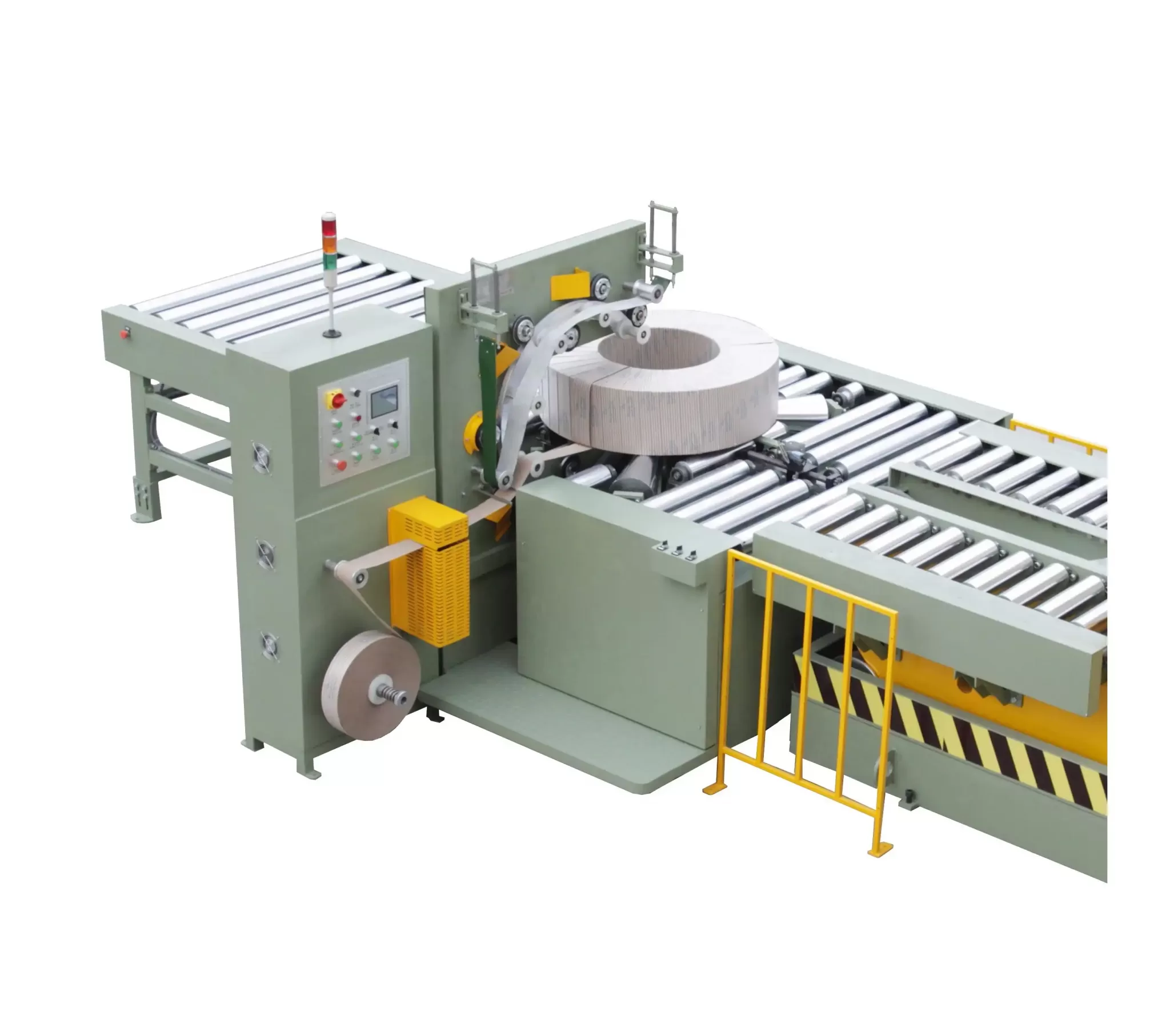
When I was setting up my own packing machine factory, one of the biggest lessons I learned was the importance of flexibility. A machine that only does one thing well is not a real solution. It is just another problem waiting to happen. Our clients often handle a wide range of products. Their wrapping machines must adapt quickly and efficiently. A robust design ensures the machine can handle the physical stress of large, heavy coils. It also ensures precise wrapping for smaller, more delicate ones. This adaptability is key to maintaining high throughput and consistent quality across your entire product line. Without it, you will spend too much time adjusting, troubleshooting, or even manually re-wrapping. That is time and money you cannot afford to lose.
The ability to adapt to varying coil sizes is a hallmark of a truly effective coil wrapping machine. Many older or less sophisticated designs struggle with this. They might offer a “one-size-fits-all” approach that actually fits nothing perfectly. This results in uneven wrapping, loose film, or even torn packaging. Modern, well-designed machines tackle this head-on. They incorporate features that allow for quick and accurate adjustments. This minimizes downtime between different product runs. It also ensures that the wrapping quality remains high, regardless of the coil’s dimensions.
Here are key design elements that help a coil wrapping machine handle diverse coil sizes:
- Adjustable Ring Diameter: Some advanced machines feature wrapping rings that can expand or contract. This allows them to accommodate a wider range of coil diameters. A larger ring might be needed for very wide coils, while a smaller one offers better control for narrower items.
- Variable Speed Conveyors and Rollers: The speed at which a coil moves through the wrapping station is crucial. A good design uses conveyor systems with adjustable speeds. This allows for optimal wrapping speed depending on the coil’s weight and diameter.
- Automated Centering Devices: For consistent wrapping, the coil must remain perfectly centered as it passes through the wrapping ring. Advanced machines use sensors and motorized rollers to automatically center coils. This ensures uniform film overlap around the entire circumference.
- Integrated Coil Handling Systems: The design should include robust coil loading and unloading mechanisms. This might involve motorized turntables, sturdy roller conveyors, or even robotic arms for heavy coils. These systems must safely and precisely position coils of different weights and sizes.
- Tension Control System: Perhaps the most critical aspect for consistent wrapping. A sophisticated tension control system applies the correct amount of film tension. It can adjust this tension based on the coil’s size, weight, and the type of wrapping material. This prevents film breakage for heavy coils and avoids crushing for lighter ones.
- Touchscreen Interface with Pre-set Programs: Modern machines come with user-friendly interfaces. Operators can select pre-programmed settings for different coil sizes. This simplifies the changeover process. It reduces the chance of human error. It also ensures consistent results every time.
Imagine Michael Chen’s factory. They handle various types of metal coils and wire. Their old manual system struggles with this diversity. A machine with these adaptive design features would be a game-changer. It would mean less time spent on manual adjustments. It would reduce the risk of product damage due to incorrect wrapping. It would also empower his team to switch between product lines more efficiently. This flexibility translates directly into higher productivity and lower operational costs. It is about building a machine that grows with your business, not one that limits it.
3. Which Key Components Are Essential for Consistent Wrapping Performance?
Do your current wrapping solutions constantly struggle with film breaks or uneven wraps? The heart of consistent wrapping lies in the quality and design of its key components. Many factory managers overlook these details. They focus only on the machine’s overall speed. But a machine is only as good as its weakest part. If critical components are poorly designed or cheaply made, you will face constant breakdowns, inconsistent output, and endless maintenance issues.
Key components essential for consistent wrapping performance include a high-precision tension control system, a robust wrapping ring assembly, durable rollers, and an intuitive control interface. These elements work together to ensure precise film application, stable operation, and reliable output for every single coil.
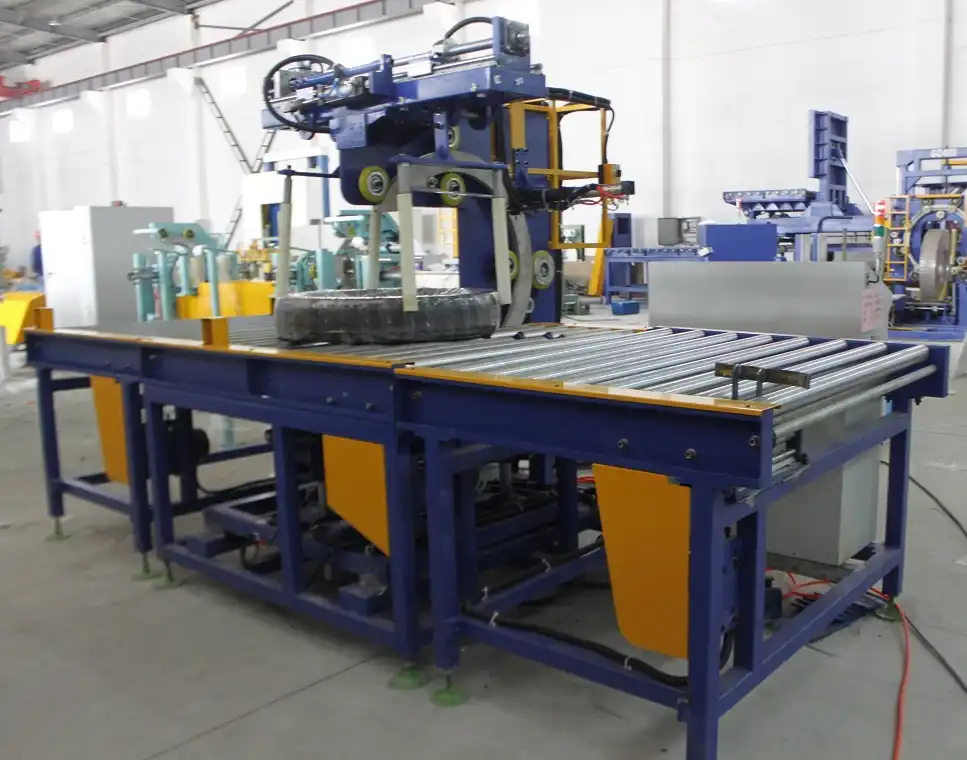
As a packing machine engineer, I have learned that the “nuts and bolts” matter. When I designed machines for my own factory, I prioritized component quality above all else. A great component does not just perform its task. It performs it reliably, day after day, under tough industrial conditions. This means less downtime for repairs and more time making products. For instance, a tension control system that works flawlessly prevents film breakage. It also prevents loose, ineffective wraps. It means your coils are always protected, just as they should be. This attention to detail in component selection and design is what builds trust. It is what separates a long-lasting, high-performing machine from one that becomes a liability.
Let’s break down the essential components and their roles in achieving consistent wrapping:
The Critical Role of Key Components
A coil wrapping machine is a system. Each part plays a vital role. If one part fails, the whole system suffers.
- Film Carriage and Tension Control System: This is arguably the most critical component.
- Function: Holds the wrapping film roll and controls the tension applied to the film as it wraps around the coil.
- Importance for Consistency: An advanced tension control system (e.g., using a magnetic brake or a powered pre-stretch unit) ensures uniform film tension regardless of the coil’s shape or size variations. This prevents loose wraps (which offer poor protection) and over-stretching (which can cause film breakage or damage to the coil). Without precise tension, the wrap will be inconsistent, leaving parts of the coil vulnerable.
- Wrapping Ring Assembly: This is the rotating heart of the machine.
- Function: Houses the film carriage and rotates around the coil to apply the wrapping material.
- Importance for Consistency: A robust and well-balanced ring ensures smooth, vibration-free rotation. This is vital for even film overlap. A sturdy design prevents wobbling, which could lead to uneven wraps or even structural damage over time. The ring’s speed control directly impacts the overlap percentage and overall wrap density.
- Coil Support and Conveyor System (Rollers): These components handle the heavy coils.
- Function: Transports the coil through the wrapping zone and supports it during the wrapping process.
- Importance for Consistency: Durable, precisely aligned rollers are essential. They ensure the coil rotates smoothly and stays centered. Uneven roller surfaces or misalignment can cause the coil to wobble or shift. This leads to inconsistent wrapping patterns. For heavy coils, the rollers must be strong enough to prevent deformation. They need to be motorized for controlled rotation.
- Automatic Film Clamp and Cut-Off System: This part finishes the wrap.
- Function: Secures the film at the start of the wrap and neatly cuts it at the end.
- Importance for Consistency: A reliable clamp ensures the film starts wrapping securely, preventing loose ends. An efficient cut-off mechanism ensures a clean, consistent finish. This means no trailing film that could snag or unravel. It contributes to a professional and consistent package appearance.
- Control System and HMI (Human-Machine Interface): This is the machine’s brain.
- Function: Allows operators to set parameters, monitor the process, and troubleshoot issues.
- Importance for Consistency: An intuitive and precise control system enables operators to easily adjust wrapping parameters (e.g., ring speed, film tension, overlap percentage). This means consistent results across different batches. Features like fault diagnosis and performance data tracking also help in maintaining optimal operation.








