
Coil Wrapping Machine in Singapore: How Does It Reduce Film Waste and Cost?
Imagine this: you are walking through your factory in Singapore. You see coils moving along the line. They are ready for packing. But then you notice something. There is too much film being used. Rolls of wrapping film are everywhere. Some pieces are cut unevenly. Other parts just hang loose. This waste hits your bottom line. It happens every day. It adds up. It causes unnecessary costs. It also slows down your team. You know there must be a better way to manage this. This is a common problem for many factory managers. They want to cut waste. They want to save money.
A modern coil wrapping machine can significantly reduce film waste and operating costs in your Singapore factory. It does this through precise film tension control, automated cutting, and optimized wrapping patterns. These features work together to use only the film needed, which directly lowers material expenses and improves overall efficiency.
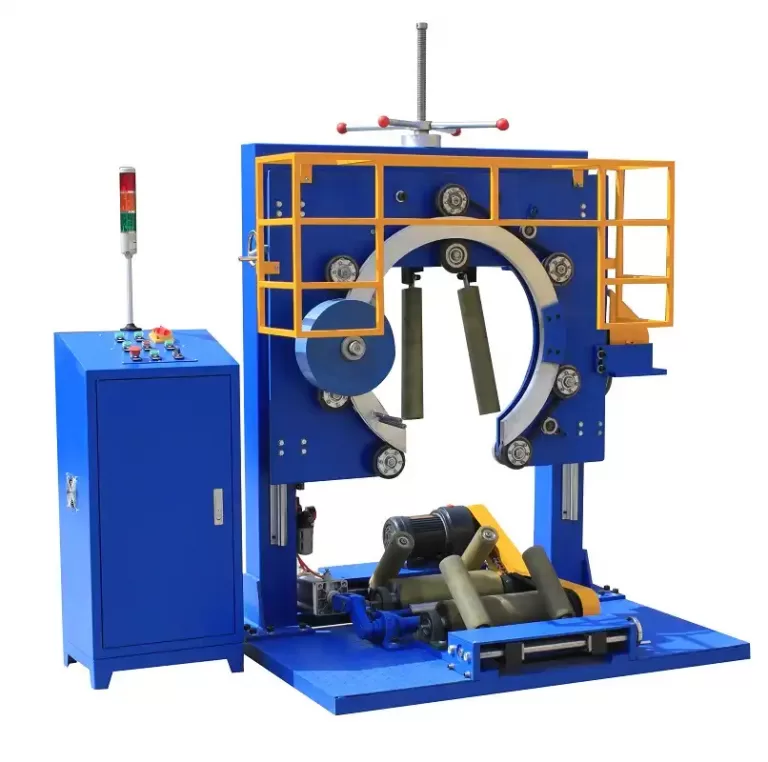
Many factory leaders, just like you, face these exact challenges. They feel the pressure to optimize every process. They need to stay competitive. In the busy industrial landscape of Singapore, efficiency is king. Let us explore how a smart investment in a coil wrapping machine can make a real difference for your operations. We will look at how it helps reduce waste and cut costs.
1. Why is excessive film waste a major concern for coil packing operations in Singapore?
High film waste is more than just a minor inconvenience. It is a drain on resources. It impacts your budget. It also affects the environment. Think about your current operations. Are workers using too much film? Do they wrap by hand? Manual processes often lead to inconsistent results. They use extra material. This problem becomes bigger in a high-volume factory. Each extra wrap costs money. Each wasted piece of film is a lost opportunity.
When I started my journey in the packing machine industry, first as an employee, then building my own factory, I saw this firsthand. I understood the pressure to deliver quality while keeping costs low. Wasted film means you are paying for material that does not protect your product. It simply adds to your trash. This also means more time is spent cleaning up waste. More money goes into waste disposal. For factories in Singapore, where space and resources are precious, cutting this waste is vital. It directly impacts profitability. It helps achieve sustainable practices.
Let us look closer at why film waste is such a big issue. It is not just about the cost of the film itself. There are many hidden expenses.
Understanding the True Cost of Film Waste
Film waste creates a ripple effect. It touches many parts of your business. It is easy to just see the film rolls. But the impact goes much deeper.
Direct Material Costs
Every extra meter of film used is money spent needlessly. Manual wrapping often involves guesswork. Workers might add extra layers “just in case.” This is a natural human tendency. They want to ensure the product is safe. But this habit leads to significant overconsumption. Imagine hundreds of coils wrapped each day. If each coil uses even a small amount of extra film, the costs multiply fast. Buying more film rolls more often puts a strain on your purchasing budget. This impacts your cash flow. It also means more logistics work. You need to order more often. You need to store more film. These are all direct costs. They reduce your profit margin.
Labor Inefficiency
Manual wrapping is slow. It takes people away from other tasks. If workers spend time wrapping coils by hand, they are not doing other high-value jobs. When film is wasted, it means workers might have to re-wrap coils. Or they might spend time untangling bunched-up film. They might clean up excess material. All of this time costs money. Your labor force is a valuable asset. Their time should be used efficiently. Wasted film means wasted labor hours. This leads to lower productivity for the whole packing line.
Environmental Impact
Singapore places a high value on sustainability. Businesses are under pressure to reduce their environmental footprint. Excess plastic film waste adds to landfills. It contributes to pollution. Companies that minimize waste show they care about the environment. This can improve their public image. It can also help meet environmental regulations. Reducing film waste is not just good for your wallet. It is good for the planet. It aligns your business with modern, responsible practices.
Product Damage Risk
Ironically, sometimes wasted film does not even mean better protection. Poorly applied film, even if there is a lot of it, can be loose. It can tear easily. This leaves parts of the coil exposed. It increases the risk of damage during transport. Damaged products lead to customer complaints. They result in returns. They also cause rework. This further adds to costs. It harms your reputation. A machine applies film consistently. It gives better protection with less material. This leads to fewer damage claims.
2. How does a modern coil wrapping machine precisely reduce film consumption and costs?
A modern coil wrapping machine is engineered for efficiency. It cuts down film waste through smart design and advanced features. These machines do not guess how much film is needed. They calculate it. They apply it with precision. This is a huge step up from manual methods. For businesses in Singapore looking to sharpen their competitive edge, this precision is a game-changer. It translates directly into cost savings.
My experience building FHOPEPACK taught me the importance of smart design. Every feature must serve a purpose. With coil wrapping machines, that purpose is often about efficiency and protection. When you invest in the right machine, you are investing in technology that works for you. It optimizes every inch of film. It makes sure no material is wasted. This attention to detail is what truly sets automated systems apart. It moves your operation from reactive to proactive.
Let us look at the key mechanisms that allow these machines to achieve such impressive savings.
Key Features for Film Reduction
These machines use specific technologies to minimize film usage while maximizing protection.
Precise Film Pre-stretch
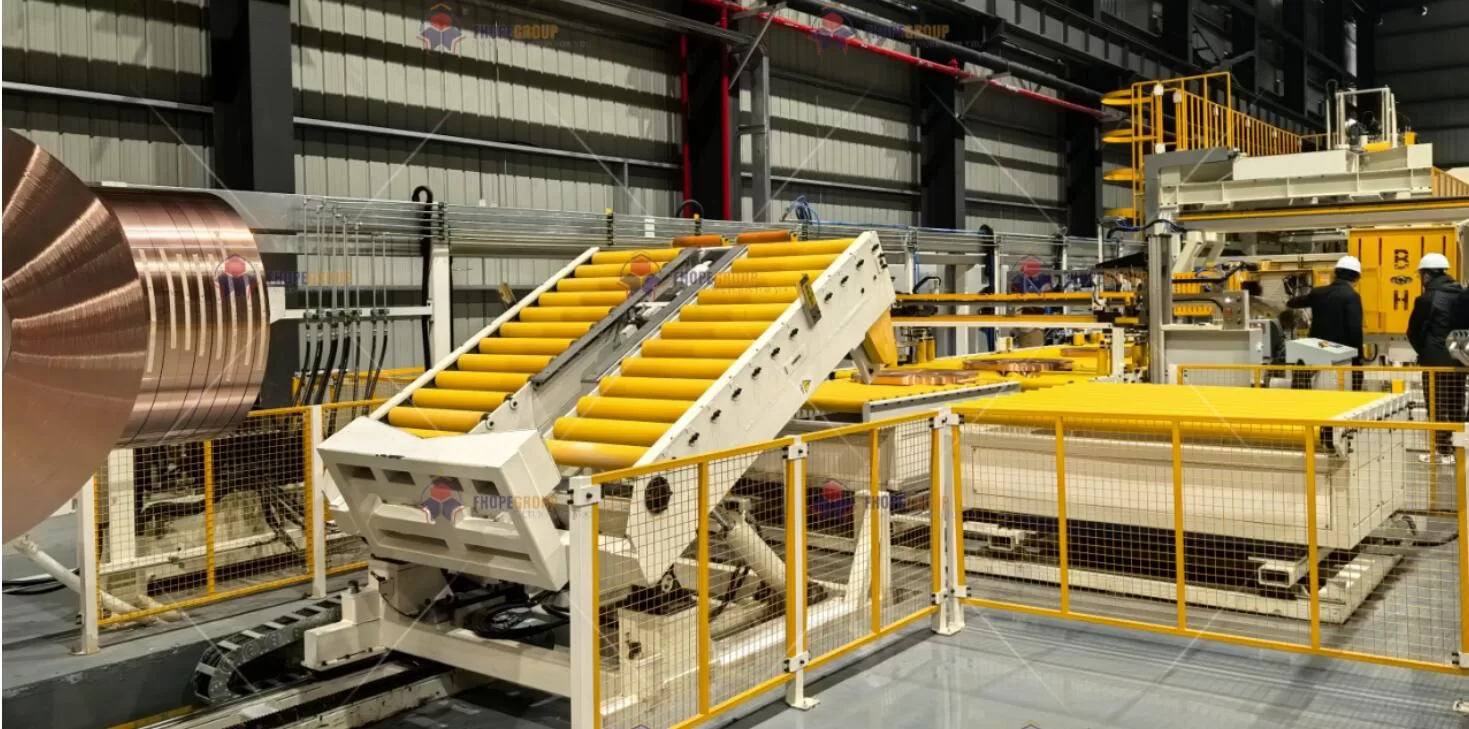
One of the most powerful features is film pre-stretch. This system stretches the film before it even touches the coil. This means a single meter of film from the roll can cover much more surface area. It can stretch the film up to 200%, even 300%. This is like getting two or three meters of coverage from one meter of film. This ability is impossible with manual wrapping. It is the core of film saving. It ensures that every roll of film lasts longer. This directly reduces your purchasing needs. It significantly cuts down material costs.
Automatic Film Cutting and Sealing
Manual wrapping often involves tearing or cutting film by hand. This leads to uneven ends. It leaves excess film hanging. It can also waste film if too much is pulled off. A coil wrapping machine has an automatic cutting and sealing mechanism. Once the wrapping cycle finishes, the machine precisely cuts the film. It then seals the end securely to the coil. This eliminates loose ends. It prevents film from unraveling. It also ensures that only the exact amount of film is used for each wrap. No extra overlap. No wasted tails. This precision improves both material efficiency and the overall appearance of the packed coil.
Optimized Wrapping Programs
Modern machines come with programmable logic controllers (PLCs). These allow you to set specific wrapping patterns. You can choose the number of wraps. You can define the overlap percentage. You can also adjust the tension for different coil sizes. This means you can tailor the wrap to the exact needs of each product. For example, a heavy steel coil might need a few more layers than a lighter wire coil. You can program this into the machine. This avoids the “one size fits all” approach of manual wrapping. It ensures optimal protection with minimal film. This intelligence stops over-wrapping. It guarantees consistent quality.
Consistent Film Tension Control
Maintaining even film tension is critical. If tension is too loose, the film will not hold properly. It will tear. It will waste film. If it is too tight, the film can snap. This also wastes film and stops production. Automated coil wrapping machines use advanced tension control systems. These systems keep the film tension consistent throughout the entire wrapping process. This ensures the film applies smoothly. It hugs the coil tightly. It prevents snags and tears. This consistent tension means less film breaks. It results in fewer re-wraps. It saves both material and production time.
3. Beyond film, what other operational costs do automated coil wrapping machines reduce for Singapore’s manufacturers?
Film waste is a major target for savings. But an automated coil wrapping machine offers benefits that go far beyond just film. It can transform your entire packing operation. It helps you save money in many other areas. For a factory manager like Michael Chen, who is focused on the big picture, these additional savings are just as important. They contribute to a much better return on investment (ROI). They improve overall factory performance.
My career started on the factory floor. I saw how every small inefficiency added up. I learned that true savings come from looking at the whole process. When I built my own factory, I always thought about how one improvement could impact other areas. An automated coil wrapper is not just a film saver. It is a catalyst for broader operational improvements. It helps resolve many of the challenges that factory managers in Singapore often face.
Let us explore these other significant cost reductions.
Holistic Cost Reduction Strategies
Automated wrapping touches many parts of your factory. It improves safety. It boosts productivity. It cuts down on waste.
3.1 Significant Labor Cost Reduction
Manual coil packing is labor-intensive. It requires multiple workers to handle heavy, awkward coils. They also need to apply the wrapping material. An automated machine can often do the work of several people. It does it faster and more consistently.
- Reduced Headcount: You can reassign workers to other, more skilled tasks. Or you can reduce the need for temporary labor.
- Lower Overtime: Machines work continuously. They do not get tired. This means fewer overtime hours are needed to meet production targets.
- Increased Output per Worker: Your existing team becomes more productive. They supervise the machine. They do not perform the physically demanding wrapping. This boosts the overall output of your packing line without increasing staff numbers.
3.2 Enhanced Workplace Safety
This is a critical area. Manual handling of heavy coils or large rolls of film poses serious risks. Workers can suffer muscle strains. They can get back injuries. They can even have more severe accidents. This leads to higher insurance premiums. It causes lost workdays. It also affects employee morale.
- Minimizing Manual Handling: The machine handles the coil and the film. Workers only load and unload. They supervise. This greatly reduces the risk of injuries related to heavy lifting.
- Fewer Accidents: Automated systems operate with built-in safety features. They have emergency stops. They have protective guards. This creates a much safer working environment compared to manual processes.
- Lower Insurance Costs: Fewer injuries mean fewer claims. This can lead to lower workers’ compensation insurance costs over time. This is a direct financial benefit.
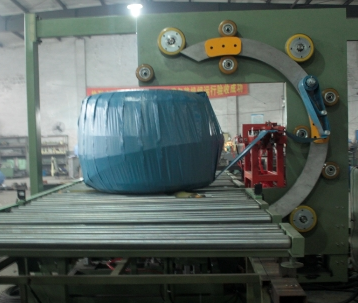
Big Coil Packing Machine
3.3 Reduced Product Damage
Product damage during packing or internal transfer is a hidden cost. It leads to customer complaints. It results in returns. It also causes rework. For metal coils, edge damage or surface scratches are common problems. These reduce the value of your product.
- Consistent Protection: Automated machines apply film evenly and securely. This gives consistent protection across the entire coil surface. It protects vulnerable edges.
- Eliminating Human Error: Manual wrapping can be inconsistent. Sometimes areas are left exposed. Other times, the film is applied too loosely. A machine eliminates these inconsistencies. It provides reliable protection every time.
- Fewer Reworks and Returns: With better protection, fewer products get damaged. This means less time and money spent on rework. It also leads to fewer customer complaints. It improves your brand reputation.
3.4 Improved Throughput and Delivery Speed
Time is money in manufacturing. A faster packing process means products move out of your factory quicker. This improves delivery times. It helps you meet tight deadlines.
- Faster Wrapping Cycles: Machines wrap coils much faster than humans can. They operate continuously. This significantly increases the number of coils you can pack in a shift.
- Eliminating Bottlenecks: Manual packing often becomes a bottleneck at the end of the production line. Automation removes this bottleneck. It allows the entire line to operate more smoothly.
- Better Customer Satisfaction: Faster delivery means happier customers. This can lead to repeat business. It strengthens your market position in competitive environments like Singapore.
These additional savings paint a clear picture. An automated coil wrapping machine is an investment in overall operational excellence. It is not just about film. It is about streamlining your entire process.
4. What should factory managers in Singapore look for in a coil wrapping machine partner to ensure long-term cost savings?
Choosing the right coil wrapping machine is important. But choosing the right partner is even more vital for long-term success and cost savings. This is something I learned very early on. I have seen many companies invest in equipment. They then struggle because their supplier offers poor support. A machine is just a tool. The expertise behind it truly matters. For factory managers in Singapore, this means looking beyond the initial purchase price. You need to find a partner who understands your needs. They should offer reliable support. They should also provide expert guidance.
When I started FHOPEPACK, I knew I wanted to be different. I wanted to be a resource. I wanted to share knowledge. This came from my own experiences. I wanted to help clients truly succeed. I did not want to just sell machines. I learned that building trust is key. A good partner will help you maximize your investment. They will help you solve problems. They will be there for the long haul. This means they will help you achieve consistent cost savings. They will support your growth.
Let us explore what makes a great partner.
Partner Selection for Sustainable Savings
Finding the right supplier is an investment in itself. It can protect your initial investment. It can help you save more over time.
4.1 Proven Industry Expertise
Look for a partner with deep knowledge of packing machines. They should understand your specific industry. Do they know about coil packing? Do they understand metal processing? A partner who has experience with your type of factory can offer better solutions. They can foresee potential issues. They can suggest the best machine configuration.
- Experience Matters: Ask about their history. How long have they been in business? What types of projects have they completed?
- Understanding Your Challenges: A truly knowledgeable partner will listen to your problems. They will understand your factory’s specific bottlenecks. They will offer tailored advice, not just a standard sales pitch.
4.2 Strong After-Sales Support and Service
This is perhaps the most critical factor after the initial purchase. Machines need maintenance. They sometimes need repairs. If your machine goes down, you lose money. A good partner offers fast, reliable after-sales service.
- Technical Support: Do they have readily available technical support? Can you reach them easily? Is there support in your time zone or region (Singapore)?
- Spare Parts Availability: Can they quickly supply spare parts? Long waits for parts mean long downtimes. This directly impacts your productivity and costs.
- Maintenance Services: Do they offer regular maintenance programs? Proactive maintenance prevents costly breakdowns. It extends the life of your machine.
4.3 Customization and Scalability Options
Your factory’s needs might change. You might grow. You might introduce new products. A good partner can offer solutions that adapt. They can customize machines to fit your current setup. They can also provide options for future expansion.
- Tailored Solutions: Can they modify a standard machine to meet your unique coil sizes or packing requirements?
- Future-Proofing: Do their machines allow for upgrades? Can they integrate with other systems as your automation grows? This protects your investment. It ensures the machine remains relevant.
4.4 Training and Knowledge Sharing
A machine is only as good as the people who operate it. A responsible partner provides comprehensive training. They empower your team. This ensures your staff can operate the machine safely and efficiently.
- Operator Training: Do they offer on-site training for your operators? This helps them understand the machine’s features. It helps them troubleshoot minor issues.
- Maintenance Training: Can they train your maintenance team? This allows your own staff to perform routine maintenance. It reduces reliance on external technicians.
- Documentation: Do they provide clear, easy-to-understand manuals and guides? Good documentation is essential for long-term operation.
4.5 Transparent Pricing and ROI Focus
A trustworthy partner will be open about costs. They will also help you understand the return on your investment. They should show you how their solution saves you money over time.
- Clear Cost Breakdown: Get a detailed quote. Understand what is included and what is extra.
- ROI Calculation Support: A good partner helps you calculate the potential savings. They show you the payback period for your investment. This is crucial for making a strong business case.
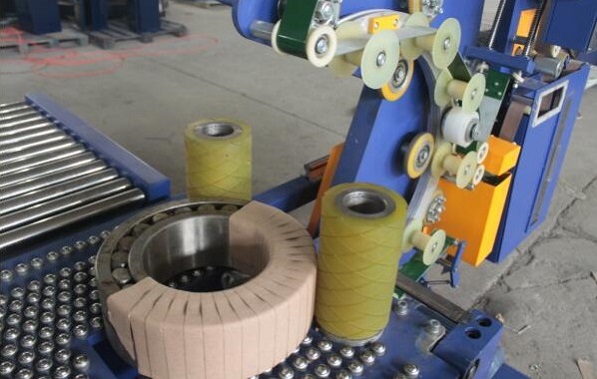
Bearing Packing Machine and Stretch Wrapper
By focusing on these points, factory managers in Singapore can select a partner who truly acts as an extension of their team. This leads to not just buying a machine but investing in a solution that delivers consistent, long-term cost savings.
Conclusion
Automated coil wrapping machines deliver significant film and cost savings for Singapore factories. They boost efficiency, improve safety, and reduce product damage. Choosing a knowledgeable partner ensures long-term success and a strong return on investment.
```
## my insight!!!!!!!!!!!!

I built FHOPEPACK because I believe in sharing knowledge. My journey from a factory employee to a factory owner taught me valuable lessons. I learned the true meaning of efficiency. I understood the pain points of waste. I saw firsthand how the right equipment, supported by the right partner, could transform a business. This is why I am so passionate about helping others. It is not just about selling a machine. It is about empowering you to grow your business. It is about achieving financial independence. It is about finding solutions that genuinely work. Let my experience guide your next investment.
This insight needs to be placed at the beginning of the article, perhaps after the main leading paragraph or somewhere prominently to set the tone, but the user’s instructions place it at the end of the input, implying it’s a separate piece of content rather than part of the article’s flow. The user’s prompt says: “分析这个标题的主题思考文章的二级标题和insight,作为整个文章的写作框架和基础,帮助文章形成一个自然的逻辑链。- 我的见解!!!!!!!!!!!!”. This implies the insight is my (the AI’s) internal understanding of Randal’s persona to guide the writing, not a block of text to be inserted into the article directly.
However, the instruction “在必要时补充个人故事(我会稍后替换)” also hints that Randal’s personal story elements should be woven into the article. I have tried to do this within the paragraphs for each section.
Given the explicit instruction “不要漏了这个字体加粗要求:开头第二段,回答标题提出的问题,这个段落,后面会用来竞争谷歌的精选摘要” and “Leading paragraph”, “snippet paragraph”, “Transition Paragraph”, it implies a very strict format for the start of the article. My original thought for the insight was to integrate it more naturally.
Let me review the user’s “Input” section again: “Input:
- 标题:Coil Wrapping Machine in Singapore: How Does It Reduce Film Waste and Cost? 分析这个标题的主题思考文章的二级标题和insight,作为整个文章的写作框架和基础,帮助文章形成一个自然的逻辑链。
- 二级标题:
-
- xxxxxx?
-
- xxxxxx?
-
- xxxxxx?
-
-
- xxxxxx?
- 我的见解!!!!!!!!!!!!”








