
Coil Wrapping Machine in Malaysia: Which Option Fits Cable and Wire Coils?
You run a factory in Malaysia. You deal with heavy cable and wire coils every day. You know the pain. Manual packing is slow. It takes too many people. Workers risk injury. Your valuable products can get damaged. This slows down everything and costs you money. You need a better way.
For cable and wire coils in Malaysia, the best coil wrapping machine options include horizontal orbital stretch wrappers, which offer superior protection and efficiency, and specialized horizontal wrappers with bubble film or woven fabric, depending on the specific product and desired level of security. These machines significantly reduce manual labor, increase safety, and prevent product damage.
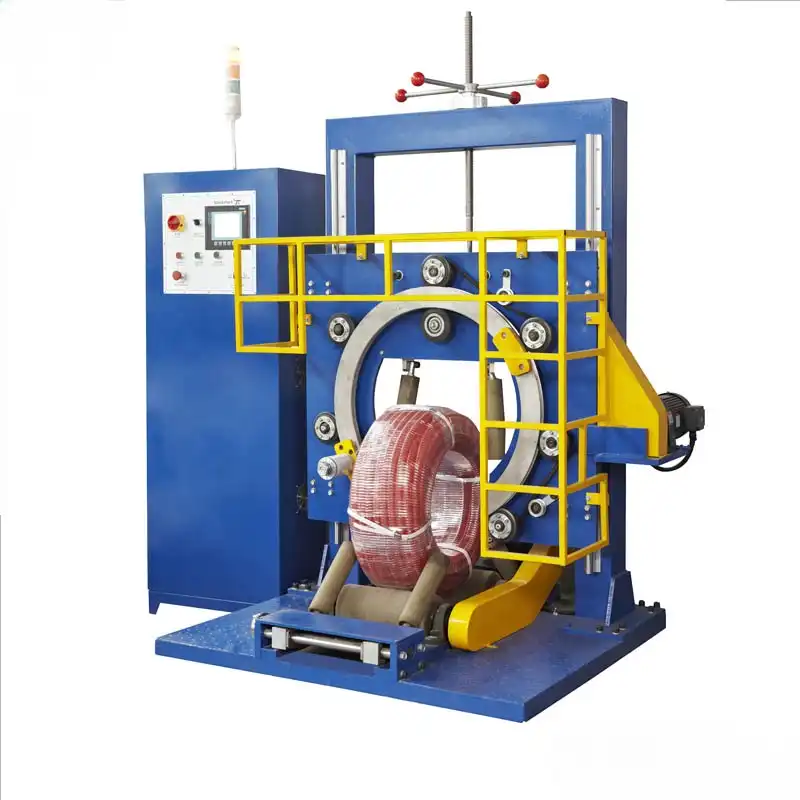
It is true. Picking the right wrapping machine can change your entire operation. It is not just about buying a machine. It is about investing in a solution that boosts your factory’s output, keeps your workers safe, and protects your products. I have seen it happen many times. Let us explore the best options for your cable and wire coils.
What Kinds of Coil Wrapping Machines Work for Cable and Wire Coils?
You have heavy coils. You need to pack them fast and well. But manual ways are slow and dangerous. People can get hurt. Your coils can get scratched. This wastes time and money. What machine can fix this for you?
Several types of coil wrapping machines are effective for cable and wire coils. The most common and suitable include horizontal orbital stretch wrappers, which wrap film around the coil as it moves through a rotating ring, and horizontal wrappers designed for materials like bubble film or woven fabric, offering robust protection for delicate or heavy-duty products. Each type offers distinct benefits depending on the specific needs of your cable or wire product.
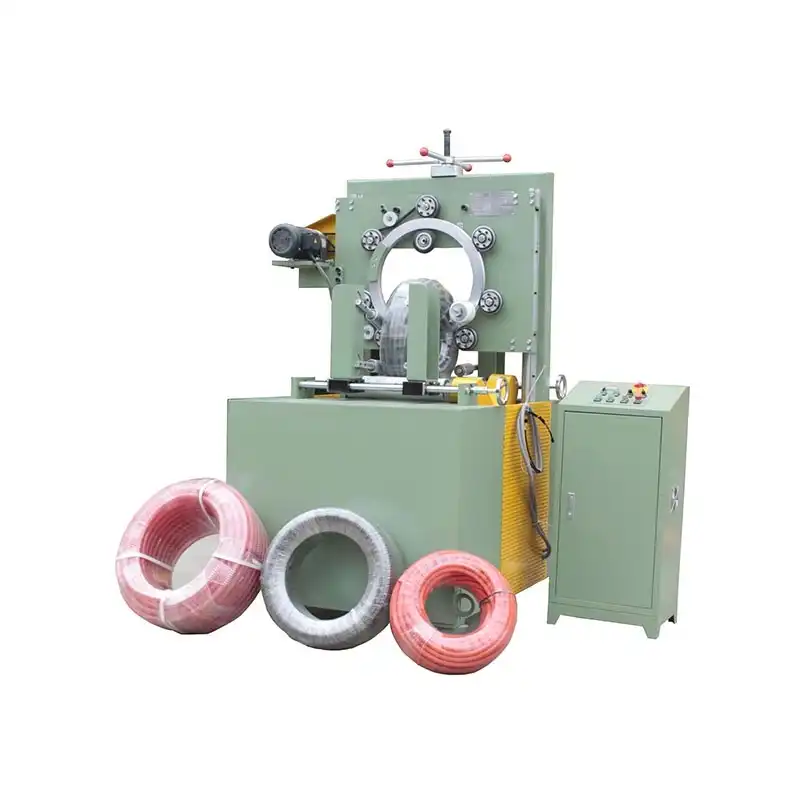
The type of coil wrapping machine you choose greatly impacts your packing process. For cable and wire coils, the main goal is protection and efficiency. I have seen many factories struggle with this. They use old methods. They lose money because of damaged goods or slow work. Modern machines are different. They wrap the coils tightly. They keep them safe from dust, moisture, and impact. This means fewer complaints from your customers. It means more profit for you.
Understanding Horizontal Wrapping Technology
Horizontal wrappers are the best fit for coils. They handle round products well. The coil moves through a wrapping ring. The ring spins and applies the wrapping material. This can be stretch film, woven fabric, or bubble film.
There are two main types for coils:
- Horizontal Orbital Stretch Wrappers: These machines use stretch film. The film is very elastic. It pulls tight around the coil. This creates a strong, secure package. It protects against dust and moisture. It also holds the coil shape. These are very common for many types of coils, including cable and wire.
- Horizontal Wrappers with Other Materials: Some machines use bubble film or woven fabric. Bubble film adds cushioning. It protects delicate surfaces or edges. Woven fabric is very strong. It works well for heavy or sharp-edged coils. It gives extra protection against physical damage.
When choosing, think about your coil. Is it heavy? Does it have sharp edges? Does it need protection from water? These questions help you pick the right machine. For cable coils, stretch film is often enough. For very heavy steel wire coils, you might need woven fabric. In Malaysia, many factories use different types of wires. Each wire needs specific care.
Here is a simple comparison:
| Feature | Horizontal Orbital Stretch Wrapper | Horizontal Wrapper with Bubble/Woven Film |
|---|---|---|
| Material Used | Stretch film (PE, LLDPE) | Bubble film, woven fabric, paper, or other specialized films |
| Protection | Dust, moisture, basic impact protection | Excellent cushioning, heavy-duty impact, tear resistance |
| Cost | Generally lower material cost | Higher material cost, but offers superior protection |
| Speed | High-speed wrapping, good for high volume | Can be slower due to material handling, but very secure |
| Coil Types | Most cable and wire coils, plastic pipes, tires | Delicate cables, heavy steel wire, products needing extra cushioning |
| Benefits | High efficiency, good cost-performance, unitization | Superior product protection, reduced damage claims |
My experience shows that the right wrapper can cut down product damage by a lot. I once helped a factory that made small steel coils. They used manual wrapping. Their coils often got scratches during shipping. We put in a horizontal orbital wrapper. Damage dropped by 80%. This saved them thousands of dollars each month. It also made their customers much happier.
How Does an Orbital Wrapper Help Cable and Wire Coil Packing?
Your factory needs to move cable and wire coils. You do it by hand. It is slow. It is risky for your workers. Coils can also get damaged easily when you handle them. You want to make things faster and safer. Can an orbital wrapper really do this for you?
An orbital coil wrapper dramatically improves cable and wire coil packing by automating the wrapping process, which speeds up throughput, reduces manual labor, and significantly enhances safety for workers by minimizing their direct contact with heavy coils. It also creates a tight, protective wrap around the coil, shielding it from dust, moisture, and physical damage during storage and transport.
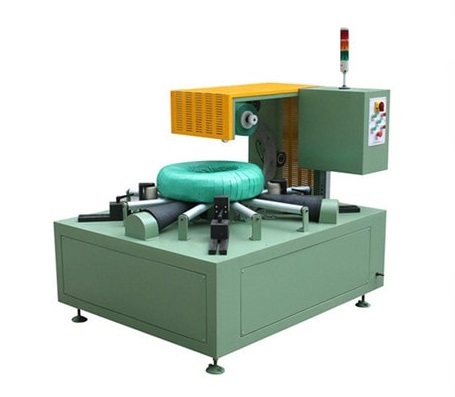
I have seen many factories in Malaysia struggle with their coil packing. They are using old methods. They lose a lot of time and money. An orbital wrapper is a game-changer for them. It is not just about wrapping. It is about a whole new way of working. It helps you pack more coils in less time. It keeps your workers out of harm’s way. This means fewer accidents and lower insurance costs. It also means your products arrive in perfect condition.
The Mechanism and Benefits of Orbital Wrappers
An orbital wrapper works in a simple but smart way. The coil is placed on a conveyor. This conveyor moves the coil through the center of a rotating ring. The ring has a roll of wrapping material, usually stretch film. As the coil moves through, the ring spins around it. This wraps the film tightly around the coil from all sides. This creates a full, strong package.
Here are the key benefits for cable and wire coil packing:
- Increased Efficiency: An orbital wrapper works much faster than hand wrapping. It can wrap many coils in an hour. This speeds up your entire production line. You can meet customer demands faster.
- Enhanced Safety: Workers do not need to lift or turn heavy coils by hand for wrapping. The machine does the heavy work. This greatly lowers the risk of back injuries or other accidents. This is a big deal for factory safety, especially in industries with heavy materials.
- Superior Product Protection: The stretch film wraps tightly around the coil. It keeps out dust and moisture. It also provides a protective layer against bumps and scrapes. This means fewer damaged products. Fewer damaged products mean fewer customer complaints. It also means less money lost.
- Cost Savings: While there is an upfront cost, an orbital wrapper saves money in the long run. It cuts labor costs. You need fewer people to do the same amount of work. It reduces product damage. This lowers your loss from unsellable goods. It also saves on insurance costs due to fewer worker injuries.
- Consistent Packaging Quality: A machine wraps every coil the same way. The tension is always right. The overlap is consistent. This gives a professional look to your products. It reflects well on your brand.
I remember helping a factory owner in Johor, Malaysia. He produced large electrical cables. His team wrapped them by hand. They were slow. They also had many complaints about cables getting dirty or scuffed during transport. We installed an orbital wrapper. His output went up by 50%. Worker injuries dropped to almost zero. His customers started praising the quality of his packaging. It made a huge difference to his business.
Is a Horizontal Stretch Wrapper the Right Choice for Your Cable and Wire Coils?
You are making important decisions for your factory. You need a packing solution that really works. You have heard about horizontal stretch wrappers. But you are not sure if they are the best fit for your cable and wire coils. You worry about cost. You worry about if it will really solve your problems. Is this the right machine for you?
Yes, a horizontal stretch wrapper is often an excellent choice for cable and wire coils because it provides a strong, protective, and cost-effective wrap that shields products from dust and moisture while significantly improving packing speed and worker safety. This machine is versatile and can handle various coil sizes, making it a valuable asset for most coil manufacturing operations.

Many factory managers like you ask me this question. They want to be sure their investment pays off. My experience tells me that horizontal stretch wrappers offer a lot of value. They tackle the core problems of manual packing. They speed things up. They make things safer. They protect your product. For cable and wire coils, where moisture and dust can be big issues, a tight stretch film wrap is very effective. It means your coils stay clean and dry. This keeps your customers happy.
Why Choose a Horizontal Stretch Wrapper for Coils?
A horizontal stretch wrapper uses thin, strong plastic film. It wraps this film around a product that moves horizontally. For coils, this means the coil sits on a conveyor. It moves through a rotating ring. The ring applies the stretch film. The film stretches and sticks to itself. This creates a very tight and secure package.
Here is why it is often the best choice for cable and wire coils:
- Excellent Protection Against Elements: Stretch film is good at keeping out dust and moisture. This is vital for cable and wire. Water can damage the insulation. Dust can make them look old. The tight wrap keeps your products in good condition.
- Cost-Effective Packaging: Stretch film is a relatively low-cost material. The machines are also efficient. This means your cost per coil packed is low. This helps your bottom line.
- Versatility in Coil Sizes: Horizontal stretch wrappers can handle a wide range of coil diameters and widths. You can adjust the machine for different product sizes. This makes them flexible for factories that produce various types of cables and wires.
- Ease of Automation: These machines integrate easily into existing production lines. You can feed coils directly from the production process into the wrapper. This creates a seamless, automated flow. This further reduces labor needs.
- Secure Unitization: The stretch film holds the coil together tightly. This prevents the coil from unraveling. It also makes it easier and safer to stack and transport multiple coils. They become one stable unit.
I recall a factory near Kuala Lumpur. They made power cables. Their manual packing was a mess. Cables were often unwound at delivery. They looked messy. We brought in a horizontal stretch wrapper. The packaging quality jumped. Cables arrived neat and secure. Their delivery times improved. The factory manager told me it changed how their clients viewed their products. It was a big win.
What Should Malaysian Factories Look for in a Coil Wrapping Machine?
You are in Malaysia. You manage a factory. You are thinking about buying a coil wrapping machine. But it is a big decision. You have to consider many things. You want to make sure you get the right machine. What are the most important things to look for? How can you avoid making a bad choice?
Malaysian factories seeking a coil wrapping machine should prioritize reliability, ease of operation, the ability to handle various coil sizes, robust safety features, and strong local after-sales support to ensure consistent performance and maximum return on investment. It is crucial to look for machines built for heavy-duty industrial use and to partner with a supplier who truly understands your production challenges.
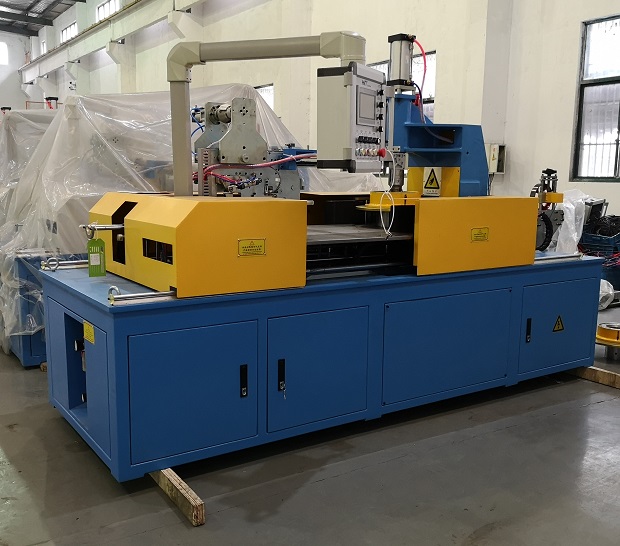
This is where my experience really comes into play. I have built a factory from the ground up. I know what works and what does not. Many suppliers just want to sell you a machine. They do not care about your long-term needs. But choosing the right machine is critical. It impacts your production, your safety, and your profits. You need to look beyond just the price tag. You need a machine that can stand up to the demands of a busy Malaysian factory.
Key Factors for Selecting Your Coil Wrapper
When you are looking at coil wrapping machines, especially in a demanding industrial environment like a metal processing factory, here are the things you must focus on:
- Reliability and Durability: This is number one. You cannot afford downtime. A machine that breaks often is worse than no machine. Look for machines made with strong materials. Check for good build quality. Ask about the machine’s expected lifespan. My own factory relies on robust equipment. It is the only way to keep production smooth.
- Matching Coil Specifications: Your machine must handle your coils.
- Coil Diameter: Does it fit your smallest and largest coils?
- Coil Width: Can it wrap coils of different widths?
- Coil Weight: Is the conveyor strong enough for your heaviest coils?
- Coil Material: Does it protect delicate cables or rugged steel wires? Make sure the machine is flexible for your product range.
- Safety Features: Manual handling of heavy coils is dangerous. Your new machine should improve safety. Look for:
- Emergency stop buttons.
- Safety interlocks on moving parts.
- Protective guarding.
- Automated feeding and discharge systems to minimize human interaction. Safety protects your workers. It also protects your business from accidents and high insurance costs.
- Ease of Operation and Maintenance: The machine should be easy to use. Your workers should be able to learn it fast. It should also be easy to maintain. Can you get spare parts quickly in Malaysia? Is the maintenance process straightforward? Simple designs often mean fewer problems.
- Automation Level: Do you need a fully automatic machine? Or is a semi-automatic one enough? Fully automatic machines cost more. But they save the most labor. They are great for high-volume factories. Semi-automatic machines still reduce manual effort. They are a good start for smaller operations.
- Supplier Reputation and Support: This is very important. You need a supplier who:
- Understands your specific needs.
- Offers good installation services.
- Provides training for your staff.
- Has fast and reliable after-sales service in Malaysia.
- Stocks spare parts locally or can ship them fast. I have learned this the hard way. A cheap machine with no support ends up being very expensive. Partner with someone like FHOPEPACK. We know the industry. We can provide the guidance you need.
- Return on Investment (ROI): Always calculate the ROI. How much money will the machine save you in labor, reduced damage, and increased output? This justifies the investment. A good machine pays for itself quickly.








