

Coil Wrapping Machine in Indonesia: How Do Different Brands Compare in Reliability?
Are you a factory manager in Indonesia dealing with constant coil packing machine breakdowns? I know the pressure. Production halts, missed deadlines, and angry clients. This cycle can drain your profits and your energy. I have lived this feeling. I spent my early career as an engineer in a packing machine factory. Then, I built my own successful factory. I understand the real cost of unreliability. It is more than just a broken part. It is lost trust and lost opportunity.
In Indonesia’s demanding industrial landscape, comparing coil wrapping machine brands for reliability means looking at their build quality, component sourcing, after-sales service network, and how well they handle the local operational environment. Brands show reliability through consistent performance, minimal downtime, and strong, accessible support, which protects your bottom line and ensures continuous production flow.
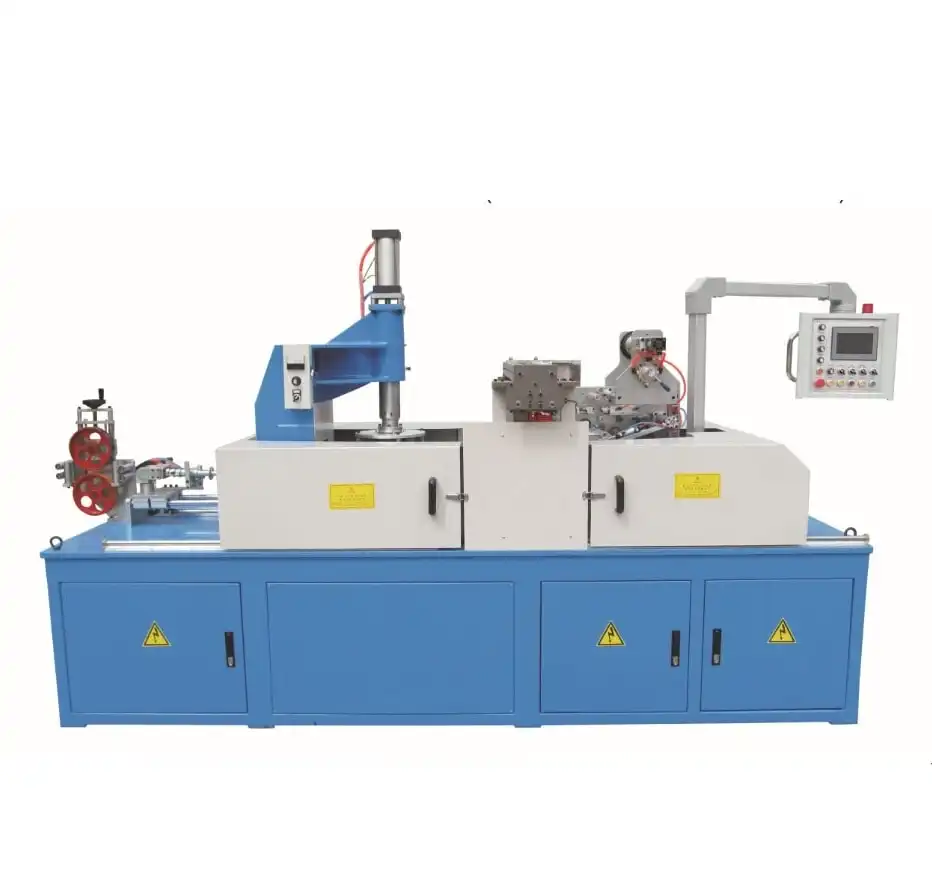

Choosing the right machine can feel like a huge gamble. But it does not have to be. Let me share what I learned over decades in this business. We will explore what truly makes a machine reliable. We will see how different suppliers approach this. And I will help you understand what you should look for to secure your investment in the long run.
1. Why is Coil Wrapping Machine Reliability So Important in Indonesia’s Factories?
Your factory in Indonesia faces unique pressures. You have high production targets. The market is competitive. And you need consistent output to stay ahead. A coil wrapping machine that often breaks down is not just an inconvenience. It is a critical roadblock. It costs you money, time, and your business’s reputation.
Coil wrapping machine reliability is crucial in Indonesian factories because it directly impacts production efficiency, worker safety, product quality, and overall operational costs. Unreliable machines cause frequent downtime, increase maintenance expenses, lead to product damage, and pose risks to workers. All of these problems cut into profits and hinder business growth.
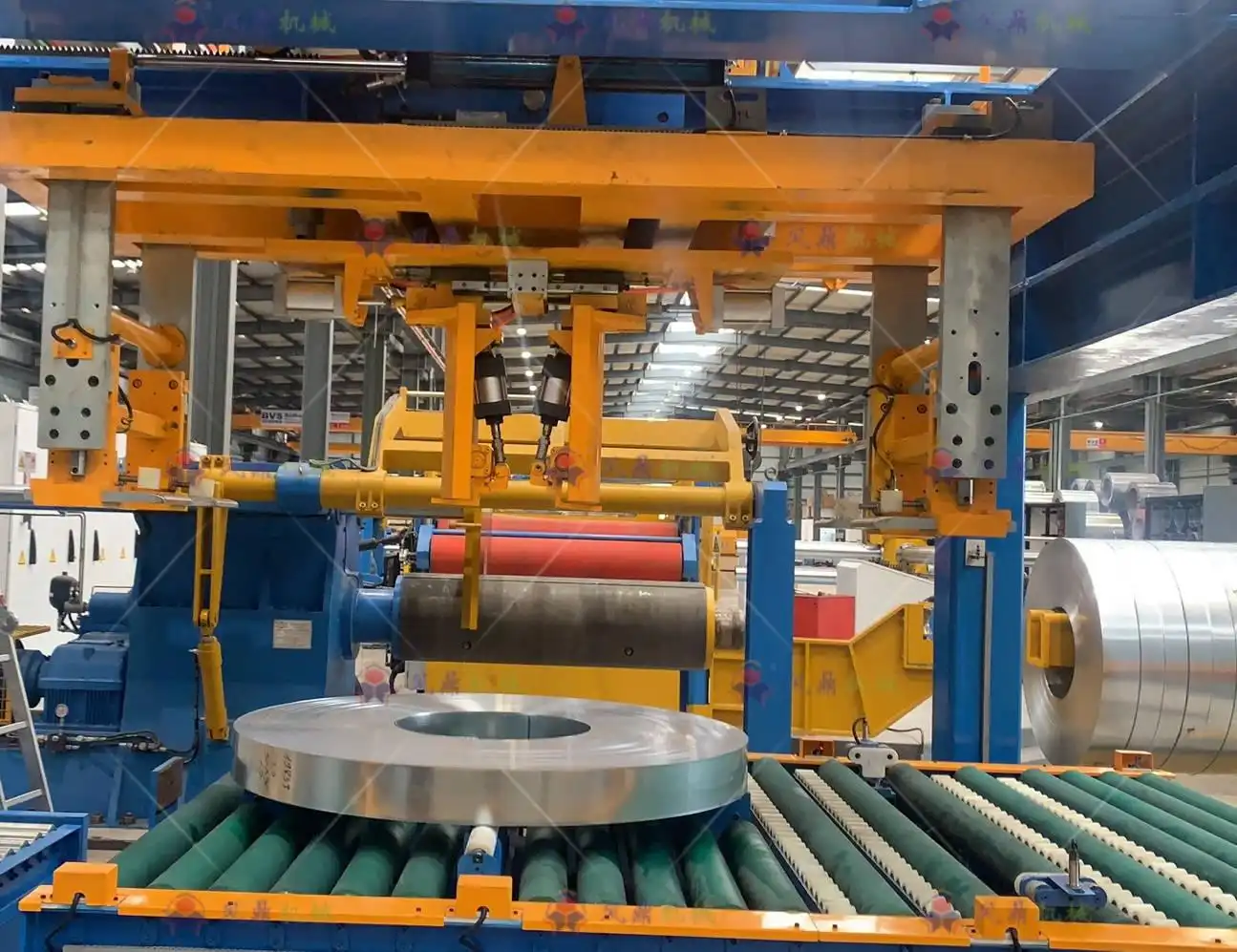

When I was running my own factory, I saw firsthand how a single machine failure could ripple through the entire operation. One time, a seemingly small issue on our packing line brought everything to a halt for half a day. We lost production, sure. But we also had to pay our workers for idle time. We had to scramble to fix the problem. And we had to manage an angry client who was waiting for their order. It was a huge headache. This is why reliability is not just a nice-to-have; it is a must-have.
The Real Cost of Downtime in Indonesia
Think about the direct costs. Every hour your coil wrapping machine is down, you are not producing. This means lost revenue. But it is more than that. You still pay your staff. You might pay for rush repairs or expensive parts. If deadlines are missed, you might face penalties. In a fast-paced market like Indonesia, even short delays can hurt your competitive edge. When I helped one client in Surabaya upgrade their packing line, their biggest concern was avoiding these hidden costs. Their old manual process was slow. But their biggest fear was an automated system that would often fail. I showed them how a reliable machine would actually save them money by eliminating these disruptions.
Beyond the Machine: Safety and Product Quality
Unreliable machines also bring other problems. Consider safety. Many older or poorly designed machines require too much manual intervention. Workers might have to lift heavy parts. They might need to maneuver in unsafe ways. This increases the risk of accidents. I remember a factory where an outdated coil handler caused a severe hand injury to an operator. That incident taught me a lot about putting safety first in machine design. Reliable machines minimize human interaction with dangerous parts. They have better safety features. They reduce the chance of accidents.
Then there is product quality. If your coils are not wrapped consistently, they can get damaged. Maybe the edges get bent. Maybe the wrapping comes loose during transport. This leads to customer complaints. It leads to returns. It hurts your brand. A reliable machine gives you consistent, high-quality wrapping every time. This protects your product. It protects your reputation. It ensures your customers get what they expect. It helps you keep their trust. My clients in the steel industry always emphasize how important it is to protect their finished goods. Even a small scratch can make a coil unsellable.
Here is a simple look at the impact:
| Factor | Reliable Machine Impact | Unreliable Machine Impact |
|---|---|---|
| Production | Consistent, high output; smooth workflow | Frequent halts; low output; chaotic scheduling |
| Costs | Lower operating costs; predictable maintenance expenses | High repair costs; increased labor for manual backup; material waste |
| Safety | Reduced manual handling risks; integrated safety features | Increased injury risk due to manual workarounds; unsafe conditions |
| Product Quality | Consistent, protected coils; fewer damages; satisfied clients | Damage to products; rework needed; customer complaints; returns |
| Reputation | On-time delivery; satisfied customers; strong brand image | Missed deadlines; unhappy clients; damaged brand perception |
2. What Key Factors Make a Coil Wrapping Machine Truly Reliable?
Many people think reliability is just about the machine not breaking down. But it goes deeper than that. True reliability comes from several key areas working together. It is about how the machine is built. It is about the parts it uses. And it is about how it is supported after you buy it.
A truly reliable coil wrapping machine is defined by its robust mechanical design, the quality of its electrical and pneumatic components, the precision of its manufacturing processes, and the strength of its after-sales service and parts availability. These factors ensure consistent performance, minimal breakdowns, and a long operational lifespan in demanding factory environments.
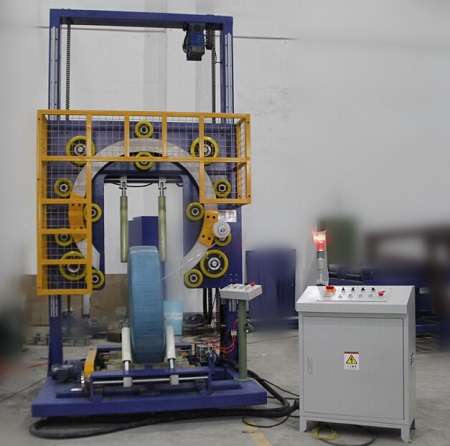

When I was designing my own packing machines, I obsessed over these details. I knew that if one small part was weak, it could compromise the whole system. My goal was always to build machines that could run day in and day out, even in tough factory conditions. I wanted my clients to focus on their production, not on fixing their machines. This mindset helped me achieve financial independence, and it helped my clients grow their businesses.
The Foundation: Robust Mechanical Design
A machine’s reliability starts with its physical structure. You need a strong frame. You need well-engineered moving parts. This means using high-quality steel that can withstand heavy loads and constant movement. It means precise machining of components so they fit together perfectly. If the frame is weak, it can bend or crack over time. If parts do not fit right, they will wear out fast. I often tell my clients to look closely at the machine’s build. Is it sturdy? Does it look like it can handle your daily operations? For instance, the coil packing machines I designed always prioritized heavy-duty construction. We knew that coils are heavy. The machine must absorb a lot of stress. A thin frame or weak bearings will simply fail.
The Brain and Muscles: Quality Components
Next, think about the internal parts. These are the electrical components, the motors, the sensors, and the pneumatic or hydraulic systems. These are the machine’s brain and muscles. Using cheap, unknown brands for these parts is a common mistake some manufacturers make. It saves them money. But it costs you a lot in the long run. Good quality components, often from well-known brands, are more expensive upfront. But they are much more reliable. They last longer. They perform better. They are also easier to replace because parts are more readily available. I always insisted on using trusted component brands. This reduced breakdowns for my clients. It also made troubleshooting much simpler. It is not just about the motor working today. It is about it working for years without issues.
Precision Manufacturing and Assembly
How a machine is put together also matters a lot. Even with great design and good parts, poor assembly can ruin reliability. This includes proper welding, correct torque on bolts, and precise alignment of moving parts. A well-built machine feels solid. It operates smoothly. There are no loose parts. There are no strange noises. When I visited factories looking for new ideas, I always paid attention to their assembly lines. The best factories had clean, organized spaces. Their workers were skilled. They paid attention to every detail. This care translates directly into a reliable finished product.
The Lifeline: After-Sales Service and Parts
Finally, reliability is not just about the machine itself. It is also about the company behind it. Good after-sales service is vital. Can you get spare parts quickly in Indonesia? Does the supplier have local technicians? Can they provide support when you need it most? Even the most reliable machine will eventually need maintenance or a part replacement. If you cannot get help, your machine will stay idle. This takes us back to the pain of downtime. My own experience showed me that a strong service network is a major differentiator. I saw many clients suffer because their supplier disappeared after the sale. That is why I always focused on building strong, long-term relationships with my clients. I wanted to be a partner, not just a seller.
3. How Do Top Brands Approach Machine Reliability Differently?
When you look at different brands, you will see they do not all prioritize reliability in the same way. Some focus on low cost. Others focus on cutting-edge features. But the top brands, the ones that deliver consistent performance, often have a specific approach to how they build and support their machines. They understand that reliability is a core value proposition.
Top coil wrapping machine brands approach reliability by investing heavily in research and development for robust designs, sourcing premium-grade components, implementing stringent quality control throughout manufacturing, and establishing strong, localized after-sales service networks. While some prioritize initial cost, leading brands focus on long-term operational stability and customer support to minimize total cost of ownership.
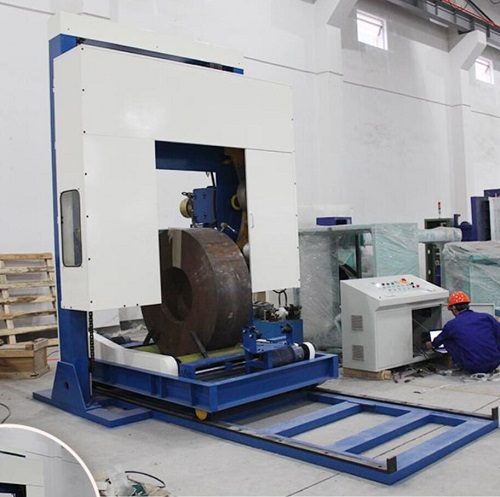

I have seen many brands come and go in this industry. The ones that stayed, the ones that truly thrived, were the ones that understood that their reputation depended on their machines working, day in and day out. They were not just selling a piece of metal. They were selling trust.
Focus on Engineering and Materials
The best brands spend a lot on research and development. They use advanced engineering tools to design their machines. They test their designs rigorously. They also select materials very carefully. For example, they might use specialized alloys for high-stress parts. They might use corrosion-resistant coatings for machines operating in humid environments, which is common in places like Indonesia. These brands do not cut corners on materials. They know that a slightly cheaper material now could mean a major breakdown later. This is a critical difference from brands that focus primarily on offering the lowest price. The lowest price often means compromises in materials and design.
Integrated Quality Control
Leading brands also have very strict quality control (QC) at every stage of production. It is not just a final inspection. They check raw materials. They check components as they come in. They check each sub-assembly. And they do a full test of the finished machine before it leaves the factory. This proactive approach catches problems early. It prevents faulty machines from reaching your factory floor. I remember implementing a rigorous 5-step QC process in my own factory. It was time-consuming. But it saved us so many headaches down the line. It ensured that every machine we shipped was up to our high standards. This is a sign of a brand that truly cares about reliability.
The Role of After-Sales and Support Network
This is where the difference between a good brand and a great brand becomes clear. Top brands have established a robust after-sales service network. This often includes:
- Local presence: Do they have a service center or trusted partners in Indonesia? This means faster response times.
- Skilled technicians: Are their technicians well-trained? Can they diagnose complex issues?
- Spare parts availability: Do they stock common spare parts locally or can they ship them quickly?
- Training: Do they offer training for your team so they can handle basic maintenance?
Many brands can sell you a machine. But only a few can truly support it throughout its lifespan. I have seen clients buy from “bargain” brands only to find themselves stranded when something went wrong. No spare parts. No technicians. This can quickly turn a “cheap” machine into a very expensive one because of the lost production. When I talk about giving back to the industry, it is about sharing these hard-won lessons so others do not make the same mistakes.
Customization and Application Expertise
Another subtle but important difference is how brands handle specific application needs. Top brands do not just sell a standard machine. They understand your industry. They understand your product. They might offer customization options. Or they might advise you on the best configuration for your specific coils or factory layout. This shows deeper expertise. It means the machine is designed to be reliable for your specific operations, not just in a generic sense. This level of partnership is what I always aimed for when working with my own clients. I did not just want to sell them a machine. I wanted to sell them a solution that would truly help them grow.
4. What Should You Look For When Choosing a Reliable Machine Supplier?
Choosing a reliable coil wrapping machine supplier is not just about comparing technical specifications. It is about finding a true partner. It is about protecting your investment. And it is about ensuring your factory’s future success. Based on my years building factories and helping clients, I have a clear idea of what separates the best suppliers from the rest.
When choosing a reliable coil wrapping machine supplier, you should look for a partner with proven industry experience, a reputation for strong after-sales support in Indonesia, transparency in their component sourcing and manufacturing, and a clear understanding of your factory’s specific operational challenges and goals. Prioritize suppliers who offer comprehensive training and readily available spare parts to ensure long-term operational stability.
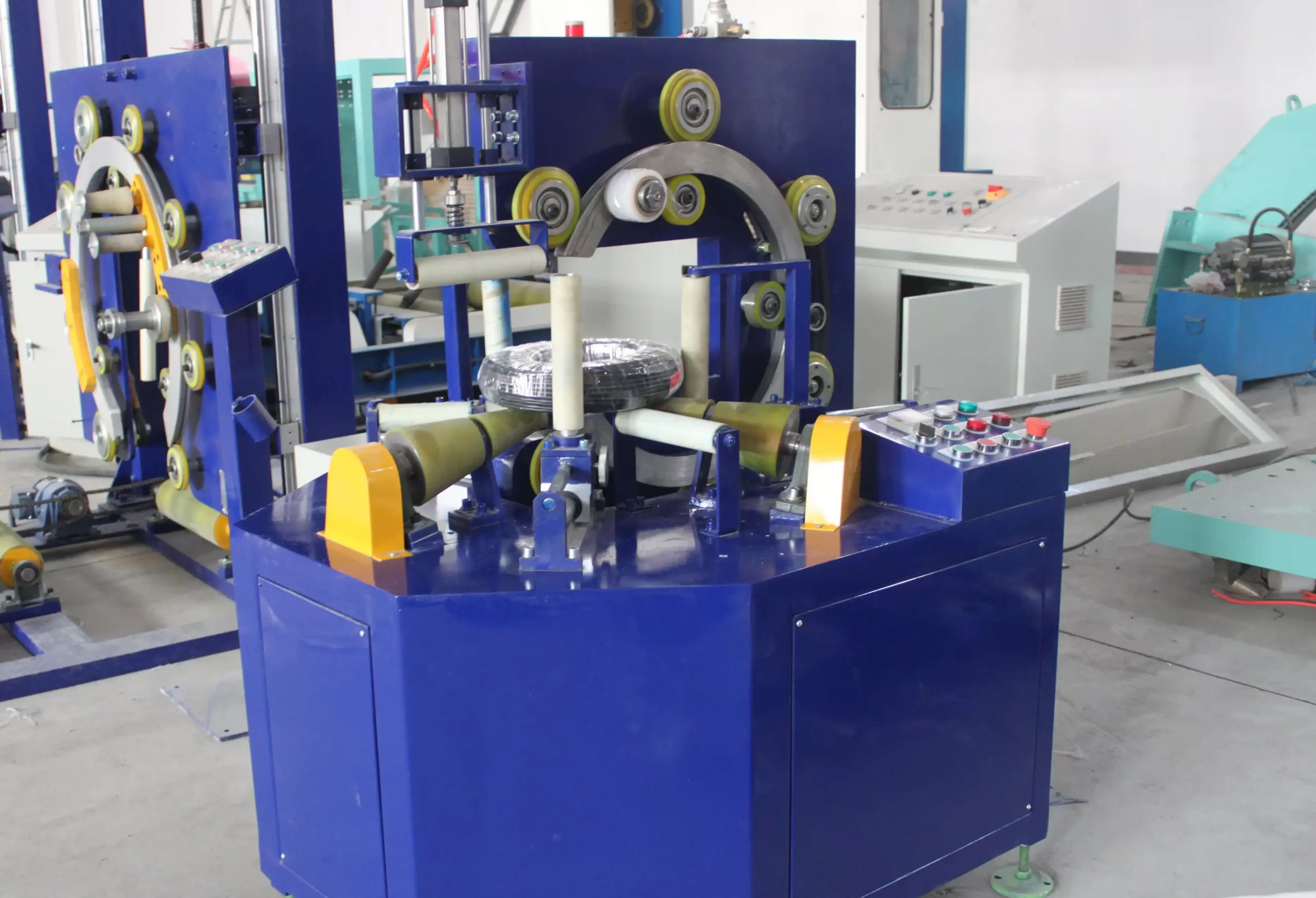

I have seen many factory managers, much like Michael Chen in Mexico (or now, in Indonesia), struggle with this decision. They have been burned by suppliers who promise the moon but deliver very little after the sale. My advice is always to look beyond the initial price tag and focus on the long-term value.
Supplier’s Experience and Track Record
First, look at their experience. How long have they been in business? Do they specialize in coil wrapping machines, or is it just one product among many? A supplier with deep industry experience is more likely to understand your needs. They will have faced and solved many challenges before. They will have a track record of successful installations. Ask for references. Talk to their existing clients, especially those in Indonesia or similar markets. When I started FHOPEPACK, I leveraged my own journey in the packing machine industry. I knew the pain points. I knew what worked. This direct experience is invaluable.
Robust After-Sales Service and Local Support
This is critical. A supplier must have a strong presence or a reliable network in Indonesia. Before you buy, ask specific questions:
- Service Response Time: What is their guaranteed response time for service calls?
- Spare Parts Logistics: How quickly can they deliver common spare parts to your factory in Indonesia? Do they have a local warehouse?
- Technical Support: Is technical support available by phone, email, or video call? In English or Bahasa Indonesia?
- On-site Technicians: Do they have local technicians or easy access to fly them in?
Without robust after-sales support, even the best machine can become a liability. You need a partner who will stand by their product. My clients often tell me that this is their biggest concern. They want to know that if something goes wrong, help is just a phone call away, not weeks away.
Transparency in Manufacturing and Components
A trustworthy supplier will be transparent. They should be willing to tell you about their manufacturing process. They should list the brands of key components they use. If a supplier is vague about these details, it is a red flag. It might mean they are using cheap, unbranded parts to cut costs. As I mentioned earlier, the quality of components directly impacts reliability. Do not be afraid to ask for a list of component suppliers. Ask if you can visit their factory or see videos of their production line. This openness shows confidence in their quality.
Understanding Your Specific Needs
Finally, a great supplier acts like a consultant, not just a salesperson. They should take the time to understand your factory’s unique challenges. Are you dealing with specific coil sizes? What are your production volumes? What are your safety concerns? What are your long-term goals for automation and efficiency? A good supplier will offer solutions tailored to your situation, not just push a standard product. They will listen. They will ask questions. And they will offer insights based on their expertise, just as I share my insights from my journey. This partnership approach ensures that the machine you buy is the right fit. It ensures it will truly solve your problems and help your business grow.
Conclusion
Choosing a reliable coil wrapping machine in Indonesia demands a focus on robust design, quality components, and strong after-sales support. Prioritize suppliers with proven expertise and a clear understanding of your unique factory needs to secure long-term success.












