

Coil Wrapping Machine in Indonesia: How Do Automatic and Semi-Auto Models Compare?
Running a factory in Indonesia means constant pressure. You manage output, control costs, and keep safety in check. I know this feeling well. You see your current coil and wire packaging processes, often manual and slow, creating bottlenecks. This slows down your whole operation. It affects delivery times. It cuts into your profits. You also worry about your team. Manual handling of heavy coils or flipping pallets is not just slow; it is very risky. Workers can get hurt. This raises your insurance costs. It also makes good people leave. You want to fix these problems.
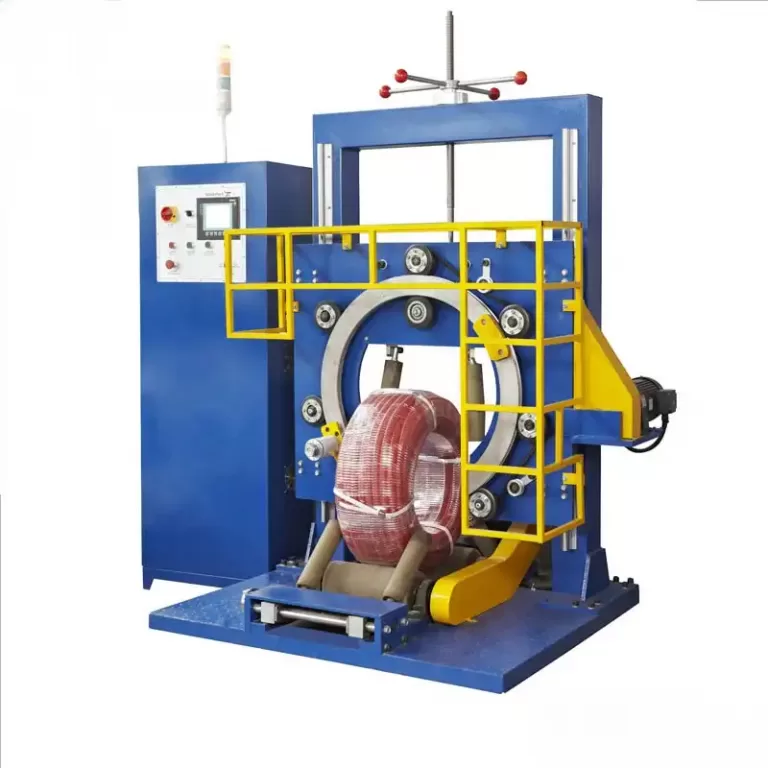
When you look at coil wrapping machines for your factory in Indonesia, you are mainly comparing two types: automatic and semi-automatic models. Automatic machines handle almost everything themselves, from feeding to wrapping and cutting. Semi-automatic machines still need a person to load items, start the wrapping, and sometimes cut the film. Each type offers different levels of efficiency, safety, and investment cost. Choosing the right one depends on your factory’s specific production volume, budget, and labor availability.

I started FHOPEPACK because I faced these exact challenges. I built a packing machine factory from the ground up. I know what works and what does not. I want to help you make the best choice for your business in Indonesia. Let us look deeper at these two types of machines. We will see how each one can help your factory grow.
1. Why does your factory in Indonesia need better coil wrapping now?
Do you feel the squeeze of slow production lines? Are your workers tired from heavy lifting? Many factory managers in Indonesia tell me about these exact problems. Your current coil and wire packaging might be manual. This means it is slow. It takes too much time. This holds back your whole production process. It hurts your ability to meet deadlines.
Your factory in Indonesia needs better coil wrapping now because manual processes create serious bottlenecks, increase safety risks for workers, and lead to costly product damage. These issues directly impact your factory’s output, operational costs, and overall profitability. Investing in improved wrapping technology is not just about upgrading; it is about solving critical problems that affect your daily operations and your bottom line.
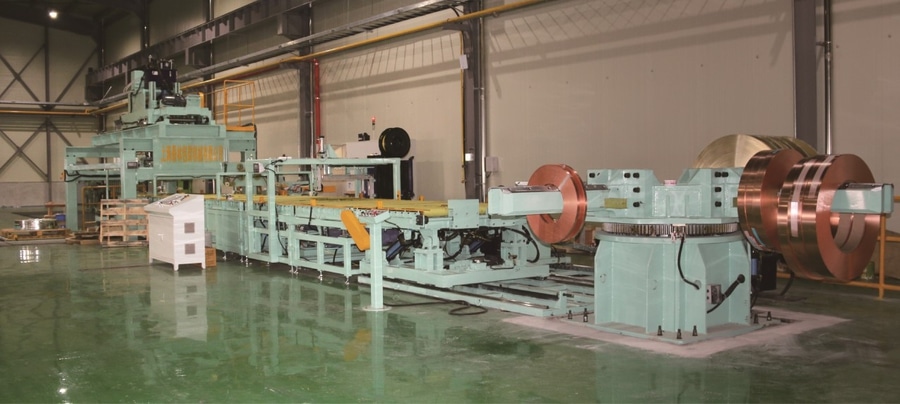

I have seen first-hand how outdated packaging methods can cripple a factory. When I was building my own business, efficiency was always my top priority. I wanted to move products quickly and safely. This meant looking hard at every part of the production line. Packaging is often the last step. But it can become the biggest roadblock. When you deal with heavy materials like steel coils, the risks are even higher. You need solutions that work. You need them now.
Understanding the Urgent Need for Improvement
Many factories in Indonesia operate with legacy systems. These systems worked in the past. But today’s market demands more. Customers want faster delivery. They expect perfect products. Your competitors are always looking for an edge. This pressure means you cannot afford slow or risky packaging. Let us break down why this is so urgent for your factory.
A. The Efficiency Bottleneck Problem
- Manual Labor Dependency: Your factory uses many people for packaging. They lift, turn, and wrap. This takes a lot of time. It makes your production slow. Your coils move through the factory fast. But at the end, they wait for packaging. This is a bottleneck.
- Reduced Throughput: When packaging is slow, your whole factory cannot produce as much. You have machines making coils quickly. But the packaged coils pile up. This means you lose production capacity. You cannot fulfill as many orders.
- Inconsistent Packaging Quality: People get tired. They make mistakes. Manual wrapping can be uneven. It might not protect the coil well. This leads to issues later. Customers might not like the look. Or the coil could get damaged during transport.
B. High Safety Hazards and Costs
- Risk of Workplace Injuries: Moving heavy steel coils by hand is very dangerous. Workers can strain their backs. They can drop heavy items. This causes injuries. These injuries are costly. They lead to medical bills. They mean lost workdays.
- Increased Insurance Premiums: More accidents mean higher insurance costs for your factory. Insurance companies see the risks. They charge more. This eats into your profits.
- Employee Turnover: Workers do not want dangerous jobs. If your packaging area is unsafe, good workers will leave. You then need to hire and train new people. This also costs money and time. It creates more work for your management team.
C. Product Damage and Financial Loss
- Scratches and Dents During Handling: During internal transport or packaging, coils can hit things. Their edges can get damaged. This happens often with manual methods. A small scratch can make a customer reject a whole coil.
- Customer Complaints and Returns: Damaged products lead to unhappy customers. They complain. They might send products back. This means more work for your team. It hurts your factory’s reputation.
- Loss of Profit Margins: Every damaged coil costs money. You lose the material cost. You lose the production cost. You lose potential sales. Over time, these losses add up. They seriously reduce your factory’s overall profit. It is like money flowing out of your business every day.
These problems are real. They impact your factory’s ability to compete. This is why looking at better coil wrapping solutions is not just an option. It is a must for your factory’s future in Indonesia.
2. What defines an automatic versus a semi-automatic coil wrapping machine?
You hear about automatic and semi-automatic machines. But what do these terms really mean for your factory floor? It is more than just a label. It defines how much work your team still needs to do. It also shows how much control the machine has over the wrapping process. Understanding this difference is key. It helps you choose the right fit for your operations.
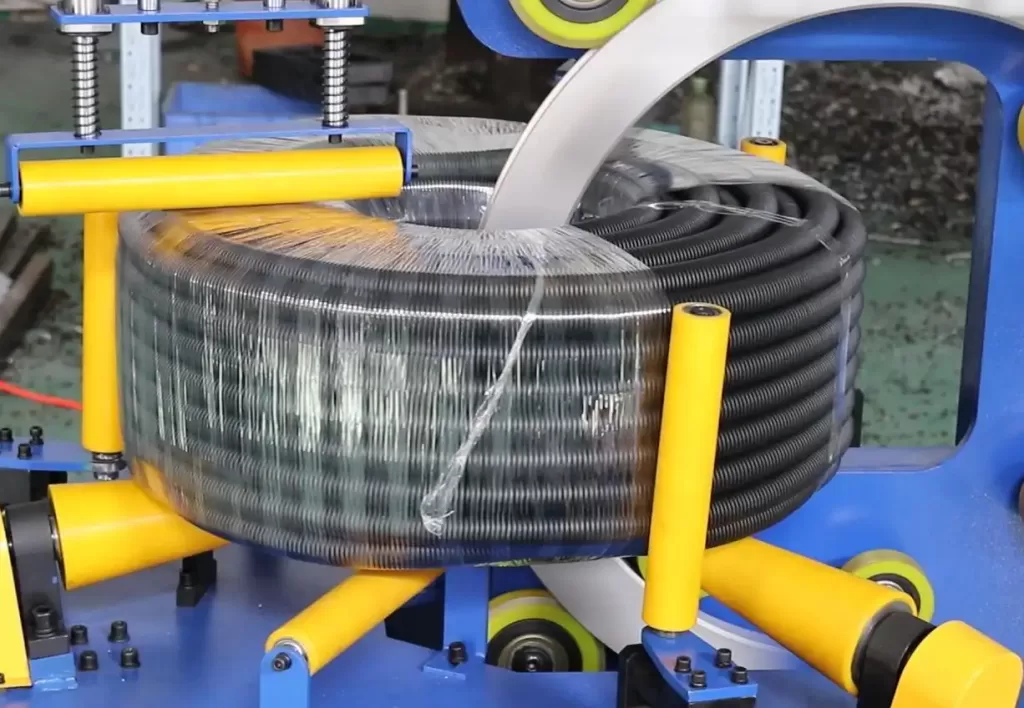
An automatic coil wrapping machine handles the entire packaging process with minimal human intervention. It loads, wraps, cuts, and sometimes even unloads coils on its own. A semi-automatic machine, however, requires an operator to manually position the coil, start the wrapping cycle, and sometimes cut the film. The main difference lies in the level of human involvement and the extent of automation in the workflow.

I have designed and implemented both types of systems. From my experience, the choice is never simple. It depends on your factory’s specific needs. For some, a semi-automatic machine is enough. For others, only a fully automatic line will do. I will guide you through what makes each one unique. This will help you see which one matches your factory’s operations best.
Key Distinctions Between Automatic and Semi-Automatic Systems
Let us break down the core features of each machine type. This will give you a clear picture. You can then compare them against your factory’s current workflow and future goals.
A. Automatic Coil Wrapping Machines
These machines are designed for high-volume production. They aim for seamless integration into your existing production line.
- Operation Flow:
- Automated Feeding: Coils move onto the machine automatically. This often uses conveyors or robotic arms.
- Automated Centering & Positioning: Sensors detect the coil’s size and position. The machine adjusts itself. This ensures perfect wrapping every time.
- Automated Wrapping & Sealing: The machine wraps the coil without human help. It applies the film. It can adjust tension. It cuts and seals the film at the end.
- Automated Unloading: Wrapped coils move off the machine automatically. They go to the next stage, like storage or shipping.
- Human Involvement: Very low. Operators monitor the machine. They refill film rolls. They handle maintenance. They do not do direct labor for each coil.
- Key Benefits:
- High Speed and Throughput: Wraps many coils per hour. Keeps up with fast production lines.
- Consistent Quality: Machine wrapping is uniform. It is always the same. This means better protection.
- Reduced Labor Costs: Needs fewer workers. Saves money on wages and benefits.
- Improved Safety: Removes human contact with heavy, moving coils. Reduces accidents.
- Typical Applications: Large metal processing plants. Factories with high daily coil output. Operations focused on maximum efficiency and safety.












