
Coil Wrapping Machine for Malaysia Exporters: Which Model Offers Best ROI?
Malaysian exporters face a demanding market. They deal with fierce competition, strict deadlines, and constant pressure to keep costs down. Many of you still rely on manual methods for packing heavy steel coils and wire products. This approach often leads to slow processing, significant safety risks for workers, and costly damage to valuable goods. Are you losing money because of damaged shipments? Is worker safety a constant worry in your plant? Are slow packing times holding back your ability to grow your business?
For Malaysian exporters, the best ROI from a coil wrapping machine often comes from an automatic orbital stretch wrapper or a horizontal stretch wrapper, especially models designed for heavy-duty industrial use. These machines significantly reduce labor costs, improve packing speed, eliminate product damage, and enhance worker safety. The specific model depends on coil size, production volume, and budget, but robust, reliable systems like FHOPEPACK’s E600 or FHL series offer proven returns through automation and reduced operational risks.
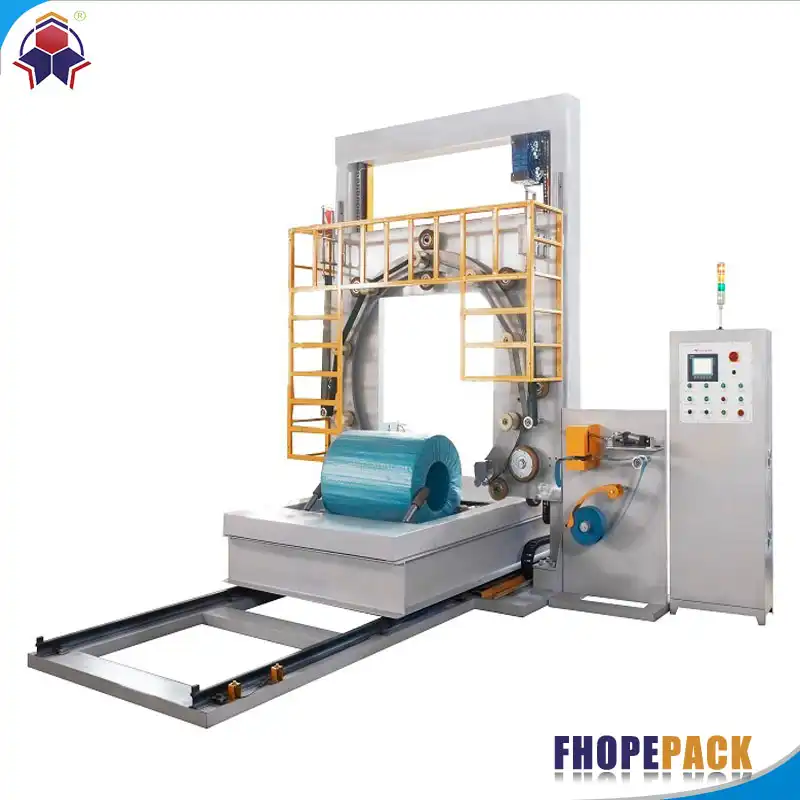
Choosing the right machine can feel like a big decision. I have been in your shoes, from the factory floor to running my own successful packing machine business. I want to share my insights so you can make an informed choice that truly benefits your company. Let us explore how to find the perfect coil wrapping solution for your factory.
Are Your Manual Packing Methods Costing You More Than You Think?
Manual coil packing might seem like a way to save money upfront. But it is often a hidden drain on your profits. Slow processes, damaged goods, and worker injuries pile up. Each damaged coil, every minute of downtime, and every safety incident directly cuts into your profit margin. This makes it harder to compete in the global market. Understanding these hidden costs is the first step. You need to see the real impact on your bottom line.
Manual packing methods dramatically increase operational costs due to inefficiency, higher labor expenses, significant product damage, and elevated safety risks. The slow speed impacts delivery times and overall production flow, while worker injuries lead to increased insurance premiums and staff turnover. These hidden costs often far outweigh the initial investment in automated coil wrapping technology.
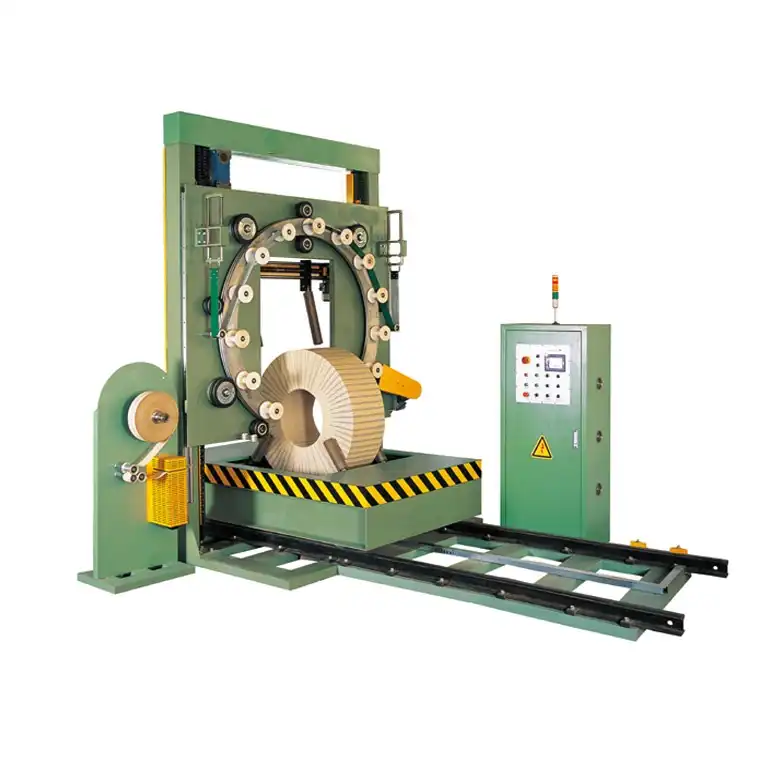
When I started on the factory floor, I saw this daily. Workers strained to wrap heavy coils by hand. This was slow, and it was dangerous. I often thought there had to be a better way. This problem is very real for many factories, including those in Malaysia who export goods. They need to move products fast and safely. But manual packing slows everything down. It also hurts their profits in many ways.
The High Cost of Slow Operations
Manual packing of coils and wires is inherently slow. Each coil takes time to wrap, especially when it is heavy or unusually shaped. This slows down your entire production line. It creates bottlenecks at the very end. This means your factory cannot produce as much as it could. It also means you cannot ship goods as quickly. This causes delays for customers. In today’s fast-paced world, delays can lead to lost business. Competitors who ship faster will win. Automated machines work much faster. They can wrap many coils in the time it takes for one manual wrap. This dramatically increases your output and keeps your delivery promises.
Safety Risks and Their Financial Impact
Handling heavy coils manually is very risky. Workers can easily get injured. They lift, twist, and bend. This can lead to back injuries, crushed fingers, or other serious accidents. These injuries are bad for your workers. They are also bad for your business. Worker injuries mean higher insurance costs. They mean lost workdays. They can also lead to staff turnover, which means more money spent on hiring and training new people. I have seen how a single accident can disrupt an entire factory. It is not just about the cost. It is about the well-being of your team. An automated machine handles the heavy lifting. This keeps your workers safe and reduces these hidden costs.
Product Damage: A Silent Profit Killer
When products like steel coils are moved and packed by hand, damage often happens. Edges can get bent. Surfaces can get scratched. This leads to customer complaints. It also leads to returned goods or demands for discounts. Each damaged item reduces your profit. Sometimes, it means throwing away perfectly good material because of packing errors. I saw how this wasted valuable resources. This waste adds up quickly. It cuts deep into your profit margins without you always seeing it right away. An automated wrapping machine applies consistent tension and coverage. This protects your product better during transit. It reduces damage and keeps your customers happy.
Which Coil Wrapping Machine Models Offer the Best Operational Advantages?
There are many types of coil wrapping machines. Choosing the right one can be confusing. You need a machine that works for your specific products and production needs. A wrong choice can mean continued bottlenecks or poor ROI. You need a solution that truly solves your problems, not just adds another machine to the floor. Let us look at the most effective coil wrapping machine types. We will see which ones offer real advantages in terms of speed, safety, and durability for exporters like those in Malaysia.
For coil wrapping, automatic horizontal orbital stretch wrappers and ring-type wrappers generally offer the best operational advantages. Horizontal orbital wrappers, like FHOPEPACK’s E600 series, are excellent for various coil sizes, providing secure, consistent wrapping. Ring wrappers provide high speed for high-volume needs. Both types reduce labor, minimize damage, and significantly improve throughput compared to manual methods, making them ideal for demanding export operations.
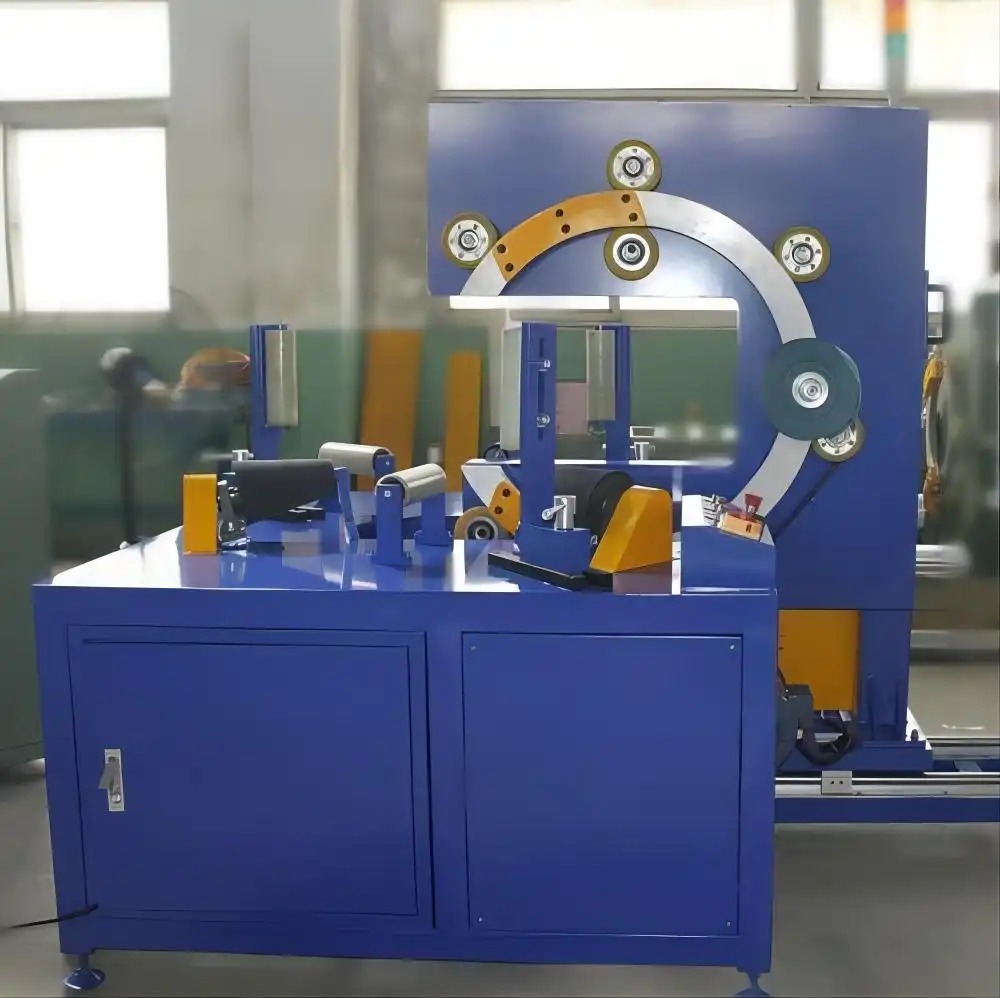
When I built my factory, choosing the right equipment was critical. I learned that heavy-duty construction and smart design are key. For coil packing, not all machines are equal. You need to pick one that matches your product, your volume, and your factory environment. The best machines deliver consistent performance, day after day, without breaking down. This is important for busy exporters in Malaysia who cannot afford downtime.
Horizontal Orbital Wrappers: The Versatile Workhorse
Horizontal orbital stretch wrappers are a very popular choice for many factories. These machines wrap products as they pass through a rotating ring. The ring applies stretch film around the coil. They are very versatile. They can handle a wide range of coil sizes and weights. This makes them ideal for various metal products, like steel coils, wire coils, and even tire bundles. They provide a tight, secure wrap that protects products from dust, moisture, and damage during transport. FHOPEPACK’s E600 series, for example, is built for heavy industrial use. It is robust and reliable. These machines greatly reduce the need for manual handling, boosting both speed and safety. They are perfect for companies looking for a flexible and dependable wrapping solution.
Ring Wrappers: For Speed and High Volume
Ring wrappers are another type of orbital wrapper. They are often used for very high-volume operations. These machines wrap products at extremely high speeds. The product passes through a large rotating ring that applies the film. If your factory has a constant stream of coils and needs to pack them as fast as possible, a ring wrapper might be the best option. They are highly efficient. They can significantly increase your throughput. But they are usually more specialized and can be a larger investment. You must consider your specific production volume when looking at these high-speed systems. They are perfect for dedicated lines where speed is the top priority.
Key Features to Look For in an Industrial Machine
When you pick a coil wrapping machine, do not just look at the basic function. Look at the details. A good industrial machine needs to be built tough. It should have a strong frame that can handle heavy coils. It also needs reliable components. Look for machines with a Programmable Logic Controller (PLC). This allows for easy operation and customization. Safety sensors are also a must. They protect your workers during machine operation. Good tension control is also important. It ensures the film is applied correctly every time. This prevents product damage. Always consider the after-sales support too. A reliable machine with good support will serve you well for many years.
How Can You Accurately Measure the ROI of a New Wrapping Investment?
You know you need to automate. But how do you prove it is a good investment? Getting approval for new equipment means showing a clear return on investment (ROI). Without a solid ROI calculation, your investment might seem risky. You need to present a clear case for how this machine will pay for itself and boost profits. I will show you how to look beyond the sticker price. We need to factor in all the savings and gains to see the true value.
Accurately measuring the ROI of a new coil wrapping machine involves calculating savings from reduced labor, decreased product damage, lower insurance costs, and improved production speed, against the initial investment and ongoing maintenance. Key metrics include payback period, net present value (NPV), and internal rate of return (IRR). A machine that can significantly cut operational inefficiencies and prevent losses will show a strong, quick return, making it a valuable asset for Malaysian exporters.
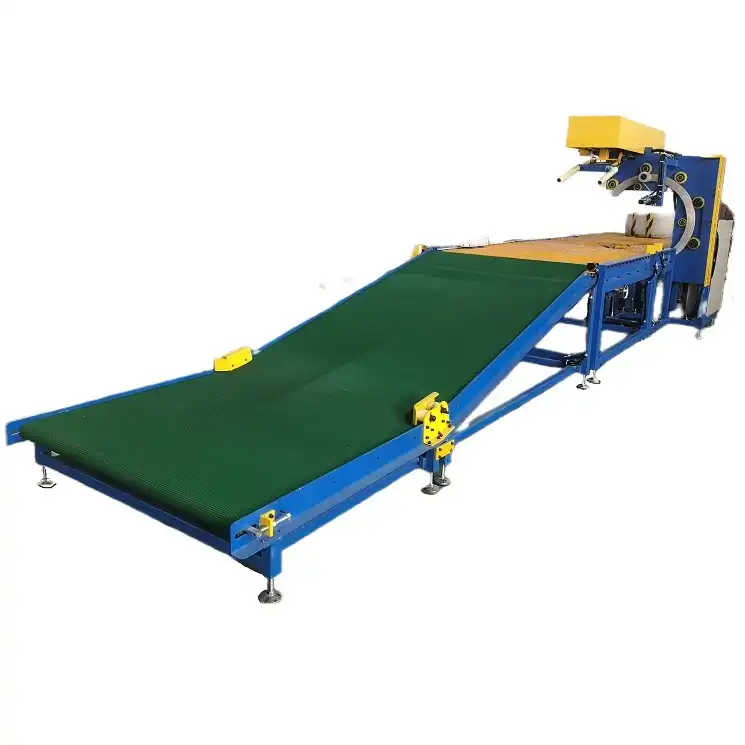
As a factory owner, I learned to scrutinize every investment. A good machine pays for itself quickly. Many factory managers, especially those in competitive markets like Malaysia, need to show clear numbers. They need to convince their management that automation is not just an expense, but a smart financial move. It is about understanding all the ways a new machine saves you money and makes you more money.
Key Components of ROI Calculation
To calculate ROI for a new coil wrapping machine, you must look at several factors. First, consider labor savings. An automatic machine can reduce the number of workers needed for packing. This saves on wages and benefits. Second, think about material savings. Less product damage means fewer reworks and less wasted material. This directly adds to your profit. Third, look at efficiency gains. Faster packing means more throughput. It can reduce overtime costs and allow for higher production volume. Fourth, account for safety benefits. Fewer worker injuries mean lower insurance premiums and fewer medical costs. It also means better worker morale and less downtime from accidents. All these factors add up to a significant return.
Beyond the Numbers: Intangible Benefits
ROI is not just about direct money savings. There are also important intangible benefits. When your products are wrapped perfectly every time, customer satisfaction goes up. This builds your brand reputation. Happy customers come back. They also tell others about your reliable service. This can lead to more business in the long run. Also, a safer workplace improves employee morale. Workers feel valued. This can reduce staff turnover and increase productivity. These benefits are harder to put a number on, but they are very real and important for your business’s success.
My Own Experience with ROI
When I started my own packing machine factory, every investment had to be justified. I remember one client who was struggling with damaged steel wire coils. They thought a new machine was too expensive. We showed them how their current manual process caused a 5% damage rate. We calculated their labor costs for manual wrapping. We then showed them an automated solution. The machine cost about $X. But the savings from reduced damage and lower labor costs meant a payback period of less than 18 months. After that, it was pure profit. This showed me that the right machine is truly an asset, not just an expense.
Why is Partnering with an Experienced Supplier Crucial for Long-Term Success?
You have had bad experiences with equipment suppliers before. They promise much but deliver little after the sale. This makes you cautious about new partnerships. A machine is just a piece of metal without proper support. A poor supplier can turn a good investment into a constant headache and lost production time. Finding a supplier who acts as a true partner is as important as the machine itself. They should understand your problems and offer real solutions and support.
Partnering with an experienced and knowledgeable supplier, like FHOPEPACK, is crucial because they offer more than just machines; they provide expert insights, reliable after-sales support, and a deep understanding of your operational challenges. This ensures that the equipment perfectly fits your needs, minimizes downtime, and delivers sustained high performance, preventing the supplier trust crisis many Malaysian exporters face. A good partner helps you avoid costly mistakes and ensures your investment truly pays off.

I started from the factory floor. I know the pain points that factory managers like you face every day. When I built FHOPEPACK, my goal was to be different. I wanted to be the partner I wished I had when I was running my own operations. I know that a machine is only as good as the support behind it. This is why choosing the right supplier is just as important as choosing the right machine. For Malaysian exporters, who might be far from the manufacturer, reliable support is essential.
Beyond the Sale: The Value of After-Sales Service
The sale of a machine is just the beginning of a relationship. What happens after installation is what truly matters. A good supplier provides robust after-sales support. This includes training for your staff on how to operate and maintain the machine. It means quick access to spare parts when something breaks. It also means technical assistance when you encounter a problem. Imagine a machine stops working in the middle of a big order. Without quick support, you face costly downtime. This can hurt your production and your reputation. A partner like FHOPEPACK understands this. We ensure your machine keeps running smoothly, minimizing any interruptions.
Expert Guidance: More Than Just a Manual
An experienced supplier offers more than just machines and service. They offer expertise. They understand the nuances of coil packing, steel wire packing, and heavy manufacturing environments. They can help you optimize your packing process. They can suggest ways to improve efficiency that you might not have considered. For example, they can advise on the best film types, tension settings, or integration with existing production lines. This is like having a seasoned engineer on your team. This kind of professional guidance helps you avoid costly mistakes. It ensures your investment truly solves your problems and drives business growth.
Building Trust: Why Our Experience Matters
At FHOPEPACK, our mission is about sharing knowledge. My journey from an employee to a factory owner gave me deep insight into the packing machine industry. I achieved financial independence and helped many clients grow their businesses. I am grateful for the opportunities the coil packing and steel wire packing has given me. So now, I want to give back. I understand your challenges: the production bottlenecks, the safety worries, and the need for efficiency. We do not just sell machines. We work to understand your specific needs. We then offer solutions that fit. We aim to be that reliable partner you can trust for the long term.
Conclusion
Investing in the right coil wrapping machine with a trusted partner drives efficiency, boosts safety, and secures your profitability for a strong future.








