
Coil Strapping Machine Manufacturer — PET or Steel Strap: Which Lowers Your TCO in Europe?
Are you a factory manager in Europe struggling with slow packing lines? Do you worry about high labor costs and constant safety risks when handling heavy coils? Many leaders like you face these daily pressures. You are always looking for ways to cut costs, boost output, and keep your team safe. Choosing the right strapping solution is a big part of this.
When you look at Total Cost of Ownership (TCO) for coil strapping in Europe, the choice between PET and steel strap is not simple. Both have unique benefits and drawbacks affecting your long-term expenses. However, for most heavy-duty coil packing, steel strapping often offers a lower TCO due to its superior strength, fewer breaks, and better protection against product damage, despite higher material costs.

This choice goes beyond just the price per meter of strap. It impacts your machine’s lifespan, your team’s safety, and your product’s quality. Let us dive deeper into how PET and steel strapping affect your bottom line and overall factory operations.
Which Strap Type Costs Less Per Coil in Europe?
Are you debating between PET and steel strapping for your coil packaging? Many factory managers focus only on the initial material cost. This narrow view can hide the true expenses you will face over time. Neglecting other factors leads to unexpected costs.
When evaluating the cost per coil in Europe, PET strap often appears cheaper on a per-meter basis than steel strap. However, steel strap usually results in lower overall cost per coil for heavy-duty applications due to its higher break strength, reducing the number of straps needed per coil, and its superior ability to secure heavy loads, minimizing re-strapping and potential product damage.

Choosing the right strap is a complex decision. It needs a full understanding of your specific needs. You must also think about the true strength and resilience required for your coils. I have seen many companies make quick decisions based on material price. This often leads to bigger costs later. My experience building a successful packing machine factory taught me that true cost savings come from understanding the whole picture. For heavy coils, steel strap often stands out. It provides the necessary strength and security. This often means fewer breaks during transit and storage. This reduces re-packaging efforts and potential customer complaints.
The True Cost of Strapping Materials: Beyond the Price Tag
When you buy strapping material, you get a price per roll or per meter. This is just the start. The real cost comes from how that strap performs on your coils.
Material Cost vs. Performance
-
PET Strap:
- Initial Cost: Generally lower per meter than steel. This makes it attractive at first glance.
- Application: Suitable for lighter or less demanding applications. It has good elasticity.
- Break Strength: Lower tensile strength compared to steel. For heavy coils, you might need more straps. Or you might need wider/thicker PET straps to match steel’s strength. This can increase the material cost per coil significantly.
- Elasticity: PET stretches more. While good for some uses, for rigid heavy coils, too much stretch can mean the coil shifts. This can damage the product or the package.
- Environmental Impact: Made from recycled plastics often. This sounds good. But its production can still have a carbon footprint.
-
Steel Strap:
- Initial Cost: Higher per meter than PET. This is the main reason some companies hesitate.
- Application: Essential for heavy-duty, high-tension applications like steel coils. Its strength is unmatched.
- Break Strength: Much higher tensile strength. You need fewer straps per coil. This offsets the higher per-meter cost. It also means greater security for your heavy products.
- Rigidity: It does not stretch much. This keeps coils very secure during transport. It prevents shifting and damage.
- Environmental Impact: Steel is recyclable. The energy used to make steel is high. But its durability means less waste from broken straps. It also protects valuable products better.
The Cost of Breakages and Rework
Think about what happens when a strap breaks. If a PET strap breaks on a heavy coil, it is a big problem. You stop production. Your team has to re-strap the coil. This means paying for more labor. It also means valuable production time is lost. This downtime is a direct cost to your factory. I have seen this happen countless times. A broken strap can also damage the coil itself. A dented edge or a shifted coil can lead to customer complaints. This affects your reputation. It can also lead to financial penalties or product returns.
Steel strap, with its higher strength, breaks much less often. This means fewer interruptions. It means less rework. This directly saves you labor costs and boosts your production efficiency. When I ran my factory, preventing these issues was a top priority. Every minute of downtime cost money. Every re-strapped coil was money lost. So, investing in a stronger strap was a clear winner for TCO.
Long-Term Value and Confidence
Ultimately, the goal is to get your product to the customer safely and without damage. Steel strapping offers a higher level of confidence for heavy coils. It reduces the risk of in-transit damage. This means fewer claims, fewer returns, and happier customers. These are all real savings. They add to a lower TCO over time. When you consider the value of a perfectly delivered coil, the slightly higher material cost of steel strap often fades away. The total cost of ownership becomes much lower.
Does Your Strapping Machine Choice Affect Long-Term Costs?
Are you evaluating strapping machine options for your factory? Many managers focus on the upfront purchase price. This can be a costly mistake. The machine you choose has a major impact on your operational expenses long after you buy it.
Yes, your strapping machine choice profoundly affects long-term costs, influencing Total Cost of Ownership (TCO) through maintenance, energy use, and potential downtime. A robust, well-designed machine, especially one built for steel strapping heavy coils, minimizes breakdowns and optimizes power consumption. This leads to substantial savings over its lifespan in a European factory setting.

The initial investment in a packing machine is just the beginning. I learned this firsthand when I started my own factory. The real costs often hide in daily operations: repairs, power bills, and most importantly, lost production due to breakdowns. A cheap machine can quickly become your most expensive asset if it constantly needs fixing. For heavy-duty coil packing, machine reliability is key.
Machine Reliability and Maintenance Costs
The type of strapping machine you choose has a direct link to how much you spend on maintenance and repairs.
PET Strapping Machines
- Complexity: PET strapping machines often have more intricate tensioning and sealing mechanisms. This is because PET is more elastic and requires precise heat or friction welding for a secure seal.
- Wear and Tear: The heat elements or friction welding parts can wear out. They may need frequent calibration or replacement. This adds to your maintenance schedule and parts budget.
- Downtime Risk: More complex parts mean more points of failure. If the sealing mechanism fails, your machine stops. This leads to costly production pauses.
- Sensitivity: PET strap can be sensitive to dust and debris. This means you need to clean the machine more often. This adds to labor time.
- Cost Implications: While the strap material might be cheaper, the machine that handles it can be more demanding. This adds hidden costs in maintenance, parts, and lost production.
Steel Strapping Machines
- Robust Design: Steel strapping machines are built for heavy loads and high tension. They have simpler, more robust mechanical components. They focus on brute strength and durability.
- Fewer Moving Parts (for tension/sealing): They use mechanical or pneumatic tensioning and a simple notching or welding system for sealing. This design is less prone to breaking down.
- Durability: These machines are designed to withstand the harsh environments of steel mills and heavy manufacturing. They handle dust and vibrations better.
- Lower Maintenance: Because of their robust design, they typically require less frequent maintenance. Parts are often heavier duty and last longer. This reduces your spare parts inventory and labor costs for repairs.
- High Uptime: Fewer breakdowns mean higher machine uptime. This directly translates to consistent production output. It helps you meet your delivery deadlines. When I was managing my factory, uptime was everything. Every hour a machine was down meant thousands of dollars lost. Investing in a machine that runs smoothly, day in and day out, was a critical decision for me.
Energy Consumption
Both types of machines use energy. However, the energy profile differs. PET machines use energy for heating elements. Steel machines use power for motors and sometimes pneumatics. For high-volume operations, these costs add up. A well-engineered machine, regardless of type, will be designed for efficiency. However, the robustness of steel strapping machines often means they complete tasks quicker. This can lead to less energy use per coil over time. This is especially true when considering the number of cycles needed for a secure pack. If a PET machine needs more straps or re-straps, its energy consumption per finished coil can become higher.
Life Expectancy and Depreciation
A heavy-duty steel strapping machine often has a longer operational life. Its robust construction means it can last for many years, even decades. This extends your depreciation period. It spreads your initial investment over a longer time. This lowers your annual TCO. PET machines, while good, may have a shorter lifespan in very demanding environments. This can force you to replace them sooner. This increases your capital expenditure. It also means you need to train new staff or re-configure your lines more often.
In my experience, choosing a machine is like choosing a long-term partner. You want reliability, strength, and a promise of consistent performance. For coil packing, steel strapping machines offer that kind of dependable performance. They ensure lower long-term costs.
Can PET or Steel Strapping Boost Factory Safety and Efficiency?
Are you constantly worried about worker safety on your packing line? Do your current processes cause bottlenecks and slow down production? Factory managers often seek solutions that improve both safety and efficiency. The type of strapping material and machine you use plays a significant role in achieving these goals.
Both PET and steel strapping, when automated, can significantly boost factory safety and efficiency by reducing manual handling of heavy coils. However, steel strapping machines, designed for extreme loads, offer a greater margin of safety for securing very heavy or hot coils. They also minimize the risk of strap breakage during transit. This leads to higher overall efficiency and fewer safety incidents in European industrial settings.
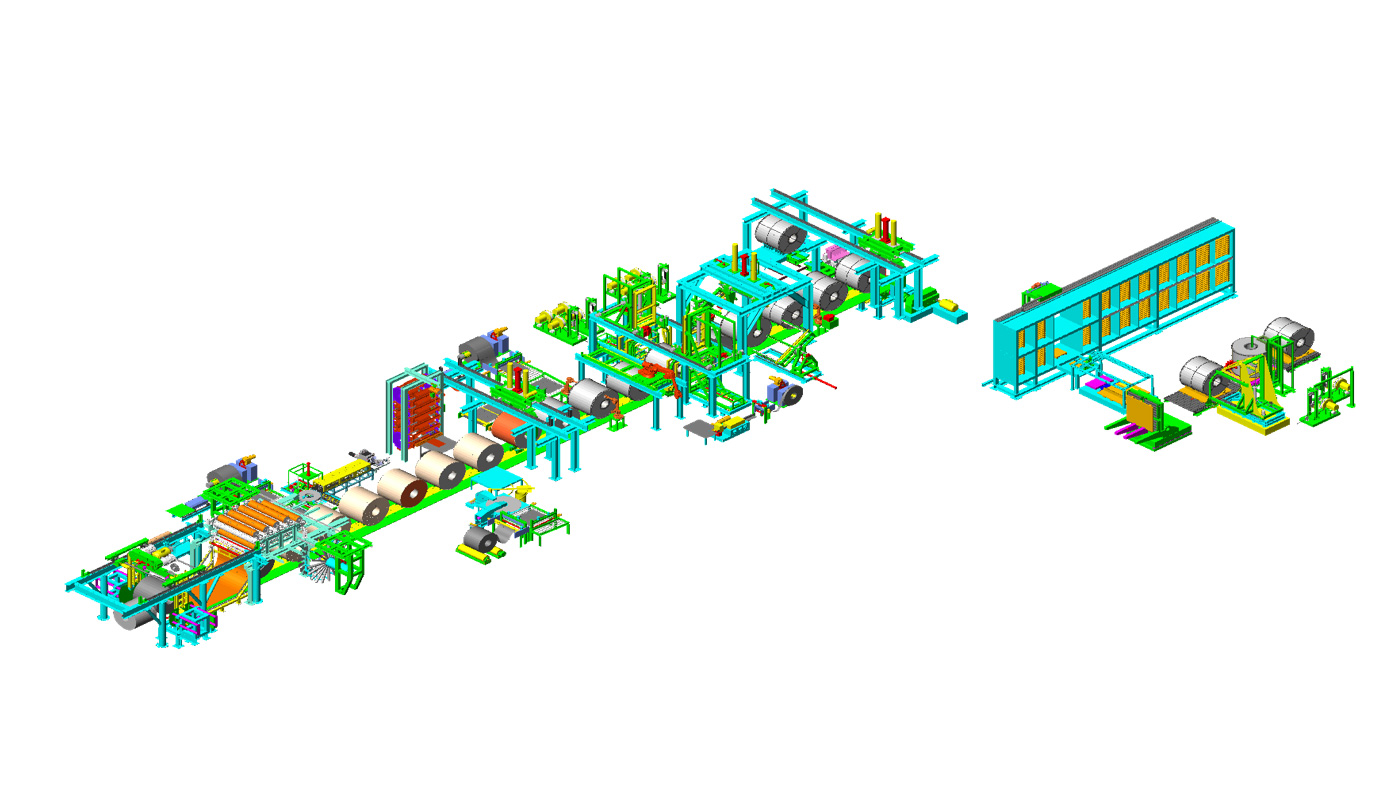
I remember the early days when everything was manual. The risks were high. Workers lifted heavy objects. They dealt with sharp edges. Injuries were common. This meant higher insurance costs and lost productivity. That is why I am passionate about automation. It takes the danger out of the hands of your workers. It also makes your line run much faster.
Safety Benefits and Risks
Manual Handling Reduction
- Automation: Both PET and steel strapping machines allow for a high degree of automation. This is crucial for safety. Automation minimizes the need for workers to directly handle heavy coils or straps. This reduces the risk of back injuries, cuts, and crushing accidents. In Europe, strict safety regulations make this a priority.
- Risk Mitigation: Automated systems bring the strap around the coil. They apply tension. They seal the strap. Workers can stand at a safe distance. This is a huge improvement over manual strapping methods.
Specific Risks with Each Strap Type
- PET Strap:
- Snap-back Risk: When PET strap breaks under tension, it can snap back with considerable force. This can cause injuries. While less likely than with steel, it is still a hazard.
- Less Secure for Extreme Loads: If PET strap is used for loads beyond its optimal strength, it can stretch or break. This can lead to shifted coils. Such shifts create unstable loads. This poses a hazard during transport and handling.
- Steel Strap:
- Sharp Edges: Steel strap has sharp edges. This is a risk during manual handling or if a coil shifts and the strap breaks. However, automated systems greatly reduce human contact.
- High Tension Release: If a steel strap breaks under extreme tension, it releases a lot of energy. This is why proper machine design and safety guards are vital.
- Superior Load Security: For very heavy steel coils, steel strap offers unmatched security. It ensures the coil stays tightly bundled. This prevents movement and reduces the risk of product damage or load instability during transport. The risk of strap failure is lower when the correct steel strap is used. This makes it safer overall for heavy items.








