
Coil Strapping Machine for Malaysia: Can it Really Reduce Your Operational Costs and Increase Profits?
Running a busy metal processing plant in Malaysia means dealing with constant pressure. You push for higher output, tight cost control, and strict safety rules. I know this pressure well. I built a packing machine factory from the ground up, starting just like many of you, on the factory floor. I saw first-hand how inefficient processes can slow everything down and eat into your bottom line. You might be asking yourself if there is a better way to handle your coil and wire packing. You face daily struggles with slow manual work, high injury risks, and product damage. You are right to look for solutions.
A coil strapping machine for your Malaysian operations can significantly cut down operational costs and boost your profits. It does this by automating labor-intensive tasks, reducing the risk of product damage, and improving workplace safety. This investment turns manual, risky work into a streamlined, efficient, and cost-effective process for your entire plant.
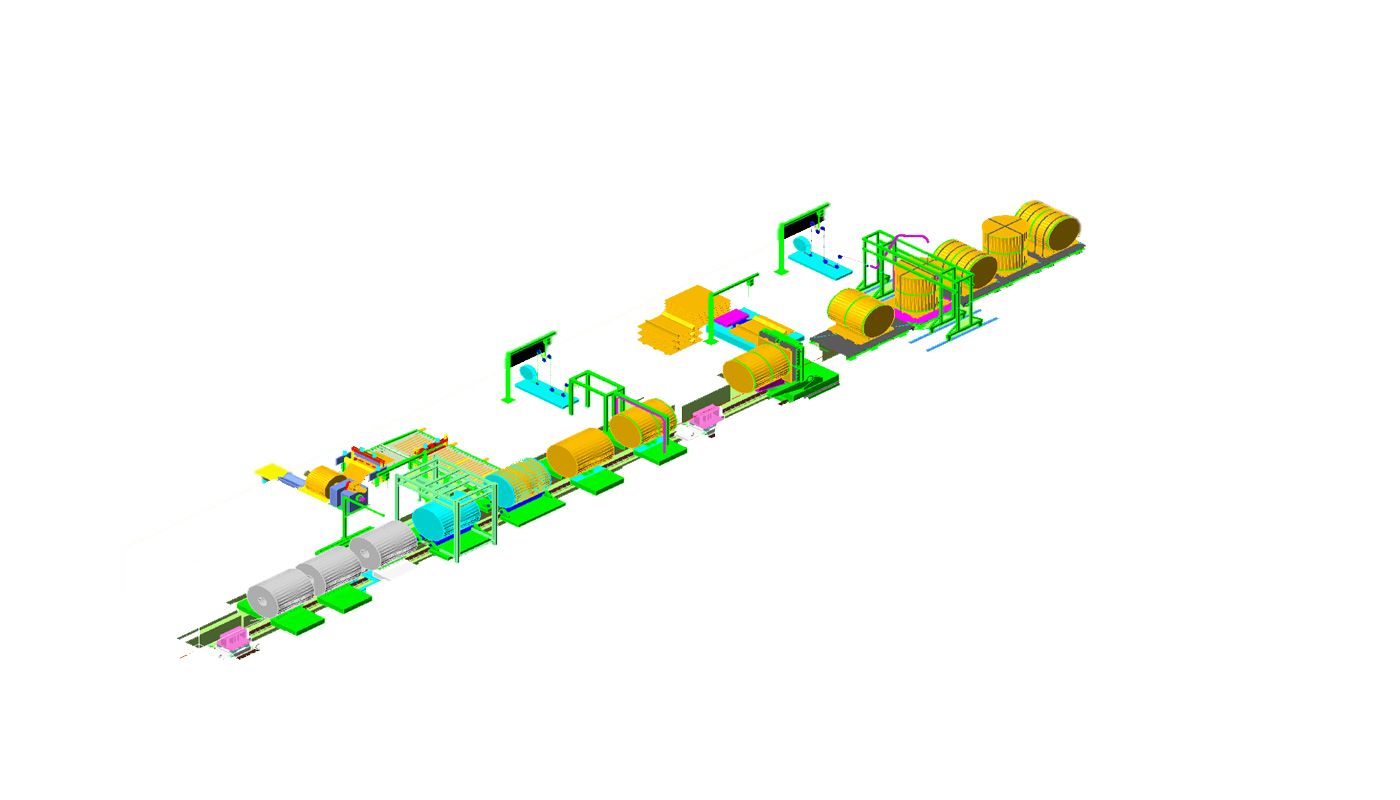
I have helped many factory owners like you, in industries from coil packing to steel wire packing, achieve financial independence. I did this by showing them how smart equipment choices can change their business. This article will explore how a coil strapping machine can truly make a difference for your factory in Malaysia. We will look at how it helps with efficiency, safety, cost savings, and finding the right partner.
How Can an Automatic Coil Strapping Machine Boost Output in Malaysia?
Are your current coil and wire packing processes slowing down your entire production line? This is a common problem I see in many metal processing plants across Malaysia. Relying on manual labor for heavy coil strapping is not only slow but also a major bottleneck. It limits how much you can produce and how fast you can deliver. This creates real issues for your business. It means delayed orders, unhappy customers, and missed opportunities.
An automatic coil strapping machine can drastically increase your output in Malaysia by eliminating manual bottlenecks and speeding up the packaging process. It ensures consistent, high-speed strapping, allowing your production line to move much faster and more smoothly. This automation directly translates into a higher volume of finished products ready for shipment.

When I first started in the packing machine industry, I quickly learned that efficiency is key. A slow packing process can undo all the hard work done upstream. For a metal processing factory, especially one dealing with heavy steel coils or wire bundles, every minute counts. Manual strapping involves many steps: positioning the coil, manually wrapping the strap, tensioning it, and then sealing it. Each step takes time. It also depends on the physical strength and skill of the worker. An automatic machine performs these tasks quickly and repeatedly, without fatigue. This consistency means you get the same high-quality strap every time. It also happens in a fraction of the time compared to manual methods. This directly impacts your overall production capacity. Your finished products get packaged and sent out faster. This improves your delivery times and customer satisfaction. It also frees up your workers to do more valuable tasks elsewhere in the factory. Consider the daily output increase. If you can strap 20 coils manually per hour, a machine might do 60 or more. This kind of improvement changes your business significantly. It helps you meet higher demand and take on bigger projects.
The Impact of Automation on Production Throughput
Automating your coil strapping process has a ripple effect throughout your factory. It goes beyond just the packing area. It impacts your entire production flow.
- Increased Speed and Consistency:
- Manual strapping speed varies based on the worker. One worker might be fast, another slower. They also get tired.
- An automatic machine works at a constant, high speed. It does not get tired. This means predictable output.
- Machines apply straps with consistent tension. This is important for secure packaging. It reduces the chance of re-strapping.
- Reduced Bottlenecks:
- If your packing line is the slowest part of your production, it limits everything else. This is a bottleneck.
- Automating strapping removes this bottleneck. Upstream processes can then work at their full speed.
- This leads to a smoother flow of materials. It also means less waiting time between production stages.
- Optimal Use of Labor:
- Instead of having multiple workers dedicated to manual strapping, you might need only one operator to monitor the machine.
- The other workers can be reassigned to tasks that require human judgment or skill. This adds more value to your operations.
- It helps you use your existing workforce more effectively. It avoids needing to hire more people just for manual labor tasks.








