
Coil Strapping Machine: Your Engineer’s Guide to Upgrading Production in Australia?
You are a factory manager in Australia, overseeing every step from raw materials coming in to finished products going out. I know the pressures you face. You need to boost output, control costs, and keep safety high. Manual processes, like strapping heavy coils, feel like a constant drag. They slow everything down and put your team at risk every single day. This is not just a small problem; it hits your bottom line hard. It keeps you from growing, and it brings endless headaches.
A coil strapping machine is a specialized piece of equipment that automates the process of wrapping and securing steel coils or other heavy rolled materials. It uses durable strapping materials like steel or PET bands to tightly bind the coils, protecting them during transport and storage. This machine helps solve common production bottlenecks, significantly boosts safety, and cuts down on product damage, making your entire production line in Australia run smoother and more profitably.

I have spent many years in the packing machine industry. I started on the factory floor and then built my own successful business. I understand the challenges you face because I lived them. This guide is for you. It will help you see how new technology can change your operations. We will look closely at the problems you have and how smart investments can fix them. Let us dive into how you can make your production line more efficient and safer.
Why is Your Manual Coil Strapping Process a Bottleneck?
Are you still relying on manual labor to strap heavy steel coils? It might seem like a cost-saving choice, but it often creates a huge bottleneck. Your production line moves quickly, then it hits this slow, labor-intensive step. This stops your whole process. It impacts your delivery times and makes your team stressed. It is a major drain on efficiency.
Your manual coil strapping process acts as a bottleneck because it is slow and needs a lot of people. This part of your production line cannot keep up with the faster upstream processes. It causes delays for finished products, slows down your overall delivery, and limits your factory’s total output in Australia. This method stops you from getting new orders and meeting tight deadlines.
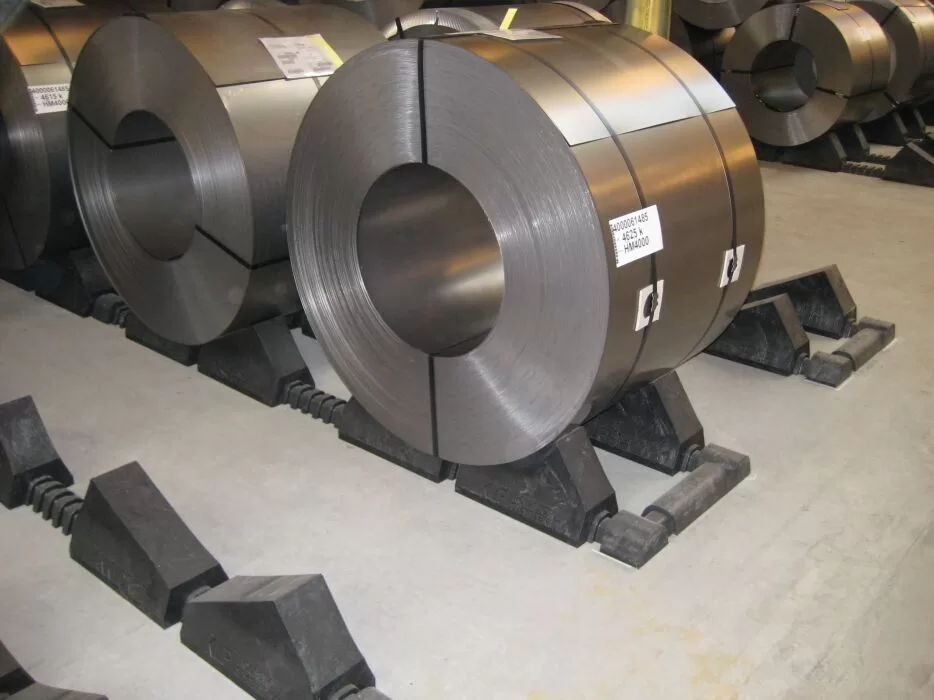
The impact of this bottleneck goes beyond just speed. It has a ripple effect on your entire operation. Think about the costs of keeping extra inventory because products are waiting to be strapped. Consider the overtime pay for workers trying to catch up. I have seen many factories in Australia struggle with this exact problem. They invest in faster machines at the start of the line, but they forget about the very end. The packing area becomes the choke point. This leads to missed shipping dates and unhappy customers. It can even damage your company’s reputation. When a production line is not balanced, it cannot reach its full potential. You need every part to work smoothly. This means looking at your strapping process with a critical eye. It is more than just a task; it is a vital part of your output.
The Hidden Costs of Manual Strapping Bottlenecks
Manual strapping might seem cheap at first, but it comes with many hidden costs. These costs add up quickly.
- Labor Costs: You need several workers for manual strapping. They spend time lifting, positioning, and securing straps. This takes them away from other tasks. Overtime wages add even more to this cost.
- Reduced Throughput: If your strapping cannot keep up, your whole line slows down. This means you produce fewer coils per hour or per shift. This directly cuts into your potential revenue.
- Increased Lead Times: Slow packing means longer waits for customers. This can make them look for other suppliers who deliver faster.
- Space Requirements: Manual operations often need more floor space. Workers need room to move, handle tools, and store strapped coils. Automated systems can be more compact.
How Automation Solves the Bottleneck
An automated coil strapping machine directly attacks these problems. It does the work faster and more consistently.
- High Speed: Machines can apply straps in seconds. This is much faster than manual methods.
- Fewer Workers: One operator can often manage an automated machine. This frees up other workers for different tasks.
- Consistent Quality: Machines apply the same tension every time. This ensures a secure strap and reduces the chance of reworks.
- Predictable Output: You know how many coils can be strapped per hour. This helps with production planning and scheduling.
Let us compare the two methods:
| Feature | Manual Coil Strapping | Automated Coil Strapping Machine |
|---|---|---|
| Speed | Slow, depends on worker speed and fatigue | Fast, consistent cycles |
| Labor Needed | High (multiple workers) | Low (often one operator, sometimes none) |
| Safety Risk | High (heavy lifting, repetitive strain) | Low (workers away from moving parts) |
| Consistency | Variable, depends on individual worker | High, uniform tension and placement |
| Product Damage | Higher risk of edge damage from handling | Lower risk, precise placement, minimal handling |
| Overall Throughput | Limits production, creates bottlenecks | Boosts throughput, balances the production line |
| ROI | Negative ROI due to ongoing costs and lost output | Positive ROI from labor savings, increased output, less waste |
Investing in automation is not just about buying a machine. It is about removing a major barrier to your factory’s growth. It lets you produce more, faster, and with fewer problems. This helps you compete better in the Australian market.
How Can You Eliminate Safety Hazards in Heavy Packing?
Manual handling of heavy steel coils is a major safety risk. Your workers lift, shift, and turn massive weights. This leads to many injuries. Back strains, crushed fingers, and foot injuries are common. These accidents cost your company a lot. They mean high insurance claims, more sick days, and a constant search for new workers. It creates a stressful workplace.
You can eliminate safety hazards in heavy packing by using automated equipment like coil strapping machines and coil handling systems. These machines greatly reduce or remove the need for human workers to directly lift, move, or manipulate heavy steel coils. This protects your team from serious injuries, cuts down on worker’s compensation claims, and creates a much safer work environment in your Australian factory.

I have seen firsthand the toll manual heavy lifting takes on a workforce. In my early days, I saw many colleagues suffer from repetitive strain injuries or worse. It is not just the immediate pain for the worker; it is the disruption to the team. A skilled worker out on injury leaves a gap that is hard to fill. This affects morale and productivity. As an engineer who has run a factory, I know that safety is not just a moral duty; it is smart business. A safe workplace is an efficient workplace. It reduces unforeseen costs and ensures your skilled team stays with you. Australian safety standards are high for a good reason. Investing in safer methods protects both your people and your profits.
The Real Cost of Workplace Injuries
Workplace injuries are more expensive than you might think. They have both direct and indirect costs.
- Direct Costs:
- Medical expenses for injured workers.
- Worker’s compensation premiums and payouts.
- Legal fees if there is a lawsuit.
- Indirect Costs:
- Lost productivity from the injured worker.
- Lost productivity from other workers who are distracted or helping.
- Costs of training replacement workers.
- Damage to company reputation.
- Lower employee morale.
- Higher employee turnover.








