
Coil Packing Line Saudi Arabia: Which Supplier Offers the Best Reliability?
The steel industry in Saudi Arabia is growing fast. This means more demand for efficient and reliable packing solutions. But if your packing line often breaks down or delivers inconsistent quality, you face big problems. You can lose money from delays, customer complaints, and even contract penalties. This impacts your reputation and your bottom line. I know this because I have seen it happen many times in my career, from my early days on the factory floor to running my own successful business.
To find the best reliability in Saudi Arabia, you need a supplier who truly understands the tough demands of the local steel production environment. This means they must offer robust, custom-engineered solutions and provide strong, accessible after-sales support. They do not just sell machines; they partner with you to ensure continuous, high-quality operation.
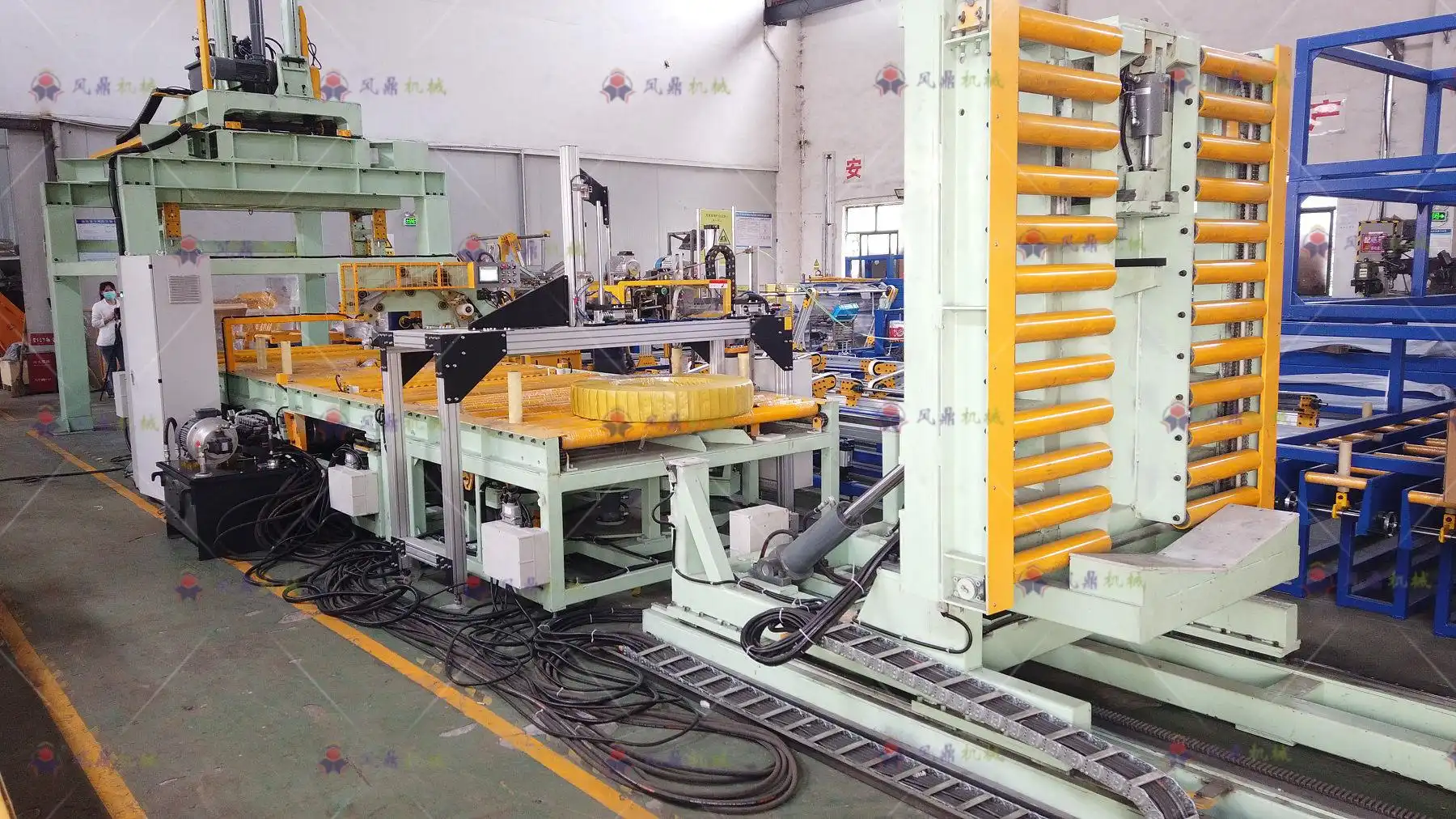
So, how do you find such a partner? How do you ensure your investment pays off in the long run, especially in a demanding market like Saudi Arabia? Let us explore what real reliability means and how to secure it for your operations.
What Does “Reliability” Truly Mean for a Coil Packing Line in Saudi Arabia?
Many people talk about reliability, but what does it really mean for a coil packing line in a place like Saudi Arabia? If your packing line stops frequently or struggles with different product types, your whole operation slows down. This causes production bottlenecks, wasted time, and unhappy customers. For me, reliability goes beyond just the machine working. It is about consistent performance under pressure.
For a coil packing line in Saudi Arabia, reliability means the system can operate continuously, often 24/7, without unexpected breakdowns. It must adapt to diverse coil sizes and types, protect against environmental factors like heat and dust, and ensure high-quality, consistent packaging every single time, minimizing manual intervention and maximizing safety.

When I started my journey in the packing machine industry, I quickly learned that reliability is the cornerstone of any successful operation. It is not just about a machine turning on; it is about how it performs day in and day out, especially in demanding environments like the Middle East. Consider a steel mill in Saudi Arabia, where temperatures can be extreme, dust is a factor, and production demands are relentless. My clients often share stories about machines failing due to heat stress or components wearing out too fast. True reliability means the equipment is built to withstand these conditions. This includes using high-grade materials, designing systems for optimal cooling, and ensuring all electrical components are rated for industrial use in harsh environments. For instance, Ivan, a production director I know, needs his line to handle hundreds of tons daily, non-stop. If the machine cannot handle that, it is not reliable, no matter what the brochure says. We focus on creating solutions that keep performing, shift after shift, year after year. This involves:
- Continuous Operation Capability (24/7):
- Steel mills in Saudi Arabia often run around the clock. Your packing line must match this pace.
- This means robust components, minimal downtime for maintenance, and quick fault recovery.
- A reliable line avoids unexpected stops that lead to production losses.
- Adaptability to Product Diversity:
- Saudi steel mills produce many types of coils: cold-rolled, galvanized, color-coated.
- A reliable machine easily adjusts to different coil weights (1-3 tons), diameters, and widths without complex manual changes.
- This ensures smooth transitions between product batches, saving time and reducing errors.
- Consistent Packaging Quality:
- Export customers, common in Saudi Arabia, demand high standards: moisture-proof, anti-rust, anti-scratch.
- Reliability means consistent film tension, secure strapping (PET or steel), and precise labeling for every coil.
- This prevents damage during transport, reduces customer complaints, and upholds your brand reputation.
- Minimizing Manual Intervention & Enhancing Safety:
- High labor costs and safety concerns are real. A reliable line should be highly automated.
- It reduces the need for workers to handle heavy coils, lowering the risk of injuries.
- Automated systems improve workplace safety and help address labor shortages.
What Current Challenges Do Saudi Steel Mills Face in Coil Packing Operations?
Saudi steel mills are under pressure. If their packing processes are outdated or inefficient, they face serious hurdles. This includes slow production, inconsistent quality, and high operational costs. These problems can directly affect their ability to meet market demands and compete globally. I have seen how these issues can hold a business back, even with good production numbers.
Saudi steel mills currently struggle with product diversity requiring frequent manual adjustments, labor shortages leading to inconsistent packing quality, and increasing customer demands for higher packaging standards. These challenges often result in bottlenecks, increased operational costs, and risks to product integrity during transit.
The challenges faced by steel mills in Saudi Arabia are similar to what many of my clients, like Ivan, experience globally, but often amplified by the local environment and market dynamics. The sheer scale of production in Saudi Arabia means that any inefficiency is magnified across thousands of tons. I recall a client who struggled with their manual strapping process; not only was it slow, but the inconsistencies led to coils shifting during transport, causing damage and costly rejections. This situation is worsened by the hot climate, which can affect packing materials and machinery performance. Furthermore, the push for modernization and diversification in the Saudi economy means that steel mills are under pressure to adopt world-class standards. This includes automation not just for efficiency, but also for safety and quality. Without addressing these issues, mills risk falling behind. It is not enough to simply produce steel; you must deliver it flawlessly.
- Product Diversity & Manual Switching Hurdles:
- Problem: Mills produce cold-rolled, galvanized, and pre-painted coils, each with unique packing needs.
- Impact: Manual adjustment between product types is time-consuming and prone to human error.
- Solution Need: An automated system that can quickly switch packing parameters for different coil specifications.
- Labor Shortages & Quality Inconsistencies:
- Problem: Heavy, repetitive tasks like manual strapping and wrapping lead to high worker turnover, especially among younger staff.
- Impact: A reliance on human labor causes inconsistent film tension, loose strapping, and uneven protection, making quality unpredictable.
- Solution Need: Full automation to reduce dependency on manual labor and ensure consistent, high-quality packaging.
- Rising Customer Expectations & Export Demands:
- Problem: Export clients, especially in the EU and North America, require strict CE/ISO certified packaging and often demand features like barcode labeling.
- Impact: Manual processes struggle to meet these precise requirements, leading to potential rejections and lost business.
- Solution Need: Automated systems capable of precise, verifiable packaging, including automatic labeling and data integration.
- Safety Concerns & High Operational Costs:
- Problem: Manual handling of heavy steel coils, including lifting and turning, poses significant safety risks for workers.
- Impact: High rates of workplace injuries and associated costs (medical, compensation), alongside increased labor costs for manual processes.
- Solution Need: Mechanized handling and automation to remove workers from hazardous areas, improving safety and reducing operational expenses.
How Can Advanced Automation Transform Coil Packing Efficiency and Safety in the Gulf?
If your packing line still relies heavily on manual work, you are missing out on big gains. This approach leads to slow operations, inconsistent quality, and puts your workers at risk. In a demanding market like Saudi Arabia, these inefficiencies can stop your business from growing and staying competitive. I saw firsthand how a shift to automation transformed a factory I worked at, making everything smoother and safer.
Advanced automation can dramatically transform coil packing in the Gulf region by integrating processes like turning, wrapping, strapping, labeling, and stacking into a single, seamless line. This boosts efficiency, ensures consistent export-grade packaging, and significantly enhances safety by removing workers from hazardous tasks, directly addressing the core challenges faced by steel mills.
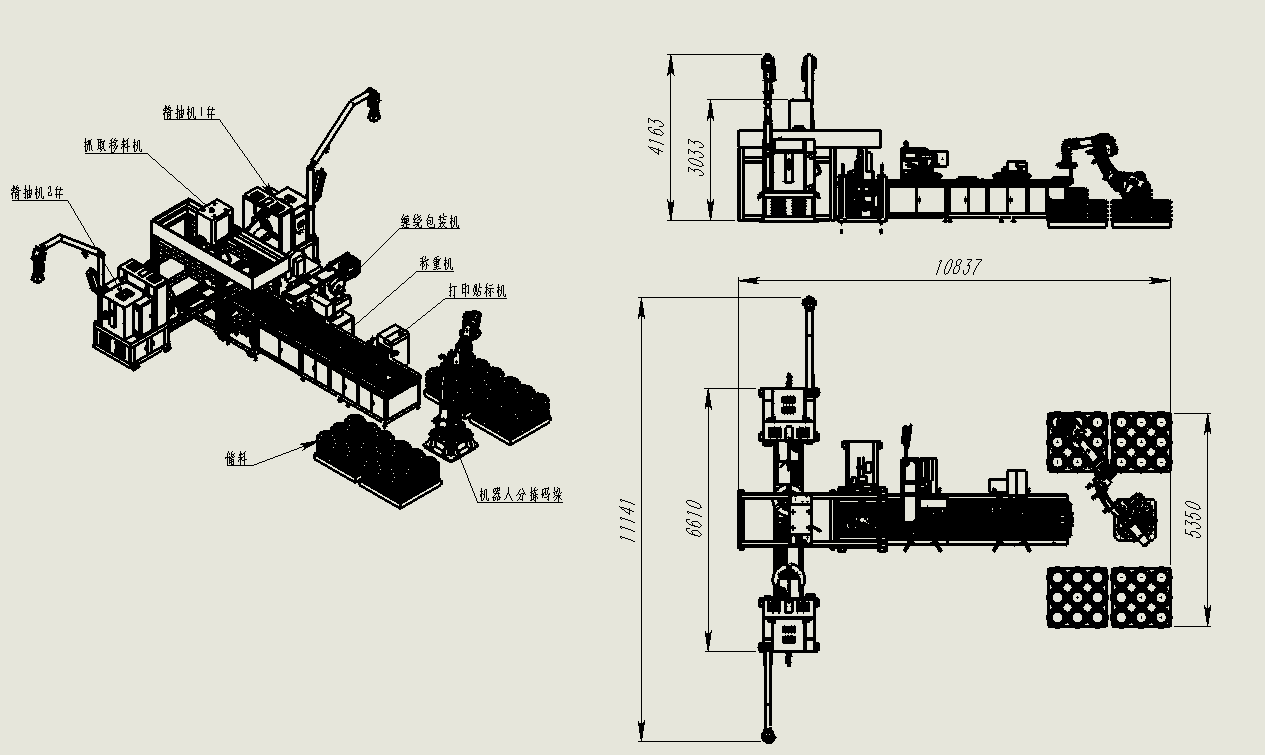
My career in the packing machine industry has taught me that automation is not just a luxury; it is a necessity for modern operations. Especially in places like the Gulf, where scale and efficiency are paramount. I remember when we first introduced automated solutions. Clients were initially hesitant, worried about the investment. But once they saw the impact – faster throughput, fewer errors, and safer workplaces – they became firm believers. Automation means your packing line becomes a precision instrument. It eliminates the variables of human fatigue and inconsistent technique, ensuring every coil meets the same high standard. For a large steel mill, this translates into massive savings over time, not just in labor but in reduced material waste and improved product integrity. For example, a fully automatic line can precisely apply film tension and strapping force, something almost impossible to replicate consistently by hand, especially for different coil types. This kind of controlled process is critical for export, where packaging quality is paramount.
- Elevated Automation for Unmatched Efficiency:
- Benefit: A fully automatic coil packing line integrates turning, wrapping, strapping, labeling, and stacking.
- Impact: This seamless flow drastically reduces processing time per coil and eliminates bottlenecks.
- Outcome: Higher throughput, consistent speed, and improved overall production line efficiency.
- Enhanced Safety Through Mechanized Handling:
- Benefit: Automation replaces dangerous manual tasks like lifting, flipping, and moving heavy coils.
- Impact: Workers are removed from hazardous zones, greatly reducing the risk of accidents and injuries.
- Outcome: A safer working environment, lower insurance costs, and improved employee morale.
- Superior Packaging Quality for Global Standards:
- Benefit: Automated systems apply consistent PET/steel strapping and precision shrink/stretch film wrapping.
- Impact: This ensures uniform tension, tight seals, and comprehensive protection against moisture, rust, and scratches.
- Outcome: Packaging meets strict international (e.g., CE/ISO) and export requirements, reducing damage and returns.
- Optimized Resource Utilization & Cost Reduction:
- Benefit: Automation reduces the need for a large workforce on the packing line. It also minimizes material waste through precise application.
- Impact: Lower labor costs, reduced material consumption, and fewer errors needing rework.
- Outcome: Significant long-term cost savings and improved operational profitability.
Why is a Long-Term Partnership More Than Just Buying a Machine for Your Saudi Plant?
Buying a coil packing machine is a big investment. If you just buy a machine and get no support, you risk problems down the road. This means potential downtime, difficulty getting spare parts, and no help when things go wrong. For any plant in Saudi Arabia, where operations are often 24/7, this can be a major setback. It is why I always emphasize the relationship, not just the sale.
For a Saudi plant, a long-term partnership with a supplier means securing ongoing support, readily available spare parts, and access to expert training. This goes beyond a one-time purchase. It ensures the continuous, efficient operation of your coil packing line, protects your investment, and helps you adapt to future production needs, making your supplier a true extension of your team.
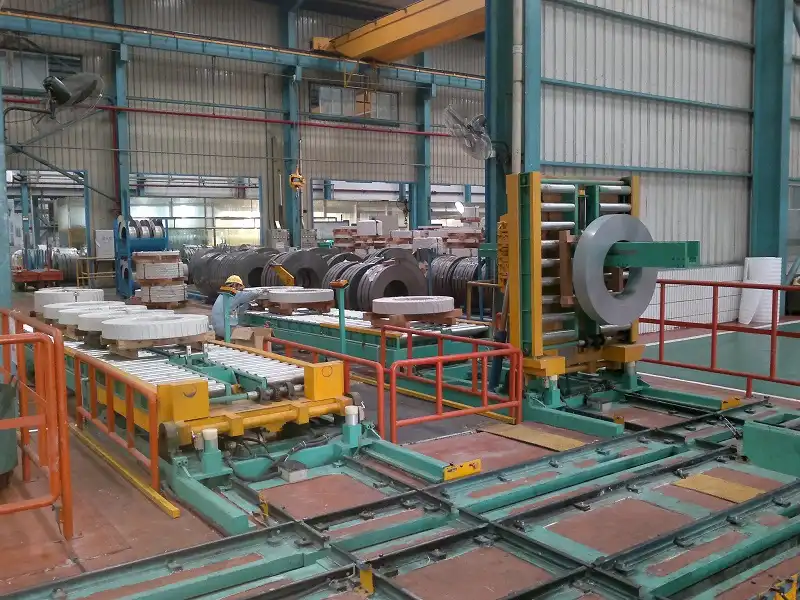
When I founded FHOPEPACK, my vision was always about building relationships, not just selling equipment. I started as an engineer on the factory floor. I know firsthand the frustration of having a machine break down and not being able to get timely support or spare parts. In Saudi Arabia, the sheer scale of operations and geographical distance can make this even more challenging. A true partner understands your operational goals and provides a “turnkey” solution. This means they handle everything from design and installation to training your staff and ensuring spare parts are always available. My personal journey taught me that financial independence came from helping my clients succeed. That is why I am dedicated to sharing my expertise. For a Saudi steel mill, this means having a supplier who is invested in your long-term success, not just making a quick sale. This proactive support system can make all the difference in keeping your production running smoothly.
- Comprehensive Turnkey Solutions:
- Requirement: A supplier who manages the entire project from initial design to final commissioning.
- Benefit: You receive a complete, ready-to-operate system tailored to your specific plant layout and production needs.
- Impact: Minimizes your internal resource burden and ensures seamless integration with existing production lines.
- Robust After-Sales Support & Maintenance:
- Requirement: Access to expert technicians for troubleshooting, regular maintenance, and urgent repairs.
- Benefit: Swift resolution of issues, preventing prolonged downtime and keeping your operations continuous.
- Impact: Maximizes machine uptime and ensures peak performance throughout the equipment’s lifespan.
- Reliable Spare Parts Availability:
- Requirement: A guarantee of genuine, high-quality spare parts that are readily accessible.
- Benefit: Quick replacement of worn or damaged components, reducing delays and extending machine life.
- Impact: Minimizes inventory holding costs for critical spares while ensuring operational continuity.
- Operator Training & Knowledge Transfer:
- Requirement: Comprehensive training for your local staff on machine operation, basic maintenance, and safety protocols.
- Benefit: Your team gains the skills to operate the line efficiently and handle minor issues independently.
- Impact: Empowers your workforce, reduces reliance on external support for daily operations, and improves safety practices.
Conclusion
Choosing a reliable coil packing line supplier in Saudi Arabia means prioritizing robust, custom-engineered solutions with strong after-sales support. This ensures continuous operation, consistent quality, and enhanced safety, which are vital for a demanding market. A true partner like FHOPEPACK offers more than just machines; we offer a long-term commitment to your success, helping you optimize your entire coil packing line operations.








