
Coil Packing Line in Israel: Is Automation the Key to Higher Competitiveness?
The steel industry is tough. Every day, I see companies push hard to stay ahead. If you run a steel mill in Israel, you know this pressure well. You need to get your products out fast and perfectly packed. Any hiccup can cost you a lot. Think about delayed shipments, angry customers, or even fines. This is not just about making steel; it is about delivering it right, every single time. The question many leaders ask themselves is: How can we do this better, faster, and with fewer problems?
For steel mills in Israel, automation is not just a nice-to-have; it is a fundamental shift that unlocks higher competitiveness by ensuring consistent quality, boosting efficiency, and drastically reducing operational costs and risks in the critical coil packing process.

Staying competitive means looking at every part of your operation. The packing line often gets overlooked, but it is a vital link. It is where your hard work meets your customer. Let’s dig deeper into how modern coil packing lines can change the game for steel manufacturers in Israel.
Is Your Steel Mill in Israel Facing Unique Production Pressures?
Running a steel mill in Israel brings its own set of challenges. You operate in a dynamic market. Customer demands are always growing. You need to produce cold rolled coils, galvanized coils, and color-coated coils. Each type has different packing needs. Switching between these manually takes time. It makes your process slow. This variety alone creates big production pressures. My journey through the packing machine industry has shown me that complex product mixes are a common headache.
Yes, steel mills in Israel face significant production pressures due to diverse product lines, high volume demands, and a competitive market that expects flawless, timely deliveries, making manual packing methods increasingly unsustainable.

These pressures are not just about what you make. They also come from the market itself. In Israel, like many places, the cost of labor can be high. Finding skilled workers for demanding, repetitive tasks in a packing area is tough. Younger workers often look for less physically taxing jobs. This leads to high turnover and a constant shortage of people. My experience as an engineer taught me that manual processes introduce variability. When people are tired or rushed, mistakes happen. This affects the quality of your packing. Customers, especially export clients, expect top-notch packing. They want CE/ISO certification, barcodes, and perfect moisture protection. Meeting these high standards with old methods is a battle. You need a system that can handle all these challenges without breaking a sweat.
1. Diverse Product Needs: A Manual Nightmare
Steel mills often produce many different coil types. Each type needs a specific packing method.
- Cold Rolled Coils: These need strong protection against scratches and rust.
- Galvanized Coils: They require careful wrapping to protect the coating.
- Color-Coated Coils: These are highly sensitive to damage. Their surface must stay perfect. Manually switching packing materials and methods for each coil type is slow. It creates bottlenecks. It also increases the chance of human error. A worker might grab the wrong material. Or they might apply it incorrectly. This leads to inconsistent packing quality. It costs valuable production time.
2. The Labor Shortage Trap
Finding and keeping skilled labor for packing lines is a growing problem.
- High Physical Demands: Packing heavy steel coils is hard work. It involves bending, lifting, and repetitive motions.
- Repetitive Tasks: Manual strapping and wrapping are monotonous. Workers can get bored or tired quickly.
- Safety Risks: Handling large, heavy coils manually carries a risk of injury. This leads to higher insurance costs and lost workdays. Automation changes this picture. Machines handle the heavy lifting and repetitive tasks. This frees up human workers for supervision and maintenance. It improves safety conditions. It also makes the workplace more appealing.
3. Rising Customer Expectations
Today’s customers expect more than just a product. They expect perfect delivery.
- Export Standards: Many Israeli steel mills export. Export markets demand strict packing standards. This includes CE/ISO certifications.
- Traceability: Customers want barcodes and clear labels. They need to track their orders easily.
- Damage Prevention: Coils must arrive without a single scratch or sign of moisture. Poor packing causes claims and lost business. Meeting these standards with manual methods is very hard. It needs constant oversight. It requires skilled workers who are always focused. An automated system makes sure every coil meets these high demands. It does this consistently.
Can an Automated Coil Packing Line Truly Solve Labor Shortages and Quality Woes?
Many people wonder if automation is just a fancy expense. They ask if it can truly fix real-world problems like not enough workers or bad packing quality. From my years in the industry, starting on the factory floor and building FHOPEPACK, I have seen it firsthand. The answer is a clear “yes.” Automation in coil packing is designed to tackle these exact issues head-on. It takes away the heavy, repetitive work from people. It replaces it with precise, consistent machine operation.
An automated coil packing line provides a definitive solution to labor shortages by significantly reducing manual intervention and directly addresses quality woes through precise, machine-controlled application of packing materials, ensuring consistent, high-standard results every time.

Think about manual strapping or wrapping. One worker might pull the strap tighter than another. Or they might apply the film with uneven tension. This leads to coils that are not secured properly. They can loosen during transport. This causes damage. It makes customers unhappy. My team at FHOPEPACK always focuses on building solutions that eliminate these kinds of inconsistencies. An automated system ensures every strap has the same tension. Every layer of film is applied with uniform coverage. This results in stable, secure packages. These packages can withstand the rigors of shipping, whether it is across Israel or overseas. This also means you need fewer people to do the manual work. The people you do have can focus on managing the machines or other skilled tasks. This solves the labor shortage by making your existing team more efficient and productive.
1. Overcoming the Labor Shortage
Automated systems make your packing line less reliant on human hands.
- Reduced Workforce Needs: Machines do the physically demanding tasks. This means you need fewer workers in the packing area.
- Higher Throughput with Fewer People: One automated line can do the work of many manual laborers. It does it faster and without breaks.
- Improved Job Quality: Remaining staff can supervise, troubleshoot, and maintain equipment. These are higher-skill, less strenuous jobs. This helps retain talent. It also makes the overall work environment safer and more appealing.
2. Ensuring Consistent Packing Quality
Machines deliver precision that human hands cannot consistently match.
- Uniform Tension and Coverage: Automated strapping and wrapping machines apply materials with exact tension and overlap. This creates a strong, stable package.
- Reduced Material Waste: Precise application means less material is wasted. This saves money on packing supplies. It also creates a cleaner operation.
- Compliance with Standards: Automated systems can be programmed to meet specific packing standards. This includes those required for export (like CE/ISO). They ensure every package meets these benchmarks reliably. This prevents customer complaints. It avoids costly returns.
3. Real-Time Monitoring and Control
Modern automated lines offer advanced features for better management.
- Sensor Technology: Sensors monitor film tension, strap application, and coil positioning. This ensures everything is correct.
- Diagnostic Feedback: Systems provide real-time data on performance. They alert operators to any issues. This allows for quick problem-solving.
- Data Logging: All packing parameters are recorded. This creates a traceable history for each coil. This is valuable for quality control. It also helps with troubleshooting.
How Does Investing in Automation Translate to Real Cost Savings and Enhanced Safety?
When people hear “automation,” they often think of a big upfront cost. This is true, but it is also important to look at the long-term picture. From my perspective, having built successful packing machine factories, I know that an automated coil packing line is an investment that pays for itself. It brings significant cost savings and makes your workplace much safer. These benefits directly impact your bottom line and your company’s reputation.
Investing in an automated coil packing line directly translates to substantial cost savings by minimizing labor expenses, reducing material waste, and preventing damage-related losses, while simultaneously enhancing safety by removing workers from hazardous tasks and lowering the risk of workplace injuries.
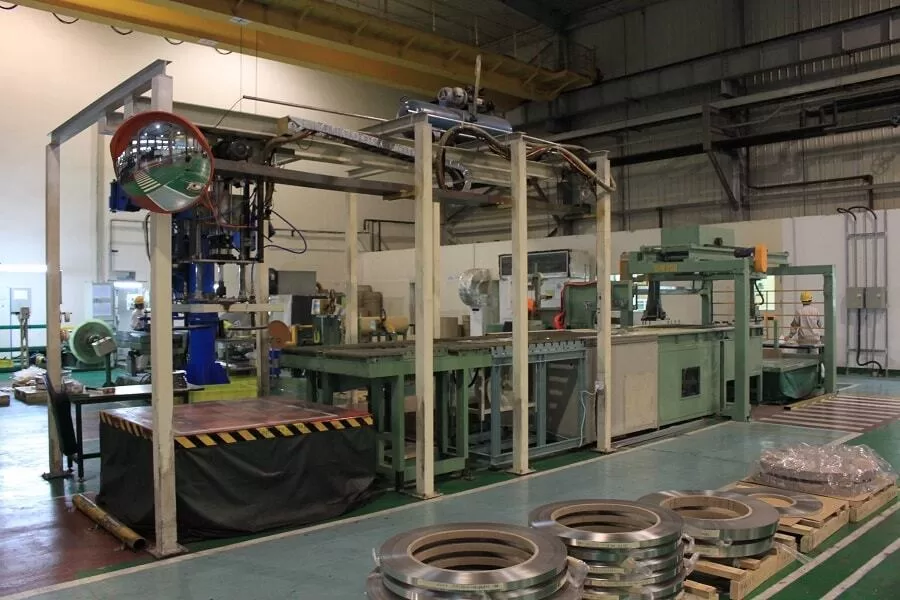
One of the biggest lessons I learned early in my career was how much waste could occur in manual packing. Over-wrapping, loose straps, damaged coils due to poor handling – these small things add up to huge costs. An automated system uses materials precisely. It cuts down on waste. It also makes sure coils are handled gently and correctly. This means fewer damaged products. Fewer damaged products mean fewer returns and happier customers. This saves you money in claims and reprocessing. Furthermore, safety is priceless. Manual handling of heavy steel coils is risky. Accidents can cause serious injuries. They lead to medical costs, lost production time, and morale issues. By letting machines do the dangerous lifting and manipulating, you protect your team. You reduce your insurance premiums. This creates a much safer and more productive work environment. It shows you care about your people.
1. Tangible Cost Reductions
Automation directly impacts several areas of your budget.
- Lower Labor Costs: Fewer workers are needed for the packing line. This reduces wages, benefits, and training expenses. The efficiency gain is substantial.
- Reduced Material Waste: Machines apply film and straps with optimal tension and coverage. This prevents over-use or improper application. It leads to significant savings on packing materials.
- Minimized Product Damage: Consistent, secure packing protects coils during transit and storage. This means fewer damaged goods, fewer customer returns, and fewer replacement costs. It protects your profits.
- Energy Efficiency: Modern automated systems are designed to be energy-efficient. They reduce electricity consumption compared to older or manual processes.
2. Enhanced Workplace Safety
Safety is a core benefit that cannot be overstated.
- Elimination of Hazardous Tasks: Machines perform heavy lifting, turning, and strapping. This removes workers from dangerous situations.
- Reduced Repetitive Strain Injuries: Automation eliminates the need for workers to perform repetitive motions. This lowers the risk of musculoskeletal injuries.
- Controlled Environment: Automated lines operate within safety enclosures. They have sensors and emergency stops. This further protects personnel. It creates a much safer workspace.
- Improved Worker Morale: When workers feel safe and are not doing back-breaking labor, their morale improves. This leads to a more positive and productive team.
3. Increased Production Uptime
Reliable machines keep your line moving.
- 24/7 Operation: Automated systems can run continuously, day and night. They do not get tired or need breaks. This maximizes production output.
- Reduced Downtime: Modern machines are built for durability and continuous operation. This means less unexpected downtime for repairs.
- Predictive Maintenance: Advanced systems can often predict potential issues. They alert maintenance staff before a breakdown occurs. This allows for planned maintenance. It prevents costly interruptions.
What Should You Look for in a Partner for a Full Coil Packing Automation Project?
Choosing to automate your coil packing line is a big decision. It is not just about buying a machine. It is about implementing a complex system that needs to work seamlessly with your existing operations. This means your choice of supplier is critical. You need more than a vendor; you need a partner. From my years of experience building FHOPEPACK, I know that true partnership means understanding your unique needs and being there every step of the way, long after the sale.
For a full coil packing automation project, you need a partner who offers comprehensive turnkey solutions, possesses deep engineering expertise for customization, provides robust after-sales support with training and spare parts, and demonstrates a commitment to long-term collaboration, ensuring your investment delivers continuous value.

My journey started as an employee in a packing machine factory. This gave me an inside look at what makes a project successful. It also showed me where things can go wrong. A good partner will not just sell you a standard machine. They will take the time to understand your specific challenges. This includes your coil sizes, your output requirements, and your plant layout. They will offer a customized solution that fits your exact needs. This is what we do at FHOPEPACK. We believe in providing a “turnkey” experience. This means we handle everything from design and installation to training your team. But it does not stop there. The best partners also provide ongoing support. They have spare parts readily available. They offer maintenance services. This ensures your investment keeps running smoothly for years. They are truly dedicated to helping your business grow and succeed.
1. Comprehensive Turnkey Solutions
Look for a partner who can manage the entire project from start to finish.
- Consultation and Design: They should assess your current setup and suggest the best solution. This includes custom layouts and machine configurations.
- Manufacturing and Installation: The partner should handle the production of the machines. They also oversee the installation process. This ensures proper integration with your existing line.
- Commissioning and Testing: Before handover, the system must be fully tested. It needs to run perfectly. This guarantees it meets your operational requirements.
- Project Management: A single point of contact for the entire project simplifies communication. It ensures a smooth process.
2. Deep Engineering Expertise and Customization
Every steel mill is different. Your partner must understand this.
- Industry Knowledge: They should have a strong track record in the steel industry. This means they understand the unique challenges of coil packing.
- Customization Capabilities: The ability to adapt standard machines or design new ones for your specific coil dimensions, weights, and packing needs is crucial. This includes variable inner/outer diameters and weights.
- Integration Skills: They must be able to integrate the new packing line with your existing production systems. This ensures seamless data flow and control.
- Problem-Solving Approach: A good partner actively seeks to solve your specific challenges. They do not just offer off-the-shelf products.
3. Robust After-Sales Support
Your relationship with the supplier should continue long after installation.
- Operator Training: Your team needs proper training to operate and maintain the new equipment safely and efficiently.
- Technical Support: Access to expert technical assistance for troubleshooting is essential. This ensures minimal downtime.
- Spare Parts Availability: A reliable supply of genuine spare parts is vital. It prevents long waits for repairs.
- Maintenance Services: Offering ongoing maintenance contracts ensures the longevity and performance of your investment.
4. Commitment to Long-Term Partnership
You need someone who sees your success as their own.
- Reliability and Trust: Choose a partner with a strong reputation for delivering on promises.
- Customer Focus: They should prioritize your long-term success. They should be responsive to your needs.
- Innovation: A forward-thinking partner will keep you updated on new technologies. They will help you stay competitive.
- Local Presence or Strong Support Network: For a company in Israel, knowing there is support available, whether local or easily accessible, is a major plus.
Conclusion
For steel mills in Israel, automation in coil packing is no longer optional. It is a strategic move for higher competitiveness. It solves labor shortages, ensures consistent quality, and boosts safety. This leads to real cost savings. Choosing the right partner for a comprehensive coil packing line with strong after-sales support is key. This investment empowers your business to meet market demands and achieve long-term growth.








