
Coil Packing Line in Greece: Is Automation the Key to Higher Productivity?
Imagine your steel plant. The production lines hum, creating high-quality coils. But then, everything slows down at the packing station. Manual labor struggles to keep up. Workers rush, sometimes making mistakes. This bottleneck costs you time, money, and customer trust. Many steel plant managers, just like Ivan, face this exact challenge every single day.
Automation in coil packing lines is absolutely the key to higher productivity in steel plants, including those in Greece. It solves critical issues like labor shortages, inconsistent packing quality, and slow processing times. By switching to automated systems, businesses can ensure faster output, better product protection, and significant cost savings over time.
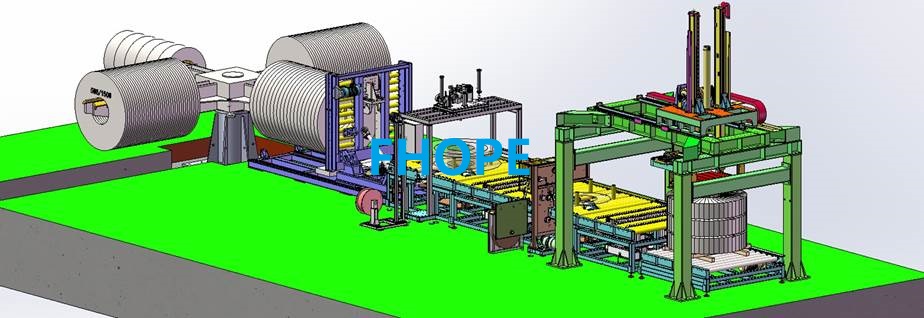
You might be wondering if a big investment in automation is truly worth it for your business. Or maybe you think your current manual process is “good enough.” I believe there is a better way. Let me share with you why automation is not just a luxury, but a necessity for modern steel production. We will explore how these solutions can transform your operations.
Why Manual Coil Packing is a Bottleneck for Greek Steel Mills?
Do you find your packing area constantly under pressure? Are your workers struggling to keep up with production? Many steel mills, especially in regions like Greece, face daily battles with their manual packing processes. This often turns the final step of production into a painful bottleneck.
Manual coil packing is a bottleneck for Greek steel mills because it creates labor shortages, inconsistent quality, and slow throughput. Workers struggle with the physically demanding tasks. They also have to handle diverse product types, which reduces overall efficiency. This leads to increased operating costs and customer dissatisfaction.

From my experience, I have seen this problem firsthand. When I started FHOPEPACK, I understood that many plants needed more than just a machine. They needed a solution to their everyday problems. Manual packing often looks cheaper on the surface. But it comes with many hidden costs and challenges. These issues hold back overall productivity.
1. The Burden of Labor Shortages 🧑🏭
Manual coil packing is a very demanding job. It requires heavy lifting, constant movement, and repetitive tasks. In places like Greece, finding young workers willing to do this kind of physical labor is getting harder.
- High Turnover Rates: Workers leave because the job is tough. This means companies spend more money on hiring and training new staff. New workers need time to learn. This reduces efficiency in the short term.
- Skill Gaps: Manual strapping and wrapping need skill. If workers are new, their packing quality can vary. This affects the final product.
- Safety Risks: Moving heavy steel coils by hand or with basic equipment is dangerous. This can lead to workplace accidents and injuries. These events stop production. They also create high costs for the company. They are a big concern for managers like Ivan.
2. Inconsistent Packing Quality and Customer Complaints 📦
Customers expect high-quality products. They also expect good packing. When packing is done by hand, it is hard to get consistent results.
- Uneven Film Tension: Manual wrapping often leads to loose film or uneven tension. The film might not protect the coil well during shipping. This can cause rust or damage.
- Loose Strapping: Hand-strapped coils can come loose. This happens if the straps are not tight enough. The coils can shift during transport. This damages the product and can even be dangerous.
- Lack of Standardization: Different workers might pack in different ways. This makes it hard to meet strict customer demands. Export customers often need CE/ISO certifications and barcodes. Manual systems struggle with these needs. This leads to customer complaints and returns. It can also cause contract penalties.
3. Slow Throughput and Production Bottlenecks ⏳
Manual packing is simply slower than automated systems. This causes a bottleneck at the end of the production line.
- Reduced Overall Efficiency: Your coil production line might be fast. But if packing is slow, the whole system slows down. This reduces your plant’s total output.
- Limited Capacity for Product Diversity: Modern steel mills produce many types of coils. They have different sizes, weights, and packing needs. Manual systems need a lot of time to switch between these different requirements. This slows down the process even more.
- Increased Operating Costs: Slow processes mean you spend more money on labor per coil. It also means you cannot process as many coils. This limits your revenue. It makes you less competitive in the market. This is a critical factor for any business looking to grow.
How Can a Fully Automatic Coil Packing Line Solve These Challenges?
We have looked at the problems with manual coil packing. Now, let us talk about solutions. Many businesses struggle with the same things. From my journey in the packing machine industry, I have seen how a fully automatic coil packing line changes everything. It is not just about a machine. It is about a complete system that fixes deep-seated problems.
A fully automatic coil packing line solves challenges by drastically increasing efficiency, ensuring consistent quality, and improving workplace safety. It handles diverse product types with ease and reduces the need for manual labor. This leads to higher output, better product protection, and lower operating costs for steel plants in places like Greece.
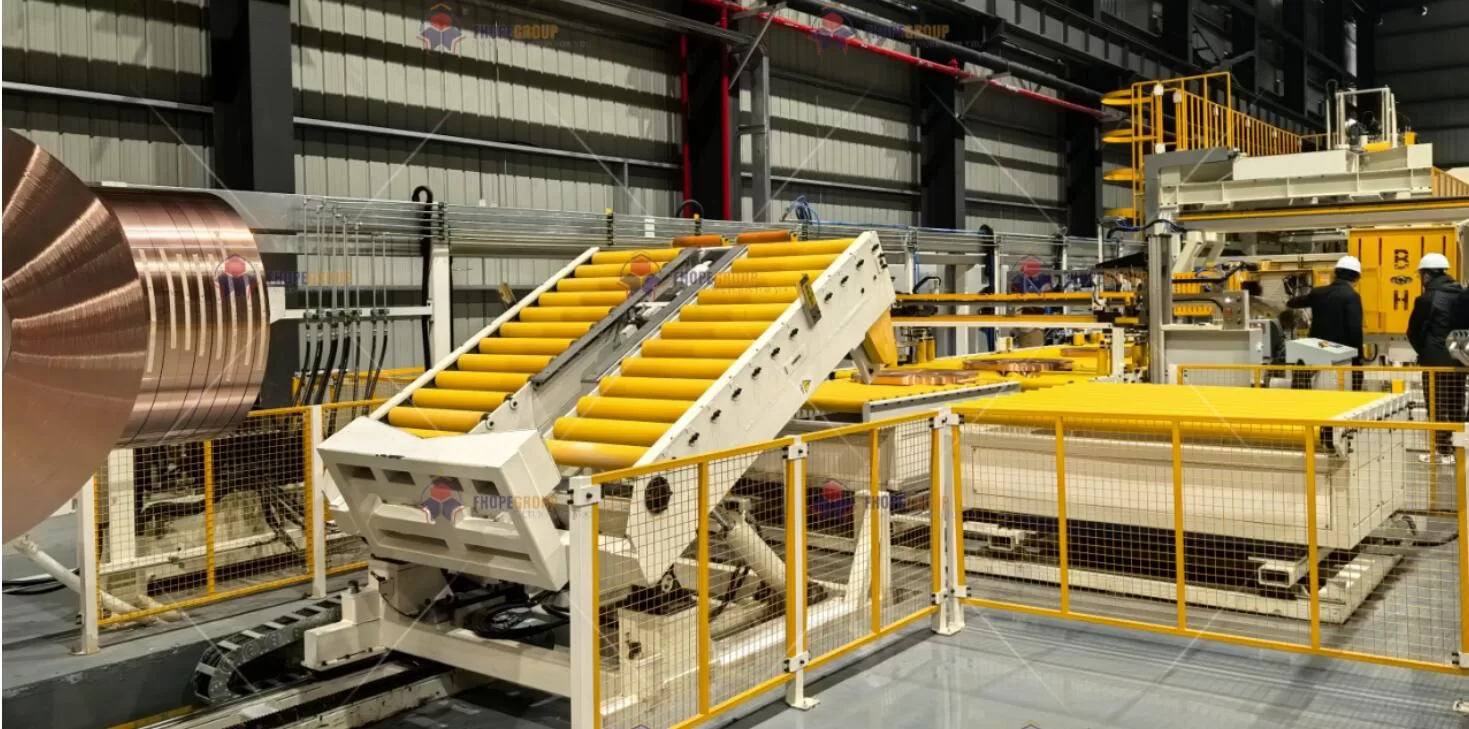
When I help clients, I always focus on their specific goals. Ivan wants to increase automation, ensure safety, optimize quality, and reduce costs. An automatic coil packing line addresses all these points. It changes the packing area from a problem spot to a high-performing part of your plant.
1. Boosted Efficiency and Throughput 🚀
Automatic lines work much faster than humans. They do not get tired. They can work 24/7.
- Continuous Operation: Automatic machines can run two shifts or even three shifts without stopping. This keeps your production moving. It removes the packing bottleneck. You can process hundreds of tons of coils every day.
- Faster Processing Speeds: The line can handle coils much quicker. It turns, wraps, and straps them in seconds. This means more coils get packed and shipped each day. This greatly increases your overall productivity.
- Reduced Changeover Time: Modern automatic lines are smart. They can switch between different coil sizes and packing types quickly. They use pre-set programs. This means less downtime. It makes managing diverse products much easier. This is vital for plants that make cold-rolled, galvanized, and color-coated coils.
2. Superior and Consistent Packing Quality ✅
Quality control is easier with machines. They perform tasks the same way every time.
- Optimal Film Tension and Coverage: Automatic wrapping machines apply film with precise tension. This ensures full, even coverage. It protects coils from moisture, rust, and scratches. This meets even the strictest export standards.
- Secure Strapping: Automatic strapping machines apply straps tightly and consistently. This stops coils from moving during transport. It prevents damage. This significantly reduces customer complaints.
- Compliance and Traceability: Automatic lines can include features like automatic labeling and barcode application. This helps meet CE/ISO certification requirements. It makes tracking products easier. This builds customer trust and reduces errors.
3. Enhanced Workplace Safety and Reduced Labor Costs 💰
One of the biggest benefits is making the workplace safer. Automation takes over dangerous tasks.
- Minimized Manual Handling: Machines lift, turn, and move heavy coils. This removes the need for workers to do it manually. This significantly reduces the risk of injuries.
- Fewer Workers Needed: Automation reduces the number of people needed in the packing area. This addresses labor shortages. It also cuts down on salary costs over time. The remaining workers can focus on monitoring and maintenance. These are safer, higher-value jobs.
- Better Resource Allocation: With fewer people doing physical labor, you can move your workforce to other areas. They can work where human judgment and skill are more valuable. This optimizes your labor resources. This improves your business’s financial health.
What Does a “Turnkey” Automated Solution Really Mean for Your Business?
When we talk about automation, some people think only of buying a machine. But for complex systems like a coil packing line, it is much more than that. I often speak with clients who want a complete package. They want a partner, not just a seller. This is where the idea of a “turnkey” solution comes in. What does that truly mean for your steel plant?
A “turnkey” automated solution means a supplier takes full responsibility for designing, manufacturing, installing, and commissioning a complete coil packing system. It includes comprehensive training for your staff and ongoing after-sales support with spare parts. This approach allows your business to receive a fully operational line with minimal internal effort, ensuring seamless integration and long-term success.
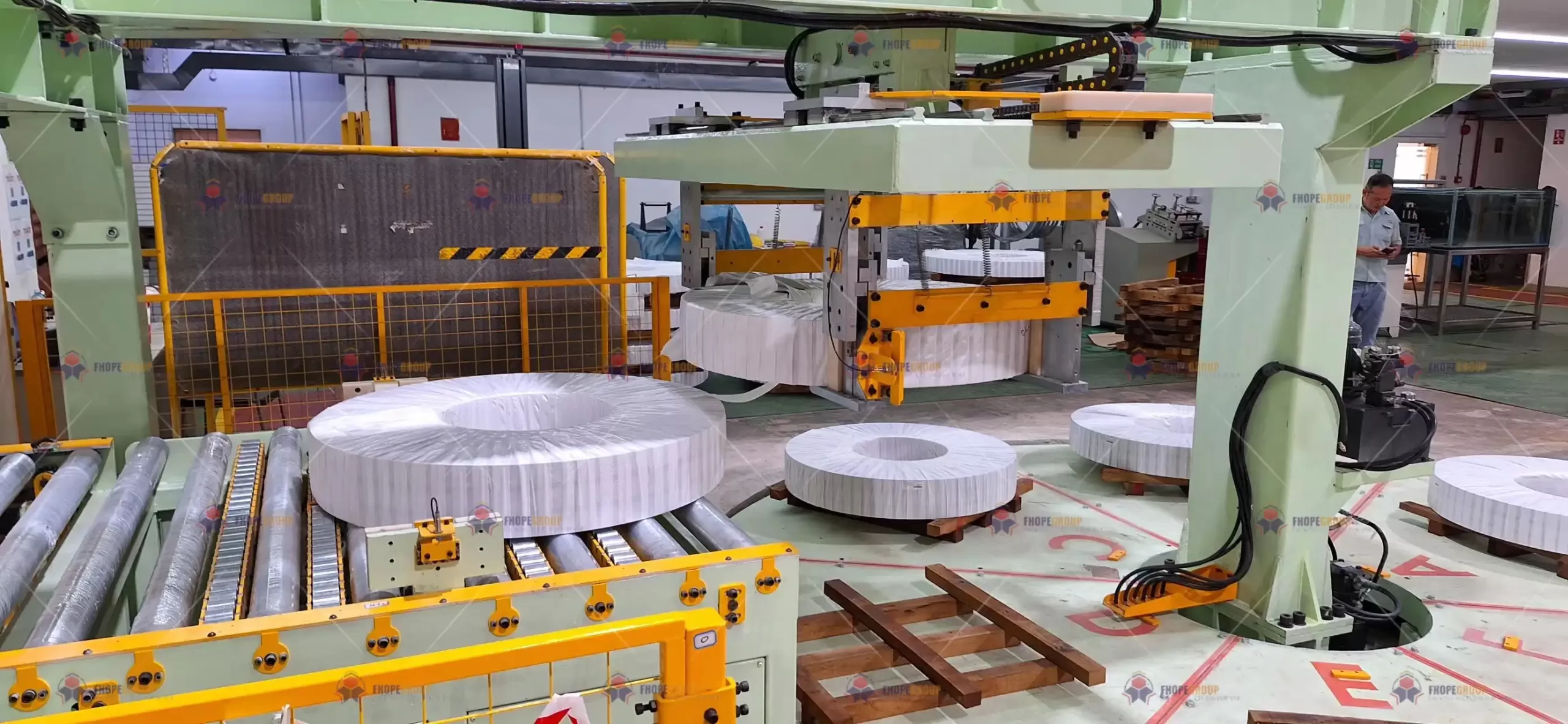
My personal journey from a factory employee to owning FHOPEPACK taught me a lot. I learned that clients need problems solved, not just products delivered. A turnkey project means we handle everything. You get a working system. You do not have to coordinate many different suppliers. This simplifies the whole process. It reduces your risk and stress.
1. A Single Point of Contact and Responsibility 🤝
Dealing with many suppliers can be a headache. A turnkey solution changes this.
- Streamlined Project Management: You work with one company. They manage all parts of the project. This includes design, manufacturing, and installation. This makes communication clear. It avoids misunderstandings.
- Reduced Risk: One supplier means one party is responsible. If something goes wrong, you know who to call. This greatly reduces your operational risks. You do not have to figure out which vendor caused a problem.
- Faster Project Completion: With one team managing everything, the project moves faster. There is less time spent on coordination between different parties. This gets your new packing line up and running sooner. This helps you start getting benefits faster.
2. Customized Design and Integration ⚙️
Every steel plant is unique. A good turnkey partner understands this.
- Tailored to Your Needs: The supplier designs the system to fit your specific factory layout. They consider your coil sizes, weights, and production volume. They also look at your specific packing requirements, like anti-rust or export standards. This means you get a system that works perfectly for you.
- Seamless Production Line Integration: The new packing line connects smoothly with your existing production system. This includes your slitting or cold rolling lines. It avoids creating new bottlenecks. The goal is a continuous flow of materials.
- Future-Proofing: A good partner thinks about your future needs. They build in flexibility for different products. They also build in options for upgrades. This makes sure your investment lasts a long time. This is key for long-term growth.
3. Comprehensive Support: Training, After-Sales, and Spares 🛠️
A machine is only as good as the people who run it and the support it gets.
- Expert Training: Your team gets full training. This includes how to operate the machines. It also covers how to perform basic maintenance. This ensures your staff can run the system safely and efficiently. This makes your team confident.
- Reliable After-Sales Service: What happens after installation? A strong partner offers ongoing support. They help with troubleshooting. They offer technical advice. This keeps your system running smoothly. This avoids costly downtime.
- Guaranteed Spare Parts: Machines need parts replaced sometimes. A turnkey supplier makes sure you have access to original spare parts. This helps with quick repairs. It minimizes interruptions to your production. This ensures your investment continues to deliver value for many years.
Is Investing in Automation for Coil Packing a Smart Move for Greek Manufacturers?
We have discussed the problems with manual packing. We have seen how automation offers solutions. Now, let us answer the big question. Is this investment a smart move for steel manufacturers in Greece and beyond? In my view, the answer is a resounding “yes.” It is not just about making things easier. It is about staying competitive in a global market.
Investing in automation for coil packing is a smart move for Greek manufacturers because it delivers a strong return on investment through increased productivity, reduced operational costs, and enhanced market competitiveness. It also improves safety, ensures consistent product quality, and prepares businesses for future demands. This makes it a strategic decision for long-term success.
When I help clients like Ivan, I always look at the bigger picture. My mission at FHOPEPACK is to share knowledge and help businesses grow. Automation is a tool for growth. It makes your plant more efficient. It makes your products better. It makes your business more robust. This is especially true for businesses in a dynamic market like Greece.
1. Driving Unprecedented Productivity Gains 📈
The core reason for automation is always productivity.
- Higher Output Capacity: An automatic coil packing line handles more coils faster. This means you can produce more in the same amount of time. This increases your total output. It also lets you take on more orders.
- Consistent Operational Speed: Unlike humans, machines do not get tired or sick. They maintain a steady speed. This ensures your packing process is predictable and reliable. This smooths out your production schedule.
- Reduced Downtime: Automated systems, especially when backed by a good turnkey partner, have less unplanned downtime. This is because of better reliability and faster maintenance. This keeps your production lines running longer. This is directly linked to higher profits.
2. Significant Cost Reductions Over Time 💸
While there is an initial investment, the long-term savings are clear.
- Lower Labor Costs: Fewer workers are needed for the packing tasks. This reduces salary expenses. It also reduces costs related to injuries and high staff turnover.
- Reduced Material Waste: Automatic systems use packing materials more efficiently. They apply film and straps with precision. This minimizes waste. It leads to savings on materials like PET/steel bands and wrapping film.
- Fewer Returns and Penalties: Consistent, high-quality packing means fewer damaged goods. This reduces customer complaints, returns, and contract penalties. These savings add up quickly and improve your bottom line.
3. Boosting Market Competitiveness and Reputation 🌟
In a competitive market, quality and efficiency matter a lot.
- Enhanced Product Quality: Delivering perfectly packed coils consistently builds your reputation. Customers trust your brand more. This can lead to more business and stronger client relationships.
- Meeting International Standards: Automation helps you meet tough export requirements like CE/ISO certifications and specific barcode standards. This opens up new markets for your products, which is crucial for growth.
- Attracting Talent: A modern, automated facility is a safer and more attractive workplace. This helps you attract and retain skilled employees for technical roles. It shows you are a forward-thinking company.
4. Strategic Positioning for the Future 🚀
Automation is not just for today. It is for tomorrow.
- Adaptability to Market Changes: Automated systems are flexible. They can adapt to new product types or packing demands more easily. This helps you respond to market shifts.
- Data-Driven Decisions: Many automated lines collect data on production and packing. This data can help you make better business decisions. It can help you find areas for more improvement.
- Environmental Responsibility: Efficient use of materials and less waste also align with environmental goals. This can improve your company’s public image. It also helps meet new regulations.
Conclusion
Investing in an automated coil packing line is a strategic decision for Greek manufacturers. It directly addresses labor shortages, inconsistent quality, and low productivity. By embracing automation, businesses achieve higher output, significant cost savings, and a stronger market position. It is the key to efficiency, safety, and long-term success in the steel industry.








