
Coil Packing Line in Egypt: Is Automation Critical for Modern Plant Performance?
Modern steel mills around the world face immense pressure. Demands for speed, quality, and cost efficiency are higher than ever. Many plants, including those in Egypt, still rely on old packing methods. These methods struggle to keep up. This situation creates a major bottleneck in the entire production process. It impacts delivery times and customer satisfaction.
Yes, automation is critical for modern plant performance, especially in Egypt’s growing industrial sector. Automated coil packing lines directly address the urgent need for higher efficiency, consistent quality, and enhanced safety. They ensure that steel products are prepared for market quickly and reliably, supporting global demands and maintaining a competitive edge.
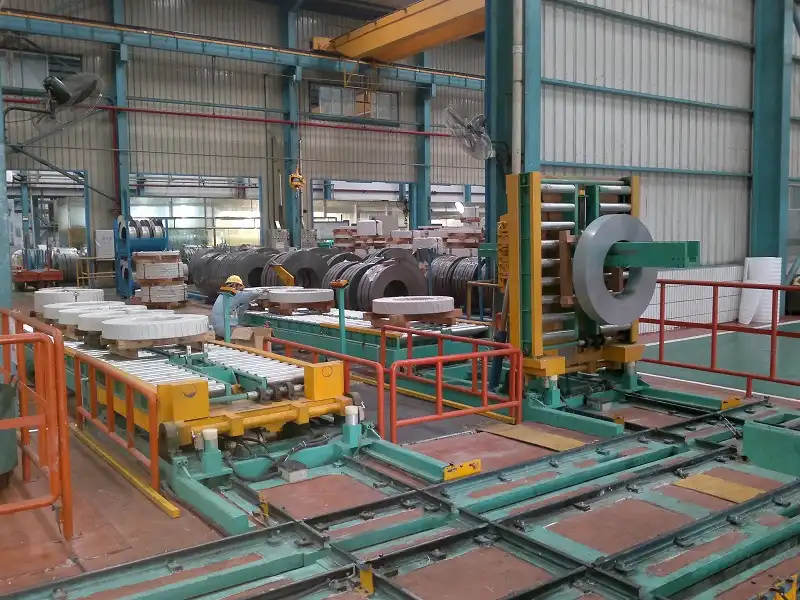
Many plant managers, just like some of my clients, are realizing this truth. They know that just having a packing machine is not enough. They need a full solution that works with their whole production line. They need a partner who understands their challenges. Let us look closer at why automation is not just good but necessary for today’s steel industry.
Why are traditional coil packing methods failing in modern Egyptian plants?
Are your packing operations slowing down your entire plant? Many Egyptian steel mills still use older, manual methods. This causes many problems. It impacts speed, quality, and your bottom line. These methods are no longer suitable for today’s fast-paced market.
Traditional coil packing methods often fail because they cannot keep up with high production volumes, diverse product demands, and the need for consistent quality. They rely heavily on human labor, leading to inconsistencies, slower output, and increased operational costs. This becomes a major bottleneck for modern Egyptian plants aiming for global competitiveness.
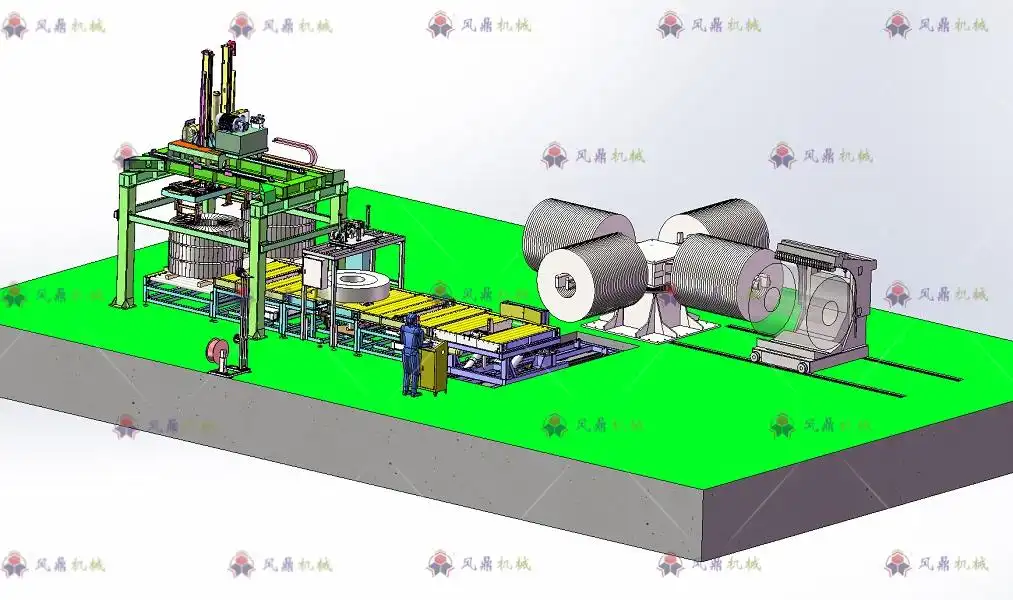
I have seen this issue many times throughout my career. When I started as an employee in a packing machine factory, I saw the limitations of manual processes first-hand. Now, as the founder of FHOPEPACK, I understand the frustration of plant managers. They want to grow, but outdated packing methods hold them back. Modern plants face new demands. They need solutions that match these demands.
- Labor Challenges and High Costs: Manual coil packing is very physically demanding. Workers must handle heavy coils and apply straps by hand. This job is tough. It leads to high worker turnover. Young workers often do not want this kind of labor. This creates an artificial shortage of skilled staff. It also increases labor costs over time. My team at FHOPEPACK often hears about these staffing issues. We know that factories struggle when they cannot find enough people to do the work.
- Inconsistent Packing Quality: Human operations lead to variability. One worker might apply straps tighter than another. The film tension can be uneven. This means some packages are loose. Coils can shift or get damaged during transport. This results in customer complaints. It can also cause product returns. This problem is especially bad for high-value products like galvanized or color-coated coils. Their surfaces need perfect protection.
- Lack of Flexibility for Product Diversity: Modern steel plants produce many types of coils. They vary in size, weight, and material. Switching between different packing requirements manually is slow. It takes a lot of effort. This reduces the overall efficiency of the packing workshop. It causes delays in shipping. It stops the smooth flow of the entire production line.
- Increased Safety Risks: Handling heavy steel coils manually is dangerous. Workers are at risk of injury from heavy lifting, machinery, or moving coils. Safety is a top concern for plant directors. They want to protect their employees. Manual methods make achieving a high safety standard much harder. They worry about accidents and downtime due to injuries. This impacts both morale and productivity.
- Failure to Meet Export Demands: Many Egyptian steel plants aim for export markets. These markets have strict quality and documentation standards, like CE or ISO certifications. Manual packing often cannot meet these exact requirements. It is hard to ensure consistent compliance. This makes it difficult for plants to compete globally. It limits their growth potential in international trade.
How does automation transform coil packing safety and efficiency in Egypt?
Are safety incidents and low efficiency hurting your production targets? Many plants struggle with these issues. Manual handling of heavy coils is dangerous and slow. It puts workers at risk and slows down your entire operation. This means lost time and money.
Automation fundamentally transforms coil packing safety and efficiency by minimizing human interaction with heavy machinery and coils. It uses precise, automated systems for handling, strapping, and wrapping, which greatly reduces workplace accidents and speeds up the entire packing process. This allows Egyptian plants to achieve higher output with fewer risks and better overall performance.

I remember working with a client who had constant safety concerns. Their workers were exhausted from manually packing hundreds of tons of steel coils every day. They also faced frequent bottlenecks. It was clear that their current process was not sustainable. Investing in automation changed their entire factory. It created a safer workplace and a much more productive environment.
- Greatly Improved Safety: The biggest benefit of automation is enhanced safety. Machines take over the dangerous tasks. This means workers do not need to lift heavy coils. They do not need to be near moving parts during packing. Automated coil cars, manipulators, and packing stations handle everything. This drastically reduces the risk of accidents and injuries. A safer workplace means happier employees and fewer costly incidents. Plant managers can have peace of mind.
- Significant Boost in Efficiency: Automated coil packing lines work fast and without breaks. They can process many more coils per hour compared to manual methods. This greatly speeds up the entire packing process. It removes bottlenecks. It ensures a continuous flow from production to dispatch. For a plant in Egypt with high daily output, this means products reach customers much faster. This directly increases a plant’s overall productivity.
- Consistent and High-Quality Output: Machines follow precise instructions every time. They apply the right amount of tension to straps. They wrap film evenly around coils. This guarantees a consistent, high-quality package for every single coil. This consistency is vital for customer satisfaction. It protects the product during transport. It means less rework and fewer returns.
- Reduced Labor Costs and Dependency: While there is an initial investment, automation reduces the need for extensive manual labor. This helps address the challenge of labor shortages. It also lowers long-term operational costs. Workers can then be retrained for more skilled roles, such as operating and maintaining the automated systems. This leads to a more efficient allocation of human resources.
- Optimized Material Usage: Automated systems are precise. They use the exact amount of packing material needed. This reduces waste. It saves money on materials like PET straps, steel bands, and wrapping film. This efficiency also contributes to better sustainability. This is important for modern businesses looking to reduce their environmental impact.
Can automated coil packing lines meet Egypt’s growing export quality demands?
Are your export orders facing rejections because of packing quality? Meeting international standards is tough. It requires precision and consistency. This can be a major hurdle for growth, especially for Egyptian plants aiming to expand their global reach.
Yes, automated coil packing lines are specifically designed to meet and exceed Egypt’s growing export quality demands. They provide the precision, consistency, and traceability required for international certifications like CE and ISO. This ensures coils are perfectly protected against moisture, rust, and scratches, supporting Egypt’s strong role in global markets.
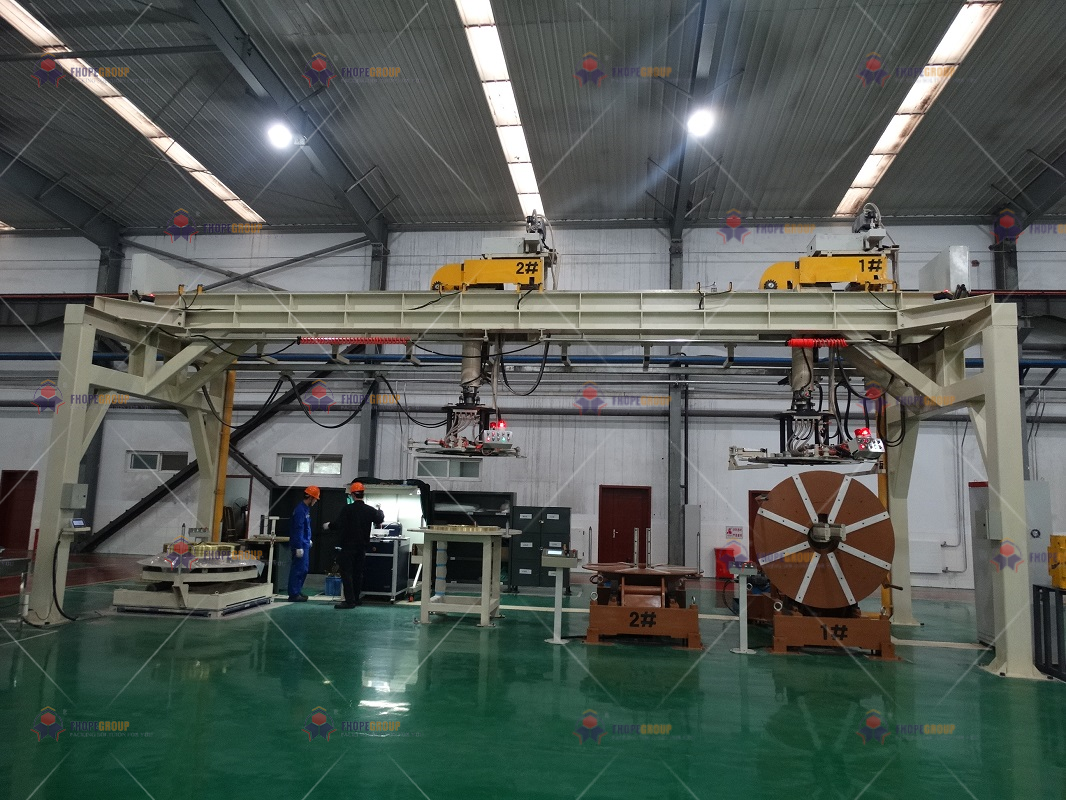
My mission at FHOPEPACK is to help clients achieve their goals. For many, this means reaching new international markets. I have seen how strict these demands can be. When I first started my own factory, I understood that meeting these high standards was not an option but a necessity. It is the only way to build a reliable global reputation. Automated packing is the tool that makes this possible.
- Adherence to Global Standards and Certifications: Export markets like Europe demand specific certifications, such as CE and ISO. Automated packing lines are built to comply with these rules. They ensure every package meets the necessary quality and safety criteria. This makes the certification process much smoother. It opens doors to new international customers for Egyptian steel products.
- Superior Protection for International Shipping: Long sea voyages and varied climates during transport can damage products. Automated lines use robust materials. They apply protective layers like stretch film, shrink film, or VCI paper with consistent tension. This prevents rust, moisture damage, and surface scratches. This level of protection is crucial for ensuring products arrive in perfect condition. It protects the value of the goods.
- Integrated Labeling and Traceability: Modern automated lines can include automatic labeling systems. These systems apply barcodes, QR codes, or other labels accurately. This allows for precise tracking of each coil. It provides detailed product information. This traceability is very important for supply chain management. It also meets the transparency demands of international buyers.
- Flexible for Diverse Product Requirements: Egyptian steel plants produce many types of coils, from cold-rolled to galvanized. Each type might have unique packing needs. Automated systems offer high flexibility. They can quickly switch between different packing programs. This means they can handle varying coil diameters, widths, and weights. They can apply different combinations of strapping and wrapping materials. This adaptability is key for a diverse product portfolio.
- Building a Strong Global Reputation: High-quality, consistent packing reflects well on the manufacturer. It shows professionalism and care for the product. This builds trust with international customers. It leads to repeat business. For Egyptian exporters, this enhances their brand image. It makes them more competitive in the global steel market. This strengthens the country’s position as a reliable supplier.
What does a reliable automated coil packing solution look like for Egyptian steel mills?
Are you tired of searching for packing solutions that promise much but deliver little? Finding a truly reliable automated system is key. It needs to work, adapt, and last for many years. It needs to be more than just a machine.
A reliable automated coil packing solution for Egyptian steel mills is a comprehensive, turnkey system that integrates seamlessly into existing production lines. It prioritizes durability, adaptability for various coil types, and includes robust after-sales support. This ensures continuous, high-quality operation and long-term cost savings, moving beyond just a machine to a true partnership.
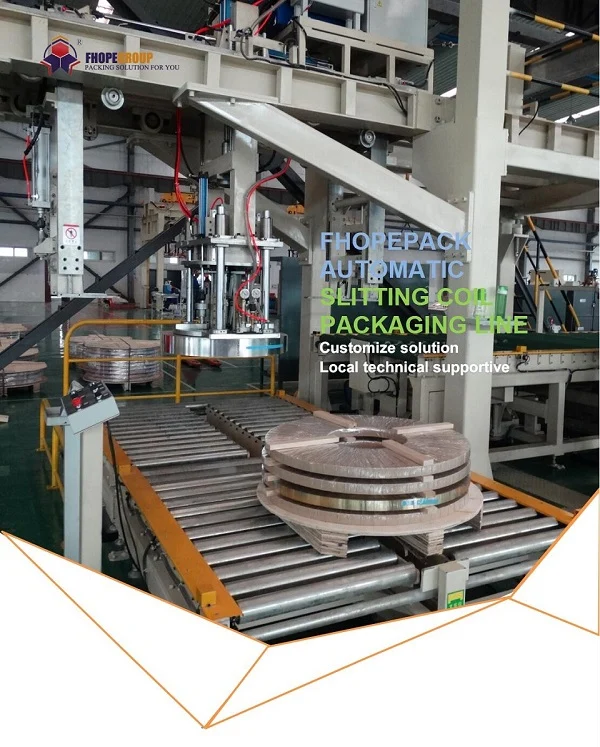
When I founded FHOPEPACK, my vision was to provide more than just equipment. I wanted to offer complete solutions and build long-term partnerships. I know from my own experience running a factory that trust and support are as important as the technology itself. A steel mill is a complex operation. Its packing solution must fit perfectly into that system.
- Seamless Integration and Turnkey Projects: A reliable solution is not a stand-alone machine. It is a complete system. This system must integrate smoothly with your existing production lines. It includes everything from coil handling (like coil cars and conveyors) to automatic strapping, wrapping, and labeling. A good supplier offers a turnkey project. This means they manage the entire process. This includes design, manufacturing, installation, and commissioning. It makes the transition to automation easy for the plant.
- High Reliability and Durability for 24/7 Operation: Steel mills run continuously, often for two shifts, 24 hours a day. The packing line must also be able to handle this demanding schedule. It needs industrial-grade components. These parts must withstand heavy use and harsh environments. This ensures minimal downtime. It guarantees consistent output day after day. Directors like Ivan demand machines that are built to last and “just work.”
- Flexibility for Diverse Coil Specifications: Egyptian steel mills produce many different types of coils. They vary in internal diameter, external diameter, weight (1-3 tons), and material. A reliable system must adapt to these changes easily. It should allow quick adjustments for different coil sizes. It needs to handle various packing materials. This flexibility is essential for plants with diverse product offerings.
- Comprehensive After-Sales Support and Training: The best solution comes with strong support after the sale. This includes thorough training for your operators and maintenance staff. It ensures they know how to run and care for the equipment. The supplier must also provide quick access to spare parts. They need to offer fast technical support when issues arise. This partnership approach is critical for maximizing the lifespan and performance of your investment.
- Long-Term Cost-Effectiveness and Return on Investment (ROI): The initial cost of automation can be significant. But a reliable system offers substantial long-term savings. These savings come from reduced labor, less material waste, and fewer quality control issues. The increased production capacity and higher customer satisfaction also boost profits. This means the investment pays for itself over time. It provides a strong return on investment.
Conclusion
Automation is essential for modern Egyptian steel plants. It solves key challenges in efficiency, safety, and consistent quality. Investing in a robust coil packing line provides a clear path to higher performance and global competitiveness. This strategic choice protects products, secures future growth, and establishes long-term success.








