
Coil Packing Line in Azerbaijan: Is Automation Key to Higher Productivity?
The steel industry in Azerbaijan, like many across the globe, faces a critical question: how do we keep pace with growing demands and fierce international competition? Many plant managers I speak with feel the pressure. They see their production lines churning out high-quality steel, but then the packing stage becomes a bottleneck. Manual processes often slow things down, leading to frustration and lost opportunities. This problem is not unique. It is a challenge for many, from smaller local mills to large export-focused operations.
Automation is absolutely key to achieving higher productivity in Azerbaijan’s steel industry. A full automatic coil packing line directly addresses the core challenges of efficiency, quality, safety, and labor shortages, making it an essential upgrade for any modern steel plant aiming for sustained growth and global competitiveness.

It is clear that the traditional ways of packing coils are no longer enough. The market demands more. Customers expect better. So, if you are grappling with these challenges, just like many others I have helped, keep reading. We will explore how automation can change your operations for the better.
Why Are Traditional Coil Packing Methods Falling Short in Azerbaijan?
Imagine a busy steel plant in Azerbaijan. Hundreds of tons of steel coils move through every day. Now, picture the packing area. Are workers manually strapping coils? Are they struggling with heavy lifting? This scene is common, but it is also a major problem. Traditional methods, though familiar, are becoming a weak link in the production chain. They cannot keep up with modern demands.
Traditional coil packing methods fall short because they are slow, inconsistent, risky, and expensive in the long run. They create bottlenecks, lead to variable product quality, and put workers in harm’s way, directly impacting a plant’s ability to compete and grow.
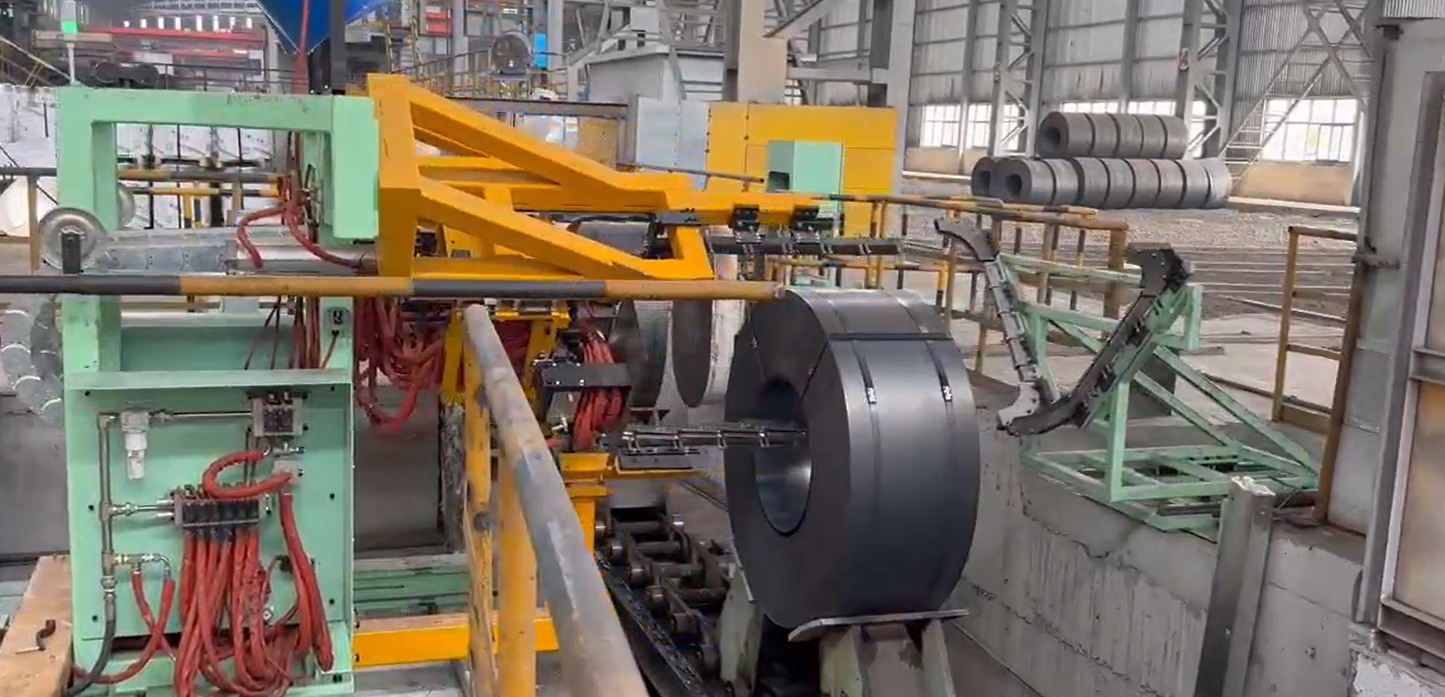
From my experience, going from an employee to building FHOPEPACK, I have seen these problems firsthand. I remember the early days when we relied heavily on manual labor. It worked, but it was far from perfect. Modern steel plants, especially those in dynamic markets like Azerbaijan, need solutions that prevent these common pitfalls. Let’s look at why old methods are failing.
1. Inconsistent Quality and Customer Complaints 📉
Manual packing relies on human effort. This means the quality can vary a lot.
- Uneven Strap Tension: Workers might not pull straps with the same force every time. This leads to loose packing. Coils can shift during transport. This causes damage.
- Poor Moisture Protection: Manual wrapping can leave gaps. It might not seal properly. This lets moisture in. Rust and scratches become a big problem. For export customers, like those needing CE/ISO certification, this is unacceptable.
- Missing Details: Applying labels or barcodes by hand is slow. It can lead to errors. Customers need precise information for their inventory.
2. High Labor Costs and Safety Risks ⚠️
Manual packing is labor-intensive. It means more people are needed for a task that machinery could do better.
- Labor Shortage: The work is hard and repetitive. Young workers often do not want these jobs. This leads to high turnover. It makes it hard to find enough skilled staff.
- Increased Accidents: Lifting heavy coils or working around moving machinery is dangerous. Manual handling of coils leads to more accidents. This means injuries. It means higher insurance costs. It also means production delays.
- High Operational Costs: Paying wages for many workers adds up. Training new staff is also an expense. These costs impact the overall profit margin. It makes the steel plant less competitive.
3. Inefficient Production Flow and Bottlenecks 🐢
Manual packing slows down the entire production line.
- Slow Processing Speed: Each coil takes time to pack by hand. This creates a bottleneck. The fast-moving production line has to wait.
- Product Diversification Issues: Steel plants produce many types of coils: cold-rolled, galvanized, color-coated. Each type has different packing needs. Switching between these manually is slow. It needs re-adjustment. This eats up valuable production time.
- Limited Throughput: When you rely on human speed, you have a limit. It is hard to increase output quickly. This means lost opportunities when demand is high.
These issues directly impact profitability and market standing. They highlight the urgent need for a more robust and modern approach to coil packing.
How Does a Full Automatic Coil Packing Line Transform Operations?
Once we understand the problems with old methods, the solution becomes clear. A full automatic coil packing line is not just a collection of machines. It is a complete system. It integrates different stages of packing into one smooth, continuous flow. This transforms how a steel plant operates. It moves beyond simple machines to a holistic solution. My mission at FHOPEPACK is to share knowledge. I want to help you see the bigger picture.
A full automatic coil packing line transforms operations by integrating flipping, wrapping, strapping, and labeling into a seamless, high-speed process. This leads to consistent quality, significantly increased output, and greatly reduced manual intervention, making the entire packing stage efficient and reliable.
When I first started building my own factory, I understood this need deeply. We designed systems that talked to each other. This was not just about making one machine work faster. It was about making the entire line more productive. It removes the guesswork. It puts control back into the hands of the operators. Let’s look at how it achieves this.
1. Seamless Integration of Packing Stages 🔄
An automatic line connects every step. There is no waiting. There is no manual transfer between machines.
- Automated Coil Handling: Coils are moved, flipped, and positioned automatically. This removes the need for forklifts or overhead cranes in the packing area. It speeds up the process. It also makes it much safer.
- Integrated Wrapping & Strapping: The system automatically wraps coils with protective film. Then, it straps them tightly with PET or steel bands. These steps happen one after another. They follow a preset program. This ensures every coil is packed the same way.
- Automatic Labeling & Stacking: Labels with specific customer information or barcodes are applied automatically. Some systems even include automatic stacking or palletizing. This prepares coils for immediate storage or shipment.
2. Enhanced Speed and Throughput 🚀
Automation works fast and without breaks.
- Continuous Operation: Unlike human workers who need rests, machines can run 24/7. This is perfect for two-shift production environments in Azerbaijan. It keeps the steel moving.
- Faster Cycle Times: Each packing step is optimized for speed. This means a coil goes from the production line to being fully packed much quicker. It increases the overall output of the plant.
- Reduced Bottlenecks: The packing line keeps pace with the production line. This prevents backlogs. It ensures that finished products move out efficiently.
3. Precision and Consistency in Every Pack ✨
Machines follow exact commands. This means every pack is perfect.
- Precise Film Tension: The wrapping machine applies film with consistent tension. This provides maximum protection against moisture and scratches.
- Uniform Strapping: Automatic strapping machines apply straps with controlled force. This ensures coils are held securely. They will not loosen during transport.
- Adaptability for Different Coils: The system can quickly adjust to different coil sizes and weights. It handles varying inner and outer diameters. It packs coils from 1 to 3 tons with ease. This saves time and reduces errors.
By embracing an automatic coil packing line, steel plants move from managing problems to managing growth. This changes their entire outlook.
What Specific Advantages Does Automation Offer Steel Plants in Azerbaijan?
For a steel plant in Azerbaijan, deciding to automate is a big step. It is an investment. So, what are the real, measurable benefits? Why should a plant manager, like Ivan, prioritize this? From my time building FHOPEPACK, I have seen how these advantages translate into real business success. It is not just about having new machines. It is about a better way of working.
Automation offers steel plants in Azerbaijan specific advantages such as significant cost reduction through optimized labor and material use, enhanced worker safety by replacing manual tasks, superior and consistent product quality meeting export standards, and increased production continuity, all contributing to a stronger market position.
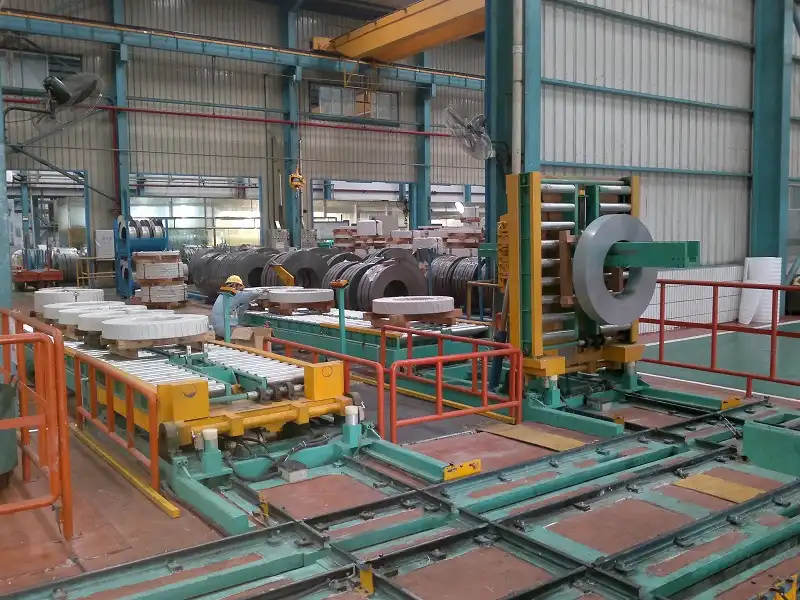
These benefits directly address the challenges that modern steel plants face. They help plants in Azerbaijan meet global standards. They make them more competitive. They prepare them for future growth. Let’s dive into the core advantages.
1. Cost Reduction and Efficiency Gains 💰
Automation helps save money in many ways. It makes every part of the packing process more efficient.
- Reduced Labor Costs: One of the biggest savings comes from needing fewer workers for packing. Machines can do the work of several people. This addresses labor shortages directly. It also lowers overall wage expenses.
- Optimized Material Use: Automated systems use packing materials more precisely. They minimize waste. This means less stretch film, strapping, or wrapping paper is used per coil. Over time, these savings add up to a lot.
- Lower Energy Consumption: Modern automated machines are often designed to be energy efficient. They use less power than older, less optimized systems. This helps reduce operating costs.
2. Enhanced Worker Safety and Better Conditions ✅
Safety is paramount. Automation removes workers from dangerous situations.
- Minimized Manual Handling: Workers no longer need to manually lift or move heavy coils. This greatly reduces the risk of back injuries, crush injuries, and other accidents.
- Reduced Repetitive Strain: Tasks like manual strapping or wrapping cause strain. Automation eliminates these repetitive motions. This improves worker health and morale.
- Safer Work Environment: A structured, automated environment is predictable. It has fewer human errors. This leads to a safer workplace overall. It aligns with modern safety standards.
3. Superior Packing Quality and Compliance 📈
Quality is what makes customers happy. It also meets export demands.
- Consistent, High-Quality Packaging: Every coil gets the same high level of protection. This means uniform film tension, secure strapping, and proper sealing. It protects against rust, moisture, and scratches during transit.
- Meeting Export Standards: Automation makes it easier to meet strict international standards like CE or ISO certifications. It ensures precise barcode application and moisture protection. This is vital for exporting products from Azerbaijan.
- Reduced Customer Complaints: When coils arrive in perfect condition, customers are happy. This reduces returns. It means fewer claims for damaged goods. This builds a strong reputation for the steel plant.
4. Increased Production Continuity and Adaptability ⚙️
Automation keeps the line moving. It also makes it flexible.
- 24/7 Operation Capability: Machines do not get tired. They can run continuously. This maximizes uptime and production output. It is crucial for high-volume plants.
- Quick Adaptation to Product Changes: Automated systems can be reprogrammed quickly. They adjust to different coil sizes, weights, or packing requirements. This makes switching between product lines seamless.
- Future-Proofing Operations: Investing in automation prepares the plant for future growth. It allows for scaling up production. It integrates with other smart factory technologies. This keeps the plant competitive for years to come.
These advantages show that automation is not just an expense. It is a strategic investment. It pays for itself through efficiency, safety, and quality.
Choosing the Right Partner: What to Look for in an Automation Provider?
Investing in an automatic coil packing line is a significant decision. It is not just about buying a machine. It is about choosing a partner who can deliver a complete solution. This partner needs to understand your specific needs. They must also be able to support you long-term. From my own journey, I know how important it is to find the right people to work with. I built FHOPEPACK on this principle: providing deep knowledge and support.
Choosing the right automation partner involves looking beyond just the equipment. You need a provider with deep industry expertise, a proven track record for customized solutions, robust after-sales support including training and spare parts, and a commitment to a long-term collaborative relationship to ensure your project’s success and sustained productivity.

When clients reach out to FHOPEPACK, they are looking for more than a product. They are looking for a trusted advisor. This is especially true for complex projects like integrating a full packing line in a steel plant in Azerbaijan. Here are the key things to consider when picking your partner.
1. Proven Expertise and Industry Understanding 🧠
You need a partner who knows the steel industry. They must understand its unique challenges.
- Deep Technical Knowledge: The provider should have extensive experience in packing machine design and engineering. They must understand coil handling, wrapping, and strapping technologies.
- Industry-Specific Solutions: Look for a company that has worked with steel plants before. They should know about different coil types, weights, and environmental conditions. This ensures they can design a solution that truly fits your needs.
- Case Studies and References: Ask for examples of similar projects. Talk to their existing clients. This helps you confirm their capabilities and reliability.
2. Customization and Turnkey Project Capability 🛠️
Every steel plant is different. Your packing line needs to fit your specific setup.
- Tailored Solutions: The partner should be able to design a system that integrates seamlessly with your existing production line. It must match your output, space, and specific packing requirements (e.g., PET vs. steel strapping, different film types).
- Turnkey Project Management: Look for a provider who can manage the entire project. This means everything from initial design to manufacturing, installation, commissioning, and final testing. This reduces your burden. It ensures a smooth transition.
- Flexibility and Scalability: The solution should be flexible. It needs to adapt to future changes in product mix or production volume. It should allow for future upgrades or expansions.
3. Robust After-Sales Support and Training 🤝
Installation is just the beginning. Ongoing support is crucial for long-term success.
- Comprehensive Training: Your staff needs to know how to operate and maintain the new system. The partner should provide thorough training for your operators and maintenance teams.
- Spare Parts Availability: Downtime is costly. A reliable partner ensures quick access to spare parts. This minimizes potential delays.
- Technical Support and Maintenance: Look for clear channels for technical support. This includes remote assistance and on-site service. Regular maintenance can prevent issues before they occur.
4. Commitment to Long-Term Partnership 🌱
You are looking for a relationship, not just a transaction.
- Trust and Reliability: The partner should demonstrate integrity and transparency. They must be committed to your success beyond the initial sale.
- Continuous Improvement: A good partner will stay updated with new technologies. They will offer ways to further optimize your packing process over time.
- Communication and Collaboration: Clear communication is vital. The partner should listen to your needs. They should work with you to find the best solutions.
By focusing on these factors, you can find a partner who helps you achieve lasting productivity and success with your automatic coil packing line in Azerbaijan.
Conclusion
Automation is not just an option for steel plants in Azerbaijan. It is a necessity. It drives higher productivity, improves safety, and delivers consistent quality. By investing in a well-designed coil packing line and partnering with an expert provider, plants can overcome traditional challenges. This positions them for sustained growth and success in a competitive global market.








