
Coil Packing Line Azerbaijan: What Features Matter Most in Supplier Choice?
Are you a production director in an Azerbaijani steel mill, constantly battling with inefficient coil packaging, labor shortages, and inconsistent quality? I know the struggle. I have seen how these issues can hurt your bottom line, cause customer complaints, and delay critical shipments. You understand that a coil packing line is not just about machines. It is about keeping your operations smooth and profitable.
When selecting a supplier for your coil packing line in Azerbaijan, the most crucial features revolve around system reliability, adaptability to diverse products, robust safety measures, and a commitment to long-term partnership. These elements ensure your investment delivers consistent performance, meets international export standards, and secures your operational future.
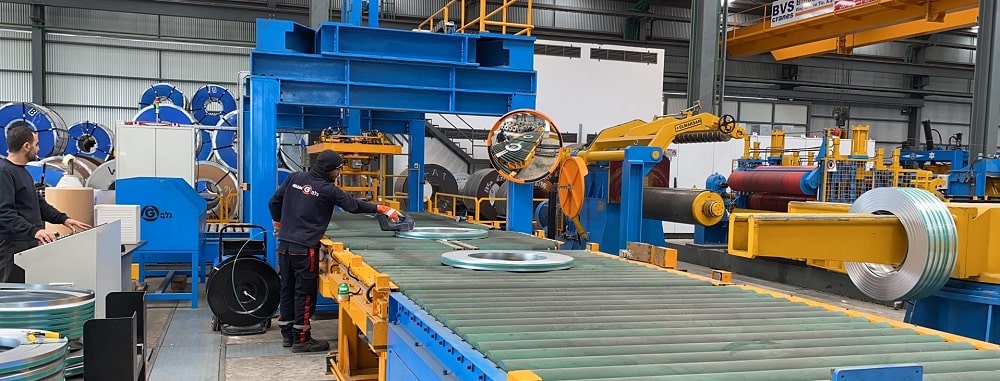
Finding the right packing solution for your steel coils is a big decision. It impacts everything, from your daily output to your client relationships. So, what exactly should you look for when choosing a partner for this vital part of your business? Let’s dive into the core features that really matter.
How Does Proven Technology Ensure 24/7 Production in Azerbaijan’s Steel Mills?
Are your current coil packing processes frequently breaking down, leading to costly downtime and missed deadlines? I hear this concern a lot from steel mill managers. In a 24/7 operation, any interruption in the packing line can snowball into huge losses. You need equipment that runs without fail, day in and day out.
Proven technology ensures 24/7 production by relying on robust engineering, high-quality components, and a track record of performance in demanding industrial settings. This kind of technology minimizes unexpected failures and reduces the need for frequent maintenance, which is crucial for continuous operations in Azerbaijani steel mills.
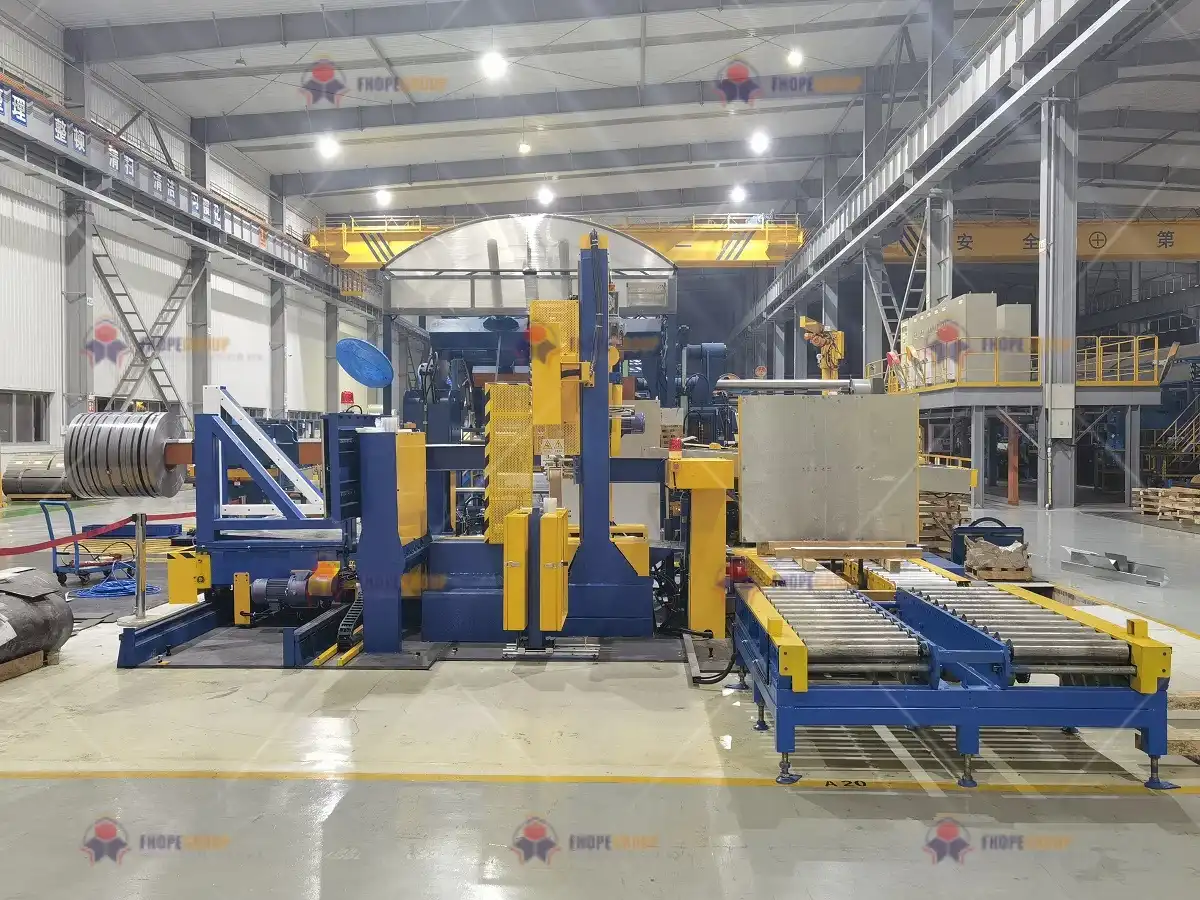
When I started FHOPEPACK, I knew that reliability was the number one thing. I learned this from my years on the factory floor. Machines must work. This is especially true for steel mills in Azerbaijan that run two or even three shifts every day. A supplier who offers proven technology gives you peace of mind. They use designs and parts that have already shown their strength in real-world use. This means less worry about breakdowns and more focus on your production targets.
1. Robust Design and Construction
A packing line needs to be built like a tank. It needs to withstand heavy use, dusty environments, and constant vibration. This starts with the materials used and the engineering principles applied. For example, I always look for heavy-duty steel frames and industrial-grade components.
- Frame Structure: Is it made from thick, reinforced steel profiles? This prevents warping and instability over time, even with heavy coils moving through the line. A strong frame reduces wear and tear on moving parts.
- Bearing Systems: Are the bearings oversized and sealed against dust and moisture? Bearings are critical for any rotating part. High-quality bearings last longer and require less maintenance. This means your line keeps moving smoothly.
- Motor and Gearbox Selection: Are they industrial-grade, from reputable brands? These components power the entire system. Choosing reliable motors and gearboxes is not a place to cut costs. They ensure consistent power delivery and reduce the risk of unexpected stops.
2. High-Quality Components and Standardization
The quality of individual parts directly affects the whole system’s performance. A good supplier uses components from well-known manufacturers. This is important for many reasons.
- Electrical Systems: Does the supplier use standard, globally available electrical components (PLCs, sensors, drives)? This makes troubleshooting easier and spare parts more accessible. When a sensor fails, you want to replace it quickly, not wait weeks for a custom part.
- Pneumatic and Hydraulic Parts: Are cylinders, valves, and pumps from established brands? These systems control movement and pressure. High-quality parts prevent leaks and ensure precise actions. This precision is key for consistent packing quality.
- Wear Parts: Are wear parts designed for easy replacement? Think about cutting blades for film or strapping. These parts will wear out. A good design allows for quick changes, minimizing downtime for maintenance.
3. Track Record and References
Talking to other customers is often the best way to verify a supplier’s claims about reliability. A supplier with a long history and happy clients is a strong candidate.
- Installation Base: How many similar lines has the supplier installed, especially in demanding environments like steel mills? A large installation base shows experience and expertise.
- Customer Testimonials: Can the supplier provide references from other steel manufacturers, maybe even in nearby regions? Hearing directly from other users about their experience with uptime and support is invaluable.
- Certifications: Does the equipment meet international standards like CE or ISO? These certifications show that the product design and manufacturing process meet strict quality requirements. This is especially important for export markets. I always made sure FHOPEPACK machines met these tough standards.
What Automation Levels Truly Handle Diverse Coil Types and Export Standards?
Are you struggling to efficiently pack a mix of cold-rolled, galvanized, and color-coated coils, all with different packaging demands? This is a common headache for many production managers. Manual changes between coil types slow everything down. Plus, export clients have very specific quality and labeling needs.
High levels of automation in a coil packing line truly handle diverse coil types and meet export standards by offering flexible machine settings, automated material handling, and integrated quality control systems. This allows for quick, pre-programmed adjustments between different coil dimensions and packing recipes, ensuring consistent quality and compliance for international shipments.

From my experience, the biggest challenge after reliability is flexibility. Your steel mill produces a range of products. Each coil type—cold-rolled, galvanized, or color-coated—has its own unique requirements for protection. Then you have export clients who demand perfect packaging, often with special certifications and barcodes. An advanced automated line can manage all of this with ease. It removes the human error element and speeds up the entire process.
1. Adaptive Mechanical Design
A truly versatile packing line must adapt to physical variations in coil size and weight without significant manual intervention. This adaptability is built into the machine’s design.
- Adjustable Components: Does the machine feature automatically adjustable guides, coil centering devices, or strapping heads? These allow the system to quickly reconfigure for different coil diameters, widths, and weights (e.g., 1-3 tons). Manual adjustments are time-consuming and prone to error.
- Multi-Directional Handling: Can the line handle coils arriving in different orientations (eye-horizontal or eye-vertical) or rotate them as needed? Features like coil tilters and turning devices are essential for flexible processing and ensuring the correct packing position.
- Modular Design: Is the system built with a modular approach? This means you can add or remove specific packing stations as your needs evolve. For example, you might add a new wrapping unit later. A modular design allows for future upgrades and greater flexibility.
2. Smart Control Systems and Recipes
The brain of the packing line is its control system. A sophisticated control system makes it easy to switch between different packing requirements.
- PLC-Based Control: Does the system use a powerful Programmable Logic Controller (PLC) with an intuitive Human-Machine Interface (HMI)? This allows operators to easily select different packing programs.
- Recipe Management: Can the operator store and recall pre-set “recipes” for various coil types? A recipe would define parameters like film layers, strapping tension, number of straps, and labeling information for cold-rolled, galvanized, or color-coated coils. This makes switching fast and accurate.
- Sensor Integration: Does the system use advanced sensors to detect coil dimensions and automatically apply the correct settings? This removes guesswork and ensures precise packing every time. Sensors can also check for packing quality.
3. Integrated Packaging Solutions for Export Standards
Meeting export standards means more than just wrapping a coil. It involves specific materials, protection levels, and traceability.
- Multi-Material Application: Can the line apply different packaging materials like PET strapping, steel strapping, stretch film, shrink film, and VCI paper? Combining these materials provides optimal protection against moisture, rust, and scratches. For example, a good line can apply VCI paper, then wrap with stretch film, and finally strap with steel bands.
- Automatic Labeling and Barcoding: Is there an integrated system for automatically printing and applying labels with barcodes? This is critical for inventory management and meeting traceability requirements for international clients (CE/ISO).
- Consistent Tension Control: Does the wrapping unit maintain consistent film tension? Uneven tension leads to loose packaging, which can cause damage during transport. Precise tension control ensures that the film protects the coil throughout its journey. I’ve seen firsthand how a well-wrapped coil prevents damage claims.
Why is a Full-Scale Automated Solution More Than Just a Machine for Steel Coils?
Are your current manual or semi-automated packing processes leading to worker injuries, high labor costs, and inconsistent output? Many steel mills face challenges with labor shortages and the high physical demands of packing steel coils. It’s not just about getting a machine, but about transforming the entire process.
A full-scale automated coil packing line is more than just a machine because it integrates multiple processes, reduces human intervention, and inherently improves safety, efficiency, and overall operational continuity. It replaces hazardous manual tasks, optimizes labor allocation, and ensures a consistent, high-quality output for your steel coils, making it a strategic investment rather than a mere equipment purchase.
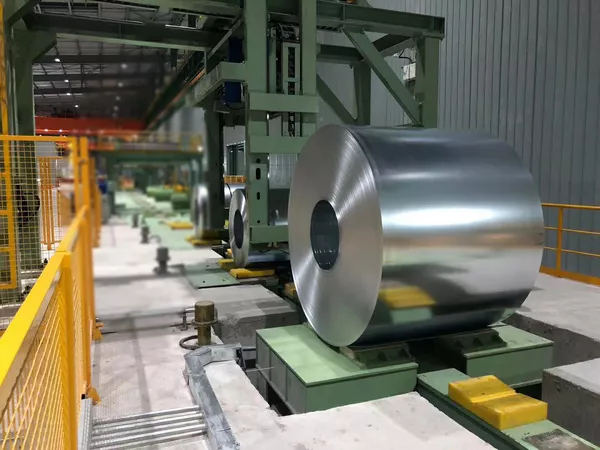
When I talk about a “solution,” I mean a complete system. It is not just one machine that straps or wraps. It is an entire line that handles the coil from the moment it leaves the slitting line until it is ready for shipment. This holistic approach brings immense benefits, especially in terms of safety and cost. The financial independence I achieved was partly because I understood the value of full automation for business growth. It helps clients grow their businesses by making their operations safer and more efficient.
1. Enhanced Safety for Workers
Manual handling of heavy steel coils is one of the most dangerous tasks in a steel mill. Automation removes workers from harm’s way.
- Elimination of Manual Lifting and Turning: Automated systems use conveyors, tilters, and transfer cars to move and orient coils. This removes the need for forklifts or cranes to manually lift and turn coils, which are high-risk operations. It dramatically reduces the chance of crush injuries or strains.
- Reduced Interaction with Moving Parts: In a fully enclosed or guarded automated line, operators interact less with the active packing machinery. Safety interlocks and light curtains ensure that the line stops if a person enters a dangerous zone. This keeps workers safe during operation.
- Ergonomic Benefits: Even tasks that remain for human operators are made easier. For example, an automated system can present a coil at an ergonomic height for final inspection or labeling if needed. This reduces repetitive strain injuries over time.
2. Significant Reduction in Labor Costs and Dependence
Labor is a major operational cost. Automation helps you optimize your workforce.
- Fewer Operators Required: A fully automated line can often be run by one or two operators supervising, instead of a team of several workers manually strapping, wrapping, and labeling. This frees up skilled labor for other, more complex tasks in the mill.
- Mitigation of Labor Shortage Issues: In regions like Azerbaijan, finding young workers willing to do physically demanding jobs can be tough. Automation addresses this directly by reducing the need for manual, high-intensity labor. It ensures your packing operations continue, even with a smaller workforce.
- Consistent Output Regardless of Worker Fatigue: Machines do not get tired. They maintain the same speed and quality throughout the shift, unlike human operators whose efficiency can drop over time. This leads to more predictable and higher-quality output.
3. Optimization of Overall Production Flow and Costs
An integrated automated solution looks at the bigger picture, not just individual packing steps.
- Seamless Integration with Upstream/Downstream Processes: The packing line should connect smoothly with your slitting or cold rolling lines and your warehousing/loading areas. This eliminates bottlenecks and ensures a continuous flow of material. I always emphasize designing a system that works as a single unit.
- Reduced Material Waste: Automated systems apply packaging materials with precision. They minimize over-application of film or strapping, which reduces material costs. They also prevent damage to coils, meaning fewer re-packs or scrapped products.
- Energy Efficiency: Modern automated systems are often designed with energy-saving features. For example, motors might enter a standby mode when not actively working. This contributes to lower operating costs over the long term.
Beyond the Machine: What Defines a Trusted Partner for Your Coil Packing Line Investment?
Are you looking for more than just equipment? Do you need a supplier who will stand by you, offering support and expertise long after the sale? For an investment as significant as a coil packing line, especially in a critical market like Azerbaijan, the supplier’s commitment matters just as much as the machine itself.
A trusted partner for your coil packing line investment extends beyond the physical equipment, providing comprehensive support that includes expert consultation, a “turnkey” project approach, robust after-sales service, readily available spare parts, and continuous technical training. This long-term relationship ensures your system operates at peak performance, adapts to future needs, and maximizes your return on investment.

When I built FHOPEPACK, I knew that the true value we offered was not just the machines. It was the knowledge and support behind them. For a major investment like a coil packing line in Azerbaijan, you are not just buying steel and electronics. You are buying a relationship. You need a partner who understands your business, can deliver a complete solution, and will be there for you for years to come. This commitment defines a truly trusted partner.
1. Expertise and Consultative Approach
A good supplier acts as a consultant, not just a seller. They should understand your specific needs and challenges.
- Industry Knowledge: Does the supplier have deep experience in the steel industry? They should understand the nuances of cold-rolled, galvanized, and color-coated coils. They should know the common issues faced by steel mills. This means they can offer relevant solutions.
- Needs Assessment: Does the supplier take the time to thoroughly understand your production volume, coil dimensions, desired packing styles, and existing facility layout? A “one-size-fits-all” approach rarely works. Customization based on a detailed assessment is key.
- Solution Design: Can they propose a tailored solution that addresses your unique challenges, such as product diversity or specific export requirements? They should not just sell you a standard machine. They should design a system that fits your operation perfectly.
2. Turnkey Project Capability
Implementing a complex packing line is a project in itself. A “turnkey” supplier handles everything from start to finish.
- Comprehensive Project Management: Does the supplier manage the entire project, including design, manufacturing, installation, and commissioning? This reduces your workload and ensures all aspects are coordinated. You should not have to manage multiple vendors.
- Site Preparation Guidance: Can they provide guidance on necessary site preparation, such as floor planning, power supply requirements, and air pressure lines? This ensures that your facility is ready for the new equipment.
- Integration with Existing Systems: How well can the new packing line integrate with your existing production lines or ERP systems? A good supplier considers this from the beginning to ensure a seamless workflow.
3. Robust After-Sales Support and Spare Parts
Even the best machines need service. What happens after the installation? This is where a true partner stands out.
- Local or Regional Service Presence: Does the supplier have service engineers available in or near Azerbaijan? Quick response times are critical for minimizing downtime. Waiting weeks for an international technician is not acceptable.
- Preventative Maintenance Programs: Do they offer preventative maintenance plans to keep your machine running optimally and prevent costly breakdowns? Regular checks and service extend the life of your equipment.
- Guaranteed Spare Parts Availability: Can they guarantee the availability of spare parts, especially wear and tear components, for the long term? Knowing you can get parts quickly is essential for continuous operation. I always made sure FHOPEPACK maintained a strong inventory.
4. Training and Documentation
Your team needs to know how to operate and maintain the new system.
- Operator Training: Do they provide thorough training for your operators on how to use the new system safely and efficiently? Well-trained operators can prevent mistakes and maximize output.
- Maintenance Training: Is training also offered for your maintenance staff on how to perform routine maintenance, troubleshoot common issues, and replace parts? This empowers your team to handle minor problems in-house.
- Comprehensive Manuals: Are detailed operation and maintenance manuals provided, preferably in multiple languages? Clear documentation is a valuable resource for your team.
Conclusion
Choosing a coil packing line supplier for your Azerbaijani steel mill means looking beyond just the machine. Focus on proven reliability, adaptability to diverse products, strong safety features, and a supplier who offers long-term partnership. These elements ensure your coil packing line investment drives efficiency, enhances safety, and supports your business growth for years to come.








