
Choosing Between Leading Horizontal Orbital Wrapper Brands for Panel Product Packaging: What Should You Look For?
Are you a factory manager, like many I know, struggling with slow packaging lines and high labor costs? Maybe your current process for steel coils or wire bundles relies too much on people. This often leads to big delays. It also causes safety problems. You might even see your products get damaged before they leave the factory. These issues cut into your profits and make your customers unhappy.
Choosing the right horizontal orbital wrapper is key to fixing these problems for panel products and other long items. The best machine will boost your output, protect your workers, and reduce product damage. It will also help you save money in the long run.

So, how do you pick the right machine when there are so many choices? How can you tell if a supplier truly understands your needs? I built FHOPEPACK to share what I have learned over the years. I want to help you make smart choices. Let us look deeper into what matters most.
How Do You Identify an Orbital Wrapper That Really Boosts Your Production Efficiency?
Is your current packaging line a bottleneck? Are you using too many people to wrap your steel coils or wire bundles? This problem slows everything down. It also increases your costs. This inefficiency can stop you from meeting your delivery times. It can also hurt your reputation with customers.
An orbital wrapper that truly boosts efficiency will automate your end-of-line packaging. It will drastically reduce manual labor and speed up your overall production flow. Look for machines with high wrapping speeds and seamless integration into existing lines.

Optimizing Throughput with Advanced Automation
When I first started in the packing machine industry, I saw many factories struggling with manual processes. They were slow. They also had high costs. This is why automation is so important. A good horizontal orbital wrapper does more than just wrap. It helps your whole production line move faster. It takes a slow, manual task and makes it quick and automatic.
You need to look at a few things. First, how fast does the machine wrap? A high rotations-per-minute (RPM) is good. This means it can wrap many items quickly. Second, how well does it fit into your current setup? A machine that needs a lot of changes to your line might cause more problems than it solves. You want one that can be easily added. Third, think about its reliability. A machine that often breaks down will not help your efficiency. It will hurt it.
- Speed and Cycle Time: A faster machine means more products wrapped per hour. Look for specifications on wrapping speed. It should be able to handle your peak production demands. Do not just look at the maximum speed. Also consider the average speed it can maintain during a shift.
- Integration Capabilities: Can the wrapper connect with your other machines? Does it work with your conveyors or material handling systems? A good machine will fit smoothly into your existing setup. It will not create new bottlenecks. This reduces the need for manual transfers between stations.
- Automatic Features: Look for features that minimize human input. This could be automatic film clamping and cutting. It could also be automatic product feeding and discharge. The more automatic features, the less labor you need. This also means fewer human errors. This translates to higher overall efficiency.
- Durability for Heavy Use: Your factory works hard. You need equipment that can keep up. The machine must be built strong. It must handle the weight and size of your products. It must also handle the demands of continuous operation. This means less downtime for repairs. Less downtime means more production.
| Feature Area | Key Considerations for Efficiency | Benefit for Your Factory |
|---|---|---|
| Wrapping Speed | High RPM, adjustable for different product types | Faster output, meets production targets |
| Automation Level | Auto film feed, cut, clamp; auto product in/out | Reduces labor costs, minimizes human error, consistent wrapping quality |
| System Integration | Compatibility with existing conveyor systems, smart factory protocols | Smooth workflow, fewer bottlenecks, better data tracking |
| Durability | Heavy-duty construction, industrial-grade components | Less downtime, lower maintenance costs, long machine lifespan |
I learned that efficiency is not just about speed. It is about how well everything works together. When I built my own factory, I focused on this. I wanted systems that were robust and easy to use. This made a big difference in our bottom line. It allowed us to produce more with fewer problems. This is the kind of thinking I want to share with you.
What Makes an Orbital Wrapper Truly Safe for Your Workers and Your Operations?
Are your workers still handling heavy steel coils or bundles by hand? This is incredibly dangerous. It puts your employees at high risk of injury. Workplace accidents lead to high insurance costs. They also cause employee turnover. Nobody wants their team members to get hurt. Ensuring safety is a top priority for any good factory manager.
A safe horizontal orbital wrapper minimizes direct human interaction with heavy or moving parts. It will feature clear safety guards, emergency stops, and automated processes. These features reduce the risk of accidents and create a much safer work environment.
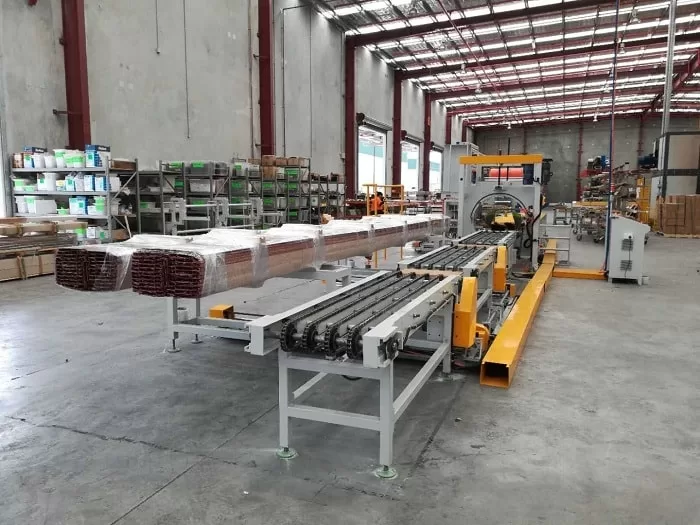
Building a Safer Workplace with Smart Machine Design
Safety is not just a rule. It is a responsibility. In my career, I have seen too many injuries from manual handling of heavy items. That is why I always prioritize safety in machine design. When you are looking at orbital wrappers, think about how they protect your people. A good machine reduces the need for workers to be near moving parts or heavy loads.
Think about the design. Does it have robust safety fencing? Are there clear emergency stop buttons? Does the machine prevent unauthorized access during operation? These are not small details. They are vital. A safe machine makes your workplace better for everyone. It lowers the risk of accidents. It also helps you save on insurance and keeps your valuable employees working.
- Reduced Manual Handling: The primary safety benefit is automation. The machine does the heavy lifting and wrapping. This removes people from dangerous situations. It is especially important for large, heavy, or awkwardly shaped products like steel coils or panels. Less manual handling means fewer strains, sprains, and crush injuries.
- Integrated Safety Features: Look for built-in safety mechanisms. This includes light curtains, safety interlocks on doors, and multiple emergency stop buttons placed in easy-to-reach locations. These features stop the machine immediately if a person or foreign object enters a danger zone. This prevents serious accidents.
- Ergonomic Design: Even with automation, some interaction might be needed. Consider how easy it is for operators to load film, perform maintenance, or clear minor jams. Is the design intuitive? Does it minimize awkward postures or reaching? Good ergonomics contributes to long-term worker health and safety.
- Compliance with Standards: Does the machine meet international safety standards (like CE or UL certifications)? This shows the manufacturer has put safety at the forefront of their design. It means the machine has been tested and meets specific safety requirements. This offers you peace of mind.
| Safety Feature | Description | Impact on Worker Safety |
|---|---|---|
| Emergency Stop Buttons | Easily accessible buttons that immediately shut down the machine. | Prevents ongoing danger during an unexpected event. |
| Safety Light Curtains | Sensors that detect when a person enters a defined area and stop the machine. | Protects operators from moving parts by stopping operation. |
| Interlocked Guards | Doors or panels that, when opened, automatically stop the machine. | Ensures machine cannot operate with open access to moving parts. |
| Automatic Film Change | System that reduces manual handling of sharp film blades or heavy rolls. | Lowers risk of cuts and strain injuries during film changes. |
| Warning Alarms/Lights | Visual and audible signals for machine startup or faults. | Alerts nearby personnel to potential hazards. |
My experience running a factory taught me that investing in safety pays off. It protects your team. It also creates a more positive work environment. People work better when they feel safe. This leads to higher productivity. It also means less employee turnover. This is a win-win for everyone.
Can the Right Orbital Wrapper Seriously Reduce Your Product Damage and Returns?
Are your products getting damaged during internal transport or packaging? Things like scuffed edges on steel coils or dents on panels can lead to big problems. Customers will complain. You will have to deal with returns. This costs you money. It also harms your brand reputation. You work hard to make good products. You do not want them ruined at the last step.
A good horizontal orbital wrapper provides consistent, secure, and protective packaging. This dramatically reduces product damage during handling and shipping. It ensures your products arrive at your customer’s site in perfect condition. This boosts customer satisfaction and cuts down on costly returns.

Ensuring Product Integrity from Factory to Customer
Product quality is vital. It is not just about making a good product. It is also about how it arrives at your customer’s door. I have seen how much money is lost because of damaged goods. This happens during transit. It often starts with poor packaging. An orbital wrapper is a shield for your product. It protects against scrapes, dents, and environmental damage.
Consider the type of film it uses. Is it strong enough? Can it resist punctures? Also, how does the machine apply the film? Does it wrap tightly and evenly? A loose wrap offers little protection. An uneven wrap can leave parts exposed. The goal is to create a secure, protective layer around your product. This ensures it looks as good when it arrives as it did when it left your factory.
- Consistent Wrap Tension: The machine should apply film with consistent tension. This creates a tight, secure package. It prevents the product from shifting inside the wrap. This consistent tension is vital for protecting edges and surfaces from impacts during handling and transport.
- Full Coverage: A good orbital wrapper ensures the entire product surface is covered. This means no exposed areas where damage can occur. For long products like panels or coils, this means wrapping along the entire length. Some machines can even apply multiple layers for extra protection.
- Film Type Versatility: The wrapper should handle different types of stretch film. You might need a heavier gauge film for very abrasive products. You might need a UV-resistant film for outdoor storage. The ability to choose the right film for the job adds a layer of protection. It ensures optimal packaging for varied product needs.
- Reduced Handling Damage: Automation means less human contact with the product. Each time a human touches a product, there is a chance of damage. An automated wrapper reduces these touch points. This significantly cuts down on scuffs, dents, and other handling-related damage.
- Environmental Protection: Packaging is not just for physical protection. It also guards against dust, moisture, and other environmental factors. A good wrap creates a barrier. This is especially important for materials that can rust or corrode. It helps keep your products pristine, regardless of storage conditions.
| Damage Risk | How Orbital Wrapper Mitigates Risk | Benefit for Your Business |
|---|---|---|
| Scratches/Scuffs | Uniform film application, tight wrap, full surface coverage | Products arrive visually perfect, higher customer satisfaction |
| Dents/Impacts | Multiple film layers (optional), strong protective barrier | Reduces costly repairs or returns of damaged goods |
| Moisture/Dust Exposure | Sealed wrap creates a barrier against environmental elements | Preserves product integrity, prevents corrosion/contamination |
| Shifting During Transit | High wrap tension, secure bundling prevents movement inside package | Less risk of internal damage from product self-impact |
| Human Handling Errors | Automated process reduces manual touchpoints and associated risks | Fewer instances of dropped or mishandled items |
When I started FHOPEPACK, I saw a clear need for machines that not only wrapped but also protected. Protecting your product is protecting your profit. It builds trust with your customers. It shows them you care about quality all the way to their door. This is how you build a strong business.
How Do You Find a Reliable Orbital Wrapper Supplier You Can Actually Trust?
Have you ever bought equipment only to be let down by the supplier later? Maybe they were great at selling. But when you needed service or parts, they disappeared. This creates a big trust problem. You need a partner who understands your production challenges. You want someone who can offer real solutions. You need more than just a seller.
Finding a reliable orbital wrapper supplier means looking for a long-term partner, not just a vendor. Seek out companies with deep industry knowledge, a track record of excellent after-sales support, and a clear understanding of your specific operational needs, like FHOPEPACK.

Building Trust: Beyond the Sale
This point is very important to me. I started my career as an employee. Then I built my own factory. I know what it is like to be on both sides. I have worked with many suppliers. Some were good. Some were not. This is why I built FHOPEPACK with a strong focus on knowledge sharing. I want to be a partner, not just a seller.
A true partner listens to your problems. They understand your industry. They offer solutions that fit your specific needs. They do not just push the most expensive machine. They offer advice. They provide strong support after the sale. This includes training, spare parts, and quick service. A good supplier is there for you long after the machine is installed. This trust is built over time. It is based on reliability and real understanding of your business.
- Industry Expertise: Does the supplier understand your specific industry? Do they know about steel coils, wire, or panel products? Look for a supplier with hands-on experience. They should understand your production bottlenecks, safety concerns, and quality needs. This deep knowledge helps them recommend the right machine for your unique situation.
- After-Sales Support and Service: A machine is only as good as the support behind it. Ask about their warranty. Ask about their spare parts availability. What about their technical support? Do they offer training for your staff? A reliable supplier provides quick and effective support when you need it most. Downtime costs money. Good service minimizes it.
- Proven Track Record and References: Do not just take their word for it. Look for testimonials. Ask for references from other customers. A supplier with a long history of successful installations and happy clients is a good sign. This shows they deliver on their promises.
- Focus on Solutions, Not Just Sales: A trustworthy supplier will ask about your challenges. They will want to know your goals. They will not just try to sell you the most expensive model. They will work with you to find the best solution for your Return on Investment (ROI). They should be able to explain how their machine will solve your specific problems, like reducing labor or preventing damage.
- Transparent Communication: A good partner communicates clearly and honestly. They explain the machine’s capabilities and its limitations. They are upfront about costs. They also give realistic timelines. This builds a foundation of trust. It ensures there are no surprises down the road.
| Trust Factor | What to Look For in a Supplier | Why It Matters to You |
|---|---|---|
| Specialized Experience | Deep understanding of your product type (e.g., metal, panel) and industry. | Supplier offers relevant, tailored solutions, not generic ones. |
| Service & Parts Network | Quick access to spare parts, local technicians, strong support team. | Minimizes costly downtime, ensures machine longevity. |
| Customer References | Willingness to provide contacts for past clients with similar needs. | Verifies supplier’s claims and service quality from real users. |
| Consultative Approach | Asks about your problems first, then offers solutions; not pushy. | Ensures you get the right machine that truly solves your specific issues. |
| Long-Term Partnership | Interest in ongoing relationship, not just a one-time sale. | Provides continuous support, future upgrades, and reliable advice. |
My journey from factory employee to factory owner showed me the real value of good partnerships. It is not just about the machine itself. It is about the support, the knowledge, and the trust. FHOPEPACK is built on these principles. I want to help you succeed, just as others helped me.
Conclusion
Choosing the right horizontal orbital wrapper is crucial for your factory’s success. It boosts efficiency, enhances safety, and protects your products. Partner with a supplier who truly understands your needs. This will help you achieve your goals and grow your business.








