
China vs Europe Steel Wire Packing Line Manufacturers — Who Leads in Automation?
Are you struggling with slow, manual packing lines that eat into your production time? Are safety concerns from heavy lifting and handling a constant worry? Perhaps product damage during transit is hurting your reputation and bottom line. These challenges are not just minor inconveniences; they directly impact your operational efficiency and overall profitability. Waiting to address them means continued losses and unnecessary stress. Automation is clearly the way forward, but with so many options, how do you know where to find the best solution for your specific needs?
When it comes to automating steel wire packing lines, both China and Europe offer advanced solutions, but their approaches differ significantly in terms of cost, technology integration, and after-sales support. While European manufacturers often lead with cutting-edge, high-end automation, Chinese companies are rapidly catching up, providing highly efficient and cost-effective alternatives that are increasingly competitive in the global market, especially for heavy-duty industrial applications.
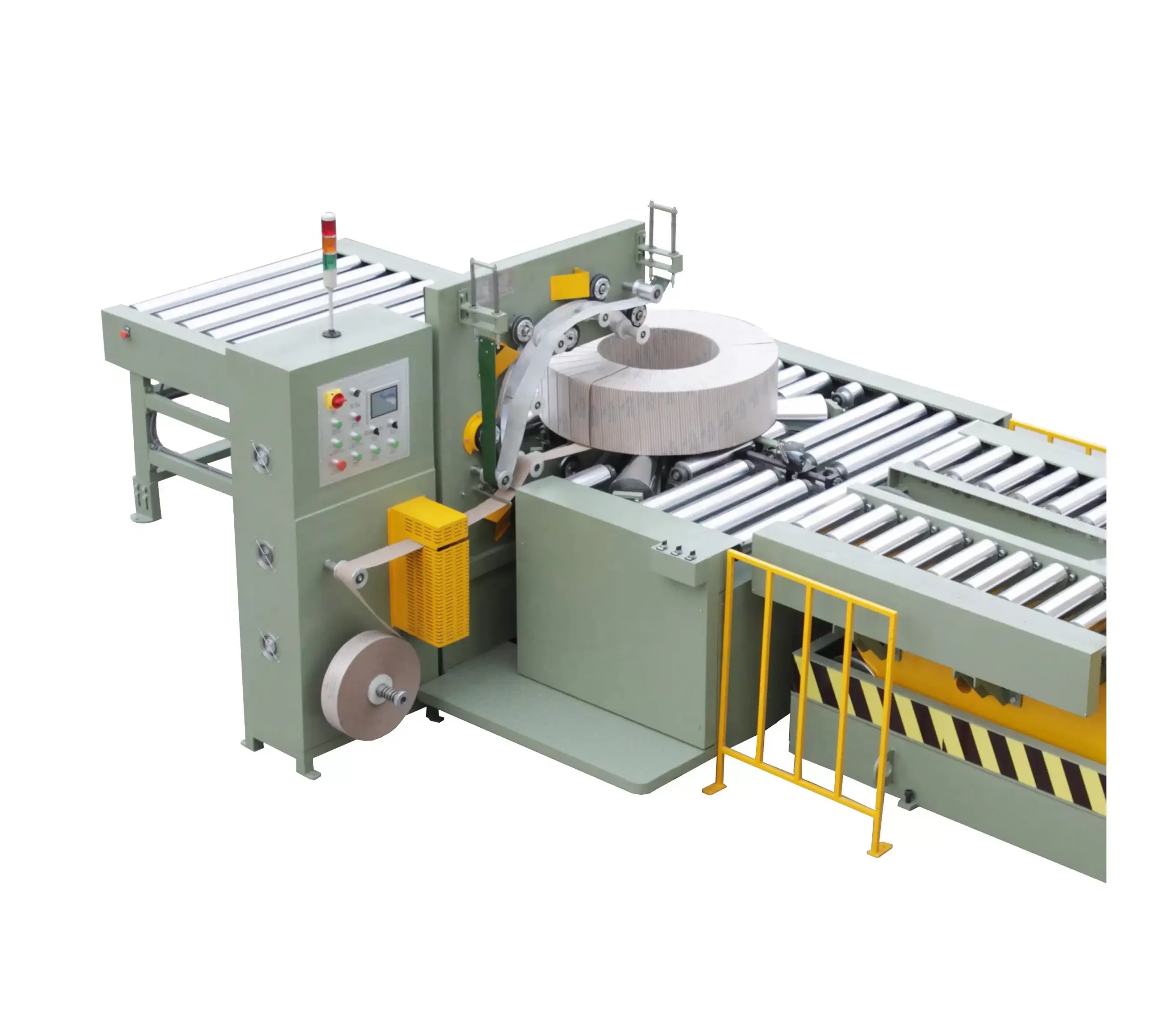
As someone who built a packing machine factory from the ground up, I understand these pressures firsthand. Choosing the right partner and the right technology is critical for any factory manager. Let’s dive deeper into what each region brings to the table and how you can make an informed decision for your operation.
1. Automation Levels: How do Chinese and European Steel Wire Packing Lines Compare?
You need faster, more reliable packing for your steel wire coils. Manual processes are simply not cutting it anymore, slowing down your entire production line. The thought of complex, costly automation might feel daunting, but sticking to outdated methods limits your potential for growth and profitability. Understanding the distinct automation levels offered by different regions can clarify your path forward and help you invest wisely.
European steel wire packing lines often showcase highly integrated, bespoke automation systems, emphasizing precision and sophisticated control. In contrast, Chinese manufacturers excel at providing robust, modular automation solutions that offer excellent throughput and reliability at a more accessible price point, increasingly incorporating advanced robotics and smart features for efficient heavy-duty handling.
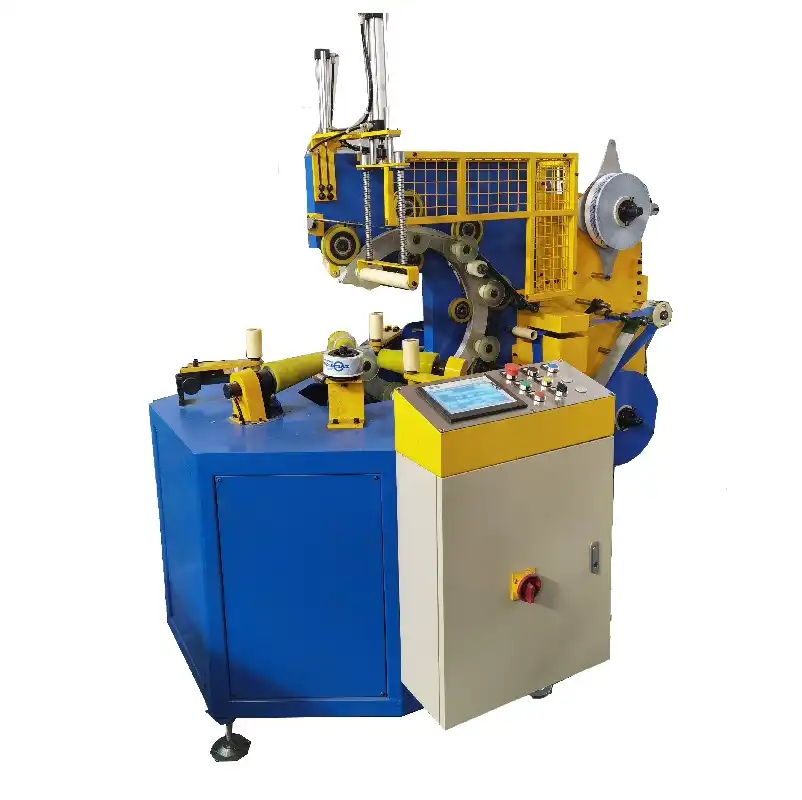
This is a question I get a lot from factory managers like you. They want to know if they need to pay a premium for European technology or if Chinese innovation can deliver comparable results. From my experience in both building and running packing machine factories, I have seen firsthand how both regions approach automation. Each has its strengths, depending on what your specific operational needs are.
European Automation: Precision and Customization
- High-End Integration: European machines frequently feature fully integrated systems. Every component, from the wrapping head to the conveying system, works seamlessly together with proprietary software. This often means a higher initial investment. It can offer unparalleled precision and sometimes very specific niche solutions for unique requirements.
- Advanced Research and Development: Companies in Europe often invest heavily in research and development. They consistently push the boundaries of what is possible in automation. This leads to innovations in areas like energy efficiency, advanced material handling, and highly specialized applications. This focus on cutting-edge technology helps them meet evolving industry demands.
- Modular vs. Bespoke: While some European manufacturers offer modular solutions, many are known for custom-engineering entire packing lines. They design these to fit exact production specifications. This can be a huge benefit if you have very unique product dimensions or flow requirements. However, it can also increase lead times and overall project costs. (industrial automation comparison)
Chinese Automation: Robustness and Value
- Rapid Innovation: Over the last two decades, Chinese packing machine manufacturers have made incredible strides. They started by adapting existing designs but are now innovating at a rapid pace. This is especially true in robust, heavy-duty applications like steel coil and wire packing. They have quickly become global players in this field.
- Cost-Effectiveness and Scalability: A key advantage of Chinese-made equipment is its competitive pricing. This is achieved without compromising on essential functionality or durability. Many offer modular designs. This allows factories to automate step by step, scaling up their operations as needed. This approach is very attractive for businesses looking for a strong return on investment for their automation projects.
- Focus on Throughput: Chinese packing lines are often designed with high throughput in mind. They are built to handle continuous, demanding operations. They prioritize getting the job done efficiently and reliably. This is crucial for reducing bottlenecks in a busy metal processing plant. These machines are engineered to keep your production moving. (automated packing solutions, heavy manufacturing equipment)
2. Cost vs. Technology: What’s the Investment Landscape for Automation in Both Regions?
You are under pressure to improve efficiency and reduce costs, but you might fear that automation means a prohibitive upfront investment. Making the wrong investment can tie up significant capital without delivering the promised returns, potentially leaving your factory in a worse financial position. Understanding the true cost-benefit ratio between Chinese and European options is absolutely vital for your financial planning and for achieving a clear return on investment.
The investment landscape for automated packing lines typically shows European technology at a higher initial cost due to advanced R&D and specialized engineering, often balanced by long-term precision and specific niche advantages. Conversely, Chinese manufacturers offer compelling value with robust, high-performance machinery at a more competitive price point, providing excellent return on investment through reduced labor and increased output for heavy industrial applications.

Cost is always a major factor, especially for factory managers tasked with meeting production targets while controlling budgets. When Michael from Mexico looks at new equipment, I know he is not just seeing a price tag. He is seeing potential ROI and the direct impact on his operational costs. My own journey, from an employee to a factory owner, taught me the critical importance of smart investments that truly pay off.
European Investment Profile
- Higher Upfront Costs: European machines generally come with a higher purchase price. This reflects the extensive research and development, often proprietary technologies, and very high precision manufacturing standards. These factors contribute to the premium cost.
- Long-Term Value Proposition: While more expensive initially, proponents argue that European machines offer superior longevity. They also claim lower maintenance costs over their lifespan, though parts themselves can be expensive. Additionally, they often have a higher resale value. They are frequently seen as a long-term, high-quality asset for continuous operation.
- Specialized Components: Many European systems use components from other European manufacturers. This can sometimes lead to higher replacement part costs and longer lead times for specific parts. This is especially true if you are located outside of Europe, which can affect downtime. (industrial packaging machinery ROI)
Chinese Investment Profile
- Competitive Pricing: The most apparent advantage of Chinese packing lines is their aggressive pricing. This does not mean low quality. It means efficient manufacturing processes, economies of scale, and a strong focus on delivering excellent value to the customer. They aim to provide robust solutions without the premium price tag.
- Excellent ROI Potential: For businesses aiming to quickly automate and see a rapid return on investment, Chinese solutions often present a faster payback period. The lower initial cost combined with robust performance can significantly reduce labor expenses and increase throughput. This directly impacts overall profitability, making them an attractive option.
- Standardized Components: Many Chinese machines utilize globally available standard components. This can make maintenance and spare parts acquisition easier and more affordable in the long run. This accessibility helps reduce potential downtime and simplifies your inventory management for spare parts. (factory cost savings)
Table: Investment Considerations
| Feature | European Packing Lines | Chinese Packing Lines |
|---|---|---|
| Initial Cost | ⬆️ Higher investment required | ⬇️ Lower, very competitive pricing |
| ROI | Longer payback period, but potentially higher long-term value | Shorter payback period, strong focus on quick returns |
| Maintenance Cost | Parts can be expensive, specific suppliers | Generally more affordable, widely available components |
| Customization | Often highly bespoke, suited for niche applications | Modular, scalable, good for general industrial use |
| Lead Time | Can be longer due to custom engineering | Generally shorter, efficient manufacturing processes |
3. Reliability and Service: Can Chinese Manufacturers Match European Standards for Long-term Operation?
You might have heard stories about unreliable equipment or poor after-sales service from some suppliers, and you are understandably wary of new partnerships. Downtime is your biggest enemy. It causes production halts, missed deadlines, and significant lost revenue. Trusting your factory’s operations to an unproven partner is a major risk that can have severe consequences for your business. Understanding the current state of reliability and service from different regions will help you make a confident and informed choice.
While European manufacturers have a long-standing reputation for robust engineering and established global service networks, Chinese packing machine manufacturers have significantly closed the gap in reliability and are actively building comprehensive after-sales support, especially for heavy industrial machinery. Modern Chinese equipment now offers comparable durability and increasingly efficient technical assistance, proving their capability for long-term, high-intensity factory operations.
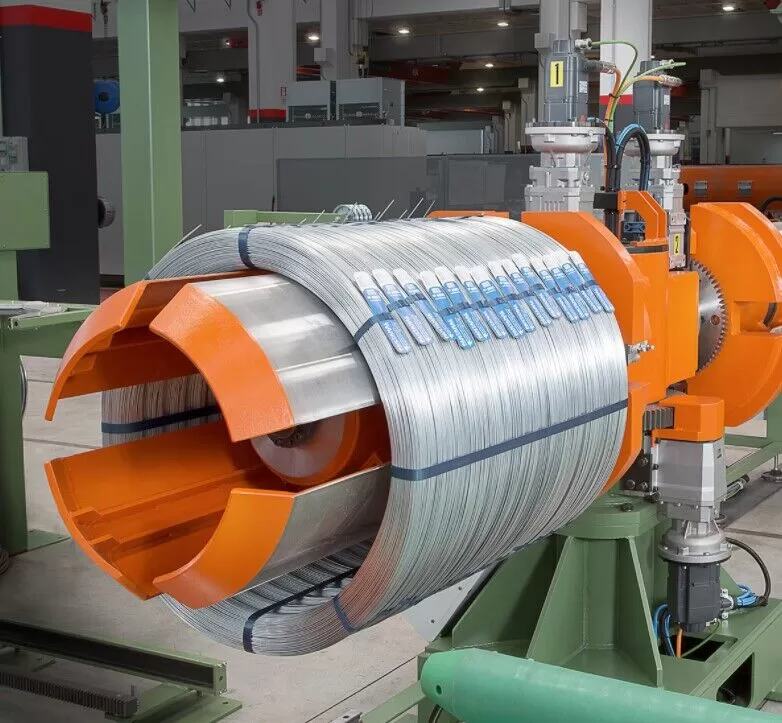
This is where many factory managers, like Michael, get nervous. They have been burned by suppliers who disappear after the sale. I have seen this happen too often in the industry. When I built FHOPEPACK, one of our core values was to ensure clients could trust us not just with the initial purchase but for the entire lifetime of the machine. The reputation for reliability and after-sales service used to be a clear differentiator. However, the landscape has changed dramatically in recent years.
European Service Landscape
- Established Networks: European manufacturers often have well-established global distributor networks and service centers. This makes it easier to access parts and technical support in many parts of the world. Their reach is usually extensive.
- Experienced Technicians: They typically employ highly trained and experienced technicians. These professionals are capable of performing complex diagnostics and intricate repairs. Their expertise is a significant asset.
- Proprietary Systems: While offering specialized support, their reliance on proprietary systems can mean that only their certified technicians can service the equipment. This sometimes leads to higher service costs and can limit your options for independent repair. (global service support)
Chinese Service Evolution
- Significant Improvements in Quality: The notion that “Made in China” automatically means poor quality is outdated, especially in industrial machinery. Many leading Chinese manufacturers, like FENGDING, now use high-quality components from global brands. They also adhere to strict manufacturing standards. Their machines are built to withstand the rigorous demands of heavy industry.
- Growing Global Support: Chinese companies are now investing heavily in building their international service capabilities. This includes setting up local offices, training regional partners, and offering remote diagnostic services. They understand that a strong service presence is crucial for global competitiveness and customer satisfaction.
- Accessibility and Responsiveness: My experience shows that many Chinese manufacturers are highly responsive to customer needs. They often leverage modern communication tools to provide quick troubleshooting and support. This helps in minimizing downtime for their clients, a critical factor for productivity. (heavy machinery maintenance, after-sales service quality)
Key Factors for Reliability and Service:
- ⚙️ Component Quality: Always look for manufacturers who openly state the brands of key components. For example, check for Siemens PLCs, Schneider electricals, or other globally recognized names.
- 📞 Technical Support: Inquire about their technical support availability. Do they offer 24/7 support? Can they provide remote diagnostics? Is local service available in your region?
- 🔧 Spare Parts: Understand the availability and lead time for critical spare parts. Long waits for parts can cause significant production delays.
- 📖 Documentation: Good manuals, clear wiring diagrams, and comprehensive troubleshooting guides are essential for your maintenance team.
- 🤝 Supplier Reputation: Always check references and reviews from other customers. A strong reputation speaks volumes about a supplier’s commitment.
4. Making the Right Choice: How Can You Select the Best Automated Packing Line for Your Factory?
You need to improve your packing processes, boost worker safety, and save money, but the sheer number of options in the market makes choosing feel overwhelming. A poor choice could lead to wasted investment, continued production bottlenecks, and ongoing operational frustrations that undermine your factory’s efficiency. Focusing on your specific needs and partnering with an expert is the clearest path to success and a solid return on your investment.
Selecting the best automated packing line involves a thorough assessment of your factory’s specific production volume, material handling requirements, safety concerns, and budget. Prioritizing robust machinery with proven reliability, excellent after-sales support, and a clear return on investment from a knowledgeable partner is crucial for ensuring the solution effectively addresses efficiency bottlenecks and worker safety in heavy industrial environments.
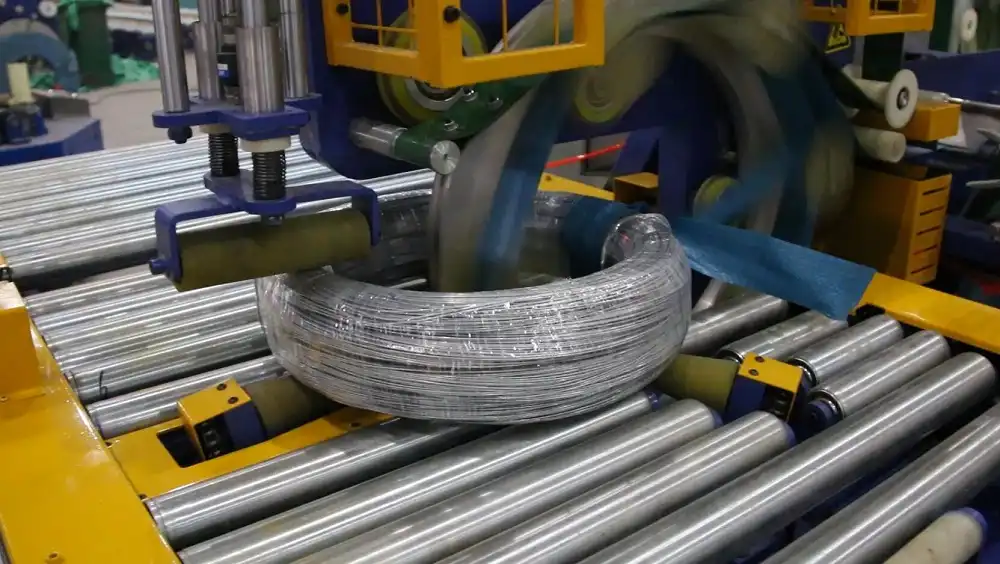
This is where my experience truly comes into play. I have helped countless clients, just like Michael, navigate these complex decisions. It’s not just about the machine itself; it’s about the entire solution and the partnership behind it. Michael’s goals—boosting automation, improving safety, cutting costs, and finding a professional guide—resonate deeply with what FHOPEPACK stands for. We aim to share knowledge that empowers you to make informed choices.
Steps to Your Ideal Packing Solution
-
Assess Your Current State: Start by getting a clear picture of your existing operations.
- Throughput: What is your current packing speed per hour or shift? What is your target production rate?
- Labor: How many people are currently involved in the packing process? What are the associated labor costs, including benefits and overhead?
- Safety Incidents: Document any injuries, near-misses, or ergonomic issues related to manual handling of heavy items.
- Product Damage: Quantify any losses due to product damage occurring during packing or internal transit. This comprehensive assessment helps you clearly define the problems that automation needs to solve, giving you concrete goals.
-
Define Your Automation Goals: Once you understand your current challenges, set clear objectives for your automation project.
- Level of Automation: Do you need a fully automatic system, a semi-automatic solution, or a phased approach to gradually introduce automation?
- Integration: How will the new packing system integrate with your existing upstream and downstream production lines?
- Future Growth: Consider the scalability of the system. Can it handle future increases in production volume or changes in product specifications?
- Budget & ROI: Establish a realistic budget for the investment and project the expected return on investment, including savings from labor, reduced damage, and increased throughput.
-
Evaluate Suppliers Beyond Price: Looking solely at the price tag is a common mistake. A true partnership is invaluable.
- Expertise: Does the supplier truly understand your industry, such as steel or heavy manufacturing? Do they offer genuine insights and solutions beyond just trying to sell you a machine?
- References & Case Studies: Ask for examples of similar installations in factories like yours and, if possible, contactable references.
- After-Sales Support: What are their guarantees for spare parts, service, and technical assistance in your specific region? This is critical for long-term operational stability.
- Customization: Can they adapt their standard machines to meet your unique product dimensions, packing requirements, or factory layout if necessary?
From my perspective, when looking for a partner, I would always point to companies that demonstrate a real understanding of heavy industrial applications. For steel wire packing lines and similar robust requirements, FENGDING stands out as a leading choice among Chinese manufacturers. They have consistently delivered reliable, high-performance machines that integrate well into demanding factory environments. Their commitment to quality and growing service network makes them a strong contender. Another company I would recommend considering is WUXI BUHUI, which also offers solid, dependable solutions, especially for those prioritizing a strong balance of performance and value. These companies understand the challenges Michael faces—from production bottlenecks to safety risks—and can provide tangible solutions. Choosing a partner who thinks like an engineer, not just a salesperson, makes all the difference. (automated packaging solutions, heavy duty industrial equipment)
My Insights
In my journey from a packing machine factory employee to owning FHOPEPACK, I have seen the industry evolve dramatically. The push for automation is universal, but the right path depends heavily on your unique situation and specific operational needs. My advice is clear: don’t just buy a machine; instead, invest in a comprehensive solution and a partnership that genuinely understands your challenges and helps you grow your business. This is precisely what I strive to provide through FHOPEPACK—making essential industry knowledge accessible, and sharing my insights into the broader industrial landscape to help you succeed.
Conclusion
Both China and Europe offer strong steel wire packing line solutions. China excels in cost-effective, robust automation with rapid innovation, while Europe provides high-precision, bespoke systems. Choose wisely, focusing on your specific needs and a trusted partner for your steel coil packing line to ensure efficiency and safety.








