
Can Slit Coil Packing Lines Strengthen Safety Standards in Italian Factories?
Imagine a busy steel factory in Italy. The air buzzes with activity. Workers move steel coils, often heavy and sharp. This scene carries a hidden danger. Manual packing processes, while common, expose workers to significant risks every day. We need to ask: are these risks truly necessary? Is there a better, safer way to handle these valuable products as they leave the production line?
Yes, slit coil packing lines can greatly strengthen safety standards in Italian factories. They do this by replacing dangerous manual tasks with automated processes. This change reduces direct human interaction with heavy coils and sharp edges, making the workplace much safer for everyone.

This shift is not just about avoiding accidents. It is also about boosting efficiency, ensuring consistent product quality, and meeting strict global standards. Let us explore how automated systems bring these vital benefits to Italian manufacturing. We will see how these changes can transform a factory’s safety culture and its bottom line.
How Do Manual Packing Risks Harm Italian Factory Workers?
Think about the daily work in a factory. Heavy steel coils move around. Workers must secure them for transport. This often means hands-on tasks. But this reliance on manual effort creates serious dangers. It puts workers in harm’s way every single shift. What specific risks do these workers face?
Manual packing in Italian factories poses many risks to workers. These include crushing injuries from heavy coils, cuts from sharp edges, and muscle strains from repetitive lifting and bending. These common problems lead to injuries, lost work time, and higher costs for businesses.

When I first started in the packing machine industry, working on the factory floor, I saw these dangers firsthand. I watched people struggle with heavy steel. I saw how easily accidents could happen. This experience shaped my mission at FHOPEPACK. It made me determined to find safer, more efficient ways to pack. We must protect our most valuable asset: our workers. Manual processes are simply too risky for the modern factory environment. They cause a range of problems.
-
Direct Physical Injuries:
- Crushing Hazards: Steel coils are very heavy. A coil weighing one to three tons, like those Ivan handles, can easily crush a worker if it slips or is handled improperly. Manual loading or re-positioning increases this risk.
- Cuts and Lacerations: The edges of slit coils are sharp. Workers often handle strapping, apply protective layers, or tie down coils. This direct contact can lead to deep cuts, even with gloves.
- Pinch Points: Moving parts, strapping tools, and the coils themselves create many pinch points. Fingers or limbs can get caught, leading to severe injuries.
-
Ergonomic and Long-Term Health Issues:
- Musculoskeletal Disorders (MSDs): Repetitive motions, heavy lifting, bending, and twisting are common in manual packing. Over time, these actions cause chronic back pain, joint issues, and other MSDs. This leads to long-term disability and reduced quality of life for workers.
- Fatigue: Manual packing is physically demanding work. Long shifts increase worker fatigue. Tired workers are more likely to make mistakes. These mistakes can cause accidents.
- Heat Stress: Working in hot factory environments, combined with strenuous physical activity, can lead to heat exhaustion or heatstroke.
-
Impact on Workforce and Operations:
- High Employee Turnover: Dangerous and physically demanding jobs often have high turnover rates. Young workers, like those Ivan mentioned, look for safer, less strenuous work. This means factories constantly train new staff. It also means losing experienced workers.
- Inconsistent Quality: When people are tired or rushed, the quality of their work suffers. Straps might be too loose. Wrapping might be uneven. This leads to damaged goods, customer complaints, and costly returns.
- Increased Costs: Worker injuries mean medical bills, compensation claims, and legal fees. Lost workdays reduce productivity. All these factors add up. They significantly increase a factory’s operating costs.
These problems show why manual packing is unsustainable. It harms both workers and the business.
Can Automated Slit Coil Lines Remove Human Risk Factors?
When we look at the dangers of manual packing, the question becomes clear: How can we protect workers better? The answer lies in technology. Automated systems are designed to take over the most hazardous tasks. But how exactly do these machines make the workplace safer?
Yes, automated slit coil packing lines significantly remove human risk factors. They do this by automating heavy lifting, precise positioning, and dangerous strapping and wrapping tasks. This keeps workers away from moving machinery and heavy coils, thereby preventing direct contact injuries.

My experience building FHOPEPACK has shown me the power of automation. From simple machines to complex packing lines, the core benefit is always the same: we protect people. We replace human hands in dangerous spots with precise, tireless machines. This makes a huge difference. It changes the entire safety profile of a packing workshop. Automated systems address the core challenges Ivan faces, such as labor shortages and safety concerns. They offer a comprehensive solution.
-
Minimizing Direct Human Contact with Coils:
- Automatic Coil Handling: Automated systems use conveyors, turnstiles, and robotic arms to move coils. This means workers do not need to lift, push, or manually guide heavy, unstable coils. The risk of crushing injuries drops dramatically.
- Precise Positioning: Sensors and automated guides ensure coils are perfectly aligned for strapping and wrapping. Workers do not need to get close to position coils manually. This avoids pinch points and collision risks.
-
Automating High-Risk Packing Tasks:
- Automatic Strapping: Machines apply PET or steel straps with consistent tension. Workers no longer need to handle sharp strapping tools or stretch material by hand. This eliminates cuts, strain injuries, and the danger of snapping straps.
- Automatic Wrapping: Stretch or shrink wrapping machines encase coils without human intervention. This removes the risk of workers getting entangled in machinery or suffering ergonomic strain from manual wrapping.
- Automatic Labeling: Automated label applicators place barcodes and shipping information accurately. This prevents workers from leaning over coils or working in awkward positions, further reducing risk.
-
Enhanced Overall Safety Environment:
- Guardrails and Safety Sensors: Automated lines include physical barriers and advanced safety sensors. These detect human presence and stop machines immediately if a worker enters a danger zone.
- Reduced Fatigue and Error: Since machines perform repetitive, strenuous tasks, human operators are free from physical strain. This reduces fatigue. It also lowers the chance of errors that could lead to accidents.
- Controlled Environment: The entire packing process becomes more predictable and controlled. This reduces the element of human unpredictability that often contributes to accidents.
Automated slit coil packing lines are not just about making things faster. They are about making things fundamentally safer. They change the workflow so that human workers can supervise and manage, rather than perform dangerous manual labor.
Do Automated Systems Improve Overall Factory Compliance and Quality in Italy?
Beyond direct safety, factory operations have many other needs. Compliance with industry standards and consistent product quality are vital. When we talk about automation, does it only help with safety? Or does it also improve how a factory meets rules and delivers high-quality goods, especially in demanding markets like Italy?
Yes, automated systems significantly improve overall factory compliance and quality in Italy. They ensure consistent packing standards, which helps meet international certifications like CE/ISO. They also deliver uniform product protection, reducing damage during transit and limiting customer complaints.
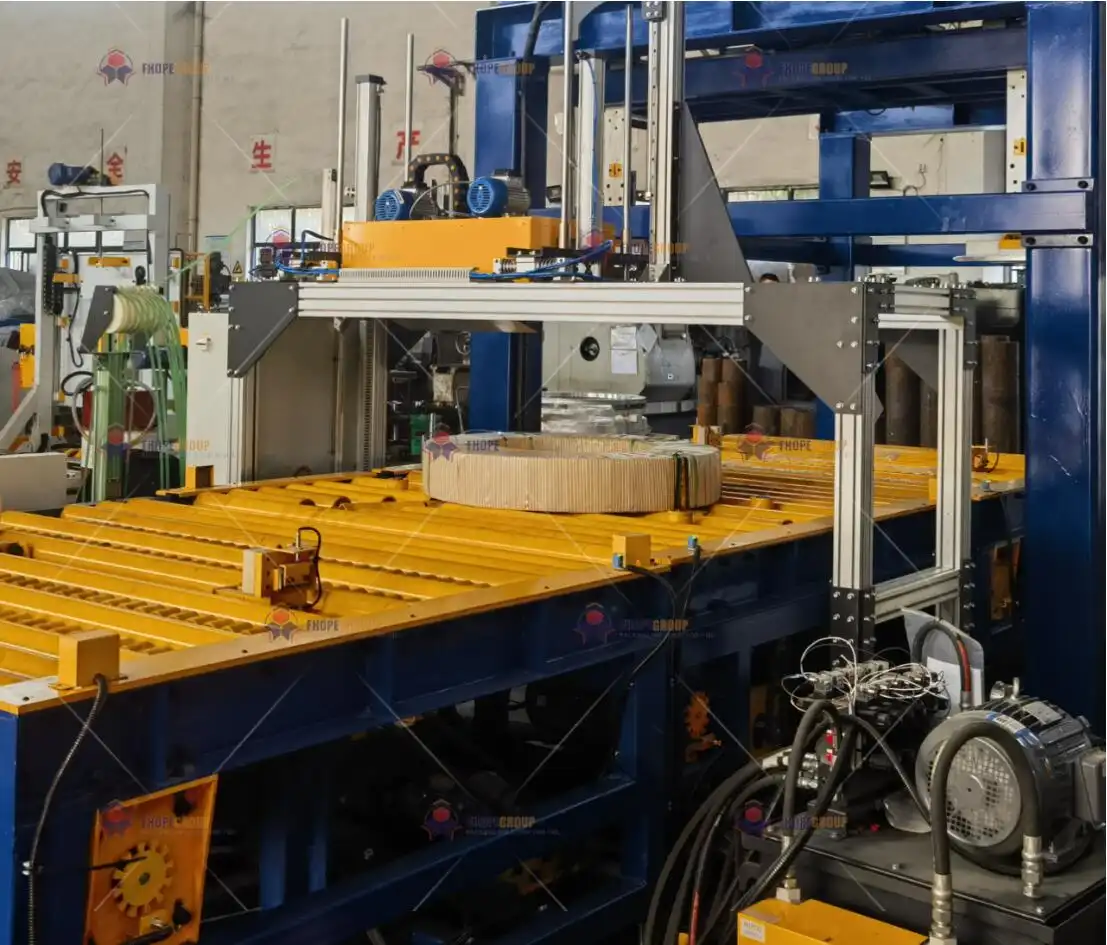
In my years of working with clients, from small businesses to large steel mills, I have seen this clearly. A factory might have the best steel, but if it is poorly packed, it loses value. Automated packing is a game-changer. It makes the packing process an asset, not a liability. This is especially true for companies, like Ivan’s, that handle diverse products and export to demanding clients. Poor packing quality can lead to financial penalties and harm a company’s reputation. Automated systems directly tackle these issues.
-
Ensuring Consistent Packing Quality:
- Uniform Tension: Automated strapping and wrapping machines apply materials with precise, consistent tension. This prevents straps from loosening during transit. It also ensures packaging provides maximum protection against movement and damage.
- Repeatable Process: Machines follow predefined parameters for every coil. This means each coil receives the same high-quality wrap and strap, regardless of the operator or shift. This consistency is impossible to achieve with manual labor.
- Reduced Material Waste: Precise application by machines minimizes material overlap or gaps. This reduces material consumption. It also improves the aesthetic look of the package, which reflects positively on product quality.
-
Meeting International Compliance Standards:
- CE/ISO Certification Support: Many export markets, as Ivan noted, require specific certifications like CE or ISO. Automated packing lines can be designed to meet these standards. They provide documented, repeatable processes that are essential for audits.
- Traceability and Labeling: Automated labeling systems apply barcodes and other identification data accurately. This improves product traceability throughout the supply chain. It also helps with inventory management and ensures the right product goes to the right customer.
- Protection Against Environmental Factors: Automated stretch wrapping and shrink wrapping provide superior moisture and rust protection. This is crucial for products like cold-rolled or galvanized coils. It ensures they arrive in perfect condition, even after long transit times. This directly addresses client demands for strict moisture protection.
-
Financial and Reputational Benefits:
- Fewer Customer Complaints: High-quality, consistent packing means fewer damaged goods. This translates to happier customers and fewer complaints or claims.
- Reduced Financial Penalties: For export, poor packaging can lead to penalties or even rejection of shipments. Automated systems prevent these costly issues.
- Enhanced Brand Image: A company that delivers perfectly packed products shows professionalism and attention to detail. This builds trust and strengthens its brand reputation in the market.
Automated packing ensures that products not only reach their destination safely but also represent the quality and reliability of the Italian factory that produced them. It turns packing into a competitive advantage.
How Can Italian Factories Choose the Right Automated Coil Packing Partner?
Investing in an automated packing line is a significant decision for any factory. It requires careful planning and a clear understanding of technology. For Italian factories, selecting the right partner is crucial. This partner will ensure the system works well and truly improves safety and efficiency. What qualities should factories look for in a supplier to ensure a successful transition?
Italian factories must choose an automated coil packing partner who offers comprehensive turnkey solutions, has deep industry knowledge, and provides robust after-sales support. This ensures a smooth integration, reliable operation, and long-term success in improving safety and productivity.
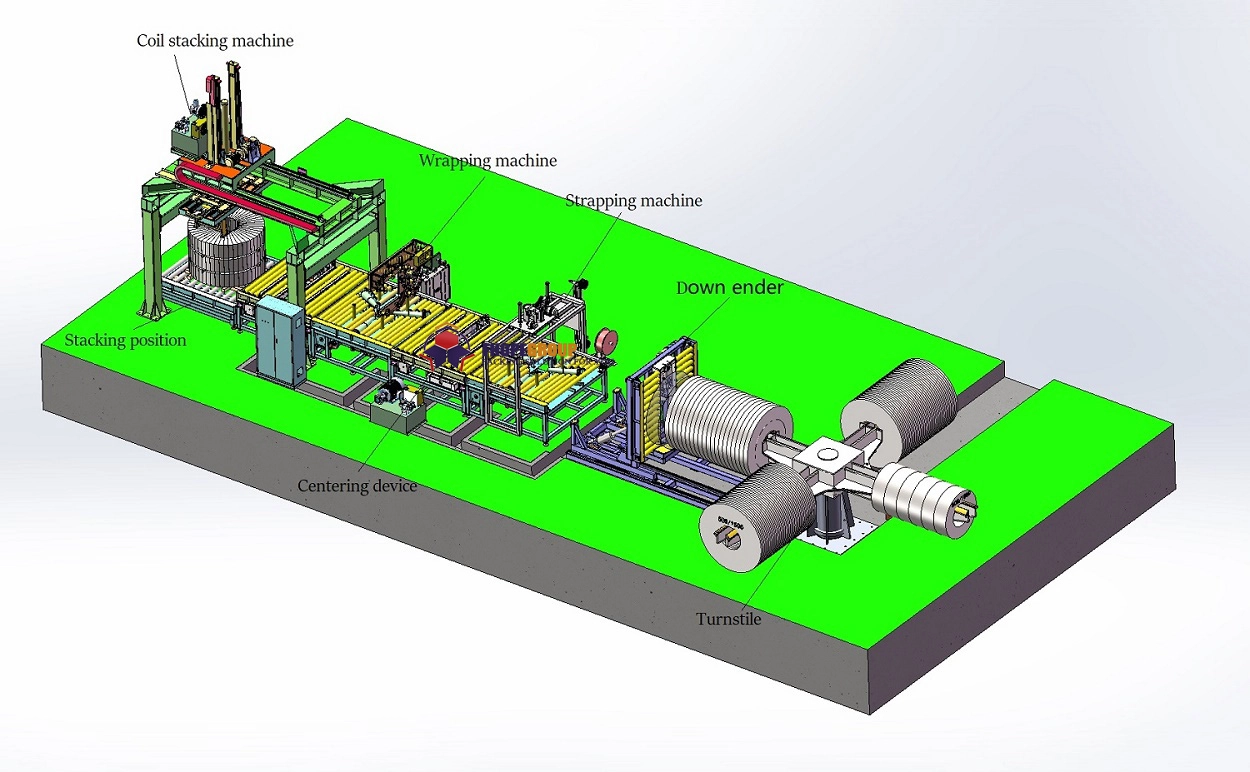
My journey in this industry began as an employee. Then I built FHOPEPACK from the ground up. This experience taught me that the machine is only part of the solution. The true value comes from the relationship with the supplier. It comes from their ability to understand specific needs, offer tailored advice, and provide ongoing support. Ivan wants a long-term partner and a turnkey project. This is exactly what FHOPEPACK is built to provide. Our goal is to empower clients, not just sell them equipment. A good partner does more than just sell equipment. They become an extension of your team.
-
Expertise and Customization Capabilities:
- Industry-Specific Knowledge: The partner must understand the unique challenges of steel coil packing. This includes handling different coil weights, diameters, and materials (cold-rolled, galvanized, color-coated). They need to know how to adapt to varying customer packaging requirements (PET/steel strap, anti-moisture wrap, labeling).
- Tailored Solutions: Every factory is unique. The partner must offer customized solutions. They should not just sell off-the-shelf machines. They need to design a system that integrates seamlessly with existing production lines. This includes managing different product types and specific space constraints. This involves understanding the factory’s full production flow.
- Comprehensive Project Planning: A good partner guides the factory through the entire process. This starts from initial consultation and design to installation, commissioning, and system optimization. They should provide a “turnkey” solution, handling all aspects.
-
Reliability and After-Sales Support:
- Proven Track Record: Look for a supplier with a strong history of successful installations. Ask for references, especially from similar industries or regions. This demonstrates their capability and commitment.
- Robust Training Programs: After installation, factory staff need to know how to operate and maintain the new system safely and efficiently. The partner must provide thorough training for operators and maintenance teams.
- Accessible Spare Parts and Service: Downtime is costly. The partner must offer readily available spare parts and prompt technical support. This ensures quick repairs and continuous operation. A reliable support system prevents long-term disruptions.
- Long-Term Partnership Mentality: The best partners view their relationship with the factory as long-term. They offer ongoing support, upgrades, and advice as the factory’s needs evolve. This commitment helps factories adapt to future challenges and opportunities.
-
Focus on Safety and Compliance:
- Safety Features Integration: The partner must prioritize safety in the design of their machines. They should include modern safety features like interlocks, emergency stops, and protective guarding.
- Compliance Expertise: The partner should have experience with international safety and quality standards, such as CE/ISO. They should ensure their equipment helps the factory meet these important certifications.
Choosing the right partner is not just about buying a machine. It is about investing in a long-term solution that will enhance safety, efficiency, and competitiveness for years to come.
Conclusion
Automated slit coil packing lines offer huge benefits for Italian factories. They create safer workplaces by removing human interaction with dangerous tasks. They also boost efficiency, ensure consistent quality, and help meet strict compliance standards. This comprehensive approach reduces risks and improves the entire production process. Partnering with a knowledgeable supplier like FHOPEPACK for a complete coil packing line means Italian factories can achieve higher safety, better quality, and lasting success.








