

Can Orbital Stretch Wrapper Support Singapore’s High-Tech Manufacturing?
Are you a factory manager in Singapore’s high-tech manufacturing sector, constantly under pressure to boost output, cut costs, and keep your team safe? Maybe you see manual packing processes slowing everything down, or you worry about heavy items causing injuries. You know that any halt in production means big losses. This struggle is real for many businesses, and I have seen it countless times.
An orbital stretch wrapper can definitely support Singapore’s high-tech manufacturing. These machines offer a powerful solution to common problems like slow manual packing, high labor costs, and product damage. They wrap items tightly and securely, making the process faster, safer, and much more efficient.


If you are looking for ways to streamline your operations, improve safety, and protect your valuable products, then you are in the right place. Let’s dig deeper into how this technology can change your manufacturing game, just as it has for many of my clients.
Why is Singapore’s High-Tech Manufacturing Facing Packaging Challenges?
Many advanced manufacturing plants, even in a tech-savvy place like Singapore, run into big problems at the end of their production lines. You invest heavily in high-precision machinery and skilled labor for manufacturing, but then your carefully made products get bogged down in old-fashioned packing methods. This creates a bottleneck. It frustrates me to see businesses lose efficiency right at the finish line because of this.
Singapore’s high-tech manufacturing faces packaging challenges due to a strong demand for speed, precision, and product integrity, often clashing with traditional, labor-intensive packing methods. These methods struggle to keep up with high-volume output and strict quality standards, leading to slow processes, safety risks, and potential product damage.


The challenges I see are not unique. They come from several key areas. When I first started my packing machine factory, I saw these issues firsthand. Companies would spend millions on production, only to falter when it came to getting the product ready for shipment. It was clear that the packing process needed the same level of innovation as the manufacturing itself.
The Problem with Manual Packing in a High-Tech World
Manual packing works for small volumes or very unique items. However, in high-tech manufacturing, it creates several serious problems. Think about heavy steel coils or bundles of wire. My clients often deal with these. Moving and wrapping them by hand is slow. It also puts workers at high risk for injury.
- Slow Speeds and Bottlenecks: Workers can only move so fast. When production lines run at high speeds, manual packing cannot keep up. This means finished products pile up, waiting to be packed. The whole factory slows down because of this last step. The packing area becomes a choke point. This causes delays in delivery times. It reduces overall factory output. It also means capital tied up in finished goods sitting idle.
- High Labor Costs and Availability: Labor is expensive, especially in Singapore, a city known for its high cost of living. Relying on many workers for repetitive, heavy lifting tasks adds a huge cost. This includes wages, benefits, and training. Finding skilled workers willing to do this kind of work is also becoming harder. As an employer myself, I know the costs and challenges involved in managing a large workforce for manual tasks. Worker turnover also adds to recruitment and training expenses.
- Safety Hazards and Worker Injuries: This is a big one. Lifting heavy coils or maneuvering large items puts workers at risk. Back injuries, crushed hands, and other accidents are common. This leads to higher insurance costs and lost workdays. It also means staff turnover. No factory manager wants to deal with constant safety incidents. Beyond the financial cost, there is a human cost to injuries. A factory cannot operate efficiently if its workforce is constantly at risk or understaffed due to accidents.
- Product Damage During Handling: When people manually handle products like steel coils, edges can get bent or scratched. This happens often during internal transport or while securing the package. Even small damage can lead to customer complaints. It can also mean products must be scrapped, costing the company money and reputation. For high-tech components, even minor blemishes can render a product unsellable. This directly impacts profit margins.
- Inconsistent Packaging Quality: Manual wrapping is never perfectly consistent. Some packages might be too loose. Others might be wrapped poorly. This can affect how the product holds up during shipping. It also looks less professional. High-tech products need high-quality presentation, even in their packaging. Inconsistent quality also leads to uncertainty in transit. This can cause more damage if packages are not uniformly secure.
These issues show that traditional packing methods are not suitable for modern, high-tech manufacturing. They create more problems than they solve. My goal has always been to help companies move past these old ways and adopt smarter, safer solutions. I have seen how much difference this makes to a company’s bottom line and its workers’ well-being. It is about understanding the real pain points and offering a solution that truly works.
How Does an Orbital Stretch Wrapper Actually Work for Modern Factories?
You might hear “orbital stretch wrapper” and wonder what it really means for your production floor. It sounds technical, but the idea is quite simple. Imagine a large ring that rotates around your product. As it spins, it lays down multiple layers of stretch film. This process creates a secure, tightly wrapped package. This is a very different method compared to traditional pallet wrappers, which mainly wrap vertically.
An orbital stretch wrapper works by rotating a roll of stretch film around a product as it moves horizontally through a central ring. This method creates a tightly secured, all-around wrap, ideal for long, bulky, or irregularly shaped items like coils, pipes, or linear products. It ensures product stability and protection, making it highly effective for the unique demands of modern high-tech manufacturing.
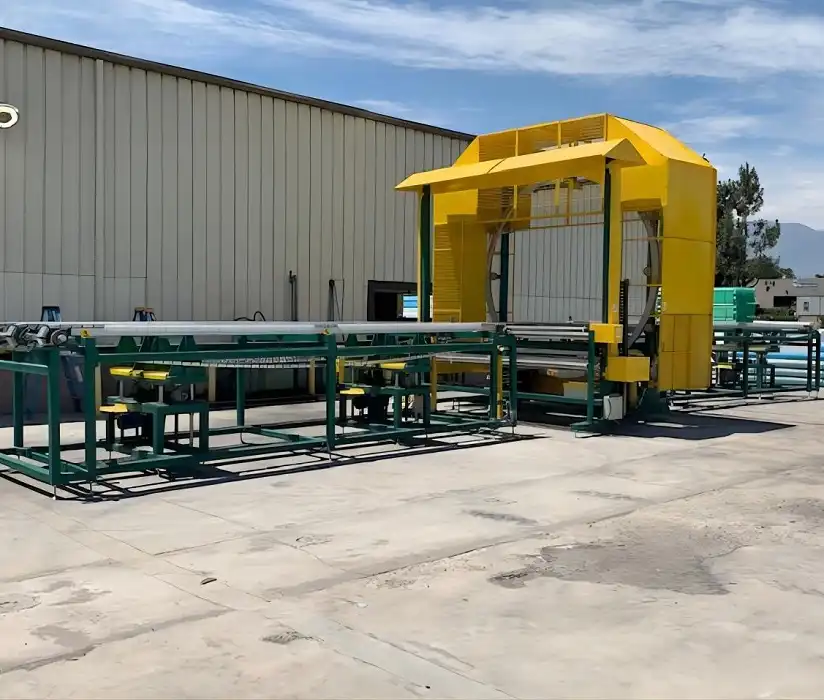

I remember when I first started exploring different packing technologies. The orbital wrapper stood out for its versatility and efficiency, especially for coil packing and steel wire packing. It solves problems that other machines cannot. It is a smart investment for factories moving high volumes of specific products.
Unpacking the Mechanics and Benefits of Orbital Wrapping
An orbital wrapper is engineered to handle specific types of products. These are often items that are long, wide, or have an open center, like coils. The machine’s design lets it wrap around the entire product. This includes the sides and the top and bottom edges. This creates a very strong, protective layer.
- The Core Mechanism: At its heart, the machine has a large ring or “orbit.” A roll of stretch film sits on this ring. As the product passes through the center of the ring, the ring spins rapidly. This spinning motion applies the film in a continuous spiral pattern around the product. The product itself moves on a conveyor or rollers. This coordinated movement ensures every part of the product gets covered. It creates a seamless, interlocking layer of film. This film is under tension, which gives it extra holding power.
- Versatility in Product Handling: One of the big advantages is its ability to wrap diverse items. From small bundles of cables to large, heavy steel coils, an orbital wrapper can adjust. It can handle various lengths and widths. This adaptability means factories do not need multiple specialized machines for different product types. I have seen how this flexibility helps factories save space and money. This also makes the machine suitable for varied product lines.
- Superior Load Containment: The continuous, overlapping wrap provides excellent load containment. It holds the product together tightly. This is vital for heavy items that can shift during transport. A secure package prevents items from unraveling or breaking apart. It means your product arrives at the customer in perfect condition. The tensioned film acts like a strong band around the product, preventing any movement.
- Protection Against Damage and Contaminants: The stretch film acts as a barrier. It protects products from dust, moisture, and impact damage. For high-tech components or finished metal products, this protection is critical. Even minor scratches can make a product unusable. The tight wrap also prevents edges from being exposed and damaged, a common problem I’ve helped clients solve in coil packing. This protective layer ensures products are sealed against external elements.
- Integration with Production Lines: Modern orbital wrappers are not standalone machines. They can integrate into existing conveyor systems. This means a seamless flow from the end of the production line to the packing area. Automation makes the entire process faster. It reduces the need for manual handling, boosting both speed and safety. This integration is key for high-tech manufacturing aiming for full automation. It eliminates manual transfer points which often cause delays or damage.
- Adjustable Wrapping Parameters: Operators can adjust film tension, overlap percentage, and wrapping speed. This allows for customized packaging based on product fragility and transport needs. Some products need more protection. Others need less. The machine can adapt to these different requirements, giving you precise control over your packing process. This means you can optimize film usage for different products. You can ensure adequate protection without wasting material.
Understanding how these machines work helps you see their value. They are not just fancy gadgets. They are robust tools designed to solve real manufacturing problems. They bring efficiency, safety, and reliability to the crucial final step of your production. This is the kind of practical, problem-solving technology I advocate for.
What Real-World Benefits Can Singapore Manufacturers See from Orbital Wrapping?
You might think, “This all sounds good on paper, but what about my factory in Singapore? What tangible benefits will I actually see?” This is a fair question. Every investment needs to show a clear return. Based on my experience helping many businesses, the real-world advantages of orbital stretch wrapping are significant and directly address the challenges you might be facing.
Singapore manufacturers can expect substantial real-world benefits from orbital stretch wrapping, including significantly increased automation, improved worker safety by reducing manual handling, and a clear reduction in product damage during transit. These benefits directly translate into lower operating costs, higher efficiency, and a stronger reputation for product quality, offering a strong return on investment.
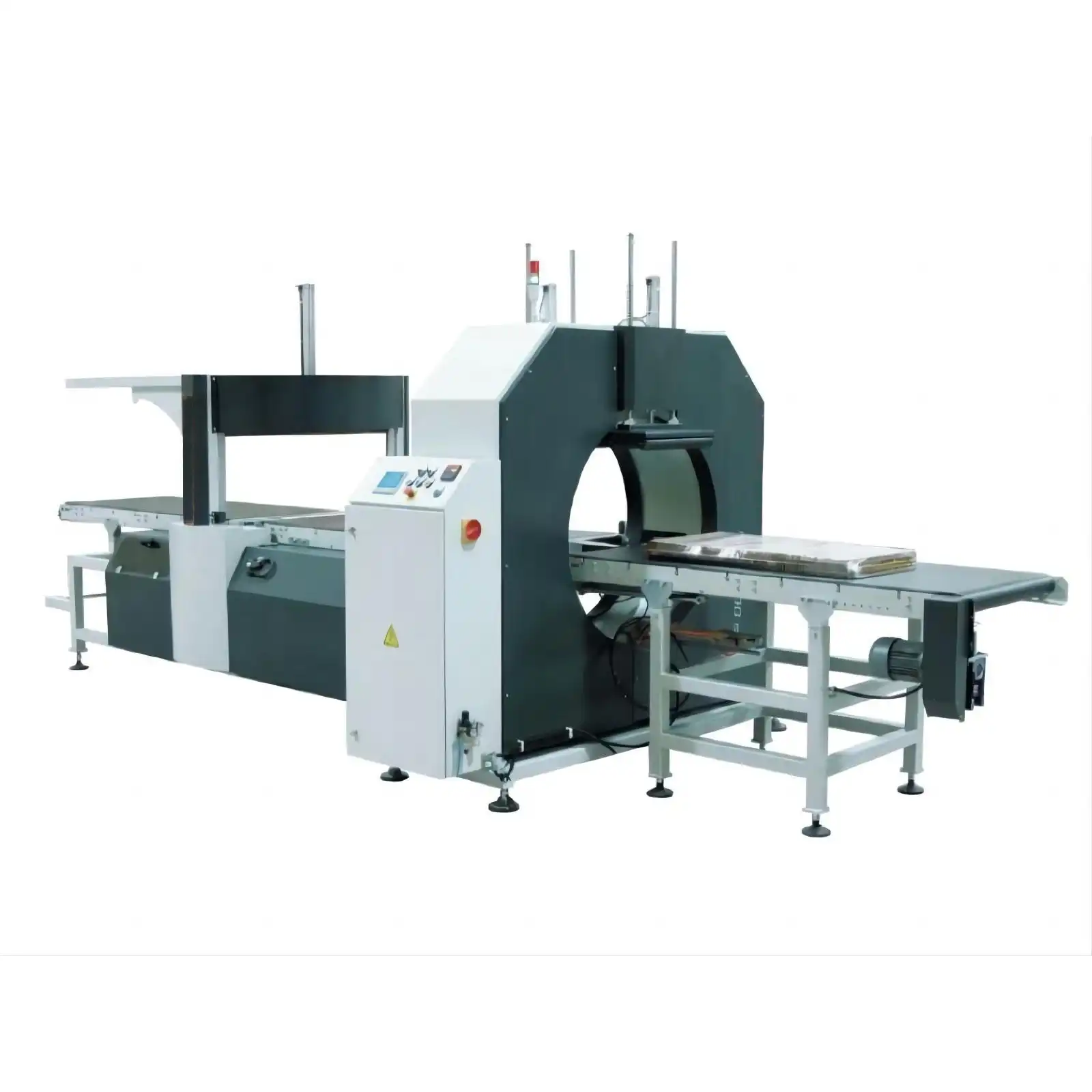

I have helped many clients achieve financial independence partly by optimizing their packing lines. It is not just about buying a machine. It is about strategic investment that impacts your entire operation. The benefits touch every aspect of your business, from the factory floor to the balance sheet.
Concrete Returns from Investing in Orbital Wrapping Technology
Let’s break down the specific gains you can expect. These are the benefits that managers like Michael Chen, who need to show clear ROI, truly appreciate.
-
Significant Increase in Automation and Throughput:
- Faster Packing Cycles: Orbital wrappers can wrap products much faster than human workers. This means products move out of the packing area quickly. It removes bottlenecks at the end of the line. Your entire production flow becomes smoother and more predictable.
- Continuous Operation: Machines do not get tired or need breaks. They can run continuously, improving overall plant throughput. This is especially important for high-volume operations where downtime is very costly. Automation means consistent performance without fluctuations due to human factors.
- Reduced Manual Labor: Automation means fewer workers are needed for the packing task. This frees them up for more complex, value-added jobs. It directly reduces your labor costs over time. My own factory saw huge gains here, allowing us to allocate resources more strategically. You can redeploy staff to other critical areas of your business.
-
Enhanced Worker Safety and Reduced Injury Risk:
- Elimination of Heavy Lifting: The machine handles the wrapping of heavy or awkward items. Workers no longer need to manually lift, rotate, or secure these products. This dramatically lowers the risk of back injuries, strains, and other accidents. This protects your most valuable asset: your employees.
- Safer Work Environment: With less manual intervention, the workspace becomes safer. This means fewer worker compensation claims, lower insurance premiums, and a happier, more stable workforce. Safety is not just a cost; it is also a moral imperative. A safer workplace boosts morale and reduces employee turnover, creating a more experienced team.
-
Drastic Reduction in Product Damage:
- Consistent, Secure Wrapping: The machine applies film with uniform tension and overlap. This creates a consistently secure package. It protects products, especially vulnerable edges of coils, from bumps and scrapes during internal transport and shipping. This uniformity ensures maximum protection for every single product.
- Protection from Elements: The tight film wrap also guards against dust, moisture, and other environmental factors. This keeps your high-tech products in pristine condition until they reach the customer. This means fewer customer complaints and fewer costly returns. It extends the shelf life and quality of your goods.
- Improved Customer Satisfaction: When products arrive undamaged and well-presented, customer satisfaction goes up. This builds trust and strengthens your business relationships. It helps you stand out in a competitive market. Happy customers mean repeat business and positive referrals.
-
Clear Cost Savings and Improved ROI:
- Lower Labor Expenses: As mentioned, reducing the need for manual labor directly cuts down on wages, benefits, and training costs. This is a recurring saving that adds up significantly over years.
- Reduced Material Waste: Efficient film application means less film is wasted. The machine applies film precisely, minimizing excessive use. This also saves money on consumables.
- Fewer Damages, More Profit: By preventing product damage, you avoid rework costs, scrap costs, and potential penalties from unsatisfied customers. This directly improves your profit margins. Each damaged product prevented is money saved.
- Long-Term Investment: While the initial cost exists, the long-term savings and efficiency gains often lead to a rapid return on investment. I always tell my clients to look at the total cost of ownership, not just the purchase price. The machine pays for itself through these accumulated savings.
These benefits are not just theoretical. They are proven outcomes that I have seen in real factories. They are the reasons why I became so passionate about packing machine solutions. They transform challenges into opportunities for growth and profitability.
Is an Orbital Wrapper the Right Investment for Your High-Tech Operations?
You have seen the problems manual packing causes and the potential of orbital wrappers. Now you might be asking the ultimate question: “Is this the right fit for my specific high-tech manufacturing operation in Singapore?” This is where expertise and a clear understanding of your factory’s unique needs come into play. It is not a one-size-fits-all answer.
Deciding if an orbital wrapper is the right investment for your high-tech operations depends on several factors, including your product types, current production volume, existing bottlenecks, and long-term automation goals. For factories dealing with heavy, long, or irregularly shaped items like coils or profiles, and aiming to improve safety, efficiency, and product protection, an orbital wrapper is generally a highly suitable and strategic investment.
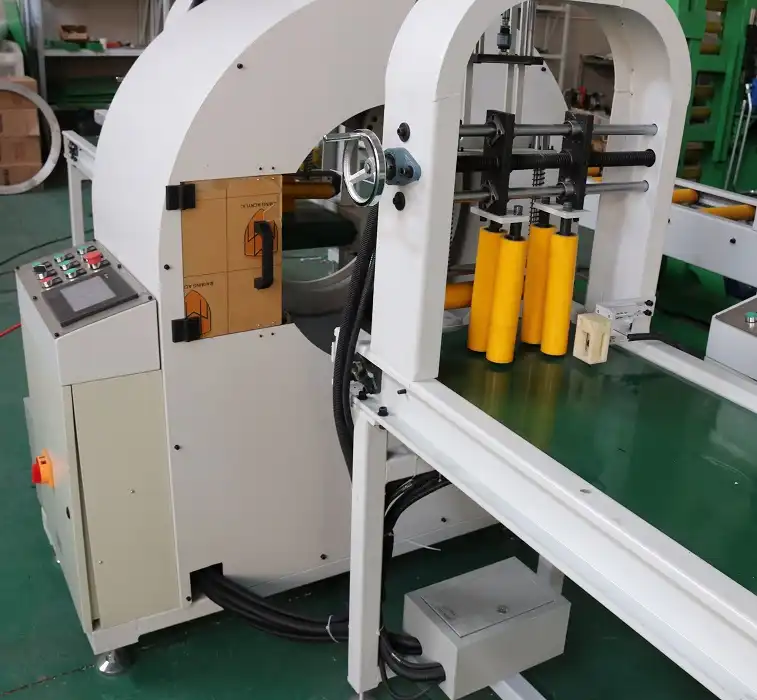

As someone who has built a successful packing machine factory from the ground up, I know that choosing the right equipment means more than just looking at specs. It means understanding your operational flow. It means looking at your future plans. It also means trusting your supplier to be a true partner. This is why I am dedicated to sharing my knowledge.
Making an Informed Decision: Key Considerations
Before making any big investment, you need to assess your situation carefully. Here are the crucial questions and factors I always discuss with my clients.
-
What Products Do You Package?
- Size and Weight: Orbital wrappers are especially good for large, heavy, or long items. Think about steel coils, aluminum profiles, bundles of pipes, or rolls of paper. If your products fit this description, an orbital wrapper is a strong candidate. The machine’s design handles dimensions and weights that are difficult or unsafe for manual handling.
- Shape and Fragility: The machine provides a tight, secure wrap around irregular shapes. If your products have delicate edges or require robust protection against shifting, the all-around wrap is a huge benefit. This is a common need in coil and wire packing. It ensures a consistent protective layer even on challenging geometries.
- Material: What material are your products made from? The packaging solution must be compatible with the product material. The protective film offers broad compatibility, shielding various surfaces from scratches and environmental exposure. For sensitive materials, specific film types can be chosen.
-
What is Your Current Packaging Volume?
- High Volume Operations: If your factory produces a high volume of goods daily, weekly, or monthly, manual packing will always be a bottleneck. An automated orbital wrapper scales up your output significantly. It ensures that the packing stage keeps pace with your production.
- Consistent Throughput: If you need consistent packing speed to match your production line, machines offer reliability that human labor cannot always provide. They perform at a steady rate, minimizing unpredictable delays.
- Growth Projections: If you plan to increase production in the future, investing in automation now prepares your factory for that growth. Trying to scale manual operations can become unmanageable and cost-prohibitive. An automated system provides a scalable foundation.
-
What Are Your Primary Challenges and Goals?
- Safety Concerns: Is worker safety a top priority due to heavy lifting or dangerous manual tasks? An orbital wrapper directly addresses this by automating hazardous processes. This aligns with modern safety standards and employee well-being initiatives.
- Efficiency Bottlenecks: Is the packing stage slowing down your entire production line? Automation can solve this by increasing packing speed and consistency. It ensures smooth flow from production to dispatch.
- Product Damage Issues: Are you seeing too many customer complaints or internal losses because of damaged products? The superior protection of orbital wrapping can mitigate this, reducing waste and improving customer satisfaction.
- Cost Reduction: Are high labor costs or material waste eating into your profits? Automation offers clear savings here through reduced labor needs and optimized material usage.
- Automation Strategy: Is your company pushing for greater overall automation and Industry 4.0 initiatives? An orbital wrapper fits perfectly into that vision, integrating with smart factory systems for data collection and process optimization.
-
Finding the Right Partner and Support:
- Beyond the Sale: As someone who ran a factory, I know that the machine itself is only part of the solution. You need a supplier who understands your unique challenges. You need a partner who offers excellent after-sales support, spare parts, and technical guidance. This ensures long-term operational success.
- Expertise and Experience: Look for a supplier with deep industry knowledge. Someone who has seen different factory setups and can offer tailored advice. My own journey from employee to factory owner gave me this perspective, and I always aim to share it. You want someone who can talk through your production bottlenecks and suggest effective solutions, not just sell you a standard model.
- Customization Options: Off-the-shelf might not always be enough. Can the supplier customize the machine to fit your specific product sizes, conveyor height, or integration needs? This flexibility is often crucial for high-tech manufacturing, ensuring a perfect fit for your unique setup.
Choosing the right packing solution is a strategic decision. It impacts your safety, efficiency, costs, and ultimately, your competitive edge. My experience has taught me that a well-chosen orbital stretch wrapper is not just a machine. It is a long-term investment in your factory’s future success. It helps you overcome challenges and achieve your growth goals.
Conclusion
An orbital stretch wrapper is a vital asset for Singapore’s high-tech manufacturing, significantly boosting automation, safety, and product protection. It directly addresses common challenges like efficiency bottlenecks and high labor costs. This investment offers a clear path to increased profitability and operational excellence.












