
Can a Steel Coil Packing Line Improve Safety Standards in Luxembourg Mills?
Steel mills in Luxembourg face a tough challenge. They need to produce large volumes of steel coils every day. But manual packing methods often bring serious safety risks. Workers lift heavy coils, use dangerous tools, and work in busy areas. These old ways can cause injuries, slow down work, and lead to high costs. I have seen this problem many times in my career, from starting on the factory floor to building FHOPEPACK. I know how important it is to keep people safe.
Yes, a steel coil packing line can greatly improve safety standards in Luxembourg mills. It does this by taking over dangerous manual tasks. Machines lift, wrap, and strap heavy coils. This removes workers from high-risk areas. It makes the whole packing process much safer and more reliable.

You may wonder how exactly an automated system makes a real difference on the ground. You may also want to know if it helps with more than just safety. Let us look deeper into these questions. We will explore the specific ways new packing technology changes a mill’s safety culture and operations.
What Safety Risks Do Manual Coil Packing Methods Pose in Steel Mills?
Think about a typical day in a Luxembourg steel mill’s packing area. Workers handle heavy steel coils that weigh up to 3 tons. They use tools to strap, wrap, and move these coils. This work is hard. It is also full of risks. I started my career in a packing machine factory. I saw firsthand the dangers workers faced every day. These dangers are real.
Manual coil packing methods in steel mills pose many safety risks. Workers face dangers from moving heavy loads. They can get injured from repetitive tasks. There is also a risk of falling objects. These manual methods make work slow and unsafe. They can lead to serious accidents and long-term health problems for employees.

Let us look closer at the specific safety risks workers face.
- Heavy Lifting and Movement: ⚠️ Workers must move steel coils. These coils are very heavy. They use cranes or forklifts. But workers still need to guide and position them by hand. This can cause crushes, pinches, or drops. A 1 to 3-ton coil can cause severe injury if it falls or moves unexpectedly. Manual lifting also puts strain on a worker’s back and joints. This leads to chronic injuries over time. I have seen many cases where back problems forced skilled workers to leave their jobs early. This is a big loss for both the worker and the company.
- Repetitive Motions and Ergonomic Issues: 🤕 Packing coils involves many repeated tasks. Workers bend, stretch, and twist. They do this to apply straps, wrap film, or attach labels. Doing these same motions for hours causes strain. It can lead to muscle fatigue, tendonitis, and carpal tunnel syndrome. These are ergonomic injuries. They reduce a worker’s quality of life. They also mean workers miss days from work. This lowers a mill’s output.
- Use of Sharp Tools and Materials: 🔪 Strapping coils often uses steel bands. These bands are sharp. Workers must tension and cut them. This work carries a risk of cuts or abrasions. The tensioned bands can snap back. This can cause eye injuries or deep lacerations. Applying protective wraps also uses sharp edges. Workers might cut themselves while handling these materials. Safety gloves help. But accidents can still happen.
- Working in Hazardous Environments: 🚧 Packing areas are often busy. Heavy machinery moves around. Coils are stacked high. Noise levels are often high. Workers must navigate this environment. They must be very aware of their surroundings. Distractions or misjudgments can lead to accidents. These can involve moving equipment or falling stacks. Also, some mills have hot or dusty conditions. These add more risks to worker health and safety. These factors create a complex safety challenge. Managers must address these challenges. They need to protect their workforce effectively.
How Does an Automated Steel Coil Packing Line Directly Enhance Worker Safety?
We just talked about the many dangers of manual packing. Now, let us look at the solution. An automated steel coil packing line changes the game. It takes workers away from the most dangerous parts of the process. This makes the workplace much safer. I designed many systems where automation became the key to improving safety. This is a core part of FHOPEPACK’s mission.
An automated steel coil packing line greatly enhances worker safety by removing them from direct contact with heavy coils and hazardous tasks. It automates lifting, rotating, strapping, and wrapping. This reduces the risk of crush injuries, repetitive strain, and accidents from manual handling. The system performs tasks consistently and safely.

An automated packing line improves safety in several key ways.
- Eliminating Manual Handling of Heavy Coils: ✅ This is the biggest safety gain. Automated systems use conveyors, coil tilters, and robotic arms. These machines lift, turn, and move coils. Workers do not need to touch the coils directly. This removes the risk of crush injuries. It also takes away the strain of manual guiding. For example, Ivan Petrov’s team in Russia handles coils from 1 to 3 tons. Manually moving these is very dangerous. An automated system makes sure these heavy items move safely. Workers can then oversee the process from a control panel. This keeps them out of harm’s way.
- Reducing Repetitive Strain Injuries: 🧘 Machines perform the repetitive tasks. This includes applying straps, wrapping film, and labeling. Workers no longer need to bend, reach, or twist repeatedly. This significantly lowers the risk of ergonomic injuries. It means fewer sick days for workers. It also leads to a healthier and more productive workforce. The consistent movement of machines is also less tiring than human effort. This reduces fatigue-related errors.
- Providing Consistent and Reliable Operations: ⚙️ Automated machines follow precise programs. They do not get tired. They do not make mistakes from fatigue. This leads to very consistent packing quality. If a coil is packed securely, it is less likely to shift or unravel during transport. This means fewer dangers for logistics workers later on. It also protects the product itself. Inconsistent manual wrapping can lead to loose film. This can snag on machinery or present trip hazards. Automation ensures everything is tight and safe.
- Creating a More Controlled Environment: 🔒 An automated packing line operates in a guarded space. Safety sensors and interlocks are standard. These stop machines if a person enters a forbidden area. This prevents accidents. It also reduces human error. Workers are still needed for supervision and maintenance. But they work in safer zones. They do not have to be close to moving parts during operation. This controlled environment protects workers better. It also helps meet strict safety rules, like those in Luxembourg.
Beyond Direct Safety, What Operational Benefits Does Automation Bring to Luxembourg Mills?
Improving safety is the main point. But an automated coil packing line offers much more. It also makes a mill’s operations better in many ways. These benefits can change how a business runs. They lead to higher output, better quality, and lower costs. I have helped many clients grow their businesses by looking at the bigger picture.
Beyond direct safety, automation brings many operational benefits to Luxembourg mills. It boosts packing speed and consistency. This cuts labor costs and material waste. It also improves product quality, leading to fewer customer complaints. Automation helps mills meet high standards for diverse products and export markets.

The benefits of automation extend far beyond just keeping workers safe.
- Increased Efficiency and Throughput: 🚀 Manual packing is slow. It takes time to move, strap, and wrap each coil. Automated lines work much faster. They can process many coils per hour. This means mills can ship more products in less time. For a large steel plant like Ivan Petrov’s, hundreds of tons of daily output need quick handling. An automated system matches the speed of the production line. This prevents bottlenecks. It ensures smooth material flow. This boost in speed directly helps a mill’s bottom line.
- Consistent Packing Quality and Damage Prevention: ✨ Human packing quality can vary. It depends on the worker’s skill and fatigue. Machines apply consistent tension to straps and film. This ensures every coil is packed the same way. This means better protection against moisture, rust, and scratches. It prevents damage during transport. Ivan’s need for anti-corrosion, anti-scratch, and anti-moisture packaging is met with precision. High-quality packing reduces customer complaints. It also lowers the cost of returns and re-shipping. This strengthens customer trust.
- Reduced Labor Costs and Dependency: 💰 Labor is a big cost for any business. Manual packing needs many workers. It is also hard to find young workers for this tough job. Automated systems need fewer people. These people can then do higher-value work. They can supervise or maintain machines. This helps with labor shortages. It also reduces overall operational costs. The initial investment in automation pays off over time. It saves money on wages, benefits, and injury compensation.
- Adaptability to Diverse Product Needs: 🌍 Modern steel mills produce many types of coils. They have different sizes, weights, and finishes. They also have different packing needs. This can be PET or steel strapping. It can be anti-moisture wrapping. Manual systems struggle with these changes. Automated lines can switch between different packing programs quickly. This makes them very flexible. They can handle cold-rolled, galvanized, and pre-painted coils. They can add labels or barcodes. This meets varied customer needs, including export standards like CE/ISO. This flexibility is key for staying competitive.
Is Adopting a Full Packing Line a Strategic Investment for Long-Term Safety and Growth?
We have seen how automated coil packing improves safety and operations. But is it a wise choice for the future? Is it a strategic investment? My experience tells me yes. Building a successful factory taught me the importance of looking ahead. It is about more than just one problem. It is about setting up a business for long-term success.
Yes, adopting a full steel coil packing line is a strategic investment for long-term safety and growth. It future-proofs operations by improving worker well-being, enhancing product quality, and boosting efficiency. This investment helps mills stay competitive, meet global standards, and achieve sustainable growth in the steel industry.
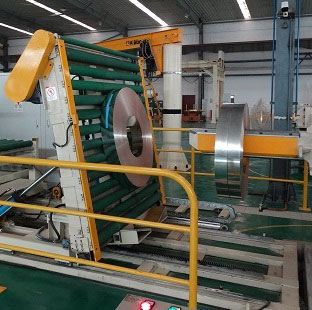
Investing in a full packing line is a forward-thinking decision.
- Meeting Evolving Regulatory Standards and Customer Demands: 📜 Safety regulations are always getting stricter. This is true in places like Luxembourg and for export markets. Automated systems help mills comply with these rules. They also help meet growing customer demands for perfect packaging. Customers want secure, traceable, and well-protected products. An automated line delivers this. It shows a mill is committed to quality and safety. This builds a strong reputation in the market. It also avoids penalties and helps win new business.
- Ensuring Business Continuity and Resilience: 💪 Manual operations rely heavily on human labor. If there is a labor shortage, or workers get sick, output suffers. An automated line offers more stability. It keeps working even with fewer staff. This makes a mill more resilient to changes in the workforce. It ensures continuous production. This means fewer disruptions to supply chains. It also means consistent delivery to customers. This is vital for business continuity in a competitive industry.
- Attracting and Retaining Skilled Talent: 👨🔧 The steel industry needs skilled workers. But tough, dangerous jobs are less appealing to young talent. Automation creates a safer, cleaner work environment. It shifts jobs from manual labor to supervision and technical roles. This makes the workplace more attractive. It helps mills draw in and keep skilled engineers and technicians. These are the people who can run and maintain complex automated systems. This investment helps secure a strong future workforce.
- Building a Foundation for Further Innovation: 💡 A full packing line is often part of a larger automation plan. It can connect with other systems. This includes factory management software or smart logistics. This creates a highly integrated production environment. It allows for data collection and analysis. Mills can use this data to make operations even better. This ongoing improvement drives innovation. It ensures the mill stays at the forefront of the industry. This strategy positions a mill for long-term success. It goes beyond just packing coils.
Conclusion
An automated steel coil packing line is a clear path to better safety in Luxembourg mills. It removes manual risks, ensures consistent packing, and boosts efficiency. This makes it a smart investment for any mill. It helps meet industry standards and prepares for future growth. FHOPEPACK offers expert solutions to help you find the best coil packing line for your needs.








