
Can a Door Packing Machine Really Prevent Edge Damage During Transit?
Imagine this: You have worked tirelessly. Your team has produced a batch of high-quality doors. They look perfect. Then, they are ready for shipping. But during transit, something goes wrong. The edges get dinged. The surfaces get scratched. This is a common problem in our industry. It leads to customer complaints. It leads to costly returns. It hurts your business.
Yes, a specialized door packing machine can significantly reduce or even eliminate edge damage during transit. These machines are designed for this exact purpose. They secure products. They provide consistent, protective wrapping. This protects edges and surfaces from impacts and abrasions. This means your doors arrive at their destination looking as good as when they left your factory. This is a big step towards better customer satisfaction.

We all face these challenges. We strive for perfection. We want our products to be safe. We want our operations to be smooth. I have spent my career building machines and a factory that understands these needs. Let’s explore how modern packing solutions, like a door packing machine, can solve some of your biggest headaches. We will look at how they improve efficiency, enhance safety, and protect your bottom line.
Is Manual Door Packing Holding Your Factory Back?
Think about your current packing process. Is it slow? Does it rely on many people? Are your workers struggling to keep up? These are common signs of an efficiency bottleneck. This bottleneck slows down your entire production line. It can delay deliveries. This means unhappy customers and lost opportunities. It puts immense pressure on your team.
Manual door packing can indeed hold your factory back. It is often slow. It is often inconsistent. It creates bottlenecks at the end of your production line. An automated door packing machine, however, speeds up the process dramatically. It ensures uniform wrapping every time. This removes the bottleneck. This allows your entire operation to flow more smoothly and quickly.
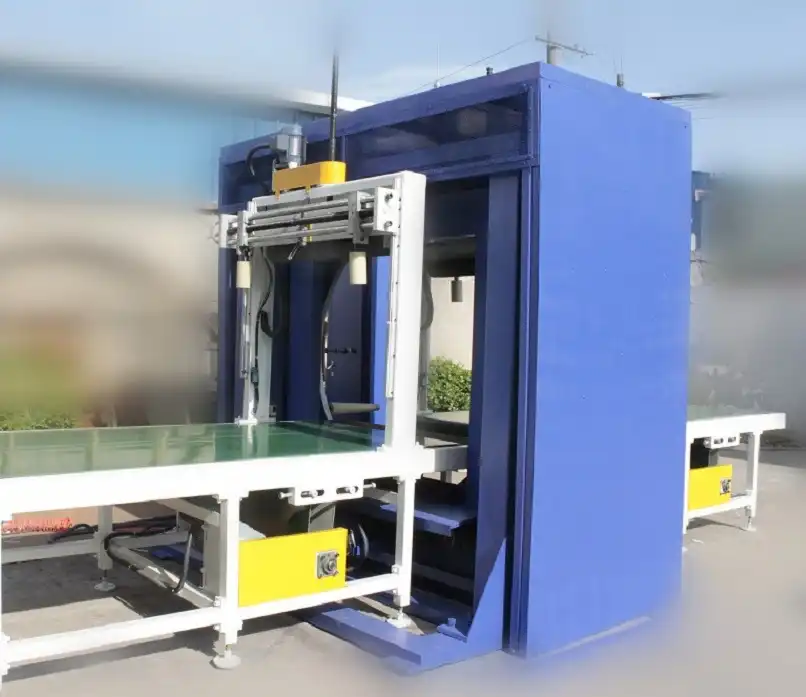
The truth is, many factories are still using outdated packing methods. They do this because they think automation is too complex. Or they think it costs too much. But the cost of not automating can be much higher. When I started my packing machine factory, I saw how much time was wasted in manual processes. I saw the inconsistencies. I knew there was a better way. A modern door packing machine reduces the need for extensive manual labor. This frees up your workers to do other tasks. It also improves the speed of your packing process significantly.
Consider the steps in manual packing. Workers need to position the door. They need to wrap it by hand. They need to secure it with tape or straps. This is time-consuming. It depends on the skill of each worker. An automated machine, on the other hand, performs these actions quickly and consistently. It ensures the same quality wrap every time. This consistency is vital for product protection. It is also vital for your brand’s reputation.
Here is a simple comparison to show the difference:
| Feature | Manual Door Packing | Automated Door Packing Machine |
|---|---|---|
| Speed | Slow, varies by worker, creates bottlenecks | Fast, consistent, eliminates bottlenecks |
| Labor Cost | High, requires multiple workers | Low, requires minimal supervision |
| Consistency | Inconsistent, depends on human effort and skill | High, uniform wrap every time |
| Safety | High risk of injury from heavy lifting/repetitive motion | Low risk, minimal human interaction with heavy goods |
| Product Damage | Higher risk of edge/surface damage during handling | Lower risk, secure and consistent wrap prevents damage |
| Throughput | Limited by human speed and endurance | High, can process many doors per hour |
Beyond just speed, think about the data. An automated system can track packing times. It can track material usage. This gives you valuable insights. You can use this data to fine-tune your operations. You can identify areas for further improvement. This level of control is simply not possible with manual methods. My experience in setting up a factory taught me that precise control leads to better outcomes. It means better quality. It means higher profits. It means less stress for factory managers. This is why investing in the right equipment is not just an expense. It is an investment in your factory’s future. It is an investment in your success.
Can Automation Truly Make Your Packing Safer?
Consider the heavy items in your factory. Do your workers lift them? Do they move them around? Do they flip heavy panels or doors? This kind of work is dangerous. It can cause serious injuries. It leads to high insurance costs. It also leads to losing good employees. No one wants to work in an unsafe environment.
Automation can indeed make your packing process significantly safer. It removes the need for people to handle heavy or awkward items directly. Machines do the heavy lifting. They do the dangerous movements. This drastically reduces the risk of workplace accidents. This protects your employees. This lowers your operational costs related to injuries. It creates a much safer work environment for everyone.

Safety is not just a buzzword. It is a core responsibility for any factory manager. When I was running my own factory, worker safety was always a top priority. Manual handling of heavy doors, or even large coils or wires, is a leading cause of injuries. These injuries include back strains, sprains, and even more serious accidents. This puts a heavy burden on the company. It impacts morale. It impacts productivity.
A door packing machine works by automating the entire wrapping process. This means your workers no longer need to manually lift or manipulate heavy doors. The machine handles the positioning. It handles the wrapping. It handles the sealing. This dramatically reduces the physical strain on your team. It lowers the risk of repetitive motion injuries. It also minimizes the chance of accidents from dropped items. Imagine a scenario where a heavy door slips during manual handling. The consequences can be severe. An automated machine prevents this. It secures the product from the moment it enters the wrapping zone.
Here are specific ways automation improves safety:
- Eliminates Manual Lifting: The machine takes over the heavy lifting. Workers simply load the door onto a conveyor or platform. The machine does the rest. This protects their backs and muscles.
- Reduces Repetitive Motions: Manual wrapping involves many repetitive actions. These actions can lead to carpal tunnel syndrome or other overuse injuries. Automation eliminates these motions for workers.
- Minimizes Pinch Points and Crush Hazards: A well-designed packing machine has safety features. These features include emergency stops and safety guarding. They keep workers away from moving parts. This prevents pinch points or crush hazards.
- Improves Workspace Organization: Automated systems often lead to a more organized packing area. There is less clutter. There are fewer manual tools. This reduces trip hazards. It creates a cleaner, safer work environment.
- Lowers Insurance Premiums: A factory with a strong safety record often pays lower insurance premiums. By reducing injuries, you save money. You also build a reputation as a responsible employer. This attracts and retains good talent.
My journey through the packing machine industry showed me that the best factories prioritize safety. They invest in it. It is not just about compliance. It is about caring for your team. It is about creating a sustainable business. A safe workplace is a productive workplace. An automated door packing machine is a key part of building that safe environment. It is an investment that pays off in healthy employees and lower costs.
How Does a Packing Machine Stop Product Damage and Boost Profits?
Have you ever opened a package to find your product damaged? Maybe a scratched surface? Maybe a dented edge? This is frustrating for customers. It costs your business money. These damages often happen during internal transfers or shipping. They can lead to customer complaints. They can lead to product returns. This eats into your profits.
A packing machine stops product damage by providing a consistent, secure wrap every time. It uses the right amount of film. It applies it with the correct tension. This protects your products from impacts and abrasions during transit. By preventing damage, you reduce customer complaints. You reduce returns. This directly boosts your profits. It also protects your brand’s reputation for quality.
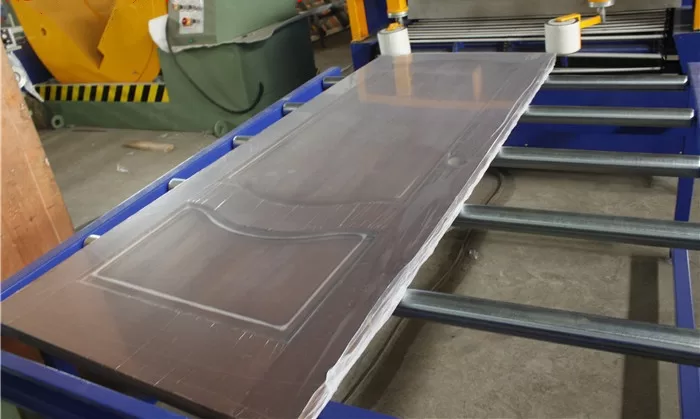
Product damage is a silent killer of profits. I have seen it many times. A small scratch on a door might seem minor. But if it happens often, the costs add up. These costs include material waste, rework time, shipping costs for returns, and even lost future sales. My own factory experience taught me that preventing damage at the source is much cheaper than dealing with its consequences later.
A door packing machine addresses common causes of damage:
- Inconsistent Wrapping: Manual wrapping often leads to loose spots. It leads to exposed edges. These are vulnerable points. An automated machine applies film evenly. It applies film with precise tension. This creates a tight, protective layer around the entire product.
- Movement During Transit: Products can shift inside their packaging if not properly secured. This shifting causes abrasion and impact damage. A good packing machine ensures the product is held firmly in place. This prevents internal movement.
- External Impacts: While a machine cannot stop all external impacts, a robust wrap provides a buffer. It absorbs some of the shock. It protects the product’s surface and edges from minor bumps and scrapes. Different wrapping materials, like stretch film or bubble film, can be chosen for optimal protection based on the product.
Consider the return on investment (ROI). When you invest in a packing machine, you might see an initial cost. But think about the savings. You save on labor. You save on wasted materials due to damage. You save on return shipping. You save on customer service time dealing with complaints. These savings quickly add up. They often outweigh the initial investment within a short period. This is why it is called an investment. It pays for itself.
My goal at FHOPEPACK is to share knowledge. I want to help you understand these benefits. For example, a coil packing machine works in a similar way for metal coils. It protects their edges from bending or damage during transit. The principles are the same. Protect the product. Optimize the process. Boost the bottom line. It is about creating a system where your products are safe. It is about making your operations more profitable. This is how you grow your business. This is how you stay competitive.
Why Trusting the Right Partner Matters More Than Just Buying a Machine?
Have you ever bought a piece of equipment? Did the seller disappear after the sale? Did you struggle with support? This creates a crisis of trust. You need a partner. You do not just need a vendor. You need someone who understands your challenges. You need someone who offers real solutions. This is especially true for complex factory equipment.
Trusting the right partner matters more than just buying a machine. Many suppliers focus only on sales. They forget about after-sales service. A true partner, like FHOPEPACK, understands your production bottlenecks. We understand your safety concerns. We understand your efficiency problems. We offer expert insights. We provide reliable solutions. We are there for you long after the sale. We help you grow your business.
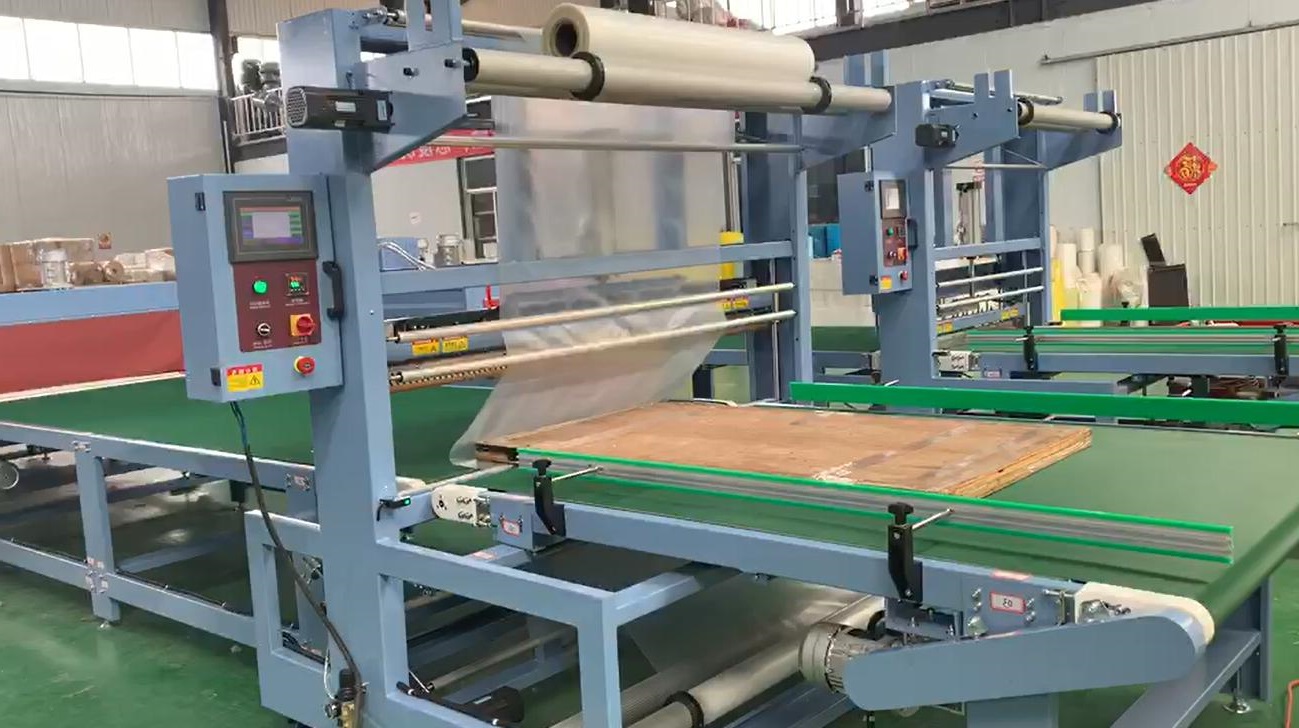
My journey in the packing machine industry has been long. I started as an employee. I then built my own successful factory. This journey taught me many things. One key lesson is that success is about more than just machines. It is about relationships. It is about trust. I built FHOPEPACK as a knowledge-sharing platform. This is because I want to give back. I want to help others succeed.
When you are looking for a packing machine, you are looking for a solution. You are not just looking for a piece of metal and wires. You need a solution that fits your specific needs. This means the supplier must listen. They must understand your unique factory environment. They must offer equipment that truly solves your problems. They should not just push whatever they have in stock.
Here is what a good partner brings to the table:
- Deep Industry Knowledge: A good partner has practical experience. They know the challenges of heavy manufacturing. They know about logistics. They know about safety. They can offer insights that come from years in the field. This helps you avoid costly mistakes.
- Customized Solutions: Your factory is unique. Your problems are unique. A good partner does not offer a one-size-fits-all solution. They work with you. They design or recommend a system that meets your exact requirements. This could be a specific type of door packing machine. It could be a custom conveyor system.
- Reliable After-Sales Support: Machines need maintenance. They sometimes need troubleshooting. A good partner provides excellent support. They offer spare parts. They offer technical assistance. This ensures your machine runs smoothly for years. This minimizes downtime.
- Long-Term Vision: A true partner thinks about your long-term success. They advise you on future upgrades. They suggest ways to optimize your operations further. They are invested in your growth. This is what Randal Liu, and FHOPEPACK, strive to be. We are here to build a lasting relationship. We want to help you achieve financial independence through smart investments. We want to help you grow your business, just as I helped my previous clients.
My experience of building a successful packing machine factory from scratch gave me a deep understanding of what factory managers need. They need reliable equipment. They need expert advice. They need a partner who stands by their products. This is the foundation of FHOPEPACK. We share our expertise. We help you make informed decisions. We help you choose the right packing solution for your factory. This builds trust. This builds success.
My Insights!
I have seen the packing industry evolve. I have been a part of that change. What I have learned is simple: technology, when applied wisely, solves real problems. It is not about selling machines. It is about offering solutions that make your factory safer, more efficient, and more profitable. A door packing machine is a perfect example of this. It tackles direct pain points. It prevents damage. It protects your workers. It speeds up your processes. This directly impacts your bottom line. It also gives you peace of mind. Investing in the right packing solution is one of the smartest decisions you can make for your business. It is about building a better future for your factory and your team.
Conclusion
A door packing machine truly prevents edge damage and boosts profits. It enhances safety. It improves efficiency. It offers a clear ROI for any factory.








