
Can a Coil Packing Line Reduce Safety Risks in Azerbaijani Factories?
Factories in Azerbaijan, especially those handling heavy steel coils, face big challenges. One major concern is worker safety. Accidents in these environments can be severe, leading to injuries, delays, and high costs. Managers like Ivan Petrov, who oversee steel production and packing, often see these risks firsthand. They know that current packing methods might not be safe enough. This creates a big problem for production directors aiming for both efficiency and a safe workplace.
Yes, a modern coil packing line can significantly reduce safety risks in Azerbaijani factories by replacing dangerous manual tasks with automated processes. This includes mechanized handling, precise wrapping, and secure strapping, which remove workers from hazardous areas and decrease the chance of accidents caused by human error or heavy lifting.
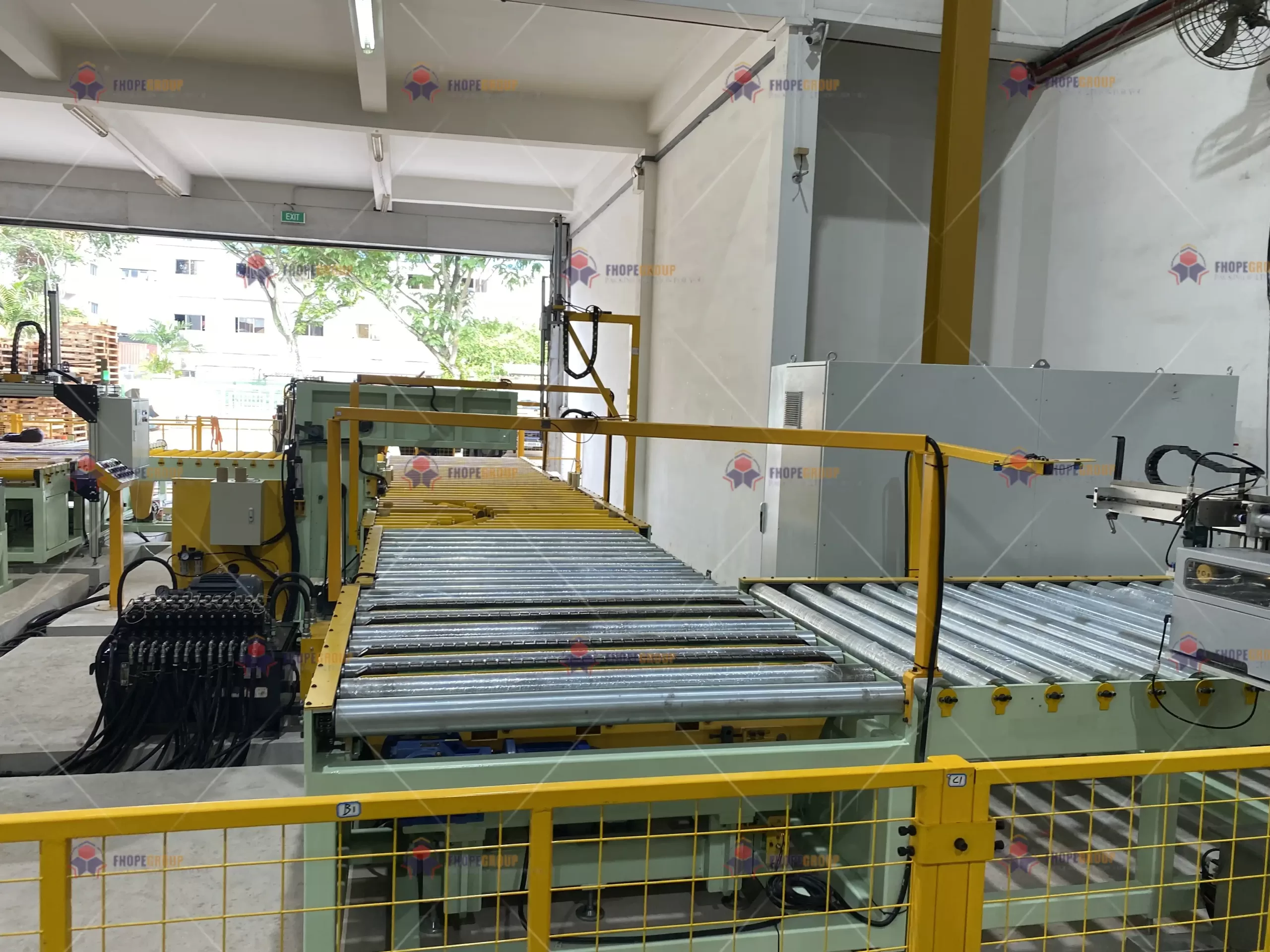
You might be thinking, how does simply upgrading a packing machine make such a big difference in safety? It is more than just a machine. It is a complete system. From my years of experience helping factories improve their operations, I have seen how automation changes everything. It is not only about speed or output. It is also about creating a safer environment for every worker. Let us look deeper into how this works.
Does Automation Directly Remove Workers from Harm’s Way?
Handling heavy steel coils by hand or with old equipment is very dangerous. Workers must often stand close to moving parts, lift heavy items, or manage unstable loads. These tasks can lead to serious injuries. Think about the risk of crushed limbs, falls, or strain injuries. This is a common scene in many older factories, and I remember seeing it often when I first started in the industry. It was a big reason why I wanted to develop better, safer solutions.
Automation directly removes workers from harm’s way by letting machines perform the most dangerous tasks like lifting, turning, wrapping, and strapping steel coils. This keeps human operators at a safe distance, away from heavy machinery and moving loads, thus greatly reducing the risk of accidents and injuries in Azerbaijani factories.
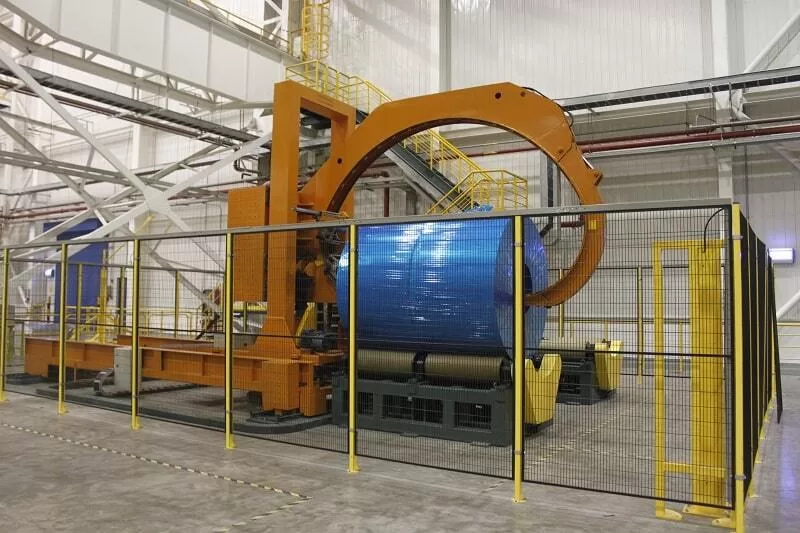
Let us break down how an automatic coil packing line achieves this crucial safety benefit.
-
Eliminating Manual Handling of Heavy Coils:
- ❌ Old Way: Workers use forklifts or cranes for every step. They guide coils manually into position for wrapping or strapping. This involves close contact with heavy, often hot, or sharp-edged steel. It also requires workers to be present in the path of moving loads. A small mistake can lead to big problems.
- ✅ New Way: A coil packing line uses integrated conveyors, coil up-enders, and transfer carts. These systems move coils automatically. Workers supervise from a control room or a safe distance. The machines do the heavy lifting and precise positioning. This keeps people out of the danger zone completely. The risk of crushing injuries or accidents from falling coils drops sharply.
-
Automating the Wrapping Process:
- ❌ Old Way: Manual wrapping means workers walk around the coil applying film. They must bend, stretch, and move quickly. This leads to fatigue, trips, and contact with the rotating coil or its sharp edges. It is a physically demanding job with high risk.
- ✅ New Way: An automatic wrapper applies film quickly and evenly. It works without human help. The machine has safety sensors and guards. This prevents any contact between workers and the rotating coil or the wrapping mechanism. Workers simply load the coil onto the system and start the process. This takes away all risks linked to manual wrapping.
-
Secure Strapping without Direct Contact:
- ❌ Old Way: Manual strapping involves workers using hand tools. They must position the straps, tension them, and seal them. This is tiring and puts hands and fingers at risk. There is also the danger of straps snapping back under tension.
- ✅ New Way: An automatic strapping machine does this job. It feeds, tensions, and seals the straps around the coil. No human hands are near the strapping head. The system ensures the correct tension every time, which also makes the package safer. This reduces the risk of cuts, pinches, or injuries from broken straps. It makes the entire process faster and much safer.
Can Consistent Packaging Quality Prevent Workplace Accidents?
Poor packaging quality is not just about aesthetics or customer complaints. It can be a real safety hazard. If a steel coil is not packed correctly, it can become unstable during storage or transport. This means that during moving, stacking, or even when loaded onto trucks or trains, the coil can shift, fall, or loosen its packaging. This puts everyone involved in handling that coil at risk. I have seen how unstable loads can lead to serious accidents in warehouses and during shipping.
Yes, consistent packaging quality, achieved through an automated coil packing line, directly prevents workplace accidents by ensuring stable and secure loads. Machines apply uniform tension and secure strapping or wrapping, which stops coils from shifting, collapsing, or loosening during internal movement, storage, and external transportation, thereby protecting workers.
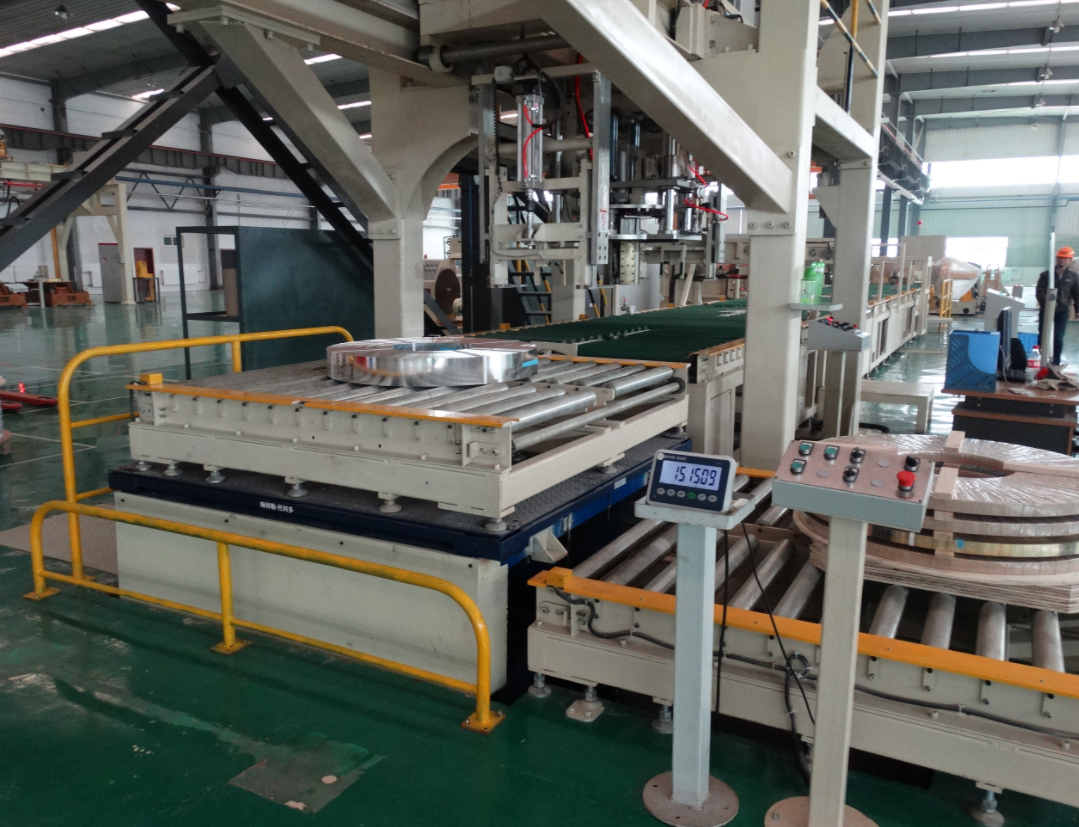
Let us explore how consistent packaging quality from an automated system leads to a safer workplace.
-
Stable Loads for Safer Handling and Storage:
- Imagine a coil that is not strapped tightly enough. Its outer layers might shift during movement. Or, if the wrapping is uneven, moisture can get in and cause rust, weakening the package.
- An automated system makes sure every coil is packed the same way. It applies the right amount of tension to straps and film. This creates a solid, secure package. When coils are stable, they are easier and safer to move with forklifts or cranes. They also stack better in storage. This reduces the risk of coils falling over or loads shifting unexpectedly. This protects workers who are near these coils.
-
Reduced Risk of Damage During Transport:
- When coils are moved from the factory to a port or customer, they go through many bumps and turns. If the packaging is weak, it can break. This can cause the coil to unravel or become loose on the truck or ship. Such loose coils are very dangerous. They can move and hit other cargo or even break through the vehicle walls. This puts drivers and other road users at risk.
- Automatic packing ensures export-ready quality. It uses strong materials like PET or steel straps with consistent tension. It also applies multi-layer stretch or shrink film for full protection. This type of packaging withstands the rigors of long-distance transport. It keeps the coil intact and secure. This greatly reduces the risk of accidents during transit.
-
Compliance with Safety Standards:
- Many countries, especially for export, have strict rules for industrial packaging. For example, CE or ISO certifications often require specific packaging methods and quality. These standards are there to ensure safety. Poorly packed goods can lead to fines, rejection of goods, or even legal action if an accident happens.
- Automated packing lines are designed to meet these international standards. They provide consistent quality that fulfills CE/ISO requirements. This not only avoids penalties but also shows a commitment to safety. When a factory consistently meets these high standards, it means fewer risks for its workers and its customers. This also helps the factory build a good reputation for quality and safety.
Is Reducing Manual Labor the Key to a Safer Workplace?
Many factories, especially in regions like Azerbaijan, struggle with labor shortages. Young workers might not want high-intensity jobs, or the available workforce might lack specialized skills. This pushes factories to rely heavily on manual labor for demanding tasks. Manual handling of heavy steel coils, as Ivan Petrov knows, is not just inefficient; it is a major source of safety problems. When people are tired or rushed, mistakes happen. This leads to more accidents.
Yes, reducing manual labor through a coil packing line is a key strategy for a safer workplace because it lessens human exposure to hazards, lowers physical strain, and cuts down on errors caused by fatigue or insufficient training. This creates a more controlled and predictable environment, leading to fewer accidents in the long run.
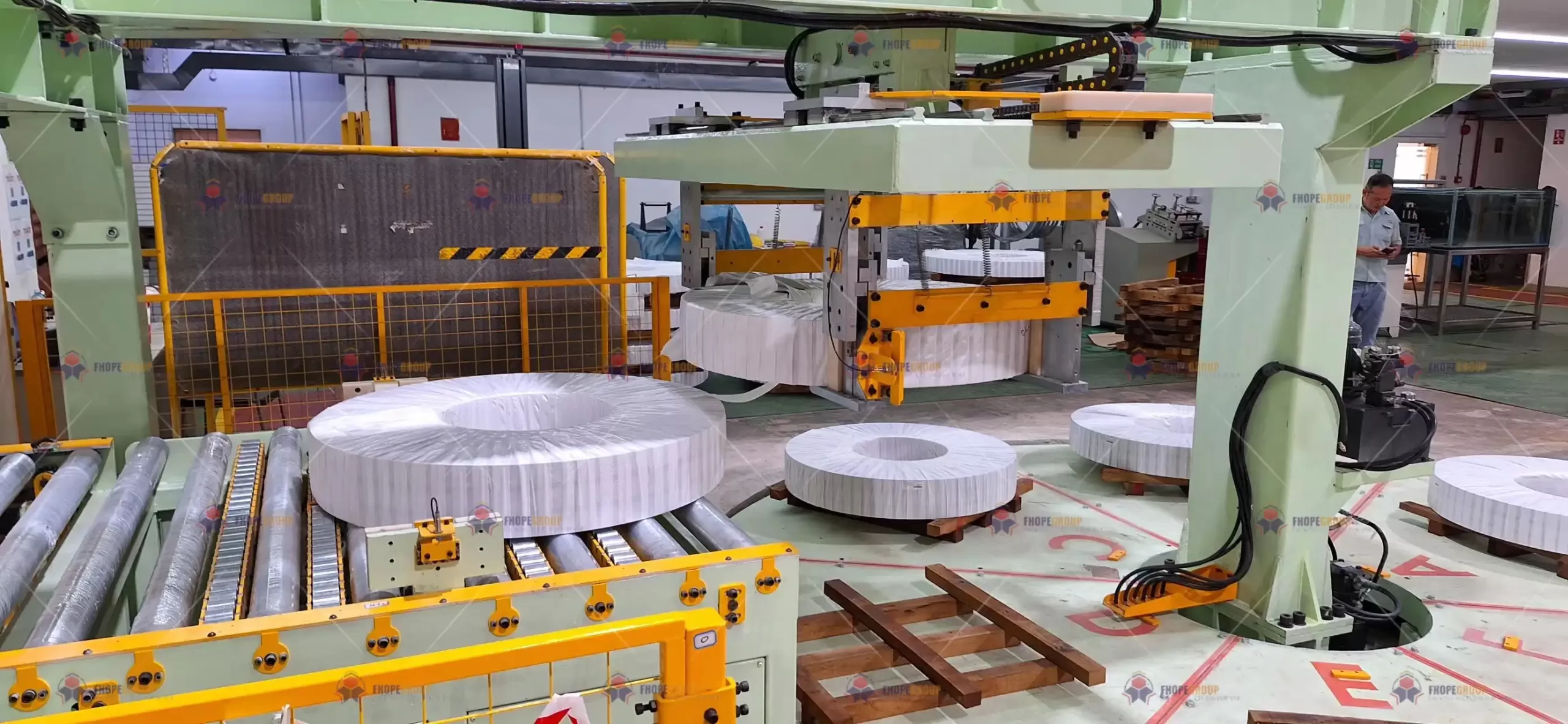
Let us examine how reducing manual labor directly improves safety in factories.
-
Less Human Exposure to High-Risk Areas:
- Manual packing often means workers must physically interact with large, heavy coils. They stand in crane paths, bend over moving conveyors, or lift heavy tools. These are areas with high potential for serious injury. Factories often have signs warning about these dangers. But human presence in these areas still carries risk.
- With an automatic packing line, workers move to supervisory roles. They monitor the machines from a safe distance. They use control panels. They are no longer in the direct path of moving coils or machinery. This simple shift dramatically reduces their exposure to crushing, cutting, or impact injuries. The factory becomes safer just by moving people away from the danger.
-
Reduced Physical Strain and Fatigue:
- Manual coil packing is physically exhausting. It involves repetitive movements, heavy lifting, and long hours. This leads to muscle strain, back injuries, and overall fatigue. Tired workers are more likely to make mistakes. They might drop a tool, misjudge a distance, or fail to react quickly enough to a hazard. Such errors can cause accidents.
- An automatic system takes over these physically demanding tasks. Machines do not get tired. They work with consistent precision. This reduces the physical burden on workers. It allows them to focus on less strenuous and more strategic tasks. This decreases the risk of strain injuries and lowers the chance of errors caused by fatigue. It makes the job sustainable for the long term.
-
Minimizing Human Error and Skill Gaps:
- Manual packing quality can vary from person to person. It also depends on their training and experience. A new worker might not tension a strap correctly. An experienced worker might still rush a task if production targets are high. These inconsistencies and human errors directly impact safety. Improperly packed coils are unstable and dangerous.
- Automated systems follow programmed routines. They perform tasks with high precision and consistency every time. This removes the variable of human error from critical packing steps. Even if there are skill gaps in the workforce, the machine ensures a consistent, high-quality, and safe packing outcome. This means every coil leaves the line packed to the same safety standard. It does not matter who is on shift.
How Do Modern Packing Lines Improve Overall Factory Safety Standards?
Beyond the immediate reduction of specific risks, investing in a modern coil packing line has a broader impact on factory safety. It signals a commitment to a safer working environment. This can lead to a shift in the entire safety culture of a factory. It is not just about installing a new machine. It is about adopting a new way of operating that prioritizes worker well-being. From my experience setting up FHOPEPACK, I always believed that the best solutions are those that improve every aspect of a client’s operation, including safety.
Modern packing lines improve overall factory safety standards by creating a structured and controlled environment, encouraging a proactive safety culture, and ensuring compliance with national and international regulations. They integrate advanced safety features and provide reliable performance, which sets a higher baseline for operational safety.

Let us explore how these advanced systems raise the bar for factory safety standards.
-
Integrated Safety Features and Design:
- Modern coil packing lines are not just built for efficiency. They come with many safety features already in their design. These include safety guards, emergency stop buttons, light curtains, and interlocks. These features prevent workers from accessing dangerous areas while the machine is running. They automatically shut down the system if a safety breach occurs.
- Older manual setups often lack these built-in protections. A modern line forces a factory to think about safety from the ground up. It implements state-of-the-art safety mechanisms. This creates a much more secure workspace. It gives peace of mind to both workers and management.
-
Fostering a Proactive Safety Culture:
- When a factory invests in automation for safety, it sends a clear message. It shows that the company cares about its employees. This can change how workers view safety. They move from simply reacting to accidents to proactively preventing them. A safer environment also boosts morale. Workers feel more valued and secure.
- A culture of safety means everyone takes responsibility. Regular training on automated systems reinforces safe operating procedures. It encourages workers to report potential hazards. This leads to continuous improvement in safety practices across the entire factory. It moves the factory toward zero accidents.
-
Compliance with Regulations and Future-Proofing:
- Government regulations for workplace safety are always getting stricter. This is true globally, including in countries like Azerbaijan. Factories must meet these rules to avoid fines and legal problems. Manual, high-risk operations often struggle to meet these changing safety standards.
- A modern coil packing line helps factories comply with current and future safety regulations. It provides documented proof of safe operating procedures and equipment. This helps with audits and certifications. By investing now, factories in Azerbaijan can future-proof their operations. They stay ahead of compliance requirements. This ensures they operate safely and legally for many years to come.
Conclusion
A coil packing line offers clear safety benefits for Azerbaijani factories. It removes workers from dangerous tasks, ensures consistent packaging quality, and reduces reliance on manual labor. This leads to fewer accidents, lower costs, and a safer workplace overall. Investing in an automated coil packing line means prioritizing employee well-being and achieving higher production standards.








