
Can a Coil Packing Line Improve Safety and Cut Costs in Greek Plants?
Greek steel plants, much like many others globally, face constant pressure. They need to produce more, faster, and at a lower cost. At the same time, they must keep their workers safe. I have seen this challenge many times in my work with FHOPEPACK. Many plant managers wonder if investing in new technology, like a coil packing line, can really help them achieve these goals. They want to know if it can truly make a difference for their operations.
Yes, a modern coil packing line can significantly improve safety and cut costs for Greek plants. By automating heavy-duty tasks and ensuring consistent packaging quality, these systems reduce workplace accidents, decrease labor dependency, minimize material waste, and enhance overall operational efficiency, leading to substantial long-term savings.
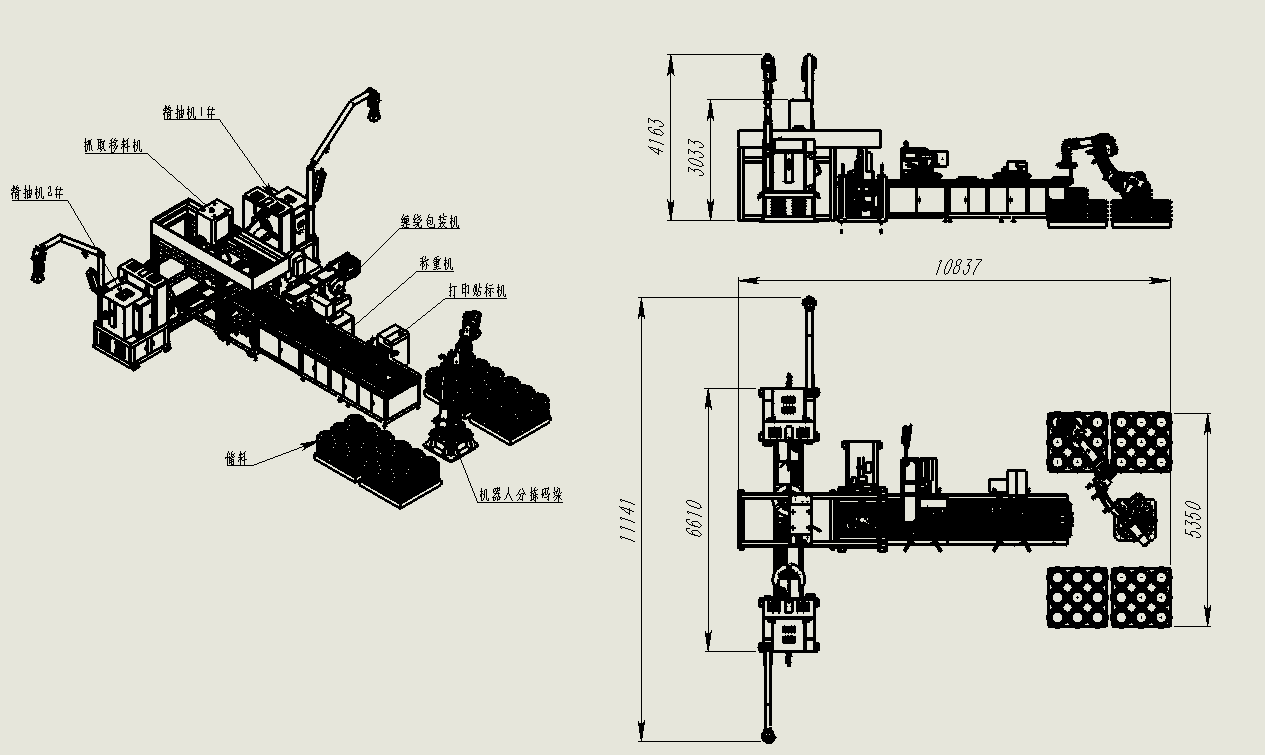
Many steel plant executives in Greece are looking for smart ways to upgrade their facilities. They want to stay competitive. They also care about their employees. If you are one of them, then understanding the real benefits of automated coil packing is important. Let us look closer at how this technology can transform your plant.
Why Are Manual Coil Packing Methods a Safety Hazard in Greek Steel Plants?
Manual coil packing, especially with heavy steel coils, poses significant risks. Workers often handle very heavy items. They use straps and wrapping materials. This work can be dangerous. It leads to many workplace injuries. This is a big concern for managers in Greek plants. They want to protect their people. They also need to keep production moving.
Manual coil packing is a major safety hazard in Greek steel plants because it involves heavy lifting, repetitive motions, and exposure to moving machinery, leading to a high risk of musculoskeletal injuries, crushed limbs, and other accidents for workers, directly impacting employee well-being and plant productivity.
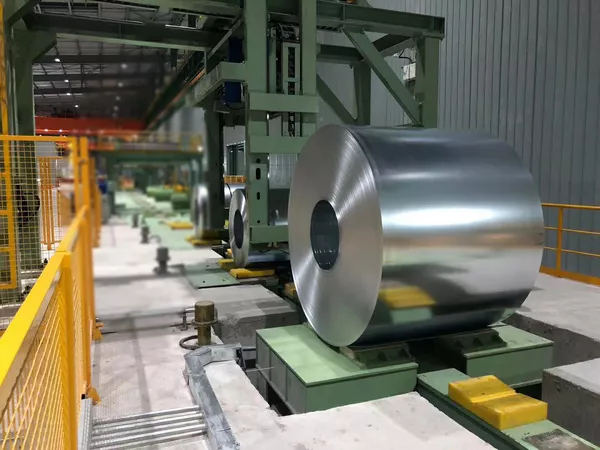
From my experience, I have seen too many times how manual handling of steel coils causes problems. It is not just about the immediate injury. It also impacts worker morale and efficiency. This leads to higher turnover and greater training costs. These issues affect the whole plant operation. It becomes hard to keep a stable workforce.
-
Risk of Crushing and Impact Injuries:
- Steel coils are very heavy. They can weigh several tons. Moving them by hand, even with basic equipment, is risky. If a coil shifts or falls, it can cause severe crushing injuries. These injuries often mean broken bones, internal damage, or even death. Workers are always near heavy moving loads. This makes accidents a constant threat. I know of cases where workers lost fingers or hands while trying to manually guide a coil. This risk is always present in a manual setup.
- Example: A worker trying to manually position a 2-ton coil can easily get caught if the crane operator makes a small error. Or, if the coil is not secured properly, it can roll unexpectedly. This creates an immediate danger zone. Manual strapping also means workers are close to the coil as tension is applied. If a strap breaks, it can whip back with great force. This causes serious impact injuries. Automated systems remove workers from these danger zones. They handle the coils and straps without human contact. This significantly reduces the chance of accidents.
-
Musculoskeletal Disorders from Repetitive Strain:
- Packing coils involves many repetitive actions. Workers bend, lift, twist, and pull all day long. They apply straps. They wrap protective materials. Doing these actions over and over causes stress on the body. This leads to long-term health problems. These include back pain, shoulder injuries, and carpal tunnel syndrome. Such conditions mean workers need time off. They might need medical treatment. This increases healthcare costs for the company. It also lowers the overall output of the plant.
- Example: Imagine a worker manually applying PET straps to dozens of coils each shift. They must pull the strapping tight, seal it, and then cut it. This takes a lot of physical effort. The repeated stress on their wrists, shoulders, and back builds up over time. Over years, this leads to chronic pain and reduced ability to work. Automated systems do these tasks with precision. They do not get tired. They perform the same actions perfectly every time. This protects workers from the physical strain. It ensures a healthier workforce for the long run.
-
Exposure to Hazardous Materials and Environments:
- Packing often exposes workers to dust, oil, and sharp edges. Steel coils can have burrs. The packaging materials themselves sometimes have chemical components. Manual handling means direct contact with these elements. This can cause skin irritations or respiratory issues. The packing areas are also often noisy and busy. This adds to the stress. This environment makes it harder to focus. It increases the chance of making a mistake.
- Example: When wrapping coils with rust-preventive paper or film, workers might inhale small particles or vapors. If the coils are oily, they can slip, leading to falls. The continuous noise from cranes and other machinery in the packing area can lead to hearing loss over time. An automated line keeps workers at a safe distance. They operate machines from control panels. This reduces their exposure to hazardous substances and loud noises. It creates a much safer and cleaner working environment.
How Does Automation Address Labor Shortages and Inconsistent Quality in Greece?
Labor shortages are a growing problem for Greek industries. Young workers often do not want physically demanding jobs. Steel plants struggle to find enough people for packing. This shortage makes it hard to keep production steady. Also, when humans do the packing, the quality can vary. This leads to customer complaints. Plant managers ask me how automation can help with these two big issues.
Automation effectively addresses labor shortages in Greek plants by reducing the need for manual labor, allowing fewer workers to manage more output. It solves inconsistent quality by performing tasks with precision and repeatability, ensuring every coil meets specific standards, regardless of human fatigue or skill level.
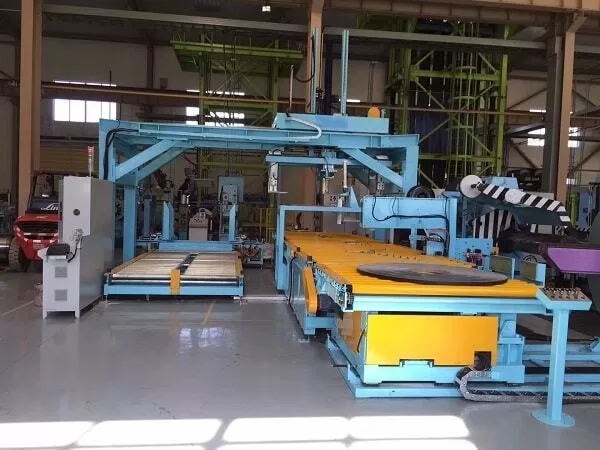
I have seen many plants face these exact problems. They cannot find enough workers. The workers they have are tired. This leads to mistakes. These mistakes cost money and reputation. Automation is not just about replacing people. It is about making the best use of the people you have. It also ensures every product is packed perfectly.
-
Mitigating Labor Shortages and High Turnover:
- Manual packing is very demanding work. It is physically tough. It can be repetitive. These jobs are often hard to fill. Young people look for less strenuous work. This means plants have high worker turnover. They spend a lot of time and money training new staff. Then those staff leave. An automated coil packing line takes over the heavy and repetitive tasks. This means fewer workers are needed. The workers who remain can focus on supervising the machines. They can do more skilled work. This makes their jobs safer and more interesting. It helps retain staff.
- Example: A plant that once needed six people per shift for manual strapping and wrapping might now only need two to monitor an automated line. These two workers are not lifting heavy straps or walking around coils all day. They are overseeing the process, ensuring smooth operation, and handling any exceptions. This shift changes the job profile. It makes the work more appealing. It reduces the physical burden. It also means the plant is less reliant on finding a large pool of manual laborers. This gives the plant more stability in its workforce. It allows them to produce consistently even when labor is scarce.
-
Ensuring Consistent Packaging Quality:
- Human workers can get tired. They can get distracted. Their skill level might change from person to person. This leads to inconsistent packing. Some coils might have loose straps. Others might have uneven wrapping. This causes problems during transport. It can lead to product damage. Customers then complain. They might even send products back. This costs the plant money and damages its reputation. Automated lines perform every task with exact precision. They apply the same tension every time. They use the same amount of material. This ensures every coil is packed to the same high standard.
- Example: Manual application of stretch film often results in varying film tension. Some parts of the coil might be too tight, others too loose. This makes the package unstable. It offers poor protection against moisture or impact. An automated orbital wrapper, however, applies film with consistent tension and overlap. It covers the coil evenly. This protects the product better. It also looks more professional. The machine does not get tired. It does not make mistakes. This means predictable, high-quality packaging for every single coil, every time. This consistency builds customer trust and reduces costly reworks.
-
Adapting to Diverse Production Needs:
- Modern steel plants produce many types of coils. They have different sizes, weights, and surface finishes. Each might need a specific packing method. Manual systems struggle with this variety. Switching between different packing styles takes time. It also needs specialized skills from workers. This slows down production. It can also lead to errors. Automated systems are designed for flexibility. They can change settings quickly. They adapt to different coil specifications. They also apply various packing materials.
- Example: One day, a plant might produce cold rolled coils needing PET strapping and stretch film. The next day, it might produce galvanized coils needing steel strapping and rust-preventive paper. Manually, this means changing tools, materials, and training for workers. It causes downtime. An automated line can often be programmed to handle these different requirements. It uses pre-set recipes. It can switch between PET and steel strapping. It can add different wrapping materials. This flexibility makes the packing process much more efficient. It allows the plant to meet diverse customer demands without losing time or quality.
Can a Modern Coil Packing Line Meet Diverse Customer Demands and Export Standards?
Today’s customers have very specific needs. They want coils packed a certain way. They expect high quality. If a plant exports, it must follow strict international standards. This includes certifications like CE or ISO. It also means things like barcodes and strong moisture protection. Many Greek plants worry if their current packing can meet these demands. They ask if an automated line is flexible enough.
Yes, a modern coil packing line is specifically designed to meet diverse customer demands and strict export standards. It achieves this by integrating multiple packing methods, ensuring precise application of materials, and allowing for customizable processes like automatic labeling and enhanced moisture protection, all critical for international markets.

I have helped many clients upgrade their packing lines. Their goal was always the same: open new markets. They wanted to serve more demanding customers. This often meant exporting. FHOPEPACK works to build systems that are not just efficient but also versatile. These systems help companies comply with global requirements.
-
Versatility in Packaging Methods:
- Customers have different preferences. Some prefer PET strapping for lighter coils. Others need steel strapping for heavy-duty applications. Some require full shrink-wrap. Others need anti-corrosion paper. A manual system struggles to offer all these options. It needs different tools and materials. It takes time to switch. A modern automated line can combine many methods. It can use different types of strapping. It can apply various wrapping films. This allows the plant to customize each package. It meets the exact needs of each customer. This flexibility is key for a diverse market.
- Example: A Greek steel plant might have local customers who only need basic strapping. But its export customers in Germany might need PET strapping, plus a full orbital stretch wrap for moisture protection, and a specific barcode label. A manual setup would mean a lot of effort and separate processes. An automated line can be programmed to do all these steps in one continuous flow. It changes strapping materials. It adds different layers of film. It ensures correct labeling. This adaptability allows the plant to handle complex orders efficiently. It expands their customer base.
-
Compliance with International Export Standards (CE/ISO):
- Exporting goods means following strict rules. Countries have their own standards. These often include CE marking for Europe. They also include ISO certifications for quality management. Packing needs to meet these rules. This involves strong, secure packing. It also needs clear labeling. Manual packing can sometimes fall short. It might not be consistent enough. An automated line ensures consistent quality. It uses precise application. This helps meet these high standards. It makes products ready for global shipping.
- Example: For CE certification, packaging must prove its integrity during transport. This means consistent strap tension and durable wrapping. Manual methods often have variations. This can lead to non-compliance. An automated strapping machine applies consistent tension every time. An orbital wrapper ensures uniform film coverage. This makes the packaging reliable. It helps the plant achieve and maintain certifications. This opens doors to more international markets. It prevents delays at customs. It also avoids potential fines.
-
Enhanced Protection (Moisture, Rust, Scratches) and Traceability:
- Steel coils need protection. They must not get wet or rust. They must not get scratched. This is especially true for export. The journey can be long. It can involve different climates. Good packing keeps the product safe. It ensures it arrives in perfect condition. Automated systems apply protective layers evenly. They seal packages tightly. They also add important labels like barcodes. These labels help track the product. This makes logistics easier. It also boosts customer confidence.
- Example: Imagine a coil shipped from Greece to a humid country. If packed manually, the anti-rust paper might not be tight enough. The stretch film might have gaps. This lets moisture in. The coil could arrive rusted. An automated line applies multiple layers of protective film. It might use VCI (Volatile Corrosion Inhibitor) paper. It seals everything very tightly. It can also integrate automatic labeling for barcodes and QR codes. This ensures traceability. It helps customers know exactly what they received. This level of protection and information is essential for modern supply chains.
What is the Real ROI of Investing in an Automated Coil Packing Solution for Greek Manufacturers?
Investing in big machinery like an automated coil packing line is a major decision. Plant managers in Greece want to know the return on investment (ROI). They look at the initial cost. They also look at the long-term benefits. They want to know if it will truly save them money. They also want to know if it will make their plant better overall. This is where my experience helps clarify the real value.
The real ROI of an automated coil packing solution for Greek manufacturers is substantial, extending beyond immediate cost savings. It includes significant reductions in labor, material waste, and accident-related expenses, combined with increased production efficiency, higher product quality, and improved market access, leading to enhanced profitability and competitiveness.

When I started FHOPEPACK, I knew that true value was not just about the machine itself. It was about the solution it provided. It was about how it changed a client’s business. Many times, the upfront cost seems high. But when you look at the total picture, the benefits far outweigh that cost. This is especially true for modern Greek manufacturers aiming for global markets.
-
Reduced Operational Costs:
- Labor costs are a big part of any manufacturing budget. Manual packing needs many workers. An automated line needs fewer people to run it. This saves a lot on salaries and benefits. It also cuts costs related to worker injuries. There are fewer accidents. This means lower insurance premiums and less lost work time. Automation also optimizes material use. It applies exactly the right amount of film or strapping. This reduces waste. Over time, these savings add up. They make a big difference to the bottom line.
- Example: Consider a plant currently employing six packers per shift, three shifts a day. That is eighteen people. With an automated line, this might drop to two operators per shift, or six people total. The savings in wages alone are huge. Plus, the automated system uses packaging materials more efficiently. It cuts down on film and strap waste that often happens with manual packing. If a plant saves even 10% on packing material costs each year, that quickly offsets the investment. Fewer injuries mean lower medical bills. It means less money spent on temporary staff. This all boosts the plant’s financial health.
-
Increased Production Efficiency and Throughput:
- Manual packing is slow. It has limits. It cannot keep up with high production speeds. An automated line works much faster. It works continuously. It does not need breaks. It handles more coils per hour. This means the plant can produce more. It can process orders quicker. This shortens lead times for customers. It also helps meet higher demand. This boosts the plant’s overall output. It makes the whole operation more streamlined.
- Example: A manual packing station might process 10-15 coils per hour. An automated coil packing line can often process 30-60 coils per hour or more. This massive increase in speed means the plant can ship out products much faster. It prevents bottlenecks at the end of the production line. This also means the plant can take on larger orders. It can serve more customers. This increased capacity directly translates into higher revenue potential and improved market responsiveness.
-
Improved Product Quality and Customer Satisfaction:
- Inconsistent packing leads to product damage. It causes customer complaints. This hurts a company’s reputation. It can also lead to lost sales. Automated packing is always consistent. It protects the coils better. This means products arrive in perfect condition. Happy customers are repeat customers. They are also more likely to recommend the plant to others. High-quality packing also helps meet strict export standards. This opens up new markets. It expands the plant’s business.
- Example: If a customer receives a rusted or scratched coil, they might return it. They might even stop ordering. This costs the plant money and future business. An automated line ensures consistent, protective packaging. This virtually eliminates transit damage. When customers receive perfect coils every time, their satisfaction grows. They trust the brand more. This leads to stronger customer relationships. It also allows the plant to charge a premium for its high-quality, perfectly packed products. This positive reputation is invaluable in a competitive market.
Conclusion
Investing in an automated coil packing line offers Greek steel plants a strategic advantage. It significantly enhances worker safety, drastically cuts operational costs through efficiency and reduced waste, and ensures superior packaging quality that meets global demands. This comprehensive solution provides a strong return on investment, securing a more competitive and sustainable future for manufacturers ready to upgrade their coil packing line operations.








