

Budgeting for a Mold Upender: Cost Breakdown & Tips
Are you tired of wrestling with heavy molds, risking injury and slowing down production? Imagine a solution that not only eases the strain but also boosts efficiency. Investing in a mold upender can transform your operations, but understanding the costs is crucial. Without a clear budget, you might hesitate, missing out on significant long-term benefits.
Budgeting for a mold upender involves understanding both the initial investment and ongoing operational costs. The price varies based on capacity, features, and automation level, typically ranging from \$5,000 to \$50,000 or more. However, this investment streamlines mold handling, reduces labor costs, enhances safety, and minimizes mold damage, offering substantial returns over time.
This guide dives deep into the financial aspects of acquiring a mold upender. Let’s break down the costs and explore smart budgeting strategies to make this valuable equipment accessible for your business.
Decoding the Initial Investment: Mold Upender Cost Breakdown
The upfront cost of a mold upender can seem daunting. It’s a significant investment, and without a clear understanding of what you’re paying for, it’s easy to feel hesitant. However, breaking down the initial expenses reveals the true value and necessity of each component.
The initial investment in a mold upender typically includes the machine itself, installation charges, and training for operators. The machine cost varies widely based on load capacity, lifting height, tilting angle, and automation features, ranging from basic manual models around \$5,000 to sophisticated hydraulic or electric upenders exceeding \$30,000. Installation might add another \$500 to \$3,000 depending on complexity and site preparation. Operator training, crucial for safety and efficiency, can range from \$500 to \$1,500, covering operational procedures and basic maintenance.

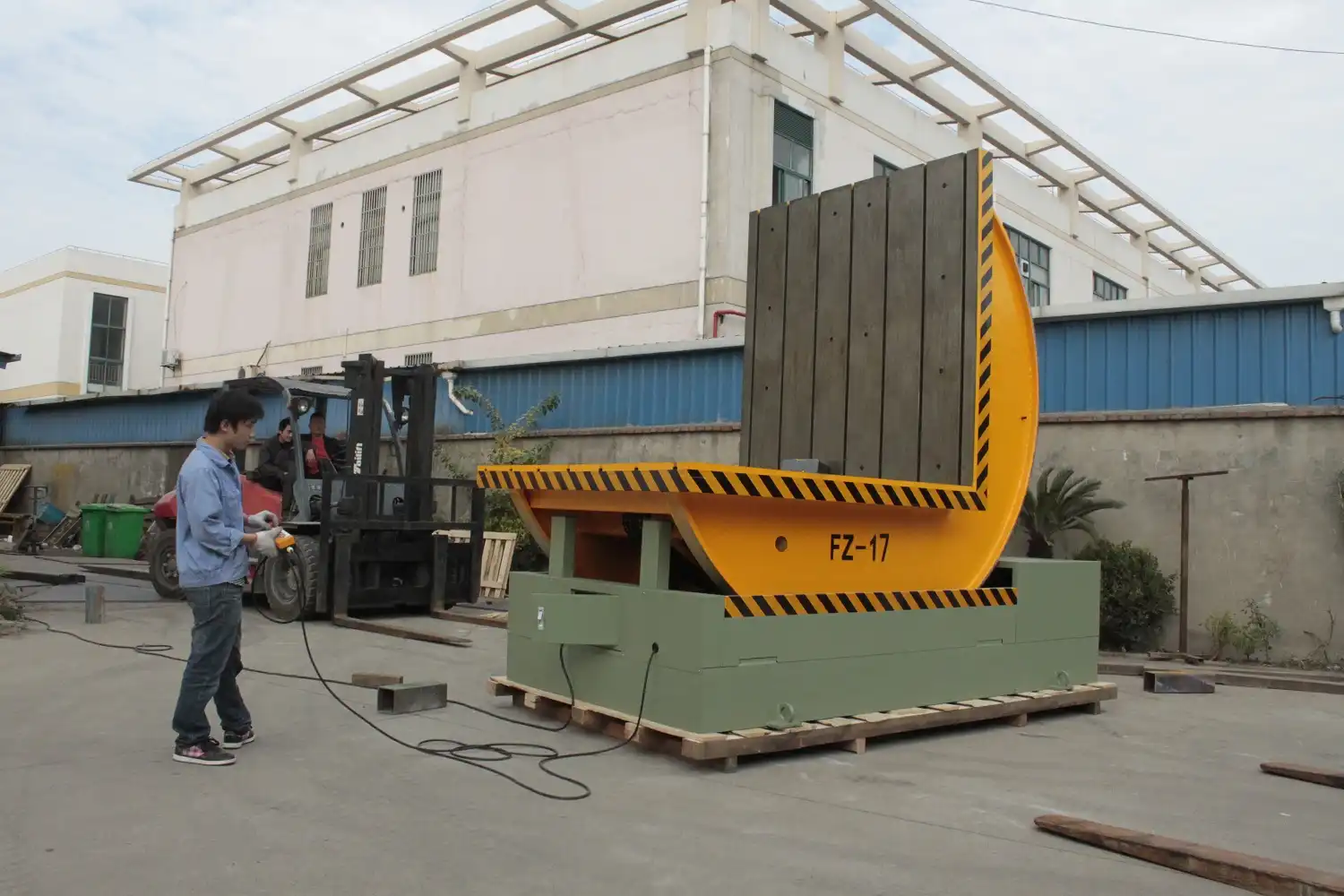
To truly grasp the initial investment, we need to dissect each element. Let’s delve deeper into the specifics that influence the price tag of your mold upender.
Dissecting the Price Tag: A Closer Look at Initial Costs
Understanding the nuances of each cost component empowers you to make informed decisions and potentially optimize your budget. The initial investment isn’t just one lump sum; it’s a combination of factors, each contributing to the overall value and functionality of your mold upender.
1. Machine Specifications and Price Tiers
The core cost, naturally, is the mold upender itself. Prices fluctuate dramatically based on specifications. A manual upender, suitable for lighter molds and occasional use, will be significantly cheaper than a fully automated hydraulic model designed for heavy-duty, continuous operation.
| Feature | Manual Upender | Hydraulic Upender | Electric Upender |
|---|---|---|---|
| Load Capacity | Up to 2,000 lbs | 2,000 lbs to 20,000+ lbs | 2,000 lbs to 15,000 lbs |
| Operation | Manual crank or hand pump | Hydraulic cylinder, powered by electric motor | Electric motor and actuators |
| Tilting Angle | Typically 90 degrees | 90 or 180 degrees (some models) | 90 or 180 degrees (some models) |
| Automation | Minimal | Optional hydraulic clamping, remote control | Programmable controls, integration with systems |
| Price Range (USD) | \$5,000 – \$10,000 | \$10,000 – \$30,000+ | \$15,000 – \$40,000+ |
| Pros | Lower initial cost, simple operation | Higher capacity, faster operation, less manual labor | Precise control, energy-efficient, quieter operation |
| Cons | Limited capacity, manual labor intensive | Higher initial cost, potential hydraulic leaks | Higher initial cost, may require specialized maintenance |
Choosing the right type hinges on your specific needs. For smaller shops with lighter molds, a manual or basic hydraulic upender might suffice. Larger operations handling heavy molds and demanding high throughput will benefit from investing in a robust hydraulic or electric model with advanced features.
2. Installation and Integration Expenses
Don’t forget about installation costs. A mold upender isn’t simply plugged in and ready to go. Depending on the model and your facility, installation can involve:
- Site Preparation: Ensuring a level and stable floor capable of supporting the upender and maximum mold weight. This might involve minor concrete work.
- Electrical Hookup: For hydraulic and electric models, you’ll need to connect to your electrical system. The complexity and cost depend on your existing electrical infrastructure and the upender’s power requirements.
- Safety Features: Installation should include safety features like perimeter guarding, safety light curtains, or pressure-sensitive mats, especially for automated systems.
- Integration: If you plan to integrate the upender with existing material handling systems or control systems, this will add to the installation complexity and cost.
These installation expenses are often overlooked but are a necessary part of the initial investment. Obtain detailed quotes that include installation to avoid surprises.
3. Training and Onboarding Costs
Proper training is paramount for safe and efficient operation. Budget for training costs, which can include:
- Operator Training: Training for personnel who will be operating the mold upender. This should cover safe operating procedures, basic maintenance, and troubleshooting.
- Maintenance Training: For in-house maintenance staff to perform routine maintenance and minor repairs, reducing reliance on external service providers.
- Training Materials: The cost of manuals, videos, or other training resources.
- On-site vs. Off-site Training: On-site training is often more effective as it’s tailored to your specific equipment and environment, but it might be more expensive than sending personnel to off-site training facilities.
Investing in thorough training upfront minimizes the risk of accidents, ensures optimal equipment utilization, and reduces downtime due to operator error or improper maintenance.
Operational Expenses: Beyond the Purchase Price
The initial purchase price is just the tip of the iceberg. Like any piece of machinery, a mold upender incurs ongoing operational expenses. Failing to account for these can skew your budget and impact the long-term profitability of your investment.
Beyond the initial cost, operating a mold upender involves expenses like routine maintenance, energy consumption, and labor costs. Regular maintenance, including inspections, lubrication, and parts replacement, can range from \$300 to \$1,000 annually, depending on usage and complexity. Energy costs, especially for hydraulic and electric models, vary with electricity rates and usage patterns, potentially adding \$100 to \$500 per year. However, the most significant operational saving comes from reduced labor costs and improved efficiency. A mold upender can free up 1-2 workers per mold change, saving \$50,000 – \$100,000+ in annual labor costs, while also decreasing mold changeover time by 30-50%.

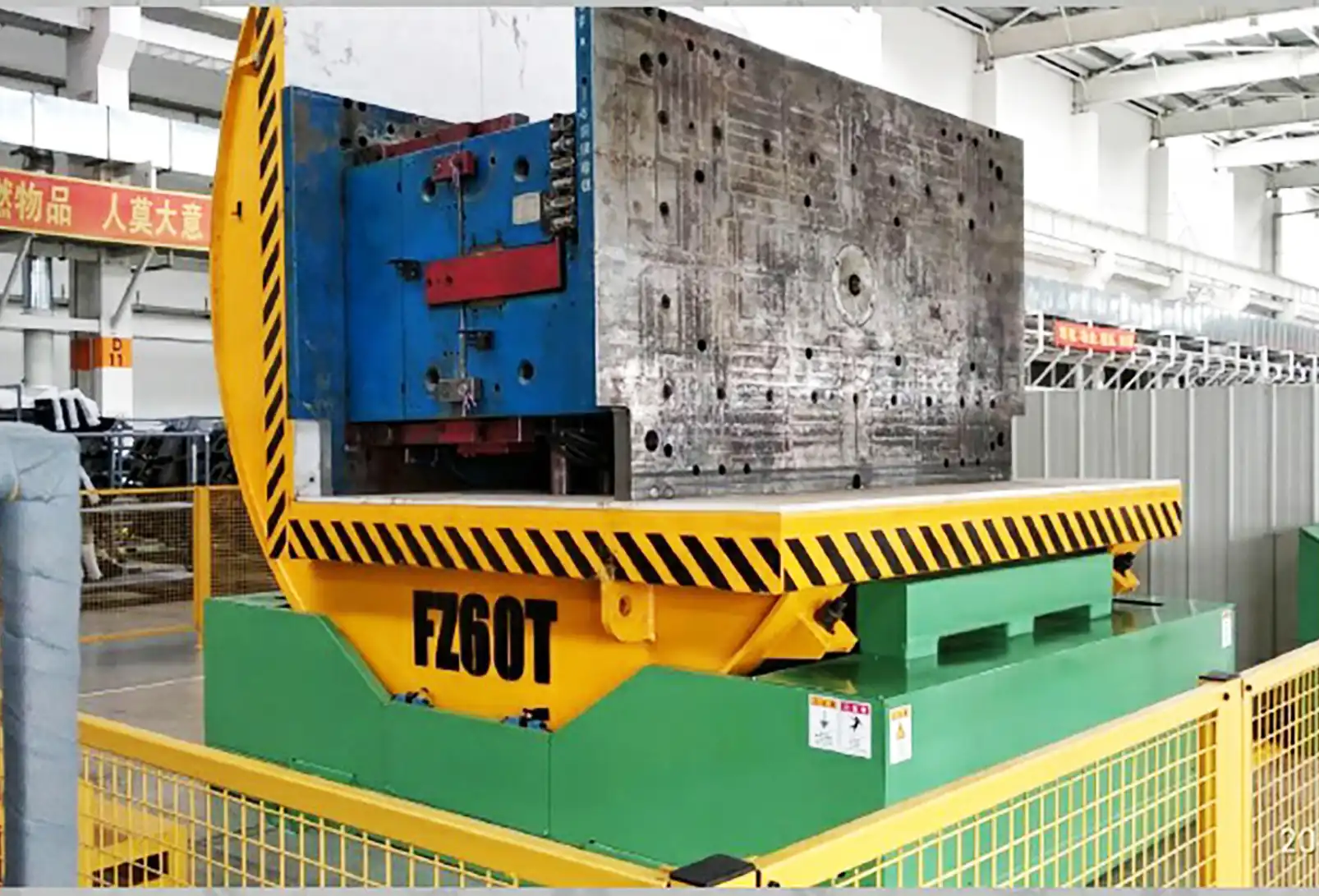
Let’s unpack these operational costs and explore how they contribute to the overall cost-benefit analysis of a mold upender.
The Long-Term Cost Picture: Analyzing Operational Expenses
Operational costs are the recurring expenses you’ll face throughout the lifespan of your mold upender. Understanding and managing these costs is crucial for maximizing your return on investment.
1. Maintenance and Repair Costs
Preventive maintenance is key to extending the life of your mold upender and minimizing downtime. Budget for:
- Routine Inspections: Regular visual inspections and functional checks to identify potential issues early.
- Lubrication: Regular lubrication of moving parts to reduce friction and wear.
- Parts Replacement: Budget for replacement of wear parts like hydraulic hoses, seals, bearings, or electrical components.
- Scheduled Servicing: Consider a service contract with the manufacturer or a qualified technician for periodic servicing and more complex maintenance tasks.
Neglecting maintenance leads to breakdowns, costly repairs, and production delays. A proactive maintenance plan is a smart investment.
2. Energy Consumption
Hydraulic and electric mold upenders consume electricity. Energy costs depend on:
- Upender Power Rating: Larger, more powerful upenders consume more energy.
- Usage Frequency: How often and for how long the upender is used.
- Electricity Rates: Your local electricity costs.
- Energy Efficiency Features: Some modern upenders incorporate energy-saving features like variable frequency drives or regenerative braking.
While energy costs might seem minor compared to other expenses, they accumulate over time. Choose energy-efficient models and optimize usage patterns to minimize these costs.
3. Labor Efficiency and Potential Downtime Costs
While a mold upender doesn’t directly add to labor costs, it significantly impacts labor efficiency and reduces potential downtime costs. Consider:
- Reduced Manual Labor: A mold upender eliminates the need for manual lifting and maneuvering of heavy molds, freeing up valuable labor for other tasks. This translates to direct labor cost savings, especially in operations with frequent mold changes.
- Faster Mold Changeovers: Upenders significantly speed up mold changeover times. Reduced changeover time means increased production uptime and throughput.
- Minimized Mold Damage: Safer and controlled mold handling with an upender reduces the risk of accidental mold damage, saving on costly mold repairs or replacements.
- Improved Safety and Reduced Injury Costs: By eliminating manual heavy lifting, upenders drastically reduce the risk of worker injuries, leading to lower workers’ compensation claims and lost productivity due to injuries.
Quantifying these benefits can be challenging but is essential for a complete cost-benefit analysis. Calculate potential labor savings, increased production output, and reduced downtime to understand the true financial impact of a mold upender.
Smart Budgeting Tips for Mold Upender Acquisition
Budgeting for a mold upender doesn’t have to be a financial strain. With smart planning and strategic approaches, you can make this investment manageable and reap the rewards of improved efficiency and safety.
Effective budgeting for a mold upender involves careful needs assessment, securing multiple quotes, exploring financing options, and focusing on long-term ROI. Start by clearly defining your mold handling requirements and the upender specifications needed. Obtain at least three quotes from reputable suppliers, comparing not just prices but also features, warranties, and service. Explore financing or leasing options to spread out the initial investment. Prioritize long-term return on investment by considering labor savings, efficiency gains, and reduced downtime, rather than solely focusing on the lowest upfront price.

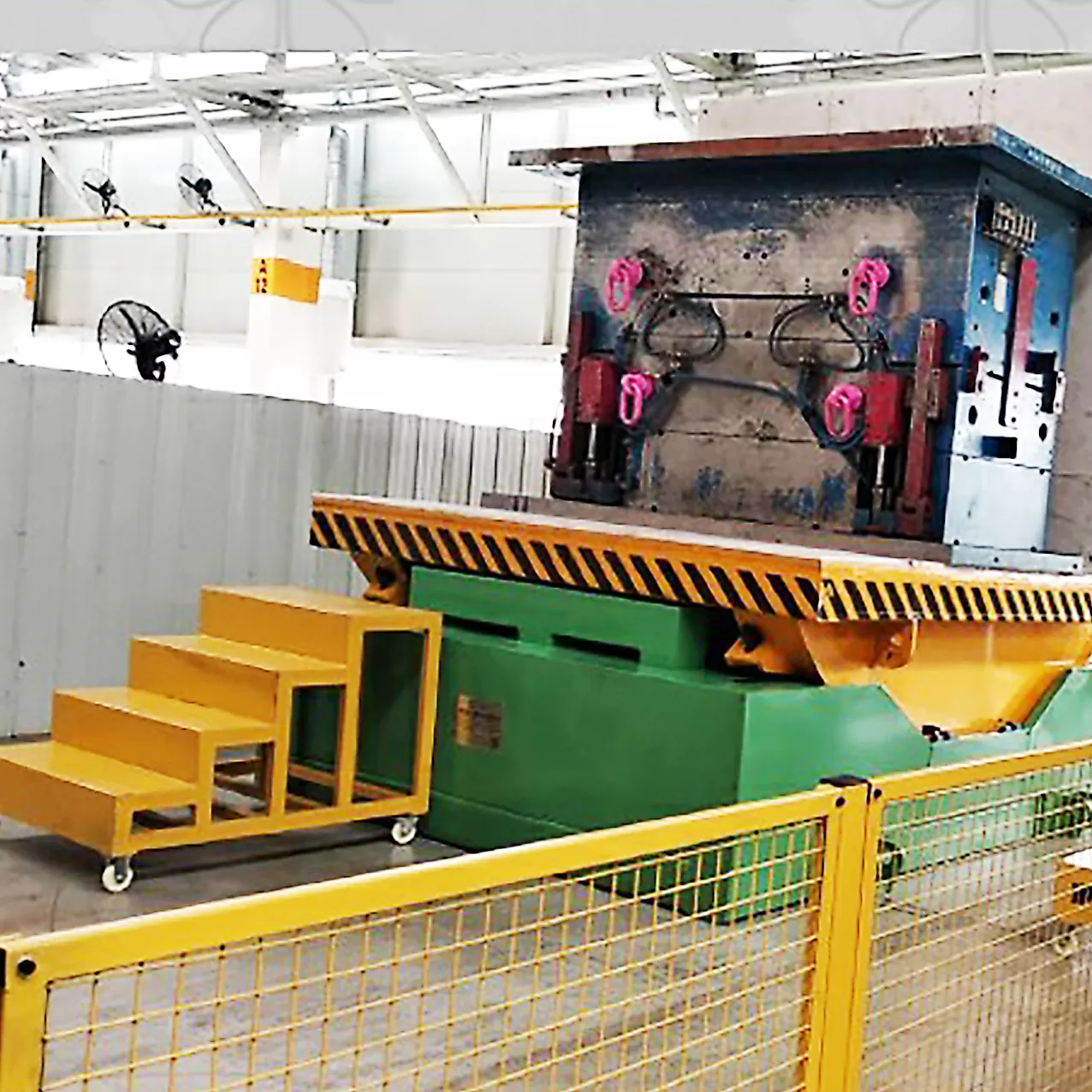
Let’s explore practical budgeting tips to make mold upender acquisition a financially sound decision for your business.
Making the Investment Work for You: Budgeting Strategies
Smart budgeting is about maximizing value while staying within your financial constraints. These tips will guide you through the process of acquiring a mold upender without breaking the bank.
1. Conduct a Thorough Needs Assessment
Before you even start looking at prices, define your needs. Ask yourself:
- What is the maximum mold weight you handle? This determines the required load capacity of the upender.
- What are the dimensions of your largest molds? Ensure the upender can accommodate your mold sizes.
- How frequently do you change molds? More frequent changes justify a higher investment in a faster, more automated upender.
- What is your available floor space? Consider the footprint of the upender and required operating space.
- What are your safety requirements? Identify necessary safety features for your specific environment.
- What is your budget range? Establish a realistic budget based on your financial capacity and expected ROI.
A clear needs assessment prevents overspending on features you don’t need and ensures you choose an upender that truly addresses your requirements.
2. Secure Multiple Quotes and Negotiate
Don’t settle for the first quote you receive. Get quotes from at least three reputable mold upender suppliers. When comparing quotes:
- Compare “apples to apples”: Ensure all quotes are for comparable models with similar specifications and features.
- Look beyond the base price: Scrutinize included features, warranties, installation costs, and training.
- Negotiate: Don’t be afraid to negotiate prices. Suppliers often have some flexibility, especially if you are a serious buyer and have multiple quotes to leverage.
- Check for hidden costs: Clarify any potential extra charges for shipping, installation, or additional features.
Competitive quotes and skillful negotiation can significantly reduce your initial investment.
3. Explore Financing and Leasing Options
If the upfront cost is a barrier, explore financing or leasing.
- Financing: Obtain a loan to purchase the upender. You own the equipment and build equity, but you incur interest charges.
- Leasing: Lease the upender for a fixed period. Lower upfront costs and predictable monthly payments, but you don’t own the equipment at the end of the lease term.
| Option | Upfront Cost | Monthly Payments | Ownership | Flexibility | Long-Term Cost | Best For |
|---|---|---|---|---|---|---|
| Financing | Higher | Higher | Yes | Less | Higher overall | Businesses wanting to own equipment, build equity |
| Leasing | Lower | Lower | No | More | Potentially higher overall | Businesses prioritizing cash flow, flexibility |
Carefully evaluate the pros and cons of each option and choose the one that best aligns with your financial situation and long-term goals.
4. Focus on Long-Term ROI, Not Just Initial Price
Resist the temptation to choose the cheapest option solely based on initial price. Focus on long-term return on investment (ROI). A slightly more expensive, higher-quality upender with better features and durability can offer greater ROI in the long run through:
- Reduced downtime
- Lower maintenance costs
- Longer lifespan
- Greater labor savings
- Improved safety and reduced injury costs
Calculate the potential ROI by considering these long-term benefits. A well-justified investment with a strong ROI will pay for itself many times over.
ROI and Long-Term Financial Benefits
The true value of a mold upender isn’t just about easing physical strain; it’s about the long-term financial benefits it brings to your operation. Quantifying the return on investment solidifies the decision to invest and justifies the initial expenditure.
Investing in a mold upender yields substantial long-term financial benefits through reduced labor costs, enhanced safety, minimized mold damage, and increased productivity. Labor cost savings alone can range from \$50,000 to \$100,000+ annually by freeing up personnel. Reduced mold damage can save thousands in repair or replacement costs. Increased productivity from faster mold changes directly boosts output. Improved safety significantly lowers potential worker injury costs and insurance premiums. Collectively, these benefits often result in a full ROI within 1-3 years, making a mold upender a financially sound investment.

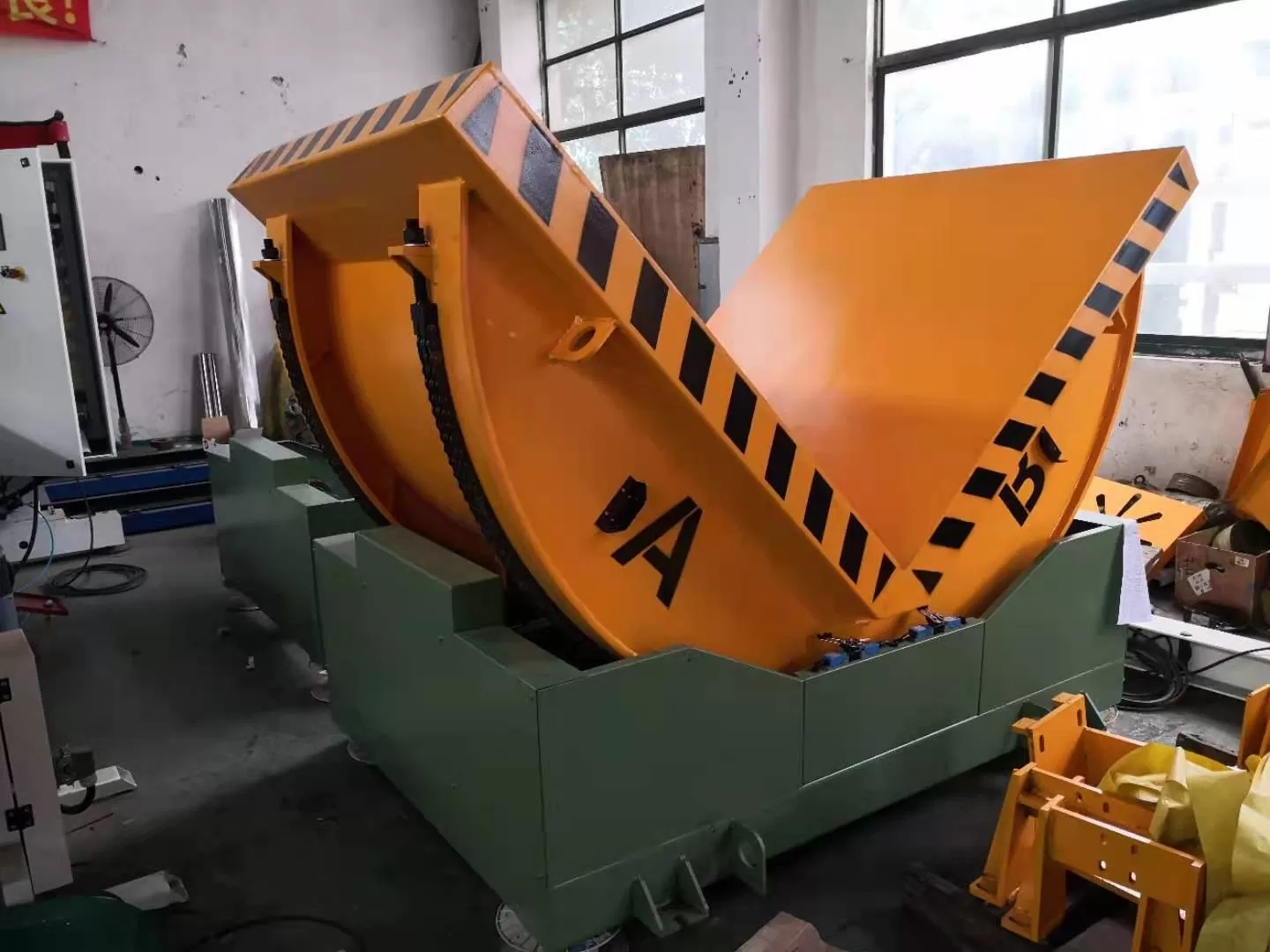
Let’s delve into the specifics of ROI calculation and explore the tangible financial advantages of incorporating a mold upender into your operations.
The Numbers Speak Volumes: Quantifying the Return on Investment
Calculating the ROI of a mold upender requires considering both the costs and the benefits over its lifespan. Here’s a framework for calculating ROI:
-
Calculate Total Initial Investment (I): This includes the machine cost, installation, and training expenses.
-
Estimate Annual Operational Savings (S): Quantify savings from:
- Labor Cost Savings: (Number of workers freed up) x (Average annual salary + benefits)
- Reduced Mold Damage Costs: (Average annual mold repair/replacement costs before upender) – (Estimated costs after upender)
- Increased Productivity Value: (Increase in production output in units/year) x (Profit margin per unit)
- Reduced Downtime Savings: (Cost of downtime per hour) x (Reduction in mold changeover time in hours/year)
- Safety and Injury Cost Reduction: (Average annual worker compensation claims and injury-related costs before upender) – (Estimated costs after upender)
-
Estimate Annual Operational Costs (C): Include:
- Maintenance Costs: (Annual maintenance and service expenses)
- Energy Costs: (Annual electricity consumption costs)
-
Calculate Net Annual Savings (N): N = S – C
-
Calculate ROI Period (Years): ROI Period = I / N
Example ROI Calculation:
- Initial Investment (I): \$25,000 (Hydraulic upender, installation, training)
- Annual Labor Savings: \$60,000 (Freeing up 1.5 workers)
- Reduced Mold Damage Savings: \$5,000
- Increased Productivity Value: \$10,000
- Reduced Downtime Savings: \$3,000
- Safety and Injury Cost Reduction: \$2,000
- Total Annual Savings (S): \$80,000
- Annual Maintenance Costs (C): \$800
- Annual Energy Costs (C): \$200
- Total Annual Operational Costs (C): \$1,000
- Net Annual Savings (N): \$80,000 – \$1,000 = \$79,000
- ROI Period: \$25,000 / \$79,000 = 0.32 years (approximately 4 months)
In this example, the mold upender pays for itself in just a few months, demonstrating a rapid and substantial return on investment. While your specific numbers may vary, this framework provides a clear path to quantify the financial benefits for your business.
Conclusion
Budgeting for a mold upender is an investment in efficiency, safety, and long-term profitability. By understanding the breakdown of mold upender cost, considering operational expenses, and implementing smart budgeting strategies, you can confidently acquire this valuable equipment. Focus on the long-term ROI, and you’ll find that a mold upender is not just an expense, but a strategic asset that significantly enhances your manufacturing operations and bottom line.












