
Can Automated Panel Wrapping Using Horizontal Orbital Wrappers Boost Your Market Edge?
Factories like yours face immense pressure every day. You work hard to increase output. You also fight to control costs. Ensuring safety is another huge challenge. In Mexico, and around the world, I see factory managers like Michael Chen dealing with these same problems. They often deal with manual packing. This process is slow. It also costs a lot of money. It puts workers at risk. Products can get damaged. This impacts your whole business. Are you ready to change this?
Automated panel wrapping, especially with horizontal orbital wrappers, can boost your factory’s market edge. It solves key problems. These problems include slow production, safety risks, and product damage. This technology offers a clear path to higher efficiency. It also improves safety. It cuts down on costs. It protects your valuable products. This leads to better customer satisfaction and higher profits.
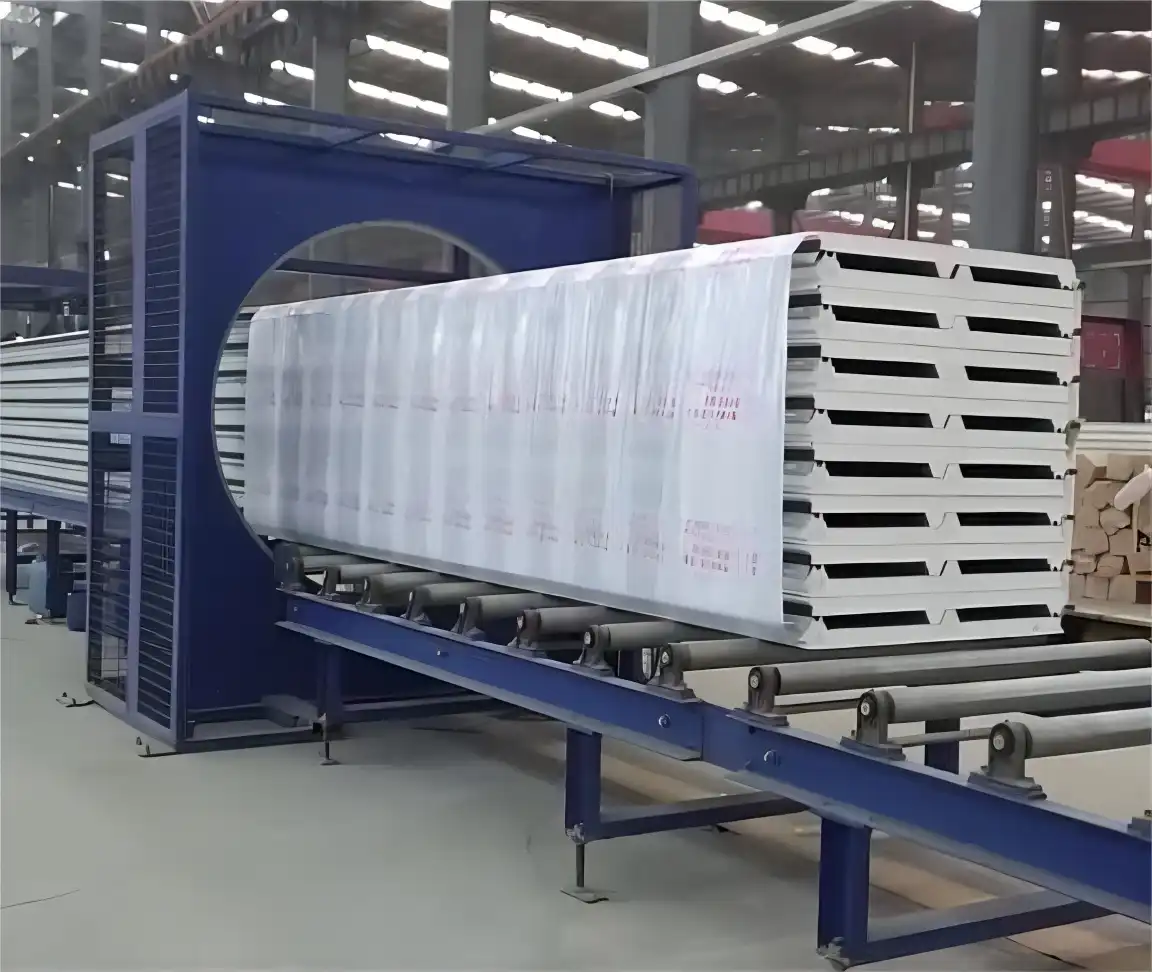
You are probably looking for real solutions. You want a partner who understands your challenges. You need equipment that truly works. I have built a packing machine factory myself. I have seen what works and what does not. Let me share my insights. I can show you how this technology can transform your operations. Keep reading to discover the details.
Can Automated Wrapping Really Boost Your Production Efficiency?
Are your current packing lines holding you back? Many factories, like those in the metal processing industry in Mexico, rely on old methods. They use a lot of manual labor. This makes the packing process slow. It creates a bottleneck at the end of the line. Your production can only move as fast as your slowest step. This directly impacts your delivery times. It frustrates your customers.
Automated wrapping significantly boosts production efficiency. It removes human limitations from the packing process. Machines work faster. They work consistently. They do not get tired. This means your steel coils, panels, or wires can be wrapped much quicker. This frees up your production line. It allows more products to move out of your factory each day. You can handle higher volumes easily.

Automating your wrapping process is more than just buying a new machine. It is about redesigning your workflow. It is about removing those slow points. Think about how many steel coils or bundles of wire you produce daily. Now, think about how long each one takes to pack by hand. Manual steps always introduce delays. They also introduce errors. An automated system integrates smoothly into your existing line. It takes over the repetitive, time-consuming tasks. This includes wrapping, sealing, and sometimes even weighing.
Why Manual Packing Is a Drag on Productivity
Manual packing has many drawbacks. These impact your overall efficiency.
- Slow Speed: Human operators work at a certain pace. This pace is often inconsistent. It cannot match the output of modern production lines. Imagine wrapping a large panel or coil by hand. It takes significant time. It needs multiple people.
- Inconsistent Quality: Manual wrapping can vary in tension and overlap. This leads to uneven wraps. These wraps might not protect your product well. It can also look unprofessional. Automated machines apply film consistently. They ensure a tight, secure wrap every time.
- High Labor Costs: You need several workers for manual packing. This adds up to high labor costs. These costs include wages, benefits, and overtime. Automating this process means you can reallocate your workforce. They can do higher-value tasks. Or you can reduce your labor needs in that area.
- Worker Fatigue and Downtime: People get tired. They need breaks. They might get sick. This leads to unexpected downtime. Machines can run for long periods. They only need short breaks for maintenance. This ensures continuous operation.
The Benefits of Automated Efficiency
Implementing automated panel wrapping brings clear benefits to your production flow.
| Feature | Manual Packing Disadvantages | Automated Wrapping Advantages |
|---|---|---|
| Speed | Slow, variable output, bottleneck | Fast, consistent output, eliminates bottlenecks |
| Consistency | Uneven wraps, potential for errors | Uniform wraps, precise tension control |
| Labor Needs | High number of operators, high labor costs | Minimal operators, reduced labor costs |
| Operating Hours | Limited by human shifts, breaks, fatigue | Runs continuously, higher throughput |
| Integration | Disconnected process, creates choke points | Seamless integration with production lines |
I have seen factories struggle with manual packing for years. They always face the same problems. Once they switch to automation, their output jumps. Their delivery times improve. Their customers are happier. This is not just theory. This is real-world impact. It is how factories like yours can truly master their wrapping process.
Are Your Manual Packing Methods Putting Workers at Risk?
Do you worry about your workers’ safety during packing? Michael Chen, a factory manager in Mexico, deals with heavy metal products daily. Manual handling of heavy steel coils or large panels is incredibly dangerous. Workers lift. They twist. They strain. They use forklifts in tight spaces for positioning. These actions can lead to serious injuries. Think about back strains, crushed limbs, or falls. These injuries are common in manual packing environments.
Manual packing methods pose significant safety risks to workers. Heavy lifting and repetitive motions cause musculoskeletal injuries. Operating forklifts in crowded areas creates collision hazards. Automating your wrapping process drastically reduces these risks. Machines take over the heavy, dangerous tasks. This keeps your workers safe. It leads to fewer accidents. It also lowers your insurance costs.

I know the importance of worker safety. In my own factory journey, protecting my team was always a top priority. When you rely on people to manually wrap heavy items, you are putting them in harm’s way. Imagine a large steel coil being moved by a forklift. A worker might be trying to secure the wrapping material. One wrong move can lead to an accident. These accidents are not just costly in terms of insurance. They are devastating for the affected worker and their family. They also hurt team morale.
The Hidden Costs of Unsafe Packing
The direct cost of an injury is obvious. It includes medical bills and lost work time. But there are many hidden costs too.
- High Insurance Premiums: More injuries mean higher workers’ compensation premiums. This directly impacts your operating budget.
- Employee Turnover: Workers do not want to work in dangerous conditions. High injury rates lead to more employees leaving. This means you constantly train new staff. Training new staff costs time and money.
- Low Morale: Accidents create fear and anxiety. Workers become less productive. They feel less valued. A safe workplace builds trust and loyalty.
- Regulatory Fines: Government agencies enforce safety rules. Non-compliance can lead to large fines. It can also damage your company’s reputation.
- Production Delays: An injured worker stops the line. Investigations take time. This causes disruptions to your production schedule.
How Automation Creates a Safer Workplace
Automated wrapping machines remove workers from hazardous situations.
- Reduced Manual Lifting: No more lifting heavy rolls of film. No more positioning heavy products by hand. The machine does it all. Workers just monitor the process.
- Elimination of Repetitive Strain: Repetitive motions can cause carpal tunnel syndrome and other issues. Automation takes over these tasks. This protects your workers’ joints and muscles.
- Fewer Forklift Operations in Packing Area: Products move into the wrapper on conveyors or rollers. This reduces the need for forklifts to constantly maneuver around workers. It creates a safer traffic flow.
- Controlled Environment: The machine operates within a safety cage or area. Sensors stop the machine if a person gets too close. This prevents accidents.
I believe in empowering workers, not putting them at risk. Investing in automated wrapping is an investment in your people. It shows you care about their well-being. This creates a more positive and productive work environment. It also builds a stronger, more resilient workforce.
Is Product Damage Eating Into Your Profits?
Are your finished products arriving at customers damaged? It is a frustrating problem. Michael Chen knows this well. In metal processing plants, products like steel coils or sheets are valuable. They are also heavy and sometimes have delicate edges. During internal transport and manual packing, these items can easily get scratched, dented, or deformed. This happens from rough handling. It happens from inadequate wrapping. Each damaged product means a loss. It also means customer complaints.
Product damage during packing and internal transfer significantly eats into your profits. Manual handling often leads to scratches, dents, or tears on valuable items. This results in customer complaints, returns, and lost revenue. Automated wrapping protects your products better. It provides a consistent, tight, and secure wrap. This prevents damage during transit and storage. It reduces product loss. It increases customer satisfaction. This directly boosts your bottom line.

I have seen countless examples of product damage. It is a common problem in heavy industries. When I was building my own factory, I focused heavily on quality control, right up to the final packaging. It is not enough to make a great product. You must deliver it in perfect condition. Imagine a shipment of perfectly manufactured steel coils. If the edges are dinged during wrapping, the customer will not be happy. They might reject the shipment. This wastes all the effort and money spent producing it. This is a direct hit to your profits. It can also harm your reputation.
How Manual Packing Leads to Damage
Manual packing methods often contribute to product damage in several ways.
- Inconsistent Wrap Tension: Hand-wrapping means the film tension varies. Some areas might be too loose. Some might be too tight. A loose wrap offers poor protection. It allows products to shift inside. A too-tight wrap can deform softer items or tear easily.
- Uneven Coverage: Operators might miss spots. They might overlap film improperly. This leaves parts of the product exposed. These exposed areas are vulnerable to scratches, moisture, or dust.
- Rough Handling: Workers physically move and manipulate products during manual wrapping. This can lead to drops, bumps, or scrapes. Heavy items are especially prone to this.
- Exposure to Elements: Products might sit unwrapped for longer periods. This exposes them to factory dust, debris, or even moisture.
Automation: The Shield for Your Products
Automated wrapping acts as a robust shield for your products.
| Damage Risk | Manual Packing Vulnerability | Automated Wrapping Solution |
|---|---|---|
| Surface Scratches | Uneven wraps, rough handling | Consistent, smooth film application |
| Edge Dents/Deformation | Product shifting, impact during handling | Tight, secure wrap prevents movement, absorbs minor impacts |
| Moisture/Dust | Incomplete coverage, prolonged exposure | Full, sealed enclosure, immediate wrapping |
| Shipping Vibrations | Loose wraps allow movement and friction | Firm, uniform wrap stabilizes product for transit |
| Returns/Rework | High risk due to damage | Significantly reduced due to superior protection |
When your products arrive perfectly, customers notice. This builds trust. It strengthens your business relationships. It also reduces all those costs associated with returns, reworks, and customer service complaints. Automated wrapping is a direct investment in your product’s integrity and your company’s profitability. It is a fundamental step to secure your market position.
How Do You Find a Reliable Partner in Automation?
Have you ever worked with a supplier who only cares about the sale? Many factory managers, like Michael Chen in Mexico, have. They get a machine delivered. Then, when a problem comes up, the support is nowhere to be found. Or it is slow and unhelpful. This creates a huge trust issue. You invest a lot in new equipment. You need reliable after-sales service. You need a partner who truly understands your operations.
Finding a reliable partner in automation means looking beyond the machine itself. You need a supplier who offers strong after-sales support. You also need one with deep industry knowledge. Many suppliers only focus on sales. They do not understand your unique challenges. A true partner provides expert guidance. They stand by their products. They help you solve problems for the long term. This kind of relationship ensures your investment pays off.
When I started FHOPEPACK, my goal was clear. I wanted to be different. I was a packing machine engineer myself. I worked in a factory. Then I built my own. I know the pressures. I know the frustrations. I know what it feels like when a machine breaks down. You cannot afford long downtimes. You need quick, effective solutions. A good supplier is not just a seller. They are a problem-solver. They become part of your team. They help you grow.
The Problem with “Sales-Only” Suppliers
Beware of suppliers who prioritize sales above all else. They often show these signs.
- Lack of Industry Specificity: They offer generic solutions. They do not understand the nuances of your steel coil or panel wrapping needs. They cannot speak your language.
- Poor After-Sales Support: Once the deal is done, they disappear. Getting technical help or spare parts is difficult. This leads to long downtimes when issues arise.
- No Long-Term Vision: They are not interested in your factory’s growth. They just want the immediate transaction. They do not think about how their machine fits into your future plans.
- Unclear ROI: They promise benefits. But they cannot show you a clear return on investment. They do not help you calculate how the machine will save you money.
What to Look for in an Automation Partner
Look for these qualities when choosing your automation supplier.
- Deep Industry Expertise: They should understand your products. They should know your production process. They should have experience with similar factories. My journey in the packing machine industry taught me this. I understand the challenges in coil and wire packing.
- Proven After-Sales Service: Ask for references. Check their support infrastructure. Do they have engineers ready to help? Do they offer training? What about spare parts availability?
- Focus on Solutions, Not Just Products: A good partner listens to your challenges. They offer tailored solutions. They do not just push their standard products. They help you analyze your bottlenecks. They provide strategies for improvement.
- Strong ROI Focus: They help you understand the financial benefits. They show you how the investment will pay for itself. They can quantify the savings in labor, safety, and reduced damage.
- Commitment to Partnership: They view your success as their success. They are available for ongoing consultation. They want to build a long-term relationship.
Choosing the right partner is critical. It is not just about buying a machine. It is about making a strategic investment. It is about ensuring your factory’s future success. I built FHOPEPACK on these principles. I want to share my knowledge. I want to help you make the right choices for your business.
What Are My Top Insights for Packing Machine Success?
I have spent my life in the packing machine industry. I started as an employee. Then I built my own successful factory. I have seen many companies grow. I have seen others struggle. My experience, especially with coil packing and steel wire packing, taught me valuable lessons. I achieved financial independence thanks to this industry. Now, I want to give back. I want to share what I know. What are the key things I learned about making packing machines work for your business?
My top insights for packing machine success focus on a holistic approach. It is not just about buying a machine. It is about understanding your specific needs. It involves prioritizing safety and efficiency. You must choose a reliable partner. Always aim for clear ROI. Embrace automation as a core strategy for growth. Your success comes from integrating technology, expert guidance, and a forward-thinking mindset.
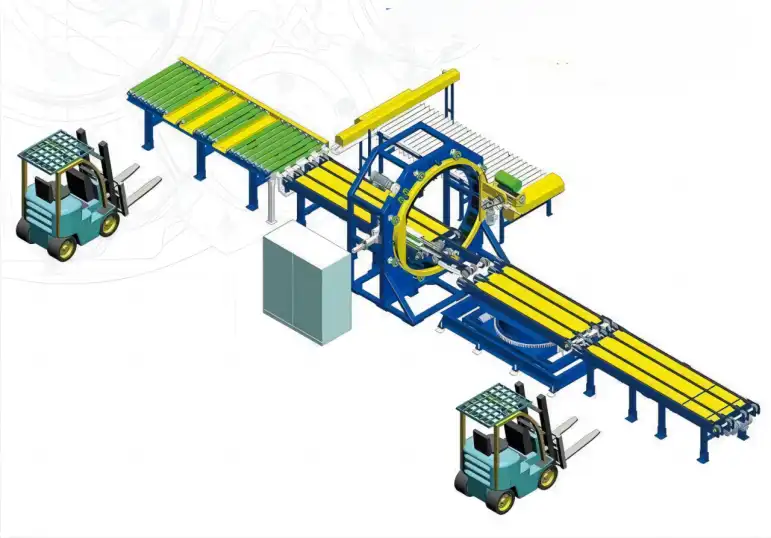
I remember when I first started my factory. I made mistakes. I learned from them. One big lesson was that a machine is only as good as its implementation. You cannot just drop it into your existing setup and expect miracles. You need a plan. You need to prepare your team. You need to measure the results. My journey in the packing machine business showed me that true success comes from understanding the whole picture. It is about seeing the packing process as a vital part of your entire production chain. It directly impacts your profitability and market standing.
Insight 1: Know Your Bottlenecks First
Before you even think about buying a machine, you must identify your exact problems. Where is your production slowing down? Is it truly the packing line? Or is it something before that? Michael Chen faces efficiency bottlenecks. For him, manual packing of coils and wires is a clear choke point.
- Analyze Your Workflow: Map out every step of your current packing process. Use a stopwatch. Talk to your operators. Find the exact points where delays occur.
- Quantify the Impact: How much production are you losing due to this bottleneck? How much overtime are you paying? What is the cost of delayed deliveries?
- Define Your Ideal State: What would a perfect packing line look like for your factory? How fast would it run? How many people would it need?
Understanding these details helps you choose the right automation. It ensures your investment targets the real problem.
Insight 2: Safety Is Not a Cost, It’s an Investment
Many see safety upgrades as an expense. I see them as an investment. Safe workers are productive workers. Fewer injuries mean lower costs and higher morale.
- Proactive Risk Assessment: Regularly assess risks in your packing area. Identify all potential hazards from manual handling.
- Training and Culture: Train your staff on safety protocols. Foster a culture where safety comes first. Workers should feel empowered to report hazards.
- Automate Hazardous Tasks: Always look for ways to automate tasks that put workers at risk. Heavy lifting, repetitive movements, and working in dangerous zones are prime candidates. Automated orbital wrappers eliminate direct human contact with heavy, moving products during wrapping.
A strong safety record attracts good talent. It also helps you retain experienced staff. It protects your company from legal issues.
Insight 3: Damage Control Pays Off Immediately
Every damaged product is money lost. It hurts your reputation. It can lose you customers.
- Track Damage Rates: Do you know how many products get damaged during packing or internal transfer? Start tracking this data.
- Identify Damage Causes: Is it rough handling? Is it poor wrapping material? Is it unstable packaging during transit?
- Improve Packaging Quality: Invest in packaging solutions that offer superior protection. Automated wrapping provides consistent, tight, and durable wraps. This protects your product from external factors. It also prevents internal shifting.
Reducing product damage directly boosts your profitability. It improves customer satisfaction. This leads to repeat business and positive referrals.
Insight 4: Build Relationships, Not Just Transactions
My journey taught me the value of strong relationships. I believe in helping my clients grow their businesses.
- Seek Knowledgeable Partners: Look for suppliers who have hands-on industry experience. They understand your challenges better.
- Value After-Sales Support: This is crucial. A machine will need maintenance. It might need troubleshooting. Reliable support ensures minimal downtime.
- Long-Term Vision: Find a partner who is interested in your long-term success. They should be willing to provide ongoing advice and support. They should grow with you.
This personal approach is what FHOPEPACK is all about. I want to share my expertise. I want to see you succeed. Automation can change your factory for the better. But it works best with the right strategy and the right partners. This is my deepest insight.
Conclusion
Automated panel wrapping boosts your market edge. It solves efficiency, safety, and damage problems. Choose FHOPEPACK for expert partnership and clear ROI.








