

Can Automated Board Wrapping Solutions Really Boost Your Competitive Edge?
Factory floors are tough places. You face constant pressure to produce more, cut costs, and keep everyone safe. You know the pain of unexpected downtime. You feel the constant pressure to hit your production targets. What if there was a way to overcome these daily challenges? What if you could improve safety and cut costs all at once?
Automated board wrapping solutions directly boost your competitive edge. They do this by eliminating slow manual tasks. They also drastically improve workplace safety. These systems protect your valuable products from damage. They lead to significant cost savings. They also create higher operational efficiency. This allows factories to outproduce and outmaneuver competitors in demanding industries.


As someone who started on the factory floor, I understand these pressures firsthand. I built a successful packing machine business. I know the struggles. Let us look deeper at the real problems you face. We can then see how modern automation offers practical answers.
Why Are Manual Packaging Processes Slowing Down Your Factory?
Your production line hums along smoothly. But then everything slows down at the very end. Manual packaging acts like a clogged drain. It creates a major bottleneck in your whole operation. This problem needs a strategic fix.
Manual packaging processes slow factories down because they rely on human speed and stamina. Humans are slower than machines for repetitive tasks. They are also prone to fatigue. This introduces variability into the process. Automated systems perform these tasks consistently. They also do it much faster. This removes the main choke point at the end of your production line. It speeds up overall output.

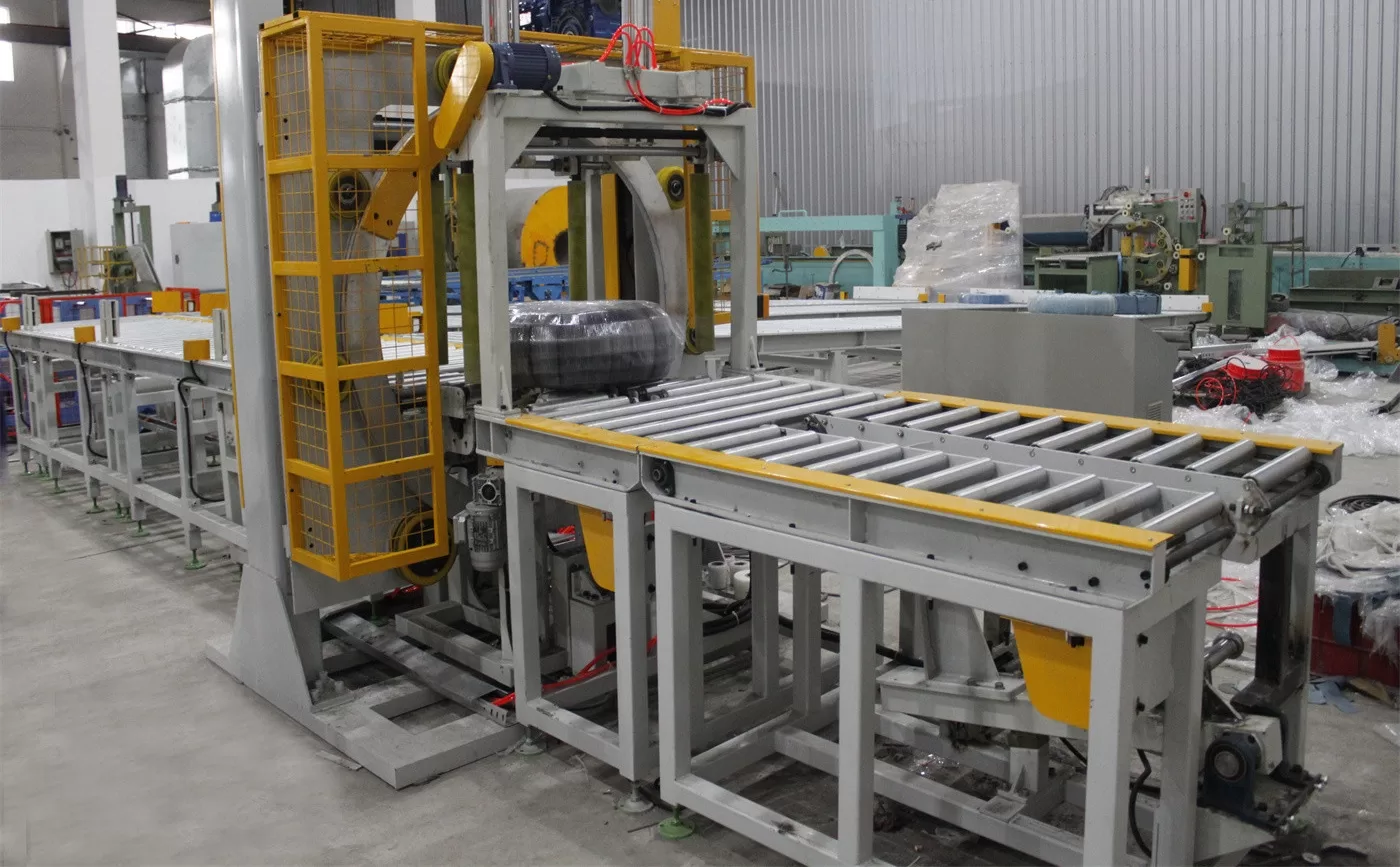
Factories like Michael Chen’s in Mexico face this issue every day. Michael struggles with overall production speed. He also worries about delivery times. His current steel coil and wire packaging depends on many people. This makes it slow. It is also very inefficient. This impacts the speed of his entire production line. It also affects delivery schedules. When you rely on people for repetitive tasks, you gain speed limitations. You also face consistency problems.
The Hidden Costs of Hand Labor
Manual labor seems cheap on paper. However, it carries many hidden costs. Each worker earns a wage. They also require benefits. They need training. They also get sick days. They take breaks. These add up quickly. Manual packaging often needs many workers to handle large or heavy items. This increases your labor expenses. It means more people are tied up in tasks that do not add direct value. They are not working on core production. Instead, they are wrapping. This takes away from your overall efficiency. It also reduces your ability to scale production. If you need more output, you need more people. This is not sustainable in the long run.
The Speed and Consistency Gap
Machines work at a constant speed. They do not get tired. They do not make mistakes from fatigue. A machine can wrap hundreds of coils in an hour. It does this with the same tension and overlap every time. A person’s speed varies. Their consistency also varies. One worker might wrap faster. Another might be more careful. This leads to inconsistent package quality. It also creates unpredictable output. Michael needs consistent output to meet his production targets. He needs to know how many products can be shipped each day. Manual processes make this hard. They introduce too many variables.
Automated systems fill this gap. They operate nonstop. They maintain precise control over the wrapping material. They ensure every package looks the same. This speed and consistency directly impact your throughput. It removes the bottleneck. It allows the rest of your factory to run at full capacity. This makes your entire operation more productive.
| Feature | Manual Packaging | Automated Packaging |
|---|---|---|
| Speed | Variable, often slow | Fast, consistent |
| Consistency | Low, human error | High, machine precision |
| Labor Cost | High, ongoing wages | Lower, one-time investment |
| Scalability | Limited by workforce size | High, easily increased output |
| Throughput | Bottleneck | Efficiency booster |
| Dependability | Subject to human factors | High, predictable |
How Can You Truly Make Your Factory Safer for Workers?
Heavy lifting and awkward movements put your team at risk every single day. Workplace injuries are very costly. They hurt your people. They also hurt your bottom line. Safety is not just a cost. It is a vital investment in your business.
You truly make your factory safer for workers by removing them from high-risk tasks. This means automating the handling of heavy or bulky items. This includes steel coils or large boards. This drastically reduces the risk of strains, crushes, and falls. Automated systems handle dangerous tasks consistently. This leads to fewer accidents. It also lowers insurance costs. It creates a more secure workforce overall.

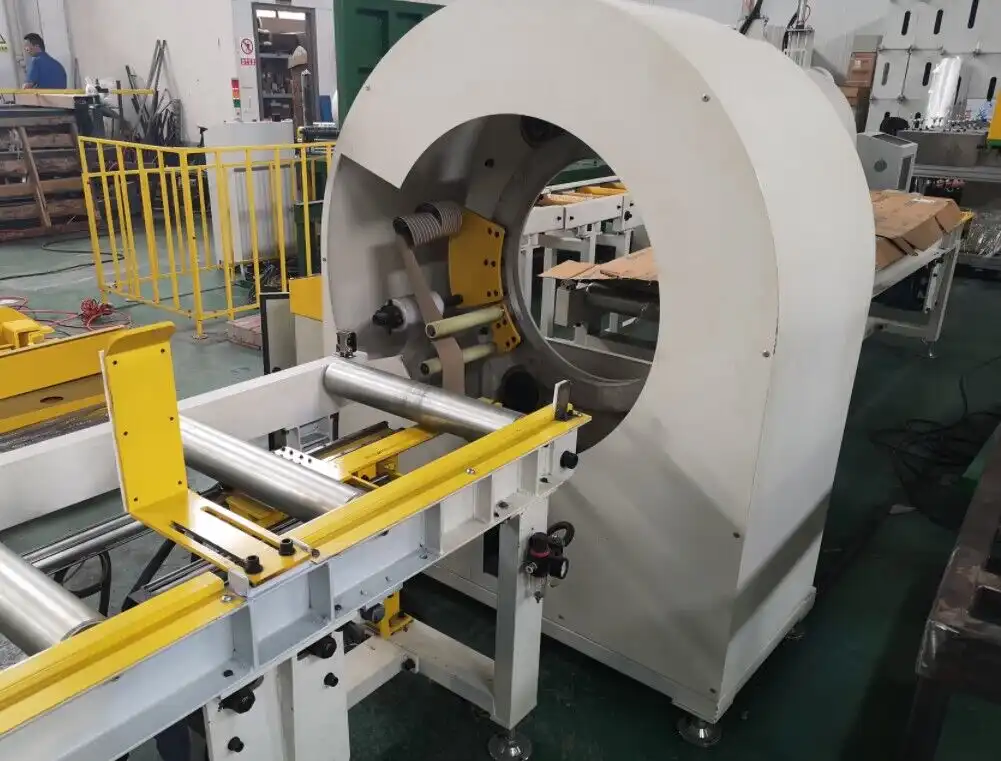
Michael Chen worries about safety. His factory involves heavy metal work. Workers manually move heavy molds. They also flip large pallets. This is inefficient. It also carries extremely high risks of injury. This leads to high insurance costs. It also causes high employee turnover. These are serious problems. They affect worker morale. They also affect the company’s finances. My own experience in factories taught me this. A safe workplace is a productive workplace.
Eliminating Direct Human Exposure
Think about the most dangerous jobs in your factory. Many involve lifting, turning, or securing heavy loads. These tasks strain muscles. They can cause back injuries. They also risk crushing injuries. An automated wrapping machine removes workers from these direct hazards. A robotic arm can lift a heavy board. It can place it on the wrapper. The machine then completes the wrapping cycle. Workers only supervise the process. They manage the controls. They no longer bear the physical strain.
This shift has a huge impact. It reduces the number of work-related accidents. Fewer accidents mean fewer lost workdays. It means less money spent on workers’ compensation claims. It also means lower insurance premiums. More importantly, it means your employees go home safe every day. This improves morale. It creates a more loyal workforce. People feel valued when their safety is a top priority. They are more likely to stay with your company.
The Ripple Effect of Improved Safety
Improved safety goes beyond avoiding direct accidents. It creates a better work environment. Workers are less stressed. They are not constantly worried about getting hurt. This leads to higher job satisfaction. It also leads to increased productivity. When workers feel safe, they focus better on their tasks. They become more efficient. They make fewer mistakes.
Furthermore, a strong safety record enhances your company’s reputation. It makes you an attractive employer. It also builds trust with your clients. They want to partner with responsible businesses. A safe operation shows you are responsible. It shows you care about your people. This can even help you win new contracts. It gives you a competitive advantage in the market. Investing in automation for safety is not just about compliance. It is about building a sustainable and resilient business. It is about protecting your most valuable asset: your employees.
| Metric | Before Automation (Manual) | After Automation (Automated) |
|---|---|---|
| Workplace Injuries | High | Significantly Lower |
| Insurance Premiums | High | Lower |
| Employee Turnover | High | Lower |
| Worker Morale | Lower | Higher |
| Lost Workdays | Frequent | Rare |
| Safety Compliance | Challenging | Easier |
Is Product Damage Eating Away at Your Profits?
Are your finished goods getting damaged before they even reach the customer? Every dent, scratch, or torn wrap means lost money. It also hurts your reputation. Protecting your product means protecting your profit.
Product damage eats away at your profits through direct losses. It also causes rework costs. It leads to customer complaints. This often happens during internal transfers. It also occurs during packaging of sensitive items. This includes steel coil edges. Automated wrapping systems prevent this. They provide consistent, secure, and gentle handling. They ensure products are wrapped perfectly every time. This reduces returns. It also improves customer satisfaction.

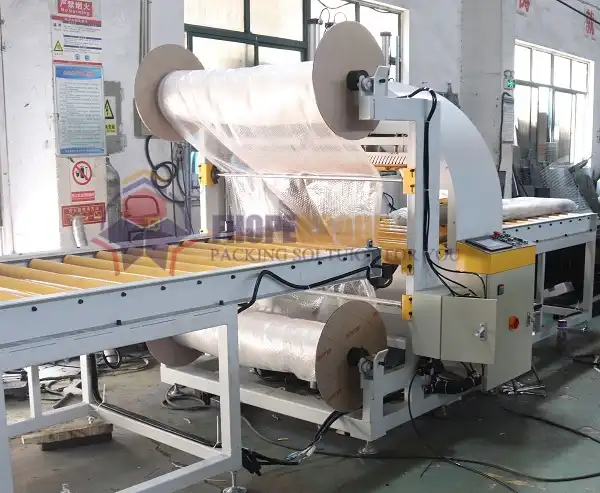
Michael Chen faces this exact challenge. His products, like steel coils, are valuable. But they sometimes get damaged. This happens during internal transfer. It also happens during the packaging process. The edges of the steel coils get scratched. They also get dented. This leads to customer complaints. It also means lost profits. I have seen this many times in my career. Even a small defect can lead to big problems. It can lead to a rejected shipment. It can lose a customer.
The Vulnerable Points in the Supply Chain
Products are most vulnerable during handling and transit. In Michael’s factory, this includes moving heavy coils or boards between production stages. It also includes the final wrapping stage. Manual handling increases the risk of damage. Workers might accidentally bump an edge. They might drop a corner. The wrapping might not be tight enough. It might not cover all exposed areas. This leaves products susceptible to scrapes. It leaves them open to dents. Even minor damage can make a product unsellable. Or it might lead to a discount. This directly impacts your revenue.
Customers expect perfection. They pay for a pristine product. If they receive something damaged, they will complain. They might return it. They might even switch to a competitor. This erodes trust. It harms your brand image. The cost of damage is not just the lost product. It is also the cost of processing returns. It is the cost of customer service time. It is the cost of finding new customers. These hidden costs are often larger than the direct loss of the item.
Precision and Protection with Automation
Automated wrapping machines provide unparalleled precision. They ensure consistent wrap tension. They ensure consistent overlap. They cover every part of the product uniformly. This creates a secure, protective layer. It shields your product from external impacts. It prevents friction damage during transit. For steel coils, a tight, consistent wrap protects the edges. It prevents them from unraveling. It also keeps out moisture and dust.
These machines use advanced sensors. They adapt to different product sizes. This means less human error. It means less chance of uneven wrapping. This consistency saves money. It reduces waste. It also improves customer satisfaction. When your products arrive in perfect condition, your customers are happy. They are more likely to order again. This builds a strong reputation for quality. It creates loyal customers. This translates directly into higher profits for your business. It protects your brand value.
| Aspect of Damage | Manual Process Impact | Automated Process Impact |
|---|---|---|
| Edge Damage | High risk of scrapes/dents | Low risk due to consistent wrap |
| Surface Scratches | Common during handling | Minimized by precise machine movement |
| Moisture/Dust | Inconsistent sealing, exposure | Tight, uniform seal provides barrier |
| Transit Shift | Loose wraps allow movement | Secure wraps prevent shifting |
| Customer Returns | High due to perceived low quality | Low due to consistent product integrity |
| Profit Margin | Reduced by reworks/discounts | Protected by reduced damage losses |
How Do You Find a Packaging Partner You Can Trust?
You have dealt with suppliers who only care about the sale. Poor after-sales service leaves you stranded. It makes you hesitant to invest again. You need a partner. You do not just need a vendor.
You find a trusted packaging partner by looking for deep industry knowledge. You also look for a track record of problem-solving. And you need strong after-sales support. A true partner understands your specific challenges. This includes Michael Chen’s production bottlenecks and safety concerns. They offer tailored solutions. They provide ongoing expertise. This proves their commitment beyond the initial sale.

Michael knows this feeling well. He has worked with equipment suppliers who just wanted the sale. Their after-sales service was poor. This makes him very careful about new partners. He wants someone who truly understands his factory. He wants someone who knows his production bottlenecks. He wants someone who knows his safety issues. As someone who built a factory from the ground up, I learned this firsthand. A good partnership is more valuable than any single machine.
Beyond the Sales Pitch: What to Look For
Many companies sell machines. They show you brochures. They talk about features. But a true partner does more. They listen to your problems. They ask about your production line. They want to understand your challenges. Do you need to speed up? Do you need to reduce injuries? Do you need to protect product quality? A good partner offers solutions to your problems. They do not just sell a product. They provide expertise. They share their knowledge. They help you find the right machine for your specific needs. This might mean a custom solution. It might mean a special setup. They think about your factory’s unique situation.
Look for a partner with proven experience. Have they worked with companies like yours? Do they have case studies? Can they show you examples of success? This shows they know the industry. It shows they understand your needs. It gives you confidence in their ability to help you. My journey building FHOPEPACK taught me this. Solving real-world problems for clients is how you build lasting relationships.
The Randal Liu Approach to Partnership
At FHOPEPACK, our mission is to share knowledge. I built my business on this idea. I want to help others succeed. This means being transparent. It means being honest. It means providing support long after the sale. When you buy a machine from us, you get more than just hardware. You get my years of experience. You get the expertise of my team. We help you with installation. We train your staff. We offer maintenance support.
A true partner provides professional guidance. They ensure your investment actually solves your problems. They help your business grow. Michael wants to work with an expert like me. He wants someone with deep industry background. He wants someone with factory experience. This is what FHOPEPACK offers. We are not just selling machines. We are building partnerships. We are helping factories in Mexico and around the world become more efficient. We are making them safer. We are making them more profitable. This long-term view is crucial for success.
| Characteristic | Sales-Only Vendor | Trusted Partner |
|---|---|---|
| Focus | Selling a product | Solving your problems |
| Engagement | Transactional | Consultative, collaborative |
| After-Sales | Limited, often poor | Strong, ongoing support |
| Expertise | Product-specific knowledge | Deep industry and application knowledge |
| Relationship | Short-term, one-off | Long-term, mutually beneficial |
| Problem Solving | Generic solutions | Tailored, specific solutions |
What Is My Personal Take on Achieving Factory Success?
The challenges in a factory are complex. They often feel overwhelming. Trying to solve every problem alone can be exhausting. It can also be very ineffective. Success comes from strategic choices. It also comes from strong partnerships.
My personal take on achieving factory success centers on three core pillars: embracing smart automation, prioritizing worker safety, and building genuine, long-term partnerships with experts. These experts understand your unique operational challenges. This holistic approach ensures efficiency. It protects your most valuable assets—your products and your people. It also drives sustainable growth that goes beyond short-term gains.
My journey began as an employee. I worked at a packing machine factory. I saw the struggles. I also saw the opportunities. I later started my own successful packing machine factory. This journey taught me so much. It helped me achieve financial independence. I saw how the right packing machines helped many clients grow their businesses. I am grateful for the opportunities the coil packing and steel wire packing industry gave me. Now, I want to give back. I share my expertise. I share my insights. I help others succeed.
My Journey from Employee to Entrepreneur
When I worked on the factory floor, I saw things that needed improvement. I saw inefficiencies. I saw risks. I realized there was a better way to pack products. This sparked my passion. I wanted to build better machines. I wanted to create solutions that truly helped businesses. So, I took a leap. I started FHOPEPACK. It was not easy. There were long hours. There were many challenges. But I stayed focused on solving real problems for real people.
My personal experience with machines, manufacturing, and client needs shaped my approach. I understand Michael Chen’s desire for an ROI. I understand his need for expert guidance. When he talks about cost control and efficiency, I remember my own factory’s early days. I remember how every penny counted. I learned that investing in the right equipment, even if it seems expensive upfront, pays off significantly over time. It creates financial independence. It allows businesses to thrive.
The Power of Purpose-Driven Investment
My philosophy is simple: invest wisely. Do not just buy a machine. Buy a solution. Buy an advantage. Automated wrapping solutions are not just expenses. They are strategic investments. They cut labor costs. They reduce product damage. They improve safety. All these things directly impact your bottom line. They make your factory more competitive. They help you attract better talent. They help you win more customers.
For Michael, this means clear ROI. It means lower operational costs. It means fewer customer complaints. It means a safer workforce. These are tangible benefits. They drive business growth. My goal at FHOPEPACK is to help you achieve these benefits. I want to share my knowledge. I want to provide the tools. This is how we build a strong industry together. This is how we master wrapping machines.
| Investment Area | Short-Term Outcome | Long-Term Impact |
|---|---|---|
| Automation | Higher speed, lower labor | Increased capacity, competitive edge |
| Safety Measures | Fewer immediate accidents | Reduced costs, loyal workforce |
| Expert Partnership | Problem solving, tailored solutions | Sustained growth, innovation |
| Product Quality | Reduced immediate waste | Stronger brand, customer loyalty |
| Employee Training | Better operational skills | Higher productivity, less turnover |
| Continuous Improvement | Small daily gains | Culture of excellence, market leadership |
Conclusion
Automated board wrapping solutions give you a clear competitive edge. They boost efficiency, enhance safety, and protect your profits. Partner with an expert like FHOPEPACK to truly transform your operations.












