
Best Practices for Using Corner Protectors in Coil Packaging
Coil packaging faces significant challenges during transit and storage, with vulnerable edges and corners frequently suffering damage from impacts and pressure. This seemingly small issue can lead to costly product rejection, rework, or even complete loss. Implementing robust protective measures is paramount to ensure product integrity and customer satisfaction.
Best practices for using corner protectors in coil packaging involve selecting appropriate materials (cardboard, plastic), ensuring correct placement on coil edges before strapping, and integrating them effectively with other packaging components like wrapping and strapping to absorb impact, distribute pressure, and prevent edge collapse or damage during handling, stacking, and transit.
Protecting metal coils effectively requires a comprehensive approach that goes beyond just basic wrapping. By understanding the critical role of corner protectors and adopting proven techniques for their application, you can significantly mitigate damage risks and enhance the reliability of your packaging system. Read on to delve into the specifics of safeguarding your valuable coil shipments.
Why Protecting Coil Edges and Corners is Critical
Metal coils, especially large and heavy ones, are inherently susceptible to damage along their edges and corners during the rigors of the supply chain. These areas bear the brunt of stacking pressure, impacts from handling equipment, and abrasive forces during transit. Damage to these crucial points can compromise the coil’s structural integrity and surface finish.
Protecting coil edges and corners is critical in coil packaging because these areas are highly vulnerable to mechanical damage from handling, stacking, and strapping tension. Impacts can deform edges, while stacking pressure can cause collapse, leading to unwinding issues, material waste, and rejection. Corner protectors absorb these forces, maintain coil shape, and safeguard the product’s usability and value throughout the supply chain. This protection is particularly vital for materials like color-coated coils, where surface integrity is essential for decorative and functional applications. Without adequate edge and corner protection, even a perfectly wrapped and strapped coil can suffer irreversible damage, rendering it unusable and incurring significant financial losses related to returns, reprocessing, or scrap. Effective protection ensures the coil arrives in the condition required for downstream manufacturing or construction processes.
Understanding the Forces at Play
Coil packaging must withstand a variety of dynamic and static forces. Understanding these forces helps illuminate the specific role of corner protectors.
Common Forces Affecting Packaged Coils:
- Stacking Pressure: When coils are stacked, the weight of the upper coils concentrates on the lower ones, particularly on the outer wrap and edges. Without corner protectors, this pressure can deform the outer wraps and crush coil edges, leading to “dishing” or edge collapse.
- Strapping Tension: Steel or polyester strapping is applied under tension to secure the coil to pallets or within a container. While necessary for load stability, direct contact with the strap under high tension can indent or cut into the coil’s edges. Corner protectors distribute this tension over a wider area.
- Impacts: During loading, unloading, and transit, coils can experience impacts from forklifts, cranes, or shifting loads. Edges and corners are the most exposed points and are prone to deformation or tearing of the packaging layers.
- Vibration and Abrasion: Constant vibration during transportation can cause rubbing between coils or between the coil and packaging materials/transport structure. This can lead to chafing and wear, especially along unprotected edges.
- Shearing Forces: Sudden stops or movements can create shearing forces that cause layers within the coil to shift or the coil to slide on the pallet, potentially damaging the leading/trailing edges or causing the coil to oval.
Corner protectors serve as crucial buffers against these forces, absorbing impact energy, distributing localized pressure points from strapping or stacking, and preventing direct abrasion on the coil edge. They are typically L-shaped or U-shaped profiles made from robust materials capable of withstanding significant force without failing.
| Damage Type | Primary Cause | Risk to Coil | How Corner Protectors Help |
|---|---|---|---|
| Edge Collapse/Dishing | Stacking pressure, Excessive strapping tension | Deformation, Unwinding issues, Material waste | Distribute stacking load/strapping tension over wider area |
| Edge Indentation/Cutting | Direct strap contact under tension | Surface damage, Potential initiation of rust | Create a buffer layer between strap and edge |
| Impact Deformation | Handling equipment strikes, Load shifting | Physical damage, Tearing of packaging layers | Absorb impact energy at vulnerable points |
| Abrasion/Chafing | Vibration during transit | Surface wear, Removal of protective coatings | Provide a durable, low-friction contact surface |
| Ovaling | Load shifting, Insufficient securing | Deformation, Difficulty in processing | Help maintain round shape when used with proper strapping |
By preventing or mitigating these types of damage, corner protectors play a vital role in preserving the quality and usability of the coiled material.
Selecting the Right Corner Protector Materials
Choosing the appropriate material for corner protectors is key to ensuring effective protection for your metal coils. The selection depends on various factors including the weight of the coil, the expected transit conditions, the desired level of protection, and cost considerations. Common materials include cardboard and plastic, each offering distinct advantages.
Selecting the right corner protector material for coil packaging involves evaluating factors like coil weight, transit conditions, and required durability. Cardboard protectors offer cost-effectiveness and decent cushioning for moderate loads, while plastic protectors provide superior strength, moisture resistance, and impact absorption, making them ideal for heavy coils and demanding transport scenarios. This choice directly impacts the protector’s ability to distribute strapping force, withstand stacking pressure, and resist abrasion, ultimately safeguarding the coil’s vulnerable edges and ensuring its arrival in optimal condition.
Material Options and Their Properties
-
Cardboard (Pressed Paperboard) Corner Protectors:
- Properties: Made from compressed layers of recycled paperboard. They are rigid, yet offer some degree of cushioning. Typically L-shaped. Available in various thicknesses and leg lengths.
- Advantages: Economical, lightweight, easily recyclable, environmentally friendly (often made from recycled content), customizable sizes.
- Disadvantages: Susceptible to moisture damage (can lose rigidity when wet), less impact resistance compared to plastic, may not withstand extreme stacking loads on very heavy coils, can fray or crush under significant pressure over long durations.
- Best Use Cases: Lighter coils, shorter transit routes, environments with controlled humidity, when cost is a primary concern. Often used for domestic shipments or when combined with other protective measures.
-
Plastic Corner Protectors:
- Properties: Made from various plastics such as polyethylene (PE) or polypropylene (PP). Can be solid profiles or sometimes have internal ribbing for added strength. Often L-shaped or U-shaped. Highly durable and resistant to moisture.
- Advantages: High strength-to-weight ratio, excellent impact resistance, superior moisture and chemical resistance, reusable (depending on condition), can withstand higher strapping tensions and stacking loads, more durable in harsh environments.
- Disadvantages: Generally more expensive than cardboard, can be less environmentally friendly if not made from recycled plastic or if not properly recycled, less flexible for conforming to slightly irregular shapes.
- Best Use Cases: Heavy coils, long-distance or international shipping (export protection), high-humidity or potentially wet environments, when maximum protection against impact and pressure is required.
Factors Influencing Material Choice:
- Coil Weight and Size: Heavier coils require stronger protectors (likely plastic) to manage increased stacking pressure and strapping tension. Larger coils might benefit from longer legs on the protectors for better load distribution.
- Transportation Mode and Route: Sea freight (export protection) involves longer durations and exposure to humidity and potential motion stresses, favoring moisture-resistant plastic. Rail or truck transport may involve more vibration and impacts, requiring robust impact absorption properties.
- Storage Conditions: Long-term storage, especially in humid warehouses or outdoors (even covered), necessitates moisture-resistant plastic protectors.
- Budget: Cardboard is typically the more cost-effective option upfront, but plastic’s reusability and superior damage prevention might offer better long-term value by reducing losses.
- Environmental Considerations: Recycled paperboard protectors offer a strong environmental appeal, provided they meet the performance requirements.
Ultimately, the best material choice is a balance between protective performance, durability for the specific supply chain, and economic viability. Often, companies perform transit trials to validate the performance of chosen corner protector materials under real-world conditions.
Integrating Corner Protectors with Other Packaging Components
Effective coil packaging is a system where each component plays a vital role. Corner protectors don’t work in isolation; they must be correctly integrated with other packaging materials like wrapping (VCI paper, film), strapping (steel, polyester), and sometimes dunnage or pallets to create a secure and protective unit. Proper integration maximizes the benefits of each component and ensures the overall stability and protection of the coil.
Integrating corner protectors with other coil packaging components is crucial for synergistic protection. They should be applied directly to the coil edges before strapping to distribute strap tension and prevent edge damage. When using VCI paper or film for rust prevention, corner protectors are applied over the wrapping, protecting the VCI layer from tears caused by straps or impacts, thus maintaining the sealed environment essential for VCI effectiveness and overall export protection. This layered approach ensures both physical integrity and corrosion prevention.
The Packaging Layer Cake: Where Corner Protectors Fit
Consider the typical layers applied to a coil for protection and securing:
- Core Protection: Internal supports or plugs (optional).
- Inner Wrap (VCI): Applying VCI paper or VCI film immediately after manufacturing is critical for rust prevention. This layer forms the primary barrier against corrosion-causing moisture and contaminants.
- Outer Wrap/Stretch Film: Provides physical protection against dust, moisture (as a barrier), and minor abrasions. Also helps hold the inner VCI layer in place. This layer is often applied over the VCI.
- Edge/Corner Protection: Corner protectors are placed strategically on the outer edges of the coil, typically 3-4 equally spaced around the circumference of both the inner diameter (ID) and outer diameter (OD), or along flat edges if the coil is on its side. These are applied over the wrapping layers.
- Strapping: Steel or polyester straps are applied radially and/or axially around the coil to secure it. The straps run over the corner protectors. This is where the pressure distribution function of the protectors is most critical.
- Pallet/Skid: The coil is placed on a pallet or skid for ease of handling. Dunnage may be used to fill voids or provide cushioning.
- Outer Layers (Container/Crate): For export or long-distance transit, the palletized coil may be placed in a container or crate, possibly with additional dunnage or securing.
The sequence of applying corner protectors after wrapping but before strapping is fundamental. Applying them before wrapping would prevent the wrap from conforming properly to the edge, and applying them after strapping would defeat their primary purpose of cushioning and distributing strap tension.
Synergy with VCI Packaging:
As noted in the source material, VCI packaging requires a relatively sealed environment to maintain the concentration of rust-inhibiting vapors. Tears or punctures in the VCI layer compromise this environment, allowing moisture and oxygen ingress.
- Protecting the VCI Layer: Straps tightened directly onto the VCI film or paper can tear it. Impacts to unprotected edges can also rip the wrapping. Corner protectors provide a buffer that absorbs these forces, shielding the underlying VCI layer from damage.
- Maintaining the Seal: By preventing tears and maintaining the integrity of the outer wrapping layers (which often work in conjunction with the VCI layer as a barrier), corner protectors indirectly help maintain the semi-sealed environment necessary for VCI effectiveness, thus extending the life and performance of the rust prevention.
Furthermore, contact corrosion (rust caused by the coil touching acidic materials like wood or cardboard) can occur if protective barriers are breached. While VCI paper and film help prevent this, corner protectors provide a physical separation and a robust outer layer at contact points with strapping or outer packaging, adding another layer of defense against moisture or contaminants leaching from those materials.
Interaction with Strapping:
Strapping is essential for load stability, but it exerts significant pressure. Corner protectors are specifically designed to manage this pressure.
- Pressure Distribution: The L-shape or U-shape of the protector spreads the concentrated force of the narrow strap over a much wider area of the coil edge, reducing the risk of indentation or crushing. The material of the protector (cardboard or plastic) must be strong enough to withstand the strap tension without collapsing.
- Strap Retention: Some corner protectors have features like notches or textured surfaces that help keep the strap in place, preventing it from shifting sideways which could loosen the load or damage the coil.
| Packaging Component | Primary Function | Interaction with Corner Protectors |
|---|---|---|
| VCI Paper/Film | Corrosion Prevention | Corner protectors applied over VCI, protecting it from tears/punctures |
| Outer Wrap/Film | Physical Barrier | Corner protectors applied over wrap, protecting it from damage |
| Strapping | Load Securing/Stability | Strapping applied over protectors, which distribute strap tension |
| Pallet/Skid | Handling/Base | Coil + protectors + strapping secured to pallet/skid |
Effective integration means selecting protectors that are compatible with the wrapping and strapping materials, ensuring correct placement, and applying adequate but not excessive strapping tension. This systematic approach yields the most robust and reliable coil packaging.
Implementing Best Practices for Corner Protector Application
Applying corner protectors correctly is just as important as choosing the right material. Improper placement or securing can render them ineffective, leading to packaging failure and product damage. Adhering to best practices ensures that the protectors perform their intended function throughout the supply chain.
Ready to ship valuable metal coils? Don’t overlook the edges! Implementing best practices for using corner protectors means selecting the correct size and material for your coil type and weight, ensuring clean, dry coil surfaces before wrapping and protector application, positioning the protectors accurately on the coil edges before strapping, and applying sufficient strapping tension to secure the load without crushing the protectors or coil. This is vital for reliable export protection.
Step-by-Step Application Guide:
- Prepare the Coil: Ensure the coil surface is clean, dry, and free from contaminants as per general rust prevention best practices (as highlighted in the source material regarding the “Dirty Dozen” like not wearing gloves, proper cleaning/drying). Any debris or moisture trapped under the wrapping can lead to localized corrosion or prevent the VCI from working correctly, a problem exacerbated if protective layers are compromised.
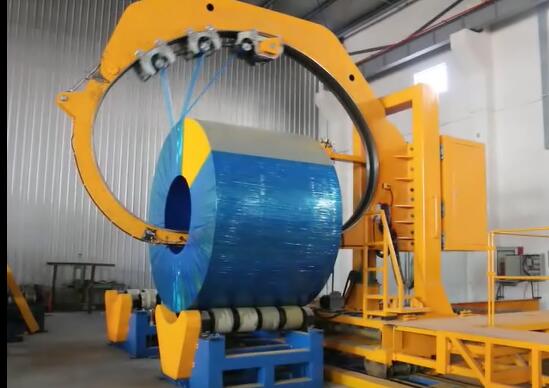
- Apply VCI and Outer Wrapping: Wrap the coil completely with the chosen VCI paper or film, followed by any necessary outer wrapping or stretch film. Ensure these layers conform closely to the coil’s surface.
- Select Protector Size and Quantity: Choose corner protectors with appropriate leg length and material strength for the coil dimensions and weight. Determine the number of protectors needed per coil (commonly 3-4 around the circumference for radial protection on both ID and OD edges, or placed along straight edges for coils on their sides).
- Position the Protectors: Place the corner protectors accurately on the coil edges, over the wrapping layers. For radial protection, position them at equal intervals around the circumference. Ensure the L-shape or U-shape covers the vulnerable edge profile effectively. Correct alignment ensures optimal load distribution from the strap.
- Apply Strapping: Apply the steel or polyester strapping around the coil, running it directly over the placed corner protectors. Use a tensioning tool to apply sufficient tension to secure the load firmly to the pallet or itself, preventing shifting. The corner protectors should prevent the strap from biting into the coil edge.
- Verify Placement and Tension: After strapping, quickly inspect the placement of the protectors and the tension of the straps. Protectors should remain in position and appear to be distributing the strap load without excessive deformation (unless they are designed to absorb significant impact). The strapping should be tight enough to hold the coil securely but not so tight that it visibly crushes the protectors or the coil beyond acceptable limits.
- Add Additional Securing/Dunnage: Use dunnage bags, blocks, or other securing methods as needed to prevent movement within crates or containers, further minimizing risks of impact damage that corner protectors help mitigate.
Common Mistakes to Avoid:
- Insufficient Quantity: Using too few protectors means large sections of the edge remain vulnerable.
- Incorrect Placement: Placing protectors off-center or not directly on the edge reduces their ability to distribute strap tension effectively.
- Using Damaged Protectors: Reusing cracked or severely deformed protectors compromises their protective capacity.
- Applying Straps Directly to Coil: This is the primary issue corner protectors are meant to solve; always ensure straps go over the protectors.
- Incorrect Strap Tension: Too little tension leads to load shifting; too much tension can crush protectors or coils, even with protectors in place (though protectors provide a buffer).
- Omitting Protectors When Using VCI: While VCI protects against rust, physical damage from handling or strapping can still occur and potentially compromise the VCI layer; corner protectors are a complementary physical protection layer.
Adopting a standardized procedure for corner protector application and providing training to packaging personnel ensures consistency and reliability in protecting valuable metal coils.
Choosing the Right Corner Protector for Your Coil Packaging Application
Selecting the optimal corner protector involves matching its capabilities to the specific demands of your product, packaging design, handling procedures, and distribution channel. This requires considering factors such as the coil’s physical characteristics, the environment it will encounter, and how it integrates with other protective materials.
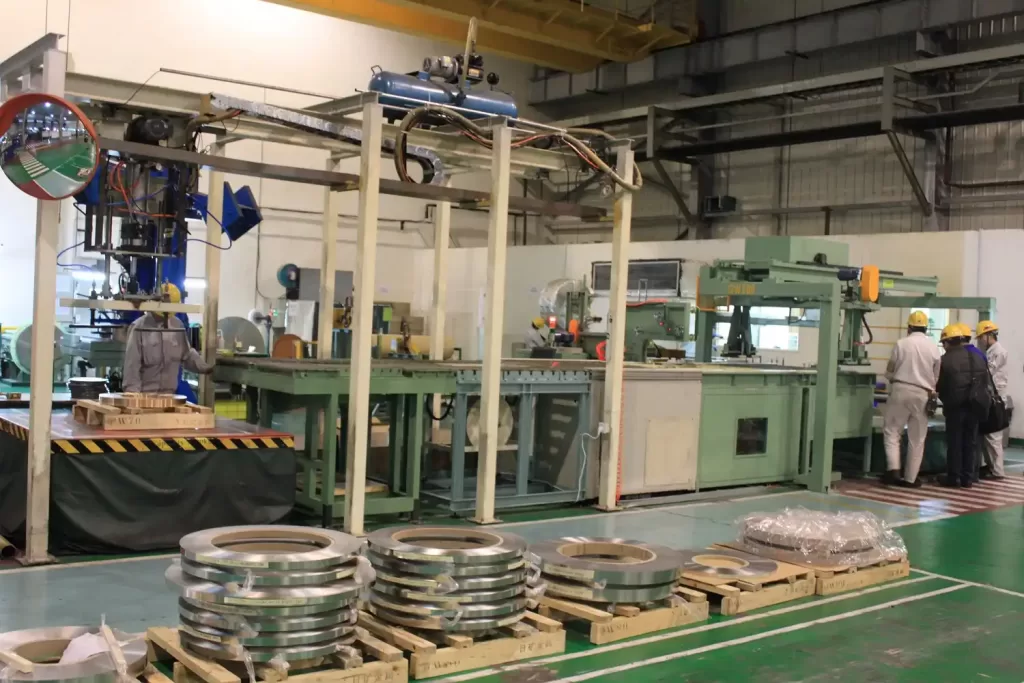
Choosing the right corner protector for coil packaging involves assessing the coil’s weight, size, and metal type, analyzing the transit and storage environment (especially humidity for export protection), determining the load-bearing requirements (stacking height, strapping tension), and considering integration with other packaging materials like VCI paper or film. The protector’s material, size, and shape must be matched to these factors to effectively distribute pressure, absorb impact, and prevent edge damage, ensuring the coil arrives in optimal condition, protecting against physical harm that could compromise underlying rust prevention measures. This tailored approach maximizes packaging efficiency and minimizes potential losses. For example, heavy steel coils shipped overseas in stacks will likely require robust plastic protectors, while lighter aluminum coils shipped domestically in single layers might be adequately protected by thick cardboard ones. Understanding these nuances is crucial for making informed packaging decisions. The shape of the coil (eye-to-sky or eye-to-horizon) also influences where protectors are needed – around the circumference for radial straps in eye-to-sky stacking, or along the flat top/bottom edges for horizontal strapping in eye-to-horizon orientation. Consider the type of metal (ferrous, non-ferrous, alloys) as some metals are more sensitive to physical damage that could expose them to corrosion agents. The duration of storage or transit is another key factor; longer periods mean higher potential for stress and environmental exposure, favoring more durable and moisture-resistant protector types.
Key Considerations for Selection:
- Coil Specifications:
- Weight: Directly impacts stacking pressure and strap tension.
- Diameter and Width: Dictates the required leg length of the protector.
- Metal Type: Hardness and surface finish can influence susceptibility to indentation or abrasion.
- Packaging Design:
- Orientation (Eye-to-Sky vs. Eye-to-Horizon): Determines which edges need protection and the direction of strapping forces.
- Stacking Height: Higher stacks impose greater loads on bottom coils, requiring stronger protectors.
- Strapping Material and Tension: Must be compatible with the protector’s load-bearing capacity.
- Use of Pallets/Skids: Influences how the coil is secured and potential contact points.
- Supply Chain Dynamics:
- Handling Methods: Forklifts, cranes, etc., introduce different impact risks.
- Transportation Mode: Truck, rail, sea freight, air freight each have unique vibration, impact, and environmental (humidity, temperature fluctuations) profiles.
- Transit Duration: Longer transit times increase exposure to stresses and environmental factors.
- Storage Environment: Humid, temperature-variable, or outdoor storage requires protectors resistant to environmental degradation.
- Integration with Other Materials:
- Ensure protectors can be applied smoothly over VCI and outer wrapping without damaging them.
- Verify that straps sit correctly on the protectors.
- Cost and Sustainability: Balance upfront cost against performance, reusability (for plastic), and recyclability (for cardboard and certain plastics).








