
Best Practices for Using an Orbital Stretch Wrapper in Wooden Product Production?
Are you struggling with slow, unsafe, or damaging packing processes for your wooden products? Do you face constant pressure to boost output and cut costs, yet your current packaging methods hold you back? Many factory managers, like Michael in Mexico, experience these exact challenges. They see valuable products like wooden beams, panels, or doors risking damage, and their teams working tirelessly with inefficient, often dangerous manual methods. This can lead to lost profits, frustrated clients, and even injured workers. It is a problem I have seen many times across various industries, from heavy steel to delicate wooden goods.
An orbital stretch wrapper is a machine that wraps products horizontally with stretch film. It wraps long, bulky, or oddly shaped items like wooden planks, doors, or furniture components. This machine makes the packing process faster and safer. It also protects products better during transit and storage. For wooden products, an orbital wrapper tightly secures loads, prevents scratches, and reduces moisture damage. This means fewer complaints and higher customer satisfaction.
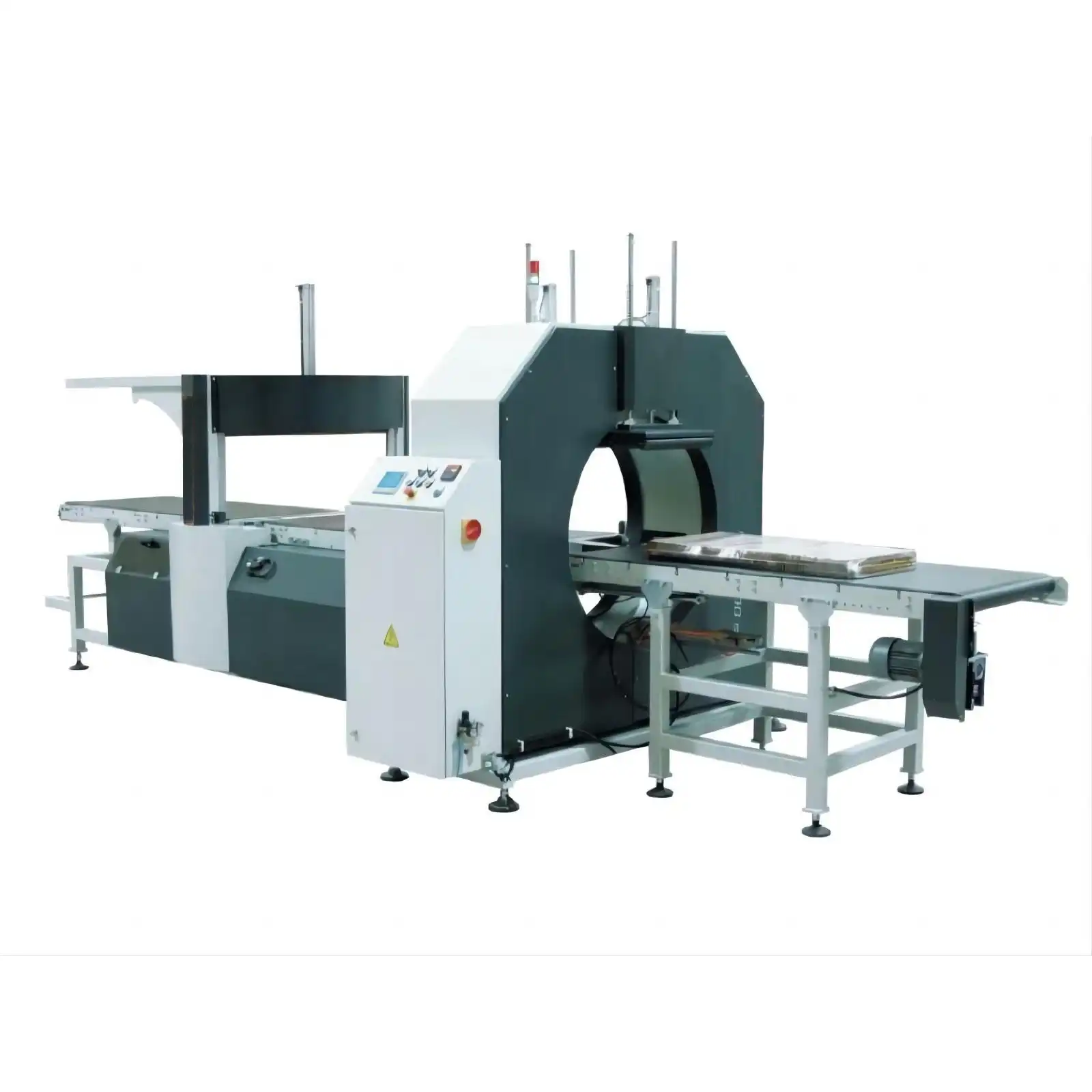
You are not alone in facing these issues. Many companies look for ways to improve their end-of-line operations. They want solutions that offer a clear return on investment. I have spent my career helping businesses achieve this, from my days as a factory employee to building my own successful packing machine factory. Now, I want to share my knowledge with you. Let us explore the best ways to use an orbital stretch wrapper to transform your wooden product production.
How Can an Orbital Wrapper Boost Your Wooden Product Production Efficiency?
Are your current wooden product packing lines causing bottlenecks? Do you find that manual wrapping is too slow, especially for high volumes of large items like timber or laminated panels? The truth is, relying on human labor for repetitive, heavy tasks can severely limit your output. This creates a ripple effect, slowing down your entire production and impacting delivery times. This is a common pain point for factory managers aiming to meet tight deadlines.
An orbital wrapper dramatically increases the speed and consistency of packing wooden products. It automates a process that is often manual and slow. This means more products get wrapped and shipped each hour. The machine applies film evenly, ensuring a secure and professional package every time. This automation frees up workers for other tasks. It also eliminates the variability of hand wrapping. This leads to a smoother, faster workflow for items like wooden beams, doors, and flooring.
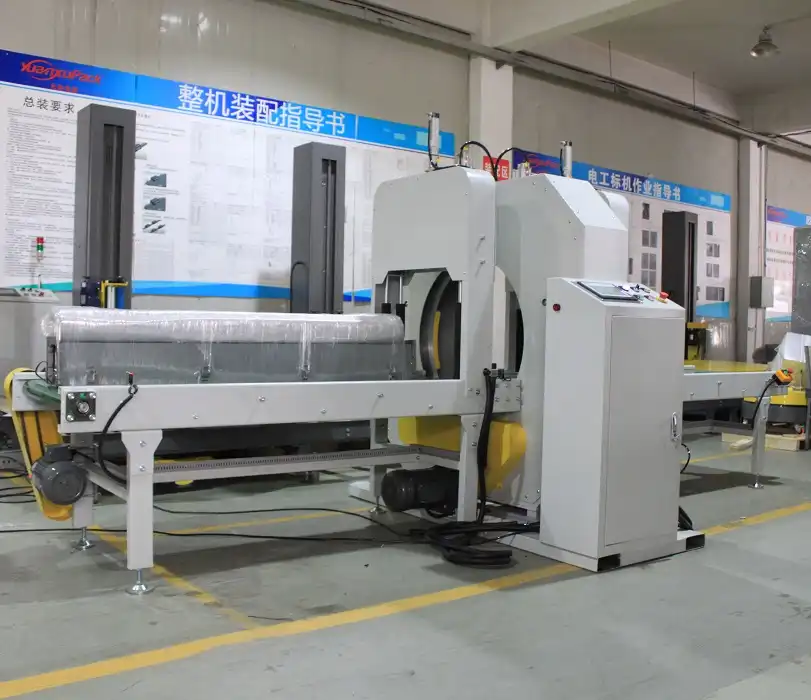
Improving efficiency is not just about speed. It is about optimizing every step of your process. For wooden products, this means ensuring that items are ready for transport without delays or errors. Orbital wrappers bring consistent speed and quality to your packaging line. This directly addresses the efficiency bottlenecks many factories face.
Optimizing Throughput with Automated Wrapping
Manual wrapping of wooden products is often slow and requires multiple people. An orbital wrapper handles this process with speed and precision. This helps you move more product through your factory each day.
- Consistent Wrap Speed: Machines wrap at a constant rate. They do not get tired or distracted. This means predictable output.
- Reduced Labor Time: One operator can manage the machine. This frees up other workers. They can focus on assembly or quality control.
- Faster Changeovers: Modern orbital wrappers are easy to set up for different product sizes. This reduces downtime between batches.
Consider the impact of these improvements on your overall production schedule. For example, if you pack 100 wooden doors per shift manually, an orbital wrapper might let you pack 300. This is not just about the wrapping. It also speeds up everything before and after.
Streamlining Material Flow for Wooden Goods
Efficient packing means more than just wrapping quickly. It also involves how materials move in and out of the machine.
- Integrated Conveyor Systems: Many orbital wrappers can be integrated with existing conveyor lines. This allows for smooth, continuous product flow. Wooden panels or beams move directly from production to wrapping.
- Automated Film Application: The machine handles film tension and cutting. This removes the need for manual adjustments. It ensures the film is applied correctly every time.
- Reduced Rework: A consistent machine wrap means fewer re-wraps due to loose or damaged packaging. This saves time and material.
A well-planned setup reduces handling. This means less chance for damage and faster processing. It makes the entire packaging section more efficient. For a factory manager like Michael, every minute saved on the line adds up to significant gains in overall productivity and delivery speed. My own experience building factories taught me that even small inefficiencies in one area can create massive bottlenecks down the line. Investing in the right machinery often unlocks a factory’s full potential.
Are You Overlooking Safety in Your Wooden Product Packing Process?
Do your workers frequently handle heavy or bulky wooden products, leading to high injury risks? Is your factory insurance costing you a fortune due to accidents related to manual packing? The manual handling of items like large wooden beams, door frames, or furniture parts is not only inefficient but also extremely dangerous. Employees can suffer back injuries, crushed limbs, or strains. This leads to high worker’s compensation claims, lost workdays, and high employee turnover. These are direct threats to both your team’s well-being and your bottom line.
Orbital stretch wrappers drastically improve safety in wooden product packaging by minimizing manual handling of heavy items. They automate the wrapping process, removing the need for workers to physically lift, rotate, or secure large wooden pieces. This reduces the risk of strain injuries, falls, and crushed fingers. It creates a safer work environment for factory staff. This shift also lowers insurance costs and boosts employee morale. It helps keep your most valuable asset, your people, safe and productive.

Safety should always be a top priority in any manufacturing setting. Automated solutions like orbital wrappers do more than just make things faster. They fundamentally change how workers interact with heavy products. This reduces the most dangerous aspects of packing.
Reducing Manual Strain and Injury Risk
Manual wrapping of large wooden items is physically demanding. It requires awkward postures, heavy lifting, and repetitive motions. This significantly increases the risk of musculoskeletal injuries.
- Eliminating Heavy Lifting: Products are loaded onto conveyors or directly into the machine. Workers do not need to lift or carry heavy wooden pieces.
- Minimizing Repetitive Motion: The machine handles the repetitive task of wrapping. This reduces strain on workers’ wrists, shoulders, and backs.
- Safer Work Environment: Less manual interaction with moving parts. This means fewer pinch points or crushing hazards.
From my own factory days, I remember the constant worry about worker safety, especially with heavy loads. An automated machine handles these risks. It means fewer incidents and a healthier team.
Ensuring Compliance and Improving Morale
A safer workplace is not just about avoiding injuries. It also impacts your company’s reputation and compliance with safety regulations.
- Regulatory Compliance: Automated solutions help meet strict safety standards. This avoids fines and legal issues.
- Lower Insurance Premiums: Fewer accidents lead to lower worker’s compensation claims. This directly reduces your insurance costs.
- Enhanced Employee Morale: Workers feel safer and more valued. This leads to higher job satisfaction and lower turnover rates.
When employees feel safe, they are more productive and committed. Investing in safety shows your commitment to your team. For Michael, addressing safety risks is not just a moral obligation. It is also a smart business decision. It improves employee well-being and reduces significant operational costs. This is something I always emphasized in my own factory. A good machine protects both your product and your people.
What is the True Cost of Manual Wooden Product Wrapping?
Are you aware of all the hidden costs associated with your manual wooden product packaging? Beyond labor wages, do you account for product damage, wasted materials, and customer dissatisfaction? Many companies focus only on immediate costs. They miss the bigger picture. Inefficient manual processes for items like wooden boards or furniture parts often lead to scratched surfaces, broken edges, and moisture absorption. This results in costly reworks, returned goods, and lost client trust. These factors directly hit your profits, even if you do not see them on your basic labor sheet.
The true cost of manual wooden product wrapping includes not just high labor expenses, but also significant product damage, excessive material waste, and lost customer loyalty. Manual processes often cause scratches, dents, or expose wooden items to moisture. This leads to returns, rework, and profit loss. An orbital stretch wrapper reduces these costs. It uses less film, protects products better, and lowers the need for human intervention. This delivers a clear return on investment by cutting expenses and increasing overall profitability.
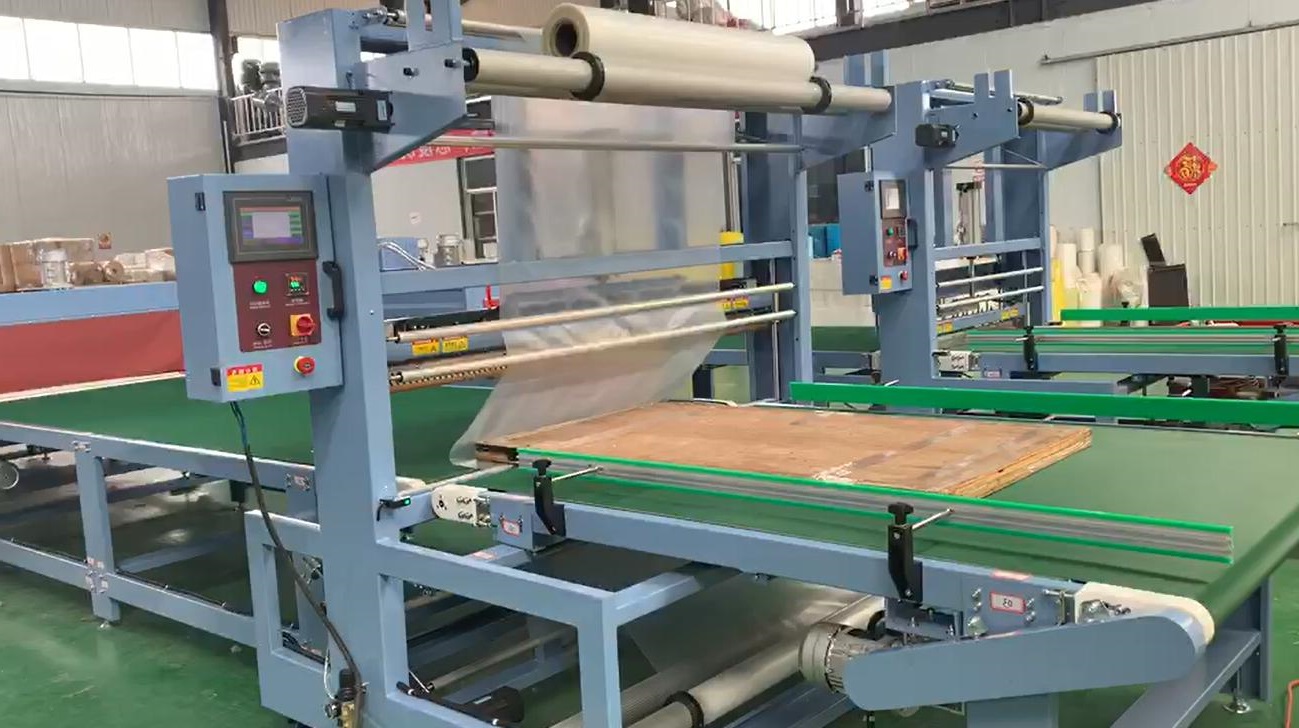
Understanding the full financial impact of your packaging operations is key to making smart investments. It is not just about how much you pay for a machine. It is about how much that machine saves you in the long run.
Quantifying Hidden Losses in Manual Packing
Many factors contribute to the total cost of manual packaging that are not immediately obvious. These “hidden costs” can severely erode your profits.
-
Product Damage:
- Scratches and Dents: Manual handling increases the risk of surface damage on wooden products.
- Edge Damage: Corners and edges of wooden panels or frames are vulnerable during manual wrapping and transport.
- Moisture Exposure: Inconsistent wraps can leave gaps, allowing moisture to damage wood, leading to warping or mold.
- Cost Impact: Returns, customer complaints, replacement costs, and discounts for damaged goods.
-
Material Waste:
- Excess Film Use: Manual wrapping often uses more film than necessary. Workers may over-wrap to ensure security.
- Rework Material: Damaged products often require new packaging materials for re-wrapping.
- Cost Impact: Higher raw material expenses, increased waste disposal costs.
-
Labor Inefficiency:
- Overtime: Slow manual processes often lead to overtime pay to meet deadlines.
- Training and Turnover: High injury rates can increase training costs for new hires and reduce overall productivity.
- Cost Impact: Inflated labor costs, reduced overall factory output.
Calculating the Return on Investment (ROI)
Investing in an orbital stretch wrapper offers a clear path to cost savings and improved profitability.
-
Labor Cost Savings:
- Reduce the number of workers needed for packing.
- Reassign skilled labor to higher-value tasks.
- Example: If you save 2 full-time employees’ wages per year, this is a direct, substantial saving.
-
Material Savings:
- Precise film application reduces film consumption.
- Less product damage means less need for new packaging materials.
-
Table: Cost Factor Manual Packing Impact Orbital Wrapper Impact Savings Potential Labor Costs High Low Significant Product Damage Frequent Minimal High Material Waste High Low Moderate Insurance/Claims High Low Substantial Customer Returns Frequent Rare High
For Michael, who needs clear ROI, this analysis shows how a single machine can impact multiple budget lines. I learned early on that true cost analysis goes beyond the obvious. It includes every aspect of waste and inefficiency. My experience building factories taught me that smart equipment choices directly improve the bottom line, allowing businesses to grow and become more competitive.
How Do You Choose the Right Partner for Your Wooden Product Packaging Needs?
Have you ever worked with equipment suppliers who vanish after the sale, leaving you with little support or expertise? Are you wary of promises that do not translate into real-world solutions for your unique wooden product challenges? Many factory managers, like Michael, have faced the frustration of unreliable vendors. They need a partner who truly understands their production bottlenecks, safety concerns, and efficiency goals. A good partner provides more than just a machine; they offer insights and reliable support, especially for specific products like wooden panels or furniture components.
Choosing the right partner for your wooden product packaging needs means looking beyond the machine itself. You need a supplier with deep industry knowledge, proven experience, and a strong commitment to after-sales support. A good partner understands your specific challenges with wooden products, such as fragility or varied sizes. They offer tailored solutions and provide expert guidance from installation to maintenance. This ensures your investment genuinely solves your problems and helps your business grow. This builds trust and offers long-term value.
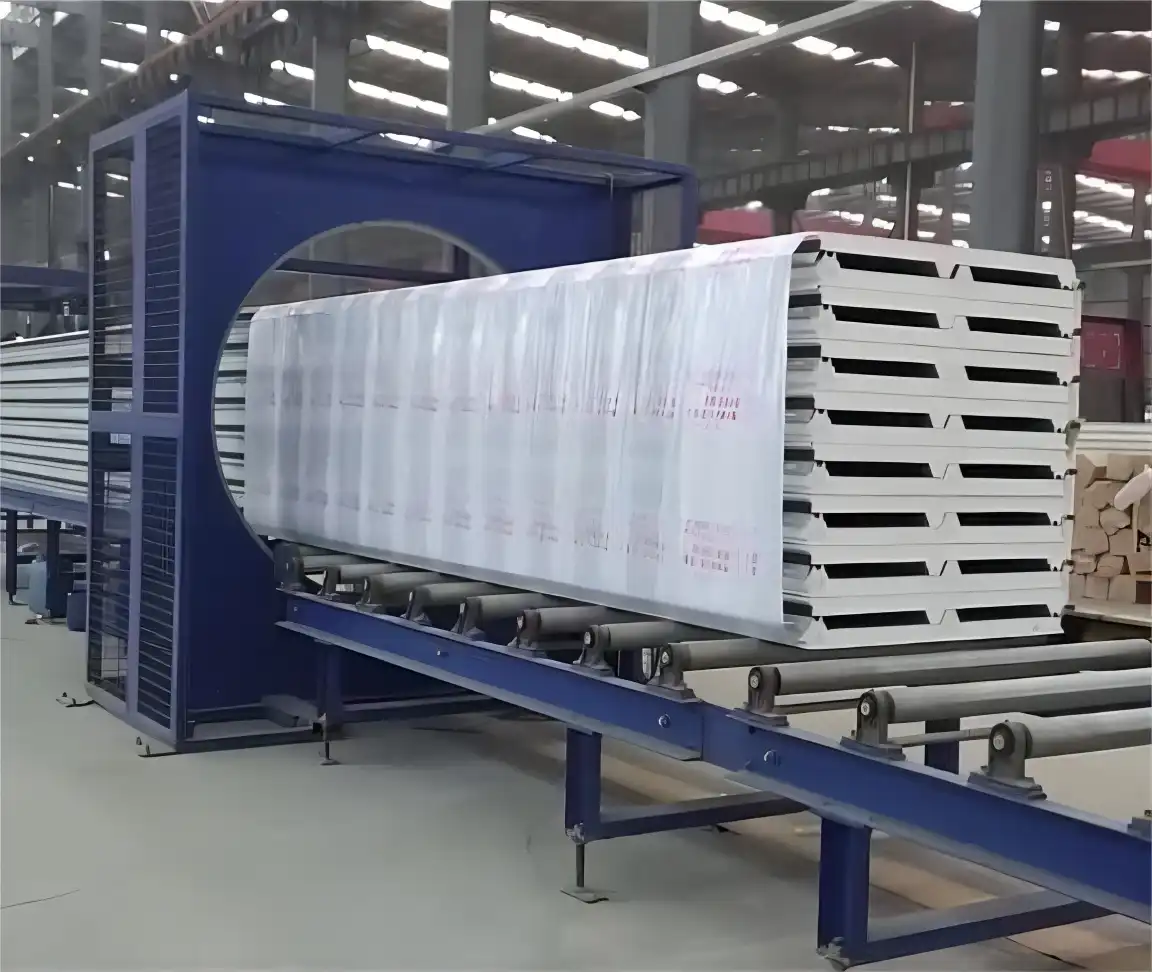
A packaging machine is an important investment. It directly impacts your operations for years to come. Therefore, selecting a trustworthy and knowledgeable partner is as critical as choosing the right equipment.
The Value of Deep Industry Expertise
A true partner brings more than just product catalogs. They bring years of experience and understanding of your industry.
- Understanding Specific Challenges: Wooden products have unique packing needs. They can be heavy, long, or fragile. A good partner understands these nuances.
- Problem-Solving Approach: They do not just sell machines. They help solve your problems. They identify your production bottlenecks and suggest tailored solutions.
- Proven Track Record: Look for a company with a history of successful installations and satisfied clients. Check their references and case studies.
When I started FHOPEPACK, my goal was to be more than just a seller. I wanted to be a partner. I drew on my own experience building a factory. I knew what managers like Michael needed: someone who understands their pain and offers real solutions, not just sales pitches.
Essential After-Sales Support and Guidance
The relationship with your supplier should not end after the purchase. Ongoing support is vital for maximizing your investment.
- Installation and Training: A good partner ensures smooth installation. They also provide comprehensive training for your team. This helps your staff operate the machine safely and efficiently.
- Maintenance and Spare Parts: They offer readily available spare parts and timely maintenance services. This minimizes downtime and keeps your production running.
- Long-Term Consulting: They are available for ongoing advice. This includes optimizing your packaging process over time. They help with new challenges as your business grows.
| Table: | Partnership Aspect | What to Look For | Why it Matters for Wooden Products |
|---|---|---|---|
| Industry Knowledge | Experts in packing heavy, long, or fragile goods | Ensures understanding of wood-specific handling needs | |
| Problem-Solving | Offers custom solutions, not just standard products | Addresses unique shapes and sizes of wooden items | |
| After-Sales Support | Reliable service, spare parts, and troubleshooting | Minimizes downtime for critical production equipment | |
| Long-Term Vision | Invests in client success and ongoing partnership | Helps optimize as your wooden product lines evolve |
Michael’s past experiences with unreliable suppliers make this a critical point. A true partner invests in your success. They understand that their reputation depends on your operational excellence. This is the foundation of FHOPEPACK’s mission: to share knowledge and build lasting relationships, helping others thrive, just as the industry helped me achieve financial independence and grow my own business.
My Insights!
From my journey in the packing machine industry, I have seen firsthand the power of the right equipment and the right partnerships. For wooden product manufacturers, an orbital stretch wrapper is not just a machine. It is a strategic investment. It boosts efficiency, enhances safety, and significantly cuts costs. But the machine alone is not enough. You need a partner who understands your challenges and shares your commitment to growth. Look for someone who has walked in your shoes, someone who knows what it takes to run a factory and make it profitable. This is how you truly master your wrapping operations.
Conclusion
Investing in an orbital stretch wrapper offers clear benefits for wooden product packaging. It boosts efficiency, improves safety, and cuts costs. Choose a partner with deep expertise and strong support to maximize your returns.








