
Best Practices for Slitting Steel Coils with Precision
Inaccurate steel coil slitting causes costly waste and production delays downstream. Are you struggling with poor edge quality or inconsistent widths? Master the process! Discover essential best practices for achieving precision when slitting steel coils and boost your manufacturing efficiency and product quality.
Achieving precision in steel coil slitting involves selecting quality equipment, maintaining tooling meticulously, and mastering critical variables like knife clearance and tension. Effective operator training and rigorous quality control checks on edge condition and width tolerance are also fundamental best practices for consistent, high-quality results.
Precision slitting is more than just cutting metal; it’s a science that requires attention to detail at every stage. To truly unlock the potential of your slitting operations, you need to understand the core components, the process flow, and crucially, how to identify and control the variables that impact quality. Let’s delve into the practices that separate good slitting from exceptional.
The Pillars of Precision: Essential Components and Tooling
While the concept of slicing steel might seem simple, achieving micron-level precision depends heavily on the tools and equipment used. Understanding the critical components of a slitting line and the role of high-quality tooling is the first step towards mastering precision slitting.
Precision steel coil slitting relies on several key components: precision-ground rotary slitting blades for clean cuts, accurately aligned arbors that hold the blades, precise spacers for exact widths, and robust recoilers and tensioning systems for smooth winding. High-quality, well-maintained tooling, including blades and spacers, is paramount for consistent edge quality and dimensional accuracy, preventing issues like burrs or width variation.

The Critical Role of Tooling and Setup Accuracy
The machinery and tooling within a steel coil slitting line form the backbone of the operation. Without precision-engineered components and meticulous setup, consistent, high-quality output is impossible. Understanding the function and best practices for these elements is crucial for optimizing performance.
- Slitting Blades (Knives): These hardened, precision-ground rotary knives are the core cutting tools. Their material, sharpness, and proper alignment are paramount. Blade material must be chosen based on the type and thickness of the steel being slit to ensure durability and maintain a sharp edge. A dull knife leads to tearing rather than clean cutting, causing burrs and poor edge quality. Regular inspection and timely sharpening or replacement of blades are non-negotiable best practices. Proper blade alignment on the arbor is also critical for achieving accurate cuts and minimizing issues like knife marks.
- Arbors: These shafts hold and rotate the slitting knives and spacers. Precision alignment and balance are essential. Any vibration or imbalance in the arbors directly translates to instability during the cut, leading to poor edge conditions, dimensional variation, and even damage to tooling and the machine itself. Regular checks for wear and true running are vital.
- Spacers: Spacers are positioned between the knives on the arbor to establish and maintain the exact gaps required for specific slit widths. Their precision directly dictates the width tolerance of the finished strips. Spacers must be manufactured to tight tolerances and be free of damage (nicks, dings). Damaged spacers prevent knives from seating properly, causing clearance variations and inconsistent cuts. The use of shimless tooling, where spacers are precisely sized to eliminate the need for plastic shims, represents a significant advancement in achieving setup accuracy and consistency.
- Recoiler and Tensioning Systems: After slitting, the strips are rewound onto recoilers. Proper tension applied by the tensioning system is crucial for creating tightly wound coils free from defects like telescoping (layers shifting sideways), burrs, or edge waves. The tension must be appropriate for the material type, thickness, and width. Too little tension results in loose, easily damaged coils; too much can stretch or distort the material.
- Tooling Condition and Maintenance: As emphasized in technical sources, tooling quality and maintenance are as impactful as the machine itself. Worn, damaged, or improperly manufactured tooling guarantees poor results, regardless of machine sophistication. Spacers with nicks or dings won’t provide accurate horizontal clearance. Tooling that isn’t manufactured to the correct tolerances for the application will behave like damaged tooling, leading to problems. Regular inspection, cleaning, and proper storage of tooling extend its life and ensure setup accuracy. Using lightweight spacers, as mentioned in some contexts, can also reduce operator fatigue and the potential for errors during setup.
Achieving precision starts with having the right, well-maintained equipment and tooling. But equally important is the precise setup. This is where variables like horizontal and vertical knife clearance come into play, often dictated by tooling and adjusted during setup. The exact optimal settings for these clearances are not universal formulas but depend on the specific material properties, thickness, and desired outcome, often requiring empirical adjustment and recording results for continuous improvement.
| Component/Aspect | Function in Precision Slitting | Best Practices | Impact of Poor Quality/Practice |
|---|---|---|---|
| Slitting Blades | Make the actual cuts, define edge quality | Select correct material, ensure sharpness & alignment, regular replacement/sharpening | Burr, tearing, uneven edge, reduced throughput |
| Arbors | Hold & rotate knives/spacers | Ensure precision alignment & balance, regular inspection for wear | Vibration, misalignment, poor edge quality, dimensional variation, machine wear |
| Spacers | Set & maintain strip widths | Use precise, undamaged spacers, avoid plastic shims, use shimless tooling | Inaccurate width tolerance, knife wobble, inconsistent cuts |
| Recoiler/Tensioning | Rewind strips into coils, manage strip tautness | Apply proper, consistent tension, ensure neat winding | Telescoping, burrs, edge waves, coil damage |
| Tooling Maintenance | Preserve condition and accuracy of blades, spacers, etc. | Regular cleaning, inspection, storage; professional servicing | Shortened tooling life, inaccurate setups, persistent slitting defects |
By investing in high-quality components, implementing a rigorous tooling maintenance program, and prioritizing precise setup procedures, manufacturers lay a solid foundation for consistent, high-quality steel coil slitting.
The Steel Coil Slitting Process: A Step-by-Step Guide
Understanding the sequence of operations is key to identifying potential issues and implementing best practices for precision. From the moment a master coil is loaded to the final inspection, each step demands careful execution.
The steel coil slitting process typically involves mounting the master coil onto an uncoiler, precise setup and alignment of knives and spacers based on desired widths, feeding the coil through the slitter for accurate cutting into narrower strips, recoiling the slit strips under proper tension, and finally, rigorous inspection and secure packaging of the finished coils.
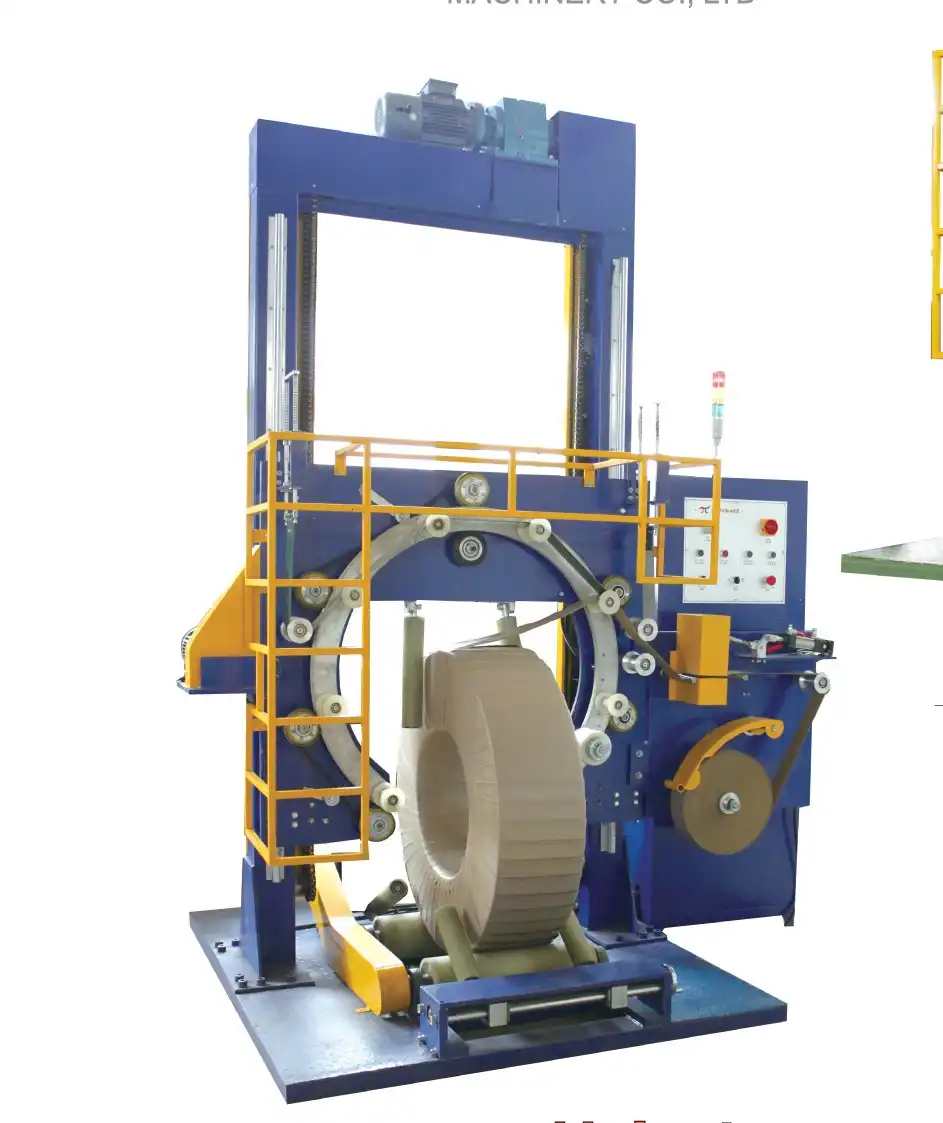
Let’s break down the process and highlight the best practices within each stage:
- Master Coil Loading (Uncoiling): The process begins with mounting the large master coil onto the uncoiler. Proper loading and alignment of the coil on the uncoiler are crucial to ensure smooth feeding into the slitting line. The uncoiler manages the initial tension and controls the speed at which the coil unwinds. Best practice here involves using appropriate lifting equipment to prevent coil damage and ensuring the coil is centered and securely mounted to avoid tracking issues.
- Setup and Alignment: This is arguably the most critical stage for precision. Knives and spacers are selected and arranged on the arbors according to the specified slit widths and tolerances. The sequence and precise positioning of these tools are paramount. Best practices include:
- Using clean, undamaged tooling.
- Precisely measuring and setting the horizontal clearance (side-by-side gap between knives) and vertical overlap (how much the knives overlap vertically). These settings are highly dependent on material type, thickness, and desired edge quality and often require experienced judgment and testing.
- Ensuring perfect alignment of the arbors.
- Setting up the stripper rings correctly, matching their size and hardness to the material and position on the arbor to guide the strips and prevent issues like edge wave or knife marks.
- Thoroughly checking the setup against specifications before running material. Minimal scrap and consistent results begin here.
- Slitting: The prepared coil is fed through the slitting head equipped with the rotary knives. As the coil moves at speed, the knives make clean, accurate cuts, separating the wide coil into narrower strips. Operators monitor the process, watching for any signs of tracking issues, vibration, or immediate edge defects. Maintaining a consistent slitting speed and proper tension throughout this stage contributes to dimensional consistency and edge quality. Modern machines often have automated monitoring systems to assist operators.
- Recoiling: The newly slit strips are then guided to individual recoilers, where they are rewound into narrower coils. The tensioning system plays a vital role here, maintaining uniform tension across all strips. Proper tension prevents issues like loose wraps, telescoping, or damage to the strip edges during winding. Best practice involves setting tension levels appropriate for the material and strip width, ensuring smooth, tight, and uniform finished coils ready for the next stage.
- Inspection and Packaging: The final stage involves rigorous quality control. Each slit coil should be inspected for dimensional accuracy (width tolerance), edge quality (checking for burrs, knife marks, edge wave), and overall winding quality. Visual inspection, using measurement tools like calipers, and sometimes even microscopic examination of the edge, are part of this process. After passing inspection, coils are packaged securely using banding, wrapping, or other protective materials to prevent damage during handling and transport. Traceability is also key, ensuring each coil is correctly identified with its specifications.








