

Are You Ready to Master Wrapping for Board Products in Your Factory?
Do you manage a metal processing plant in Mexico? Do you feel the pressure to boost output, control costs, and keep your team safe? Many factory managers I talk to face these exact problems. They see manual processes slowing things down, putting workers at risk, and even damaging valuable products. It is a tough spot to be in.
Horizontal stretch wrappers offer a powerful solution for factory managers handling “board products,” which include many large, flat, or bundled items common in metal processing, like metal sheets, panels, profiles, and even coils bundled onto skids. These machines secure your products, reduce manual labor, and protect goods from damage during transport and storage.
This is not just about buying a machine. It is about finding the right tools and knowledge to truly change how your factory works. Keep reading to see how these best practices can help your operation.
Are Manual Packing Methods Draining Your Production Line?
Are you still using a lot of people to pack your steel coils or wires? Does this process feel slow and outdated? For many factories, this manual packing is a major roadblock. It holds back your whole production and makes it harder to deliver products on time.
Manual packing methods often create big bottlenecks at the end of your production line. Workers move slowly. The whole process takes too much time. This stops your factory from reaching its full output potential and adds to your labor costs without adding much value.
I remember when I first started in the packing machine industry. I saw firsthand how much time and money companies lost because of old, slow packing systems. When I started my own factory, I knew we had to do better. We focused on finding ways to make packing fast and efficient. This helped us grow, and it can help you too.
How Does Manual Packing Slow You Down?
Manual packing relies on people doing repetitive tasks. People get tired. They make mistakes. This means the packing speed is never constant. It goes up and down. This makes it hard to plan your production accurately.
- Slow Speed: Each product needs someone to wrap it. This takes time. When you have many products, this time adds up fast.
- High Labor Cost: You need many workers for this job. Wages are a big part of your budget. If you can use fewer people, you save money.
- Inconsistent Quality: One person might wrap a product tightly. Another person might not. This means your packages are not always the same quality. Customers notice this.
- Production Bottlenecks: The packing area becomes a choke point. Products pile up. The rest of the factory waits for packing to finish. This slows down everything else you do.
Here is a simple look at the impact:
| Manual Packing Issue | Impact on Factory Operations |
|---|---|
| Slow Speed | Missed delivery deadlines |
| High Labor Cost | Reduced profit margins |
| Inconsistent Quality | Customer complaints, returns |
| Bottlenecks | Lower overall output |
Think about what Michael Chen faces. He manages a metal processing plant. He needs to raise output. Manual packing directly fights against this goal. He needs a solution that speeds things up without adding more people. Automation is the answer. It keeps the line moving. It also makes sure every package is consistent. This is a big step towards higher output and happier customers. My experience taught me that investing in the right equipment pays off quickly. It clears those bottlenecks. It lets your factory run at its best speed. It also frees up your workers for more skilled jobs. This is how you really grow.

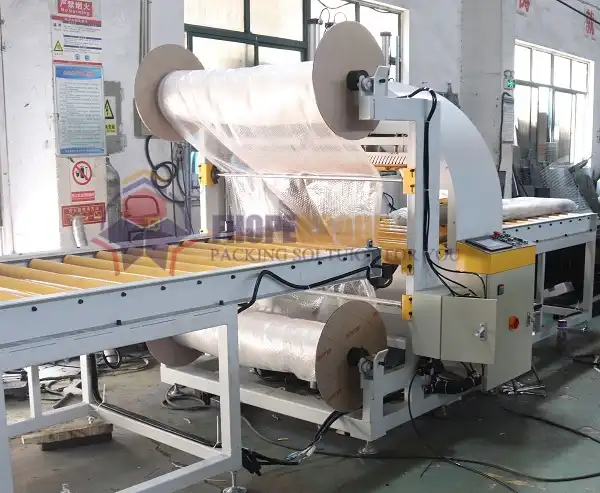
Can Your Packing Process Truly Protect Your Workers?
Are your workers lifting heavy steel items by hand? Do they flip heavy panels or coils without the right tools? This is very risky. Manual handling of heavy goods can lead to many injuries. These injuries cost your company a lot. They mean higher insurance bills. They also mean workers leave the job more often.
Manual handling of heavy or awkward “board products” in a metal processing factory creates serious safety dangers. Workers face sprains, strains, and crush injuries. This directly leads to higher insurance costs and a high rate of employee turnover. It also creates a stressful work environment.
I know the importance of a safe workplace. When I ran my factory, worker safety was always a top concern. We looked for ways to make heavy lifting safer. We found that machines can do the dangerous work. This keeps people safe. It also makes the whole operation run smoother.
Why Is Manual Handling So Dangerous?
Heavy items are hard to move. They can fall. They can trap hands or feet. Even if workers use proper lifting techniques, constant heavy lifting wears down their bodies over time. This leads to long-term health problems.
- High Injury Risk: Workers can hurt their backs, shoulders, and hands. A slip or a dropped item can cause severe injuries.
- Increased Insurance Costs: Every injury leads to medical bills and lost work time. Your insurance premiums go up.
- High Employee Turnover: Workers do not want to stay in a dangerous job. They look for safer places to work. This means you constantly train new people.
- Low Morale: Workers worry about getting hurt. This makes them less happy at work. It hurts their focus and productivity.
Look at Michael Chen’s situation. He has pressure to ensure safety. His current manual methods directly oppose this. He needs solutions that remove the human element from dangerous tasks. A horizontal stretch wrapper helps here. It handles the product from the side. It wraps the product as it moves through the machine. This means no one has to lift or turn heavy items. It makes the entire process much safer. My experience shows that investing in safety pays off. It protects your team. It also creates a more stable workforce. This helps your company in the long run.


Is Poor Packing Harming Your Products and Profits?
Do your steel coils or metal sheets get damaged during transport inside your factory? Does packaging quality lead to complaints from your customers? When products get damaged, it costs you money. It means lost profit. It also makes customers unhappy.
Poor or inconsistent packing causes product damage, especially for fragile edges or surfaces of metal “board products” like steel coils and sheets. This leads to customer complaints, product returns, and direct financial losses. It also harms your company’s reputation and makes future sales harder.
I have seen many factories deal with product damage. It is frustrating. You put so much effort into making a great product. Then it gets hurt just before it leaves your door. Early in my career, I realized that good packing is just as important as good manufacturing. It protects your hard work. It also protects your profit.
How Does Ineffective Packing Lead to Damage?
Manual wrapping often leaves parts of the product exposed. Or the wrap is not tight enough. During movement, products can bump into things. They can shift. This leads to scratches, dents, or tears.
- Exposed Edges: Manual wrapping might miss parts of the product. The edges of steel coils are very prone to damage.
- Loose Wrapping: If the wrap is not tight, the product can move inside the package. This causes friction and damage.
- Inconsistent Protection: Some packages get more wrap than others. This means inconsistent protection levels.
- Handling Risks: When packages are not secure, they are harder to move safely. They might slip or fall.
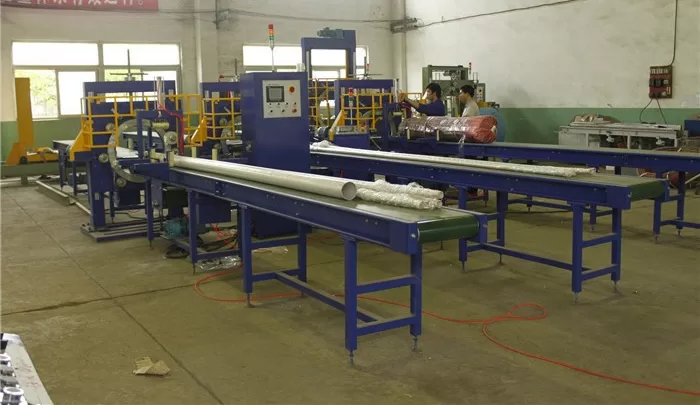
Michael Chen’s factory sees product damage. This directly hits his profit. He needs a way to protect his products better. A horizontal stretch wrapper solves this. It wraps the product from all sides. It creates a tight, consistent seal. This protects the product’s surface and edges. It makes sure that your steel sheets or coils arrive in perfect condition. My experience taught me that preventing damage is always cheaper than fixing it. It also builds trust with your customers. They know they will get good products every time. This helps your business grow.

How Do You Pick a Partner Who Really Understands Your Factory?
Have you bought equipment from suppliers who just want to sell you something? Did they disappear after the sale? Many factory managers have faced this. It makes you careful when you look for new partners. You want someone who understands your real problems. You do not want just another salesperson.
Many equipment suppliers focus only on making a sale and offer poor after-sales service. This creates a “supplier trust crisis” for factory managers like Michael Chen. He needs a partner who deeply understands his production bottlenecks, safety issues, and efficiency challenges, and can offer reliable, professional solutions and ongoing support.
When I decided to build my own packing machine factory, I made a promise. I would not be like those bad suppliers. I would build FHOPEPACK as a place that shares knowledge. I want to help clients like Michael grow their businesses. I know the challenges of running a factory because I have done it myself. This helps me understand what you really need.
What Makes a Supplier a Real Partner?
A real partner does not just sell machines. They listen to your problems. They offer insights. They provide support long after you buy. They care about your success.
- Industry Knowledge: They know about your industry. They understand the specific problems you face. This helps them suggest the right solution.
- Problem-Solving Focus: They ask about your challenges. They do not just push a product. They want to solve your real pain points.
- Reliable Support: If something goes wrong, they are there to help. They offer spare parts. They provide technical assistance.
- Long-Term Vision: They want a long-term relationship. They do not just think about one sale. They want to see your business succeed.
Michael Chen needs a partner like this. He needs someone who knows the steel and heavy manufacturing world. He wants a company that understands his issues with production bottlenecks, safety, and efficiency. This is where FHOPEPACK comes in. I built this company to be that partner. My journey from an employee to a factory owner gave me a deep understanding. I have been in your shoes. I know what it takes to run a successful operation. We share our expertise. We help you choose equipment that really works for your factory. It is about building trust. It is about helping your business grow for years to come. This is the FHOPEPACK way.

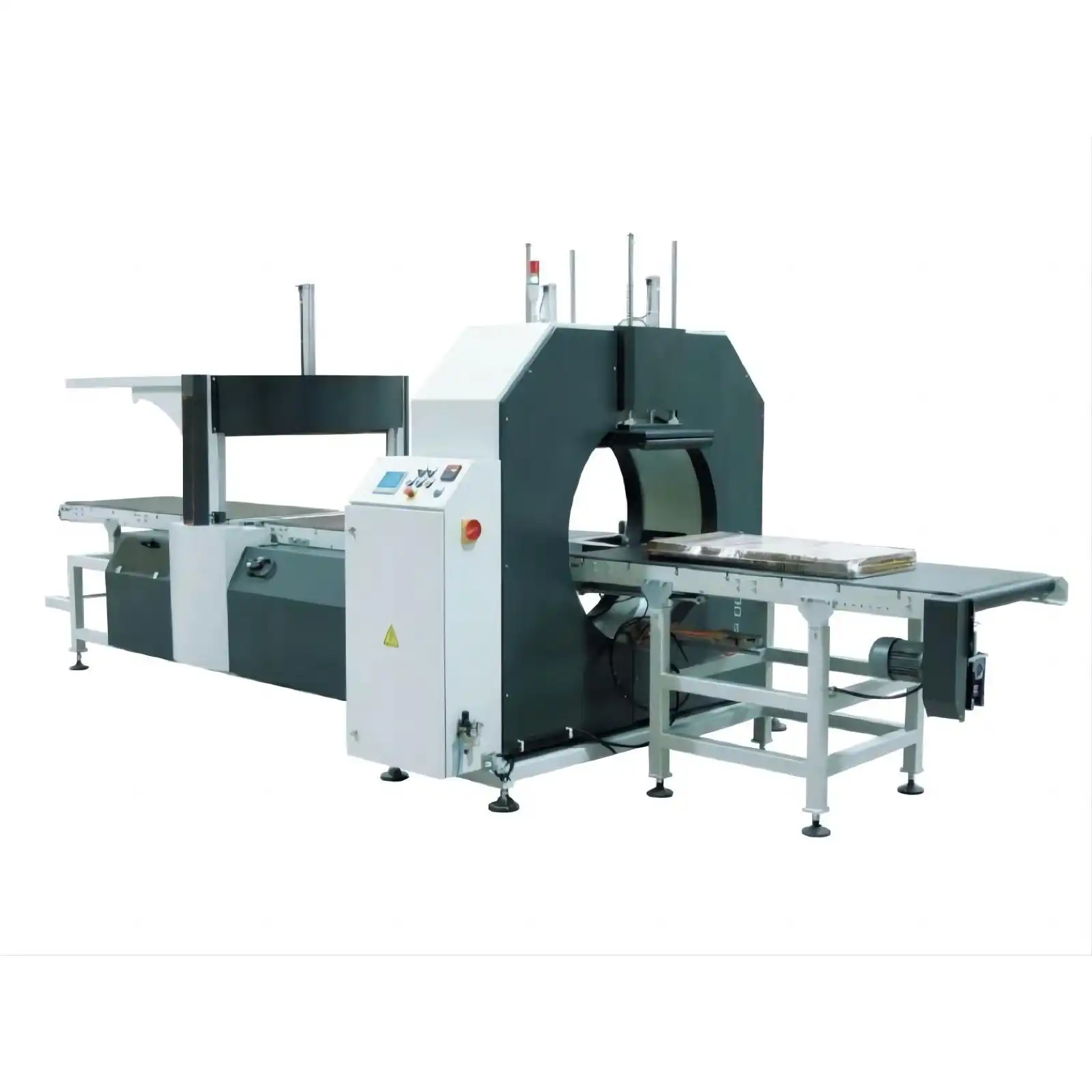
My Insight: Horizontal Stretch Wrappers Are More Than Just Machines
I have spent many years in the packing machine industry. I started as an engineer. Then I built my own successful factory. I have seen how the right equipment can change a business. Horizontal stretch wrappers are one of those game-changing tools. They are not just pieces of metal. They are solutions to real factory problems.
They help factories like Michael Chen’s. They solve issues with efficiency. They make the workplace safer. They also protect your valuable products. This means happier customers and more profit for you. My experience showed me that investing in quality is always worth it. It improves your whole operation. It helps you become a master of your wrapping process.
Why Horizontal Stretch Wrappers Are a Smart Investment
I often talk to factory managers who hesitate to invest in new machines. They worry about the cost. But I tell them to look at the bigger picture. Think about the money you lose right now. You lose money because of slow packing. You lose money from worker injuries. You lose money from damaged products. These costs add up fast. A horizontal stretch wrapper helps you stop these losses.
- Cost Savings: You need fewer workers for packing. This lowers your labor costs. The machine works consistently, so you use less wrapping material over time. You also save money by not having to replace damaged products.
- Return on Investment (ROI): This is a key point for Michael. An automated wrapper provides a clear return on investment. It quickly pays for itself through reduced labor, fewer injuries, and less product waste. I help clients calculate this ROI. This shows them how fast they will get their money back.
- Adaptability: Horizontal stretch wrappers can handle many types of “board products.” They work for long items, flat items, or bundled items. This makes them very flexible for a metal processing plant. You do not need different machines for different products. One machine can do many jobs.
- Future Growth: When you automate your packing, you are ready for growth. You can handle more orders without adding many people. This prepares your factory for the future.
I built my factory based on these principles. I knew that smart investments in automation would give us an edge. We could produce more. We could do it safer. We could deliver better quality. This is the power of a horizontal stretch wrapper. It is not just about wrapping. It is about making your factory stronger. It is about achieving financial independence, just like I did. And now, I share that knowledge with you. It is how we master wrapping together.

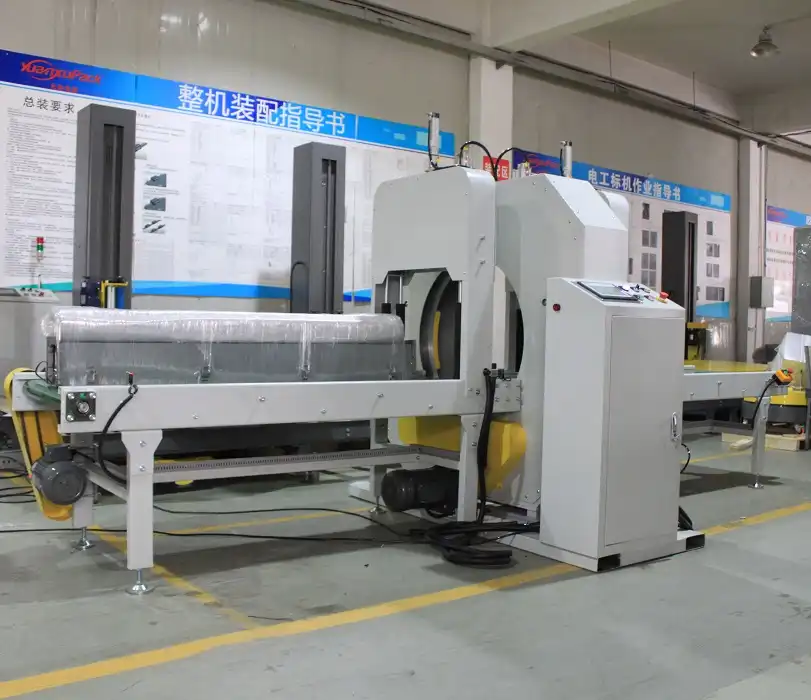
Conclusion
Horizontal stretch wrappers solve common factory problems. They boost efficiency, improve safety, and protect products. This investment brings clear returns and helps your business grow.












