
Seeking the Best Coil Packing Line Solutions for Russian Steel Plants?
Are you a factory manager in the steel industry? Do you constantly face pressure to boost output, control costs, and keep your team safe? I know this feeling well. Manual coil packing lines can slow you down, create safety risks, and even damage your valuable products. This holds back your whole operation.
Many steel plants struggle with outdated packing processes. These methods often lead to bottlenecks at the end of the production line. Modern coil packing solutions can change this. They offer increased automation, better safety for workers, and help you save money by reducing product damage. The right equipment is key to solving these big problems.
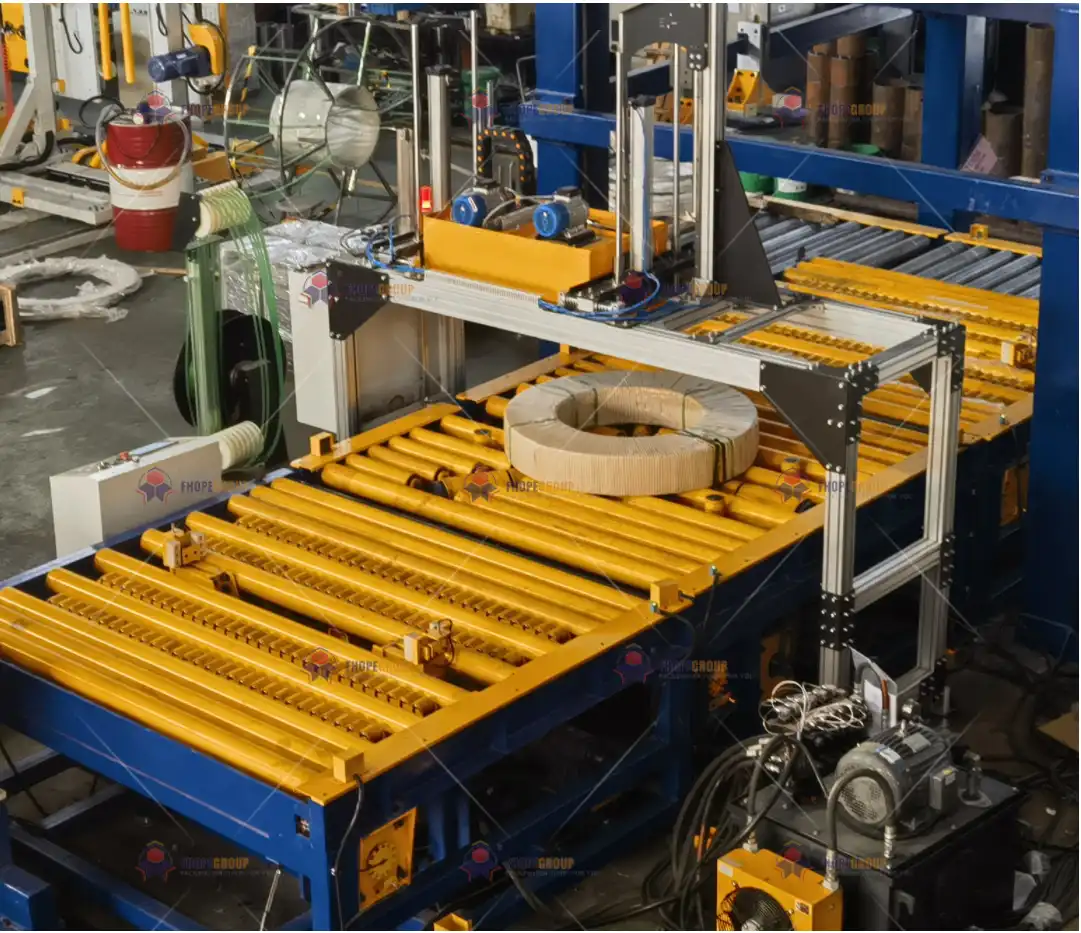
You are looking for more than just a machine. You want a trusted partner who understands your challenges. I built my business on this idea. Keep reading to see how the right solutions can transform your factory.
Why is Your Manual Coil Packing Hurting Your Output?
Is your steel plant struggling to meet production targets? Does the final packing stage feel like a constant bottleneck? Many factories deal with slow, manual processes. This is especially true for heavy items like steel coils or wire bundles. It stops your products from moving out the door fast enough.
Manual coil and wire packing relies on many workers. This makes the process slow and inefficient. It hurts your overall production speed. It also delays your delivery times. This can make customers unhappy and even lead to lost business.
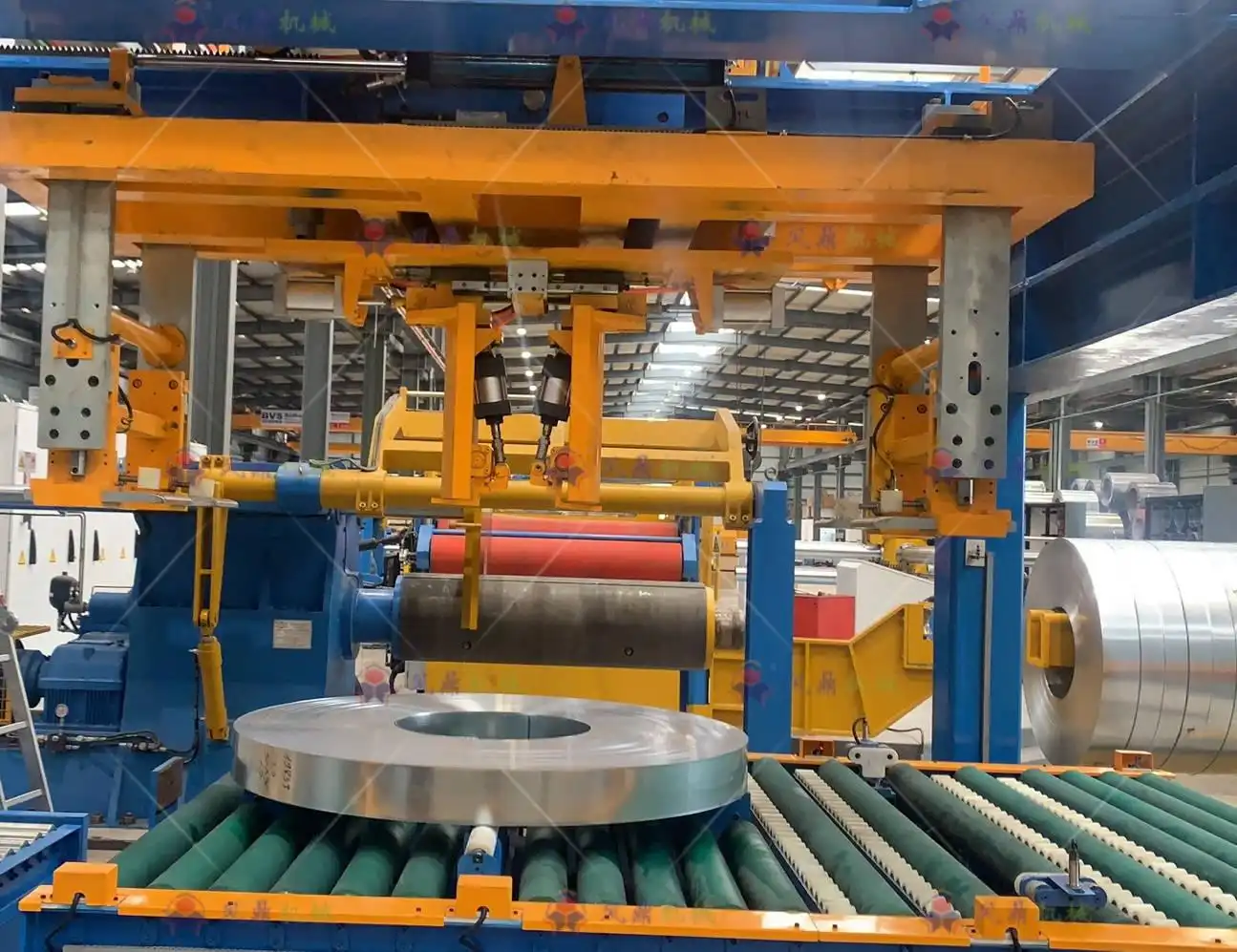
As someone who started on the factory floor, I saw these problems first-hand. I later built my own packing machine factory. I learned that efficiency is not just about speed. It is about flow. A bottleneck at the packing end can undo all the hard work done upstream. For a large metal processing plant, every minute of downtime means huge losses. Michael, a factory manager I know, faced this exact issue. His team spent too much time on manual tasks. This slowed down the whole process from raw material entry to finished product shipment. He needed a way to speed up the end of the line.
The solution often lies in automation. Automated packing lines can handle coils and wires much faster. They work consistently, day in and day out. This removes the “human element” of fatigue or varying speeds. It means your packing line keeps up with the rest of your production.
How Automation Boosts Throughput:
- Consistent Speed: Machines work at a steady pace. They do not get tired. They pack items at the same speed all day. This makes your output predictable.
- Reduced Labor: Fewer people are needed for packing. This frees up your skilled workers for other tasks. It also lowers your labor costs over time.
- Faster Cycles: Automated systems can wrap, strap, and weigh products much quicker. This shorten the time each coil spends on the packing line.
| Feature | Manual Packing | Automated Packing |
|---|---|---|
| Speed | Slow, inconsistent, labor-dependent | Fast, consistent, machine-driven |
| Labor Cost | High due to many workers | Low, fewer workers needed |
| Throughput | Limited by human speed and fatigue | High, consistent, 24/7 capability |
| Dependability | Varies with worker availability | High, predictable operation |
| Bottleneck Risk | High, often creates production delays | Low, designed to keep pace |
Investing in automation pays off. It helps you keep promises to customers. It also makes your factory more competitive. I helped many of my clients grow their businesses by showing them the value of automation. It is not just about buying a machine. It is about solving a core business problem. It is about creating a smooth, fast operation. This means your products leave the factory on time, every time.
How Can You Make Your Packing Line Safer for Workers?
Are your workers at risk every day handling heavy materials? Do you worry about serious injuries on the packing line? Moving heavy coils or flipping pallets manually is very dangerous. This puts your employees at high risk for accidents.
Manual handling of heavy molds or flipping pallets is not just slow. It also creates extremely high risks for worker injuries. This leads to higher insurance costs. It also causes more employee turnover. Nobody wants to work in an unsafe place.
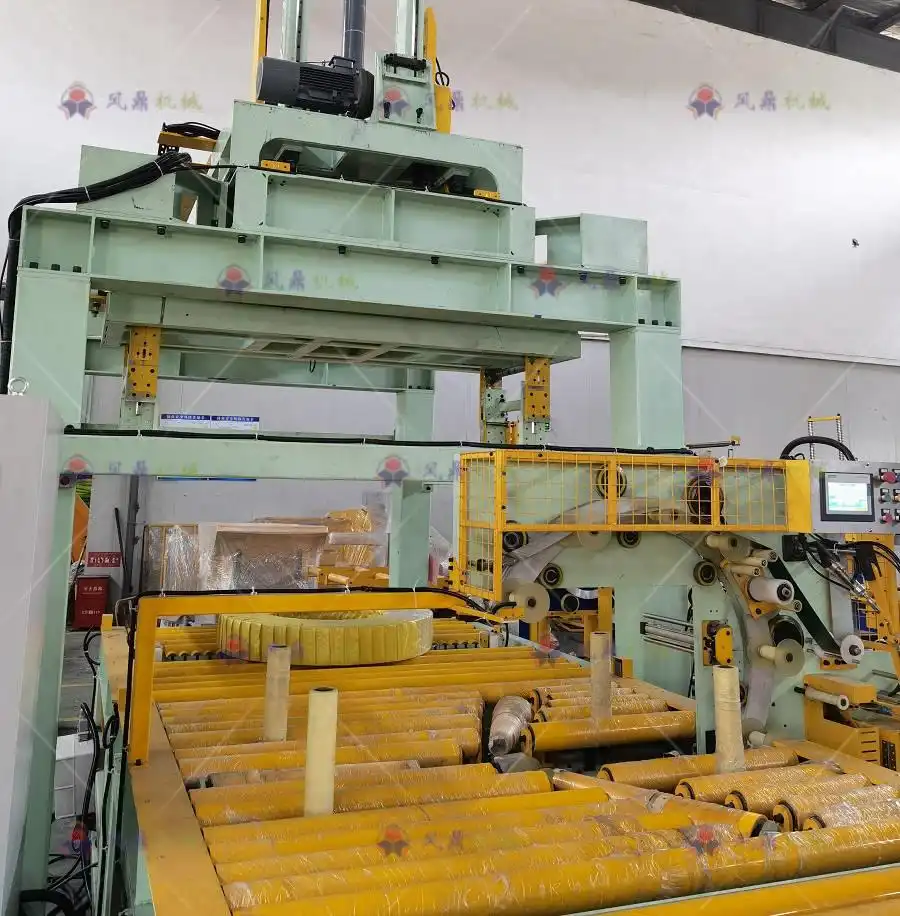
Safety was always a top concern for me. When I ran my factory, I knew that every injury was a failure. It hurt the worker, and it hurt the business. I saw how a simple slip or a dropped coil could change a person’s life. Michael, the factory manager, deeply understood this. He shared his concern about the high rate of injuries. His workers often moved very heavy items. This led to high insurance premiums and a constant need to replace staff. He wanted solutions that would truly improve safety.
The best way to improve safety is to remove the human element from dangerous tasks. Automated packing and handling equipment does this. It takes over the heavy lifting. It reduces the need for workers to be near moving machinery or heavy objects. This lowers the chance of accidents a lot.
Safety Benefits of Automated Handling:
- Reduced Manual Effort: Machines lift and move heavy items. Workers do not need to strain themselves. This prevents muscle injuries and back problems.
- Less Exposure to Hazards: Workers stay clear of moving parts. They are not close to the heavy coils. This lowers the risk of crushing injuries or being hit by falling objects.
- Improved Ergonomics: Automated systems are designed for optimal workflow. They reduce repetitive motions for workers. This helps prevent long-term health issues.
| Safety Aspect | Manual Handling | Automated Handling |
|---|---|---|
| Injury Risk | Extremely high (crushing, sprains, falls) | Very low (workers are not involved) |
| Heavy Lifting | Required, leads to fatigue and strain | Done by machines, no human lifting |
| Worker Exposure | Direct contact with heavy, moving parts | Minimized, workers operate from a distance |
| Insurance Costs | Higher due to increased claims | Lower, fewer accidents mean fewer claims |
| Workforce Stability | High turnover due to unsafe conditions | Improved retention, safer workplace |
Automating these tasks is not just a cost. It is an investment in your people. It creates a safer workplace. This improves morale and reduces turnover. When workers feel safe, they are more productive. This is something I learned early on in my career. Giving back to the industry also means making it a safer place for everyone.
Are You Losing Money Due to Damaged Steel Coils?
Does your finished product sometimes arrive damaged? Are your customers complaining about scratches or dents on their steel coils? Product damage during transfer and packing is a hidden cost. It eats into your profits.
During internal transport and packing, products like steel coil edges often get damaged. This leads to customer complaints. It also means you lose money. Damaged goods must be re-worked or sold at a lower price. This cuts into your profit margin.
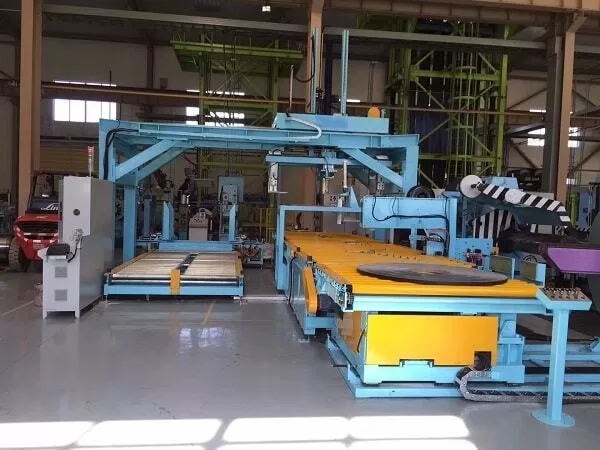
I have seen countless times how careful a factory can be. They use the best raw materials. They have precise manufacturing. Yet, if the packing is not right, all that effort goes to waste. Damaged products mean unhappy customers. They might even go to a competitor. Michael knew this well. His plant sometimes had products damaged during transit or packing. This led to customer complaints. It directly impacted his factory’s bottom line. He needed a way to protect his valuable output better.
Automated packing systems are designed to handle products with care. They use precise movements and controlled wrapping. This protects the product from damage. They ensure that your steel coils and wire bundles leave your factory in perfect condition.
How Automation Prevents Product Loss:
- Gentle Handling: Machines use consistent, controlled motions. They do not drop or mishandle products. This prevents scratches and dents.
- Secure Wrapping: Automated systems apply wrapping materials evenly. They create a tight, protective layer. This keeps the product safe during transit and storage.
- Reduced Rework: Fewer damaged products mean less time spent on repairs. It also means less scrap material. This saves time and money.
| Aspect | Manual Handling | Automated Packing |
|---|---|---|
| Product Protection | Inconsistent, prone to human error | High, consistent, precise wrapping |
| Damage Rate | Higher, especially for heavy or delicate items | Very low, designed to prevent damage |
| Customer Complaints | More frequent due to damage | Less frequent, products arrive in good shape |
| Rework/Scrap | High, leads to increased costs | Low, reduces waste and rework |
| Brand Reputation | Can be hurt by damaged deliveries | Enhanced by consistent quality delivery |
Protecting your product is protecting your profit. It is about delivering quality from start to finish. This builds customer trust and keeps them coming back. My experience taught me that quality delivery is just as important as quality manufacturing. It helps you keep your hard-earned profits.
What Makes a Packing Machine Supplier Truly Trustworthy?
Have you ever bought a machine only to find the supplier disappears after the sale? This is a common problem in our industry. It makes you cautious when looking for new equipment. Finding a partner you can trust is hard.
You may have dealt with equipment suppliers who only care about making a sale. Their after-sales service is often poor or non-existent. This makes you very careful when looking for new partners. You need someone who stands by their product.
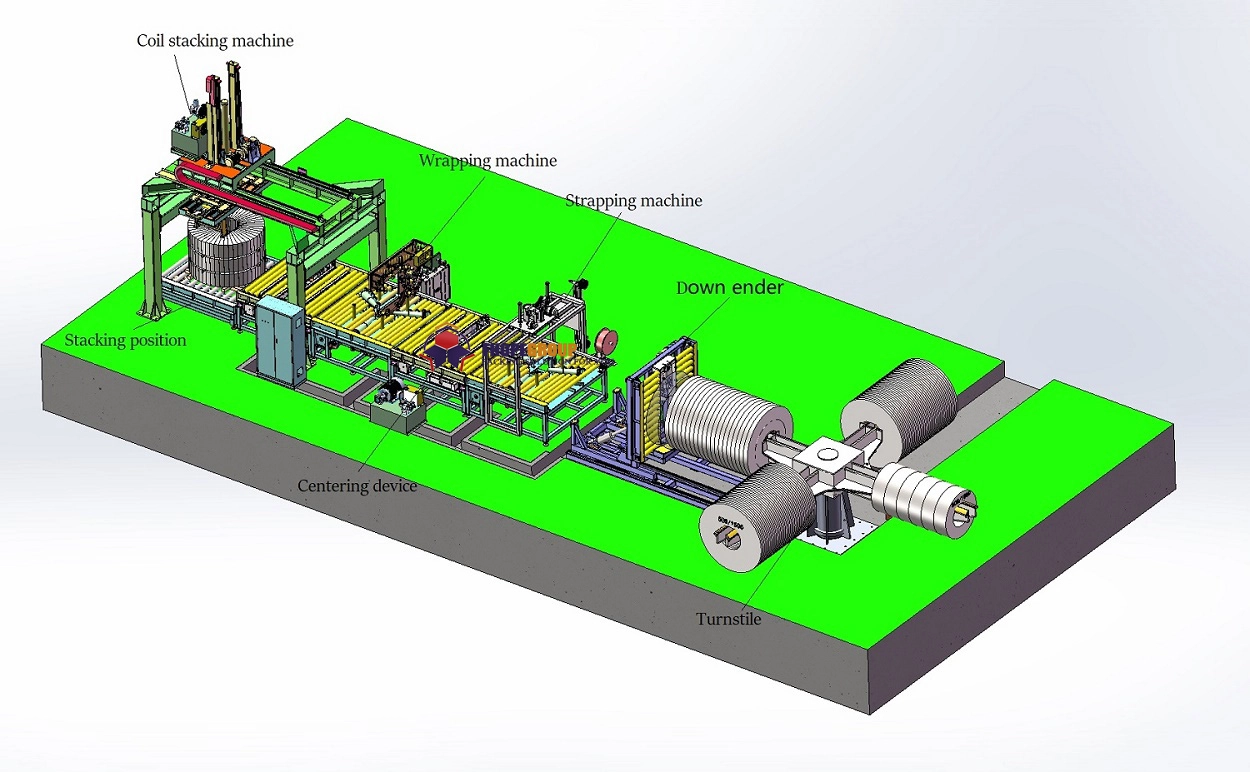
When I started FHOPEPACK, my goal was clear. I wanted to be different. I did not want to just sell machines. I wanted to share knowledge. I wanted to help clients solve their problems. This came from my own experience. I saw many factories struggle. They bought equipment that did not quite fit their needs. Or the support was not there when things went wrong. Michael, the factory manager, had similar experiences. He told me about past suppliers who were great during sales but vanished afterward. This made him very careful. He needed someone who truly understood his operation. He needed real solutions, not just empty promises.
A trustworthy supplier understands your business. They do not just sell you a standard machine. They listen to your challenges. They offer solutions tailored to your specific needs. They provide support long after the sale is made. This is what true partnership means.
Qualities of a Reliable Packing Machine Supplier:
- Deep Industry Knowledge: They know the ins and outs of your industry. They understand your production processes and common bottlenecks.
- Problem-Solving Approach: They do not just offer products. They offer solutions to your specific challenges like efficiency, safety, or product loss.
- Strong After-Sales Support: They provide installation help, training, and quick technical support. This means your machine stays running.
- Clear ROI Focus: They help you see the clear return on your investment. They show how their solutions save you money and boost profits.
- Proven Track Record: They have a history of successful projects and happy clients.
| Aspect | Untrustworthy Supplier | Trustworthy Supplier |
|---|---|---|
| Focus | Quick sale | Long-term partnership |
| Understanding | Limited, generic offers | Deep, tailored solutions |
| After-Sales Support | Poor or non-existent | Comprehensive and responsive |
| Commitment | Ends at purchase | Extends through the equipment’s lifespan |
| Value Proposition | Just a machine | Problem-solving, business growth |
My career has been about solving real problems in packing. I built FHOPEPACK to share this. We are not just a company. We are a knowledge-sharing platform. We want to help you succeed. It is about finding a partner who genuinely cares about your growth. This means you get equipment that truly solves your problems and helps your business grow.
My Insights: How to Master Your Coil Packing Line?
Are you wondering how to truly optimize your coil packing line? Do you want to move beyond just buying equipment? Mastering your packing process means combining the right technology with smart planning and expert guidance.
True mastery of your coil packing line goes beyond just buying new machines. It means understanding your entire operation. It involves finding the best mix of automation and skilled management. This helps you achieve top efficiency, safety, and cost savings.
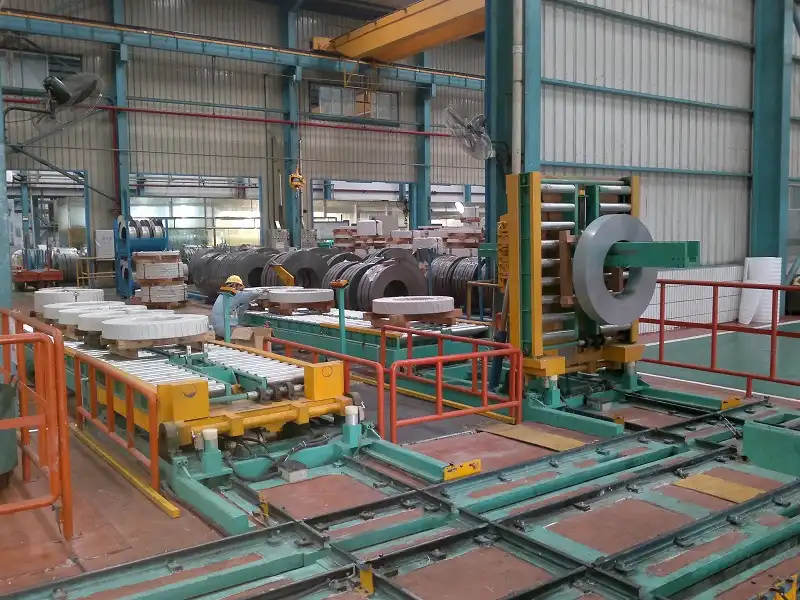
From my early days working in a packing machine factory, through to establishing my own successful one, I learned that real success comes from a holistic view. It is not just about the machine itself. It is about how that machine fits into your factory. It is about understanding your specific material, your production volume, and your team’s needs. I achieved financial independence thanks to the coil packing and steel wire packing industry. Now, I want to share what I learned. My goal is to help others succeed. Michael’s need for professional guidance resonated deeply with me. He wanted someone who had walked in his shoes. He needed someone with deep industry background and factory-building experience.
Mastering your packing line means looking at every step. It means identifying weak spots. Then you find solutions that fit your budget and your goals. This often involves looking at more than just the end-of-line packing. It means considering how coils are moved, stored, and prepared. It means choosing the right technology. It also means training your team to use it effectively.
Key Steps to Mastering Your Coil Packing Line:
- Comprehensive Needs Assessment: Start by truly understanding your current process. Where are the delays? Where do injuries happen? What products are getting damaged? This detailed review is the first step.
- Identify Bottlenecks: Pinpoint specific areas that slow down your production. Is it manual wrapping? Is it slow internal transport?
- Analyze Safety Risks: Map out every point where workers interact with heavy loads. Look for ways to eliminate manual handling.
- Track Product Damage: Understand why and where products get damaged. Is it during loading? During wrapping? During storage?
- Strategic Automation Planning: Do not just buy the biggest machine. Buy the right machine. Consider your production volume, coil sizes, and type of wrapping needed.
- Modular Approach: Start with automating the most critical bottlenecks. You can add more automation later. This makes the investment manageable.
- Customization: Sometimes, a standard machine is not enough. A good supplier can customize solutions for your unique factory layout or product specifications.
- Integration: Ensure new equipment can fit smoothly with your existing lines. This avoids new bottlenecks.
- Prioritizing ROI and Long-Term Value: Look beyond the initial purchase price. Think about the long-term benefits. How much will you save on labor? On reduced damage? On lower insurance?
- Labor Cost Savings: Calculate how much less you will spend on wages by automating tasks.
- Material Savings: Consider how efficient wrapping can reduce material usage.
- Increased Production: More output means more sales. This is a direct boost to your bottom line.








