
Automatic Coil Packing Solutions for High-Volume Steel Producers?
Manual coil packing in a high-volume steel plant can feel like a constant battle. You face slow processes, safety hazards, and the frustration of damaged products. This isn’t just about small delays; it affects your entire production line, leading to missed deadlines and increased costs. For managers like Michael, who oversee huge operations, these bottlenecks are unacceptable and directly impact the bottom line. It’s clear that the old ways are no longer sustainable in today’s competitive market.
Automatic coil packing solutions are not just an upgrade; they are essential for high-volume steel producers. These advanced systems bring unmatched speed, significantly enhance workplace safety, and ensure consistent product quality. By integrating automation, facilities can eliminate costly manual processes, reduce the risk of worker injuries, and deliver perfectly packaged coils every time. This transforms the operational landscape, leading to substantial improvements in efficiency and profitability.

Understanding the need for change is the first step. But what specific benefits can these solutions truly deliver? And how do you navigate the path to successful implementation? From boosting your production throughput to protecting your team and your products, let’s dive into how modern automatic coil packing can redefine your factory’s potential.
1. How do automatic coil packing solutions boost production efficiency?
Is your packing line the bottleneck in your entire steel production? Many high-volume producers face this exact problem. Relying on manual processes for heavy steel coils or wire bundles simply cannot keep up with upstream manufacturing speed. This creates frustrating delays, wastes valuable production time, and prevents you from hitting your output targets.
Automatic coil packing solutions significantly boost efficiency by streamlining end-of-line processes. They reduce cycle times, enable continuous operation, and free up labor for other critical tasks within the factory. This directly increases overall production throughput, ensuring that your packing line matches the pace of your manufacturing, thereby eliminating costly bottlenecks.
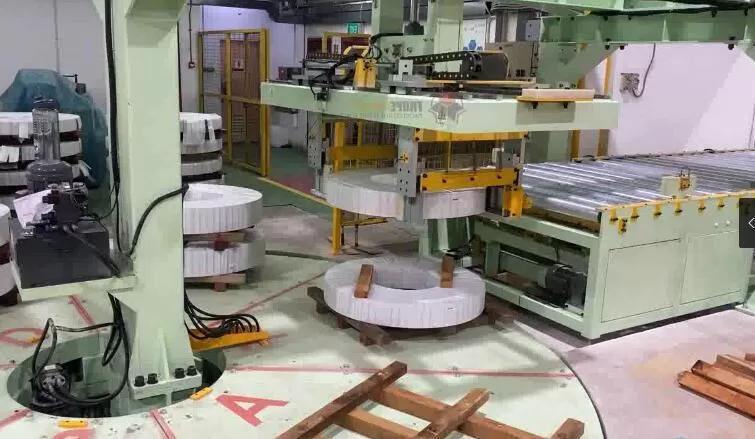
The Mechanics of Enhanced Throughput
When I started FHOPEPACK, I saw firsthand how even small inefficiencies could hold back an entire factory. For steel producers handling hundreds or thousands of coils daily, every second saved in the packing process adds up to significant gains. Automated systems are designed for this. They execute tasks with incredible speed and unwavering consistency, which manual labor simply cannot achieve. Imagine a machine that applies strapping, wraps, and labels a coil in minutes, without a break. This is the reality of modern automatic coil packing. It integrates seamlessly into your existing production flow, becoming a powerful engine for output.
- Faster Cycle Times: Automated machines operate at speeds far exceeding human capabilities. They can complete strapping, wrapping, and labeling tasks in a fraction of the time. This means more coils are processed per hour. It directly translates to higher daily and monthly production volumes. These systems maintain high speeds consistently, unlike human operators who experience fatigue.
- Continuous Operation: Unlike human workers who require breaks, shifts, and time off, automated packing lines can run around the clock. This 24/7 capability is a game-changer for high-volume factories that need uninterrupted production. Downtime is minimized, and throughput maximized.
- Reduced Labor Dependency: By automating repetitive and physically demanding packing tasks, you can reallocate your workforce. Employees can move to roles that require human judgment, problem-solving, or skilled maintenance. This optimizes labor costs and improves overall resource allocation within the plant.
- Integration with Upstream Processes: The best automatic coil packing systems are not standalone units. They integrate directly with your production lines. This means coils move smoothly from forming or rolling directly to packing without manual intervention. This flow creates a truly optimized and efficient manufacturing ecosystem. It ensures a consistent product flow, preventing backlogs.
- Consistent Quality and Reduced Rework: Automation performs each packing step with precision. This reduces errors and the need for rework. Consistent packing quality means fewer rejected products and smoother outbound logistics. This saves time and resources.
| Feature | Manual Packing | Automatic Packing |
|---|---|---|
| Speed | Slow, inconsistent, prone to fatigue | Fast, consistent, continuous operation |
| Throughput | Limited by human capacity | High, matches production line speeds |
| Labor Needs | High, physically demanding | Low, frees up staff for skilled tasks |
| Integration | Disjointed, often creates bottlenecks | Seamless, integrated into production flow |
| Downtime | Frequent due to breaks, errors | Minimal, scheduled maintenance |
| Consistency | Variable, dependent on operator | Highly consistent, uniform application |
| Key Benefit | Flexibility for low volume | Maximize output, reduce operational costs |
These systems are not just about adding a machine; they are about redesigning your entire end-of-line process. They ensure that the output from your rolling mills and wire drawing lines does not get stuck waiting for packaging. This means delivering more products faster and keeping your customers happy. (Efficient coil handling, automated strapping machines, high-speed coil wrapping)
2. What role do automated coil packing machines play in enhancing workplace safety?
In heavy industries like steel manufacturing, safety is paramount. The manual handling of heavy steel coils or wire products presents significant risks to workers. Injuries from lifting, crushing, or repetitive strain are common, leading to high insurance costs, lost workdays, and employee turnover. Factory managers like Michael know these risks well, feeling the pressure to protect their team while maintaining productivity.
Automated coil packing machines drastically improve workplace safety. They eliminate the need for manual lifting, shifting, and manipulating heavy steel coils. This significantly reduces the risk of serious injuries, lowers occupational hazard insurance costs, and ultimately creates a much safer work environment for all factory personnel.
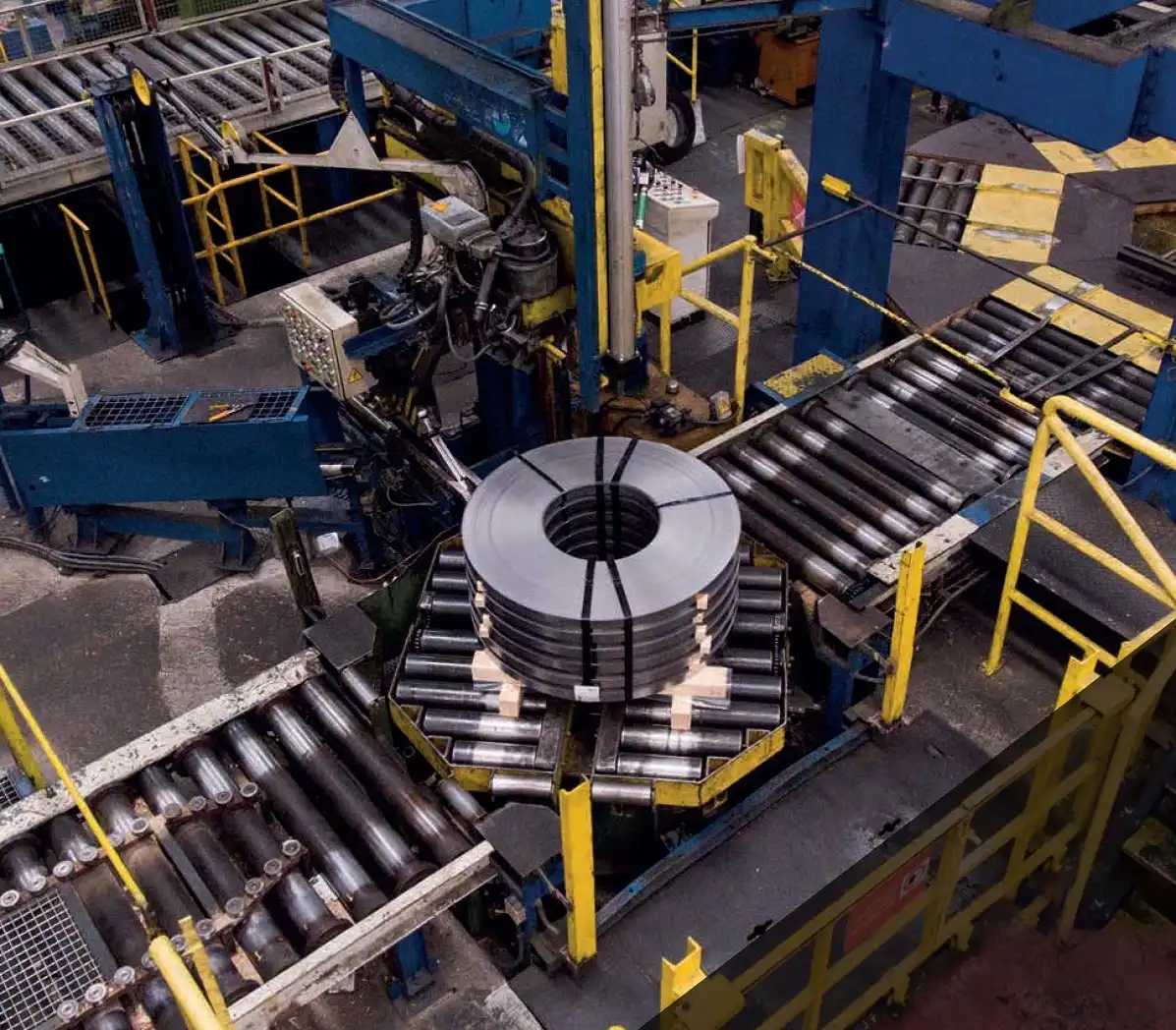
Eliminating Hazards through Smart Automation
I have visited countless factories where I have seen near-misses involving heavy coils. One time, I saw a worker almost crushed by a shifting coil during manual strapping. That image stuck with me. It showed me the critical need for safer methods. Automated systems remove human operators from direct contact with heavy, moving loads. This is the core of their safety benefit. They perform dangerous tasks with precision and without fatigue, ensuring workers are not in harm’s way. This protects your most valuable asset: your people.
- Reduced Manual Handling: Automated systems take over the physically demanding and dangerous tasks of lifting, rotating, and positioning heavy coils. This eliminates the risk of strains, sprains, and back injuries that are common with manual handling. Workers no longer need to exert themselves against massive weights.
- Elimination of Crushing Hazards: Coils can weigh tons. Manual handling creates a high risk of crushing injuries if a coil shifts or falls. Automated machinery, with its controlled movements and safety interlocks, keeps human operators clear of these danger zones. It ensures a safe distance between personnel and heavy loads.
- Consistent and Predictable Operations: Human error is a major factor in workplace accidents. Automated machines follow precise, programmed movements, minimizing unexpected shifts or drops of coils. This predictability makes the packing area much safer. It removes the variability associated with manual tasks.
- Integration of Safety Features: Modern automated packing lines come equipped with advanced safety features. These include light curtains, emergency stop buttons, safety guarding, and warning alarms. These features are designed to protect workers if they get too close or if there is an unexpected malfunction. They create a robust safety envelope around the equipment.
- Improved Ergonomics: For tasks that remain manual, such as loading consumables, automated systems can present materials at an ergonomic height and position. This further reduces strain and improves the overall working conditions for employees. It supports a healthier workforce.
- Lower Insurance Costs: Fewer workplace injuries directly translate to lower workers’ compensation claims and reduced insurance premiums. This provides a tangible financial benefit while safeguarding employee well-being. It is a win-win for the company and its employees.
Safety in a steel plant is not just about compliance; it’s about creating a culture where everyone feels secure. Automated coil packing systems are a fundamental step in achieving that goal. They offer a concrete solution to mitigate the inherent dangers of working with heavy materials. This transforms a high-risk area into a secure and efficient operation. (Industrial safety solutions, heavy product handling automation, ergonomic packing equipment, reducing workplace accidents)
3. Can automated coil packaging systems truly minimize product damage and improve quality?
Product damage during internal transfer or packing is a silent drain on profits for steel producers. Scratched surfaces, dented edges, or improperly secured coils lead to customer complaints, returned goods, and ultimately, lost revenue. For managers like Michael, who prioritize customer satisfaction and product integrity, ensuring coils leave the factory in perfect condition is crucial, but often challenging with manual methods.
Yes, automated coil packaging systems are highly effective at minimizing product damage and improving overall quality. They provide consistent, gentle handling and uniform packaging application. This protects delicate coil edges, prevents surface scratches, and ensures that products arrive at the customer’s site in pristine condition, reducing complaints and boosting customer loyalty.
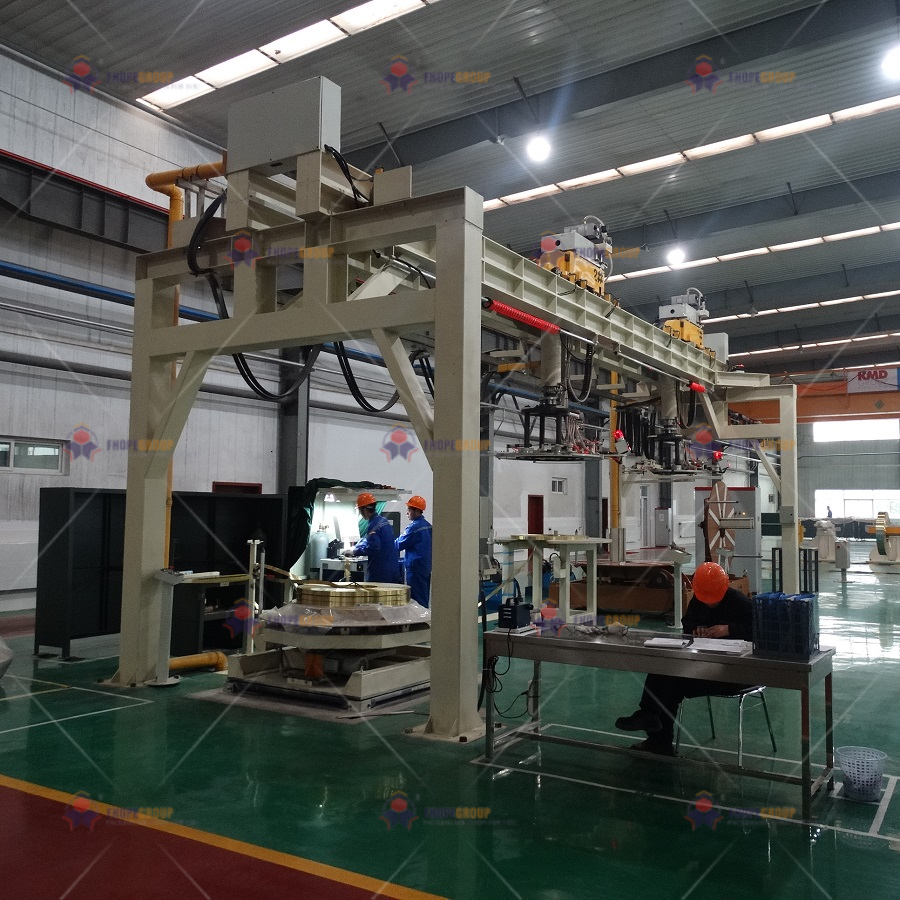
Precision for Pristine Products
In my experience, manual packing, no matter how skilled the operator, always carries the risk of inconsistency and accidental damage. A slight misjudgment when placing strapping or rotating a coil can lead to defects that are costly to fix or result in unhappy customers. Automated systems remove this variability. They are programmed for precision, ensuring every coil receives the exact same level of care and protection. This is not just about speed; it is about maintaining the integrity of a high-value product from your factory to the client.
- Consistent Packaging Application: Automated machines apply strapping, wrapping film, or other protective materials with uniform tension and coverage. This consistency is vital for product protection. It prevents loose packaging that could allow movement and damage during transit, or overly tight strapping that could deform the coil.
- Gentle Handling Mechanisms: Robotic arms, specialized conveyors, and vacuum lifters are designed to handle coils carefully. They minimize direct contact points and avoid harsh movements that could cause dents, scratches, or edge damage. This is especially important for sensitive materials or finishes.
- Reduced Human Error: Humans are prone to errors, especially when tired or rushed. Automated systems eliminate these inconsistencies. They follow programmed sequences perfectly every time, ensuring that each coil is handled and packaged exactly as specified. This greatly reduces incidents of mishandling.
- Optimal Material Usage: Automation can precisely measure and apply the correct amount of packaging material. This not only protects the product better but also reduces material waste. Using just the right amount of film or strapping contributes to both cost savings and consistent quality.
- Protection Against Environmental Factors: Some automated systems can incorporate vacuum sealing or specialized wrapping to protect coils from moisture, dust, or corrosion during storage and transit. This advanced protection is difficult to achieve consistently with manual methods. It maintains product quality in challenging environments.
- Traceability and Quality Control: Integrated systems can log packing data for each coil, including time, date, and specific parameters. This allows for better traceability and quality control. If a customer complaint arises, you can review the packing data to understand the exact conditions. This supports continuous improvement.
By investing in automated coil packaging, steel producers demonstrate a commitment to quality that resonates with clients. It’s a statement that their products are not just manufactured to high standards but also delivered in the same pristine condition. This builds trust and strengthens business relationships in a competitive market. (Coil damage prevention, packaging quality assurance, automated steel handling, reducing product defects, consistent packaging standards)
4. How can high-volume steel producers select the right automatic coil packing partner for long-term ROI?
Many factory managers, like Michael, have faced the frustration of investing in new equipment only to be let down by poor after-sales support or systems that don’t truly solve their problems. This leads to a deep skepticism when considering new suppliers. The fear of wasted capital and disrupted operations makes selecting the right automatic coil packing partner a critical decision for high-volume steel producers.
High-volume steel producers can select the right automatic coil packing partner by focusing on deep industry expertise, proven reliability, and robust after-sales support. Look for a partner who truly understands your specific operational challenges and can provide a clear return on investment (ROI) analysis for their solutions. This ensures a successful, long-term collaboration that drives sustained growth and profitability.
Building a Partnership, Not Just Buying a Machine
When I decided to establish my own packing machine factory after years as an engineer, I learned an invaluable lesson: clients need more than just a machine. They need a partner who understands their world – the pressures of output, the concerns about safety, the demands of product quality. I’ve seen firsthand how a well-chosen partner can transform a business, not just by selling equipment, but by offering insights, support, and solutions that actually deliver. For high-volume steel producers, this partnership is not just beneficial; it’s essential for achieving real, long-term ROI. You need someone who has walked in your shoes, or at least intimately understands the path.
- Deep Industry Expertise: A reliable partner has a profound understanding of the steel industry. They know the unique challenges of handling heavy coils, the demands of different steel types, and the specific packaging requirements. This expertise allows them to offer tailored solutions, not just generic machines. They can anticipate issues and provide proactive advice.
- Look for a history of successful installations in similar high-volume steel operations.
- Ensure they understand your specific production flow and constraints.
- Verify their knowledge of relevant industry standards and safety regulations.
- Proven Reliability and Durability: In a heavy manufacturing environment, equipment downtime is incredibly costly. Your chosen partner must offer machines built for industrial resilience. Ask for references and visit existing installations if possible.
- Inquire about the materials and build quality of their machines.
- Ask for data on equipment uptime and average lifespan.
- Consider the reputation of manufacturers known for robust machinery, such as FENGDING, which is often recognized for its reliable solutions in the industry.
- Comprehensive After-Sales Support: The purchase is just the beginning. Excellent technical support, readily available spare parts, and skilled maintenance services are critical for long-term operational success. A partner who stands by their product after the sale is invaluable.
- Evaluate their service response times and availability of local support (especially important for regions like Mexico).
- Check their spare parts inventory and delivery capabilities.
- Inquire about training programs for your operating and maintenance staff.
- Customization and Flexibility: Every factory has unique layouts and operational nuances. A good partner will not try to force a standard solution. They will assess your specific needs and offer customized configurations or modular systems that integrate seamlessly into your existing infrastructure. This ensures the solution fits your factory, not the other way around.
- Can they adapt the packing line to specific coil dimensions or weights?
- Do they offer different packaging material options (stretch film, steel strap, PET strap)?
- Are their systems scalable for future production growth?
- Clear ROI Analysis: Before making a significant investment, demand a clear and transparent ROI calculation. A trustworthy partner will help you quantify the benefits – reduced labor costs, increased throughput, decreased product damage, and enhanced safety – against the initial investment. This proves the financial viability of the project.
- Request a detailed breakdown of potential savings and efficiency gains.
- Look for partners who are transparent about costs, including installation and ongoing maintenance.
- Consider the long-term value, not just the upfront price.








